
Discover Giresun
Giresun sits on a narrow coastal shelf between the Black Sea and the Pontic Mountains, packing extraordinary diversity into a compact region. The city gave the world its name for cherries — Kerasos, ancient Giresun — and today its landscape ranges from sea-level beaches and a mythologised island sanctuary to highland plateaus where snow lingers into summer. The province is also the heartland of Turkey's prize hazelnut, the Tombul variety, registered as a protected geographical indication in the EU in 2022. Whether you come for waterfalls, travertine pools, ancient castles or festival folklore, Giresun rewards slow, curious travel.
Giresun at a Glance
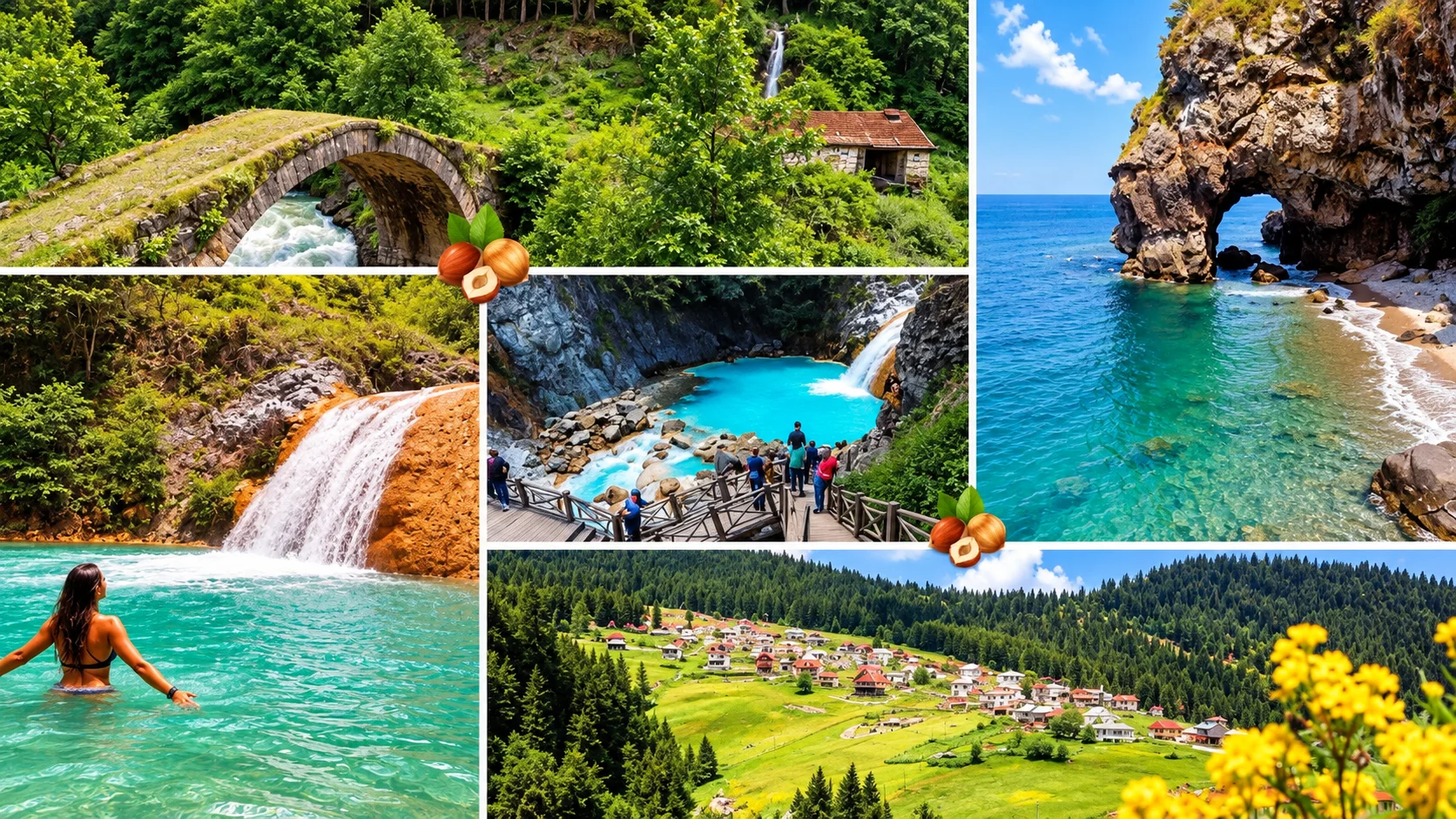
Giresun Island
The only inhabited island on the eastern Black Sea coast, 1.5 km offshore, steeped in Amazon myth and the setting for the region's 3,000-year-old Aksu Festival.
Mavi Göl & Kuzalan
Dereli district hides a turquoise lake fed by sodic limestone springs and a dramatic waterfall deep inside a nature park — both at their best from June to October.
Kümbet Plateau
At roughly 1,640 metres and 52 km south of Giresun city, this high plateau offers cool summers, spruce forests, trekking trails and a full hotel complex for overnight stays.
Giresun Old Town — Castle, Museum and the Olive Promenade
The city itself is built on a steep headland overlooking the sea. Giresun Castle crowns the hill: its foundations trace back to the Hellenistic period, and the complex went through Byzantine and Ottoman phases before reaching its present form. The walls offer sweeping views of the coastline and the island offshore. Entry is open daily; check local sources for current hours.
Below the castle, the Giresun Museum holds finds from the ancient settlement of Kerasos, Byzantine-era artefacts and ethnographic material on the province's hazelnut culture. The adjacent seafront promenade — lined with olive and plane trees — is one of the most pleasant urban walks on the eastern Black Sea coast. The covered bazaar (kapalı çarşı) and old-town streets behind it are good for local sweets, dried fruit and Tombul hazelnut products.
Giresun Island — Ancient Sanctuary of the Eastern Black Sea
Lying 1.5 km off the city harbour, Giresun Adası (Aretias / Giresun Island) is the only naturally inhabited island on the eastern Black Sea coast. Covering roughly 40,000 m², it carries centuries of mythology: ancient sources associated it with the Amazons and the Argonauts. Archaeological traces on the island include Byzantine-era ruins and traces of even older habitation.
The island is the focus of one of the region's most celebrated traditions: the Aksu Festival (Uluslararası Giresun Aksu Festivali), held annually in May. At its heart is the Mayıs Yedisi (May 7th) ritual, said to date back some 3,000 years. Participants throw seven pairs of stones and one single stone into the point where the Aksu stream meets the sea while reciting "my troubles, my suffering to the sea," and jump over a trivet three times to have their wishes granted.
Boat tours to the island operate from the city harbour during the summer season; check current schedules locally, as availability depends on sea conditions and seasonal operators.
Giresun's Most Famous Places
From the island to the highlands — a visual introduction to Giresun's most visited natural and cultural landmarks.
Kuzalan Waterfall & Mavi Göl — Giresun's Canyon Country
Kuzalan Tabiat Parkı (Kuzalan Nature Park) protects a steep river canyon in Dereli district, roughly 35 km south of Giresun city. The canyon's centrepiece is Kuzalan Şelalesi, a powerful waterfall that plunges into a mossy gorge before joining the Aksu stream. The surrounding park is ideal for forest walks and picnicking; the viewing terrace above the falls gives the best photography angle. Visiting between May and October ensures the trail is accessible and the waterfall at full flow.
A few kilometres further south, Mavi Göl (Blue Lake) forms at the point where the Aksu and Göksu streams meet over natural limestone travertine beds. The lake's remarkable turquoise colour results from the interaction between mineral-rich sodic water and the limestone — a phenomenon unique to this part of the eastern Black Sea. The colour is most intense from June through December; water levels and conditions outside this window can affect appearance, so timing your visit matters.
Mavi Göl is not to be confused with Uzungöl in Trabzon province — it is a distinct geological formation and a far less-visited destination.
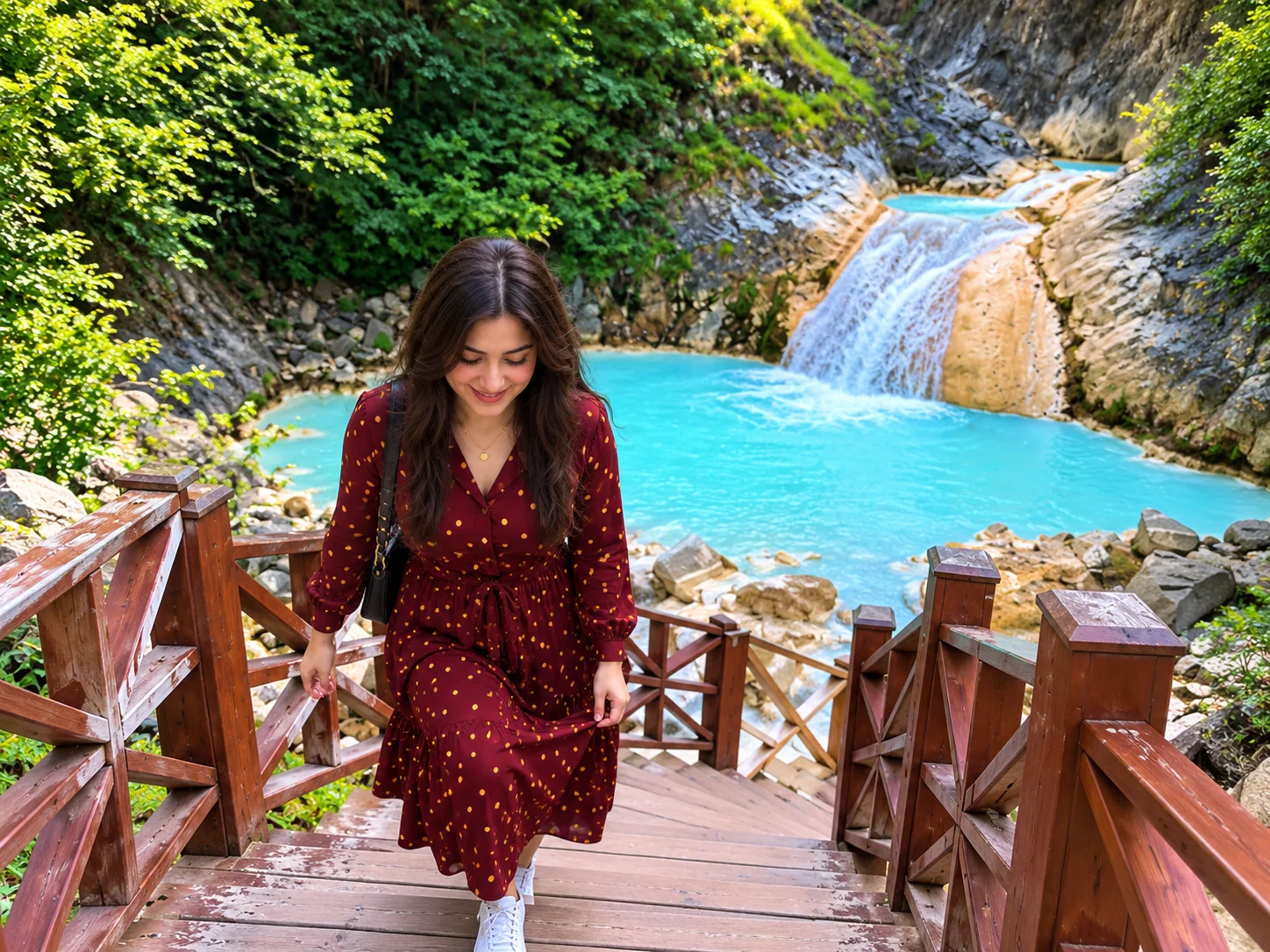
Göksu Travertines — Giresun's Pamukkale
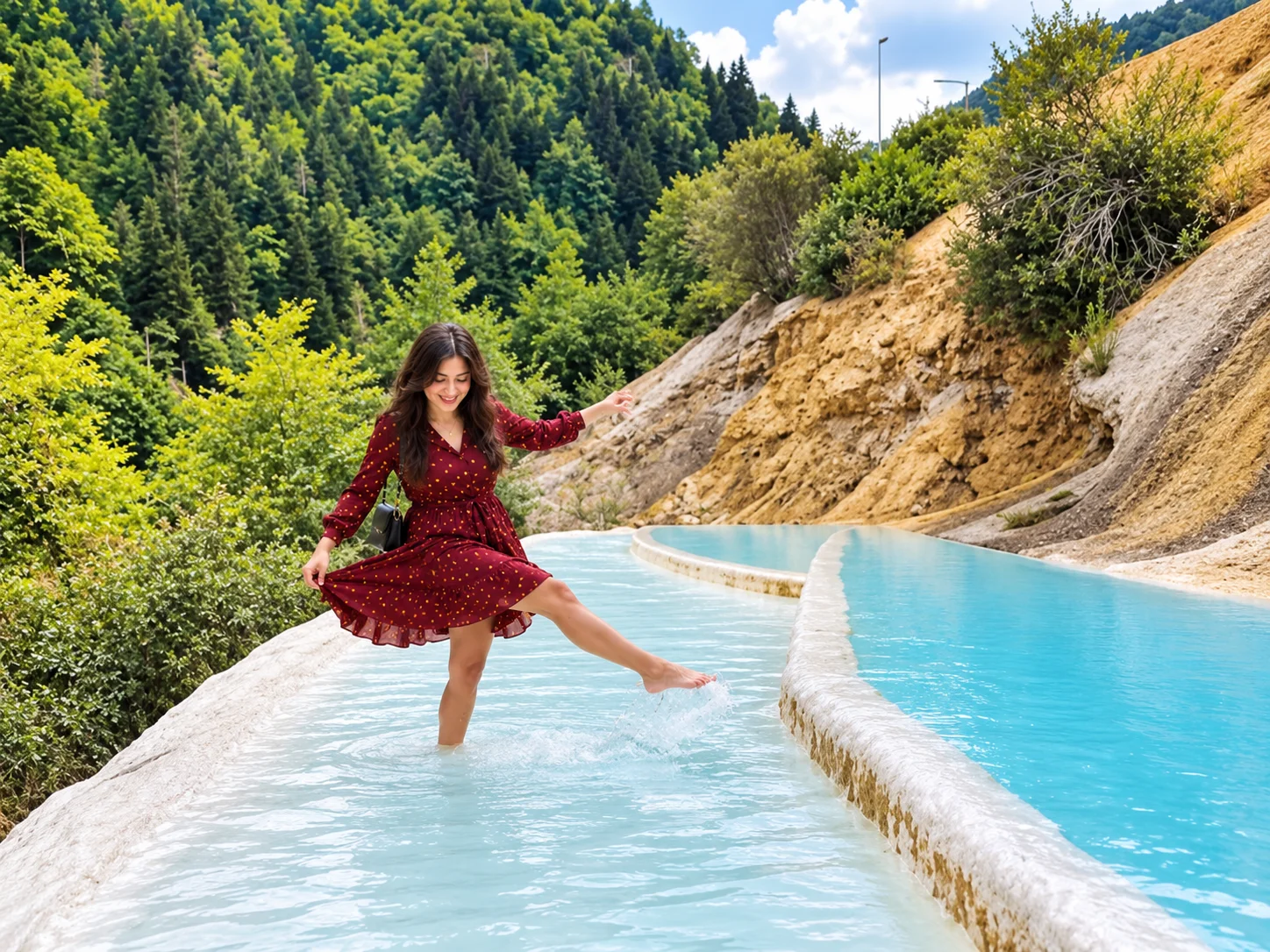
The Göksu Travertenes sit in Pınarlar village, Dereli district, where natural limestone deposits have been shaped by Giresun Provincial Administration into a series of terraced mineral pools. The project, developed in line with the Eastern Black Sea Tourism Master Plan, channelled the same sodic mineral waters that colour Mavi Göl downstream through the natural karst terraces — creating an effect compared locally to Pamukkale.
The pools take on a blue-green tint from the mineral-rich water. Because the formations are part of a managed tourism development rather than a purely wild natural site, visitor infrastructure including pathways and viewing platforms is in place. The site is open during the summer season; expect larger crowds from July onwards, with peak visitor numbers reportedly exceeding 200,000 over the season.
The Göksu travertenes and Mavi Göl are within the same Dereli district, so visiting both in a single day trip from Giresun city is straightforward.
Kümbet, Sis Dağı and the Giresun Plateaus
The Pontic range inland from Giresun rises steeply, pushing the climate sharply cooler within 50 km of the coast. Several high plateaus have long been used as summer pastures and today attract visitors looking for cool air, hiking, and unspoilt Black Sea landscapes.
Kümbet Yaylası
At approximately 1,640 metres and 52 km south of Giresun city in Dereli district, Kümbet is the most accessible major plateau in the province. Surrounded by spruce and fir forest, it stays cool through July and August when the coast is hot. A large hotel complex on the plateau offers year-round accommodation, making Kümbet one of the few Giresun highlands suitable for an overnight stay without bringing camping equipment. In winter the area receives heavy snowfall — snow can persist into late spring at the highest points. If you are interested in ski holidays in the region, see the best ski resorts in Turkey for broader options.
Sis Dağı — 2,182 m
The highest peak of the Aladağ range, Sis Dağı reaches 2,182 metres and straddles the borders of Giresun's Görele and Eynesil districts and Trabzon's Şalpazarı. The summit plateau (Sis Dağı Yaylası) sits at around 1,950 metres and is well known for being frequently shrouded in mist — fitting its name, which means "fog mountain." The views from the plateau on clear days extend across both the Giresun and Trabzon coasts. The high-altitude trail environment makes this a challenging but rewarding destination for fit walkers. Bektaş Yaylası, at intermediate elevations, is another good option for a shorter highland excursion from Giresun city.
Bulancak — Beaches and Coastal Life
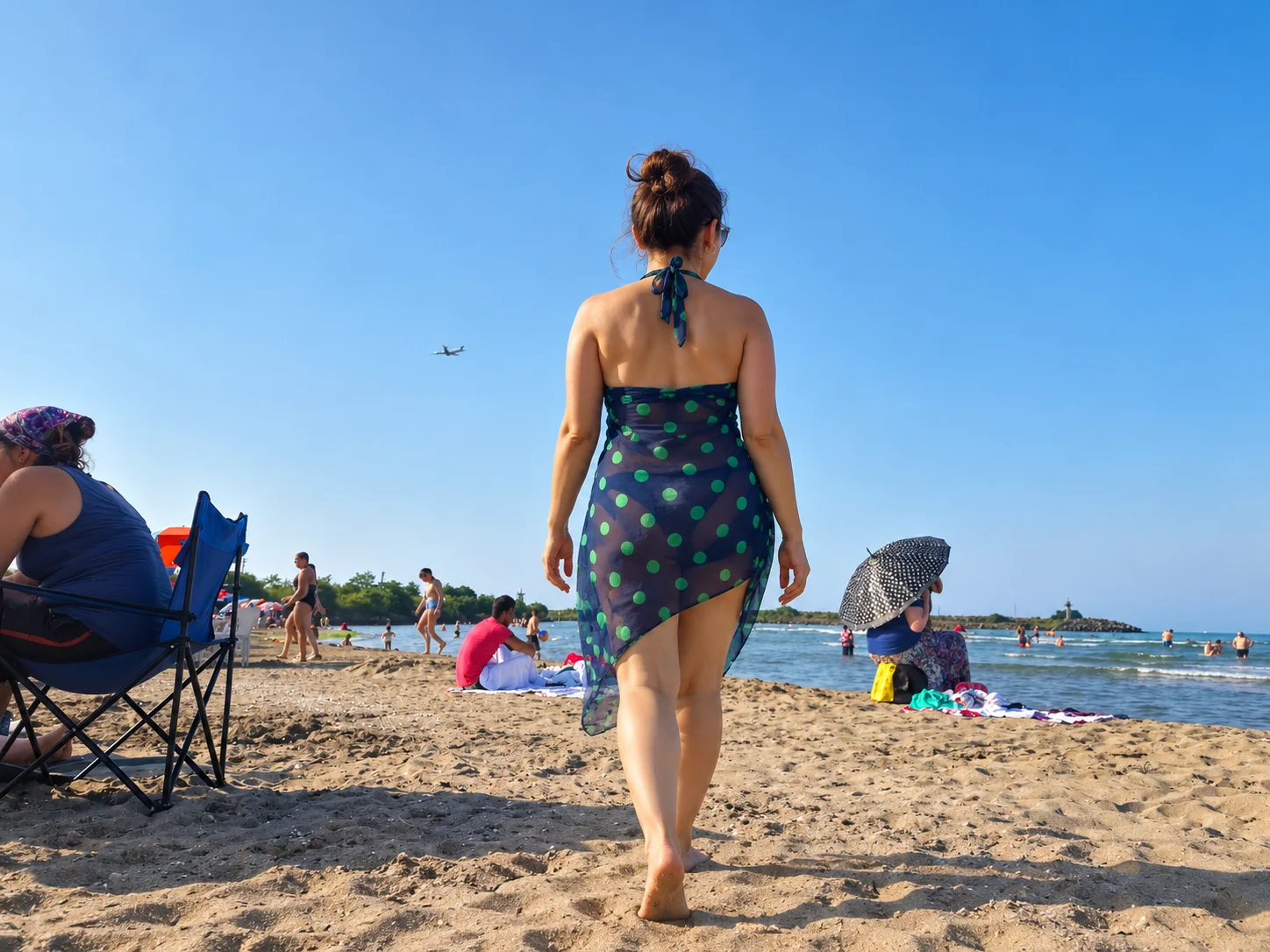
Bulancak is Giresun province's second-largest town, 30 km west of the city along the Black Sea coast. Its beach — a long pebble-and-sand strip backed by hazelnut groves — is one of the more popular seaside destinations in the region and draws both local holidaymakers and visitors from neighbouring provinces in summer.
The town itself is compact and unpretentious, with a working fishing harbour and a strong local food culture. Fresh hamsi (Black Sea anchovy, seasonal), corn bread and local hazelnut sweets are easy to find. The stretch of coast between Bulancak and Giresun city passes through several small fishing villages, each with its own modest beach access, making a slow coastal drive worthwhile.
For a broader picture of what the eastern Black Sea coast offers beyond Giresun, the guide to attractions near Trabzon covers the neighbouring province in detail.
Tirebolu — Saint Jean Castle and the Kemençe Coast
Tirebolu is a small coastal town east of Giresun city, built around a rocky promontory jutting into the Black Sea. Its landmark is Saint Jean (Tirebolu) Castle, a 13th-century late-Byzantine structure built on a natural sea rock — constructed to control both the open sea and the Yağlıdere valley inland. The castle passed to the Ottomans in 1461 and retains the remains of a chapel dedicated to the Virgin Mary and Ottoman-period tombstones inside its walls. Access is easy; the views from the battlements are among the best along this stretch of coast.
The nearby district of Görele is associated with the kemençe, the small pear-shaped Black Sea fiddle central to the region's folk music tradition. Görele and the surrounding villages host festivals where kemençe players and horon dancers perform during summer. The Sis Dağı plateau area is also accessible from Görele, making this corner of the province useful as a base for both coastal and highland exploration.
Şebinkarahisar — The Mountain Stronghold
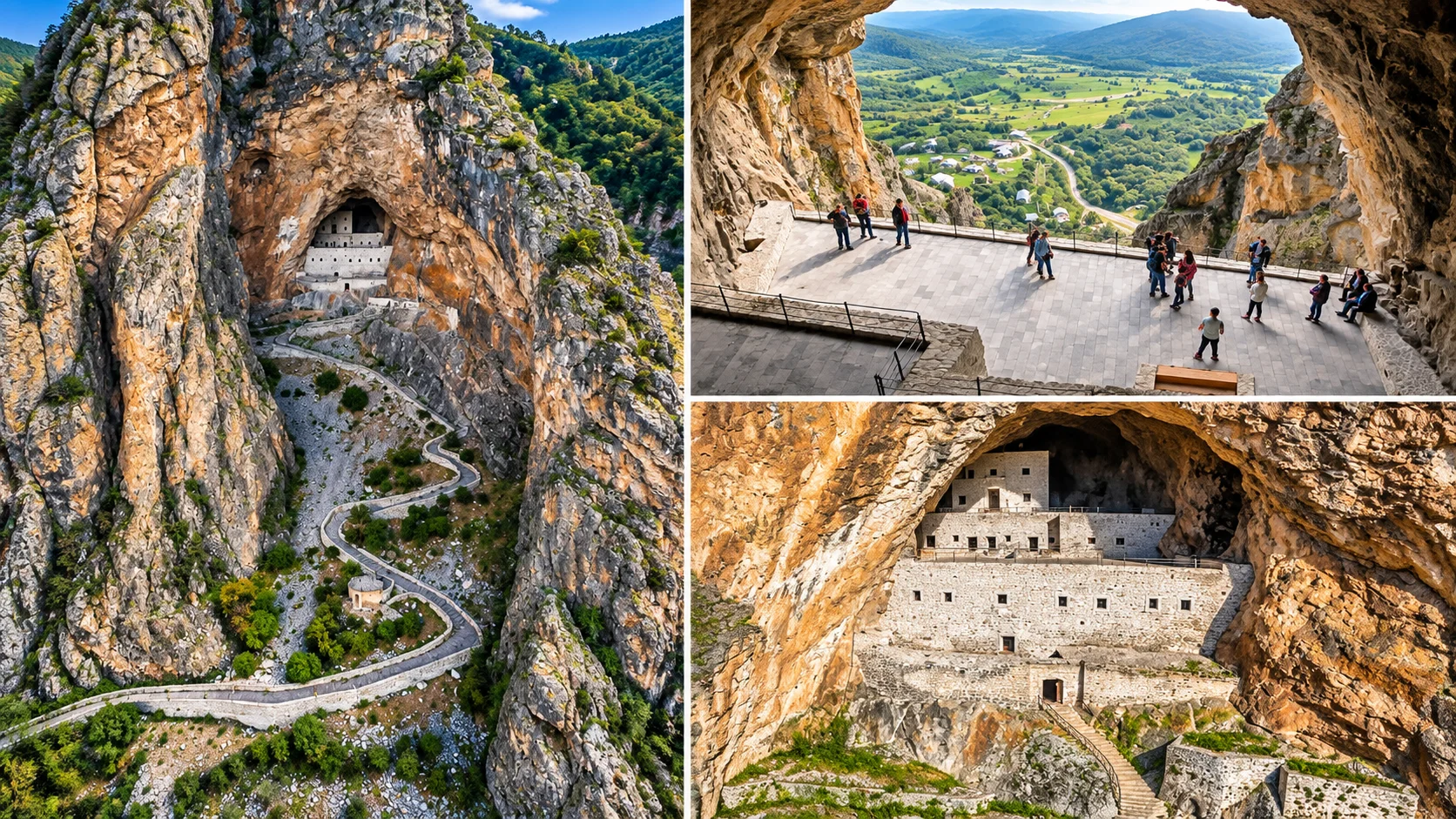
Meryem Ana Monastery
Byzantine monastic ruins in the highlands near Şebinkarahisar — a reminder of the deep Christian heritage in this mountain region before the Ottoman period.
Şebinkarahisar Castle
Perched dramatically above the town of Şebinkarahisar, this castle commands the upper Kelkit valley. The town itself sits at over 1,200 metres and is one of the coolest inhabited settlements in the western Black Sea highlands — far removed from the coast but well worth the drive for history enthusiasts.
Inland Highland Route
The road from Giresun city to Şebinkarahisar winds through dramatic valley scenery, passing walnut groves, small highland villages and meadows that bloom with wildflowers in June. Allow a full day for the return journey and lunch in one of the valley towns.
Giresun — A Region in Motion
A cinematic look at Giresun's coastline, highlands, hazelnut harvest and the living culture of the eastern Black Sea.
Beaches in Giresun
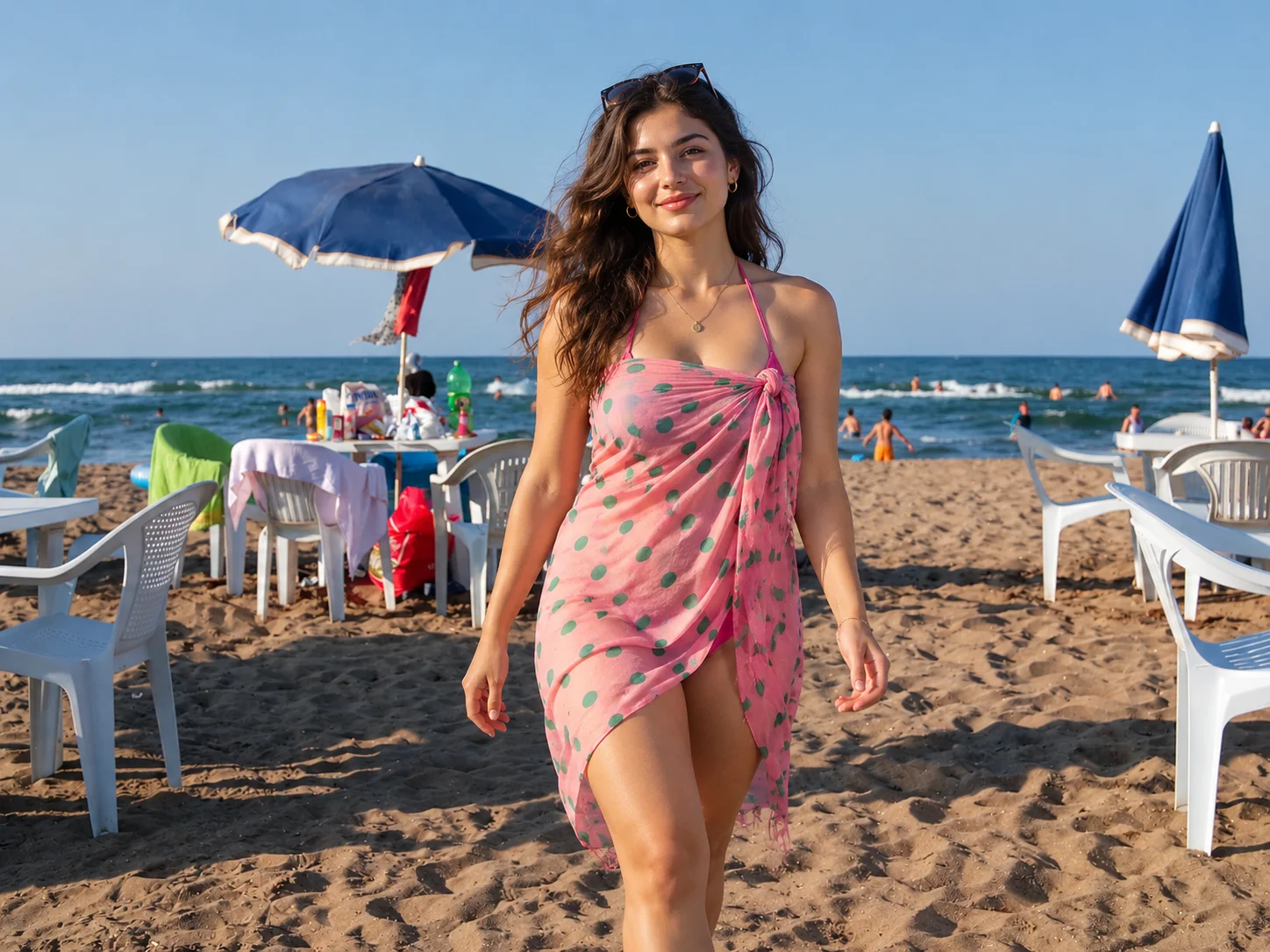
Giresun's Black Sea coast is composed mostly of dark pebble and coarse-sand beaches backed by hazelnut gardens. The water is clear and cool even in summer. The city's main municipal beach, Giresun Belediye Plajı, lies near the harbour and is the most accessible option for visitors based in the city centre — showers, changing facilities and café services are available during summer. Beach quality and Blue Flag status can change year to year; check local sources for the current season.
Further along the coast, Bulancak beach offers a longer strand and a quieter atmosphere during weekdays. Several small coves and village beaches dot the road between Giresun city and Tirebolu; stopping at any of these gives a more local experience of the coastline.
Sea temperatures peak in July and August, making those months the most comfortable for swimming. The region can see heavy rainfall and rough seas from October onwards.
Giresun Cuisine and the Tombul Hazelnut
Giresun is the undisputed home of the Tombul hazelnut — a round, flavour-intense variety that accounts for a large share of Turkey's hazelnut exports. In June 2022 the EU formally registered Tombul as a Protected Geographical Indication (PGI), publishing the certificate in the EU Official Gazette (No. L 164). This makes it Turkey's 8th EU-protected product. Hazelnut groves line the hillsides from coast to plateau; the harvest in September transforms the province's economy and daily life. Locally produced hazelnut paste, roasted fındık and chocolate products are the best souvenirs from the region.
The broader Black Sea kitchen is well represented in Giresun's restaurants. Mıhlama (a molten cornmeal and cheese dish) and kuymak (a similar fondue-style preparation) are comfort staples. Hamsi — small Black Sea anchovies — appear fried, in pilaf or baked in bread when in season (October through February). Giresun böreği, a layered pastry filled with fresh cheese and greens, is a local breakfast specialty. Corn bread (mısır ekmeği) replaces wheat bread in much of the traditional highland diet.
Getting to Giresun
The nearest airport is Ordu-Giresun Airport (OGU), built on reclaimed land off the coast midway between the two cities, roughly 35 km from Giresun city centre. Several carriers operate direct flights from Istanbul. Airport transfer by private vehicle is the most convenient option for reaching your Giresun hotel or for continuing directly to inland destinations such as Dereli or Kümbet.
For groups or travellers with luggage, a door-to-door intercity car with driver is the most flexible way to reach Giresun from Istanbul, Trabzon or Samsun. It is also the best option for day trips between Giresun city and the highland plateaus, since Kümbet and Dereli require a private vehicle.
Overnight and daytime coaches connect Giresun to Istanbul (~12–14 hours depending on route), Ankara, Trabzon and Samsun. Coaches arrive at Giresun's otogar (bus terminal); onward transport to outlying attractions requires a local taxi or rental car.
Giresun's most rewarding sights — Dereli canyon, Kümbet plateau, Şebinkarahisar, Tirebolu — are all outside the city and poorly served by public transport. A car with driver booked for one or more days gives you full flexibility, with a local driver who can navigate mountain roads and suggest stops not found in any guidebook.
Accommodation in Giresun
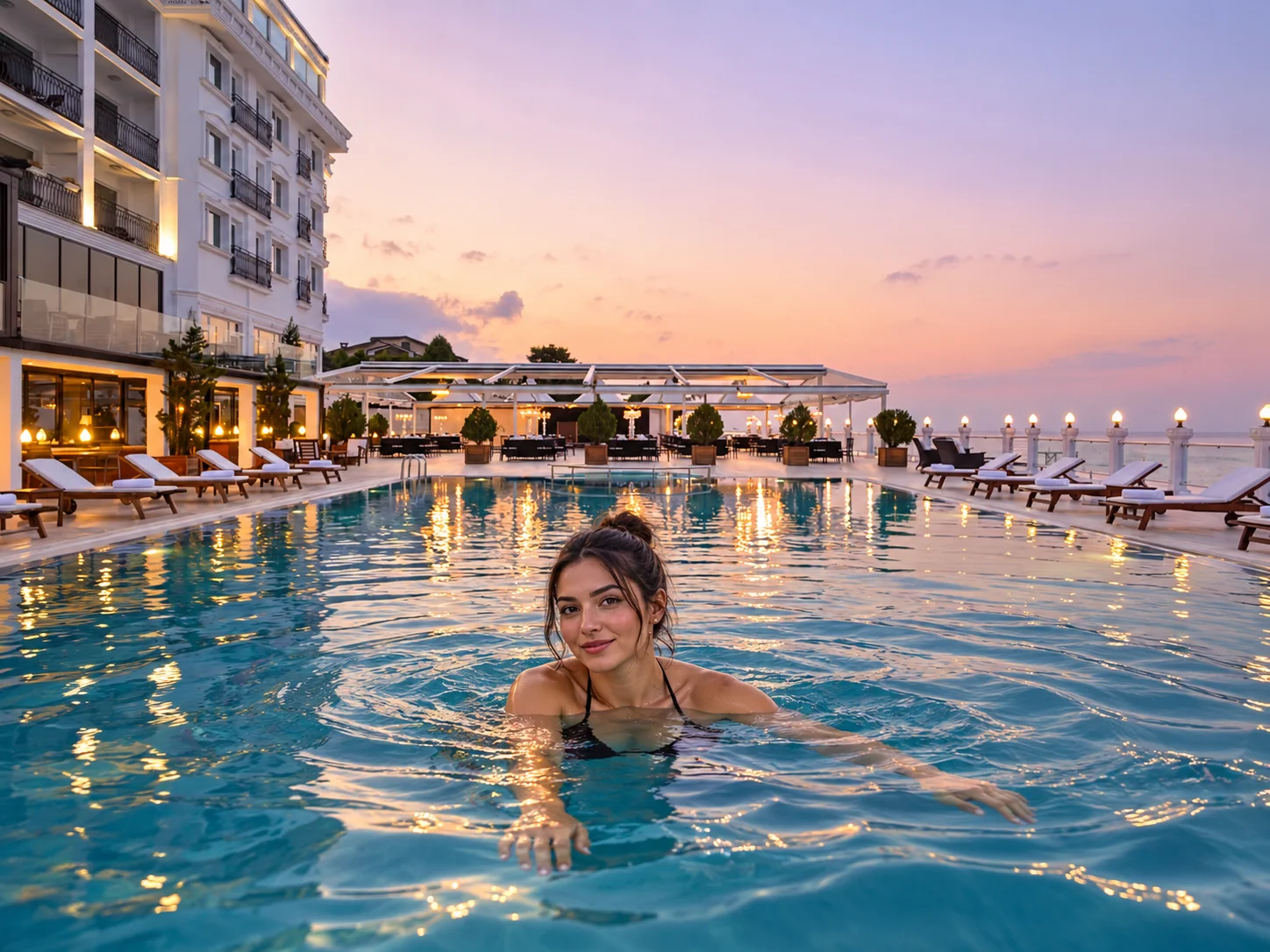
The city centre has a range of hotels from mid-scale to upper-end. The best-known option for international visitors is La Quinta by Wyndham Giresun, a beachfront hotel approximately 3 km from the city centre and 35 km from Ordu-Giresun Airport. The property offers sea-view rooms, a seasonal outdoor pool and restaurant — a comfortable base for exploring both the coast and inland Giresun. Prices and availability vary by season; verify current rates before booking.
For visitors prioritising highland access, Kümbet Plateau (52 km south) has its own hotel complex at around 1,640 metres — useful if you plan to spend multiple days exploring the Dereli valley, Kuzalan and Mavi Göl without returning to the coast each evening.
Budget pensions and apart-hotels are available throughout the city centre, particularly along the seafront promenade and in the older residential neighbourhoods above the bazaar.
Travel Giresun in Comfort
Giresun's most rewarding sights are spread across mountain valleys and coastal towns that require a private vehicle. Reach the region from Istanbul or Trabzon, and explore it at your own pace with a professional driver.
Frequently Asked Questions — Giresun
What is Giresun most famous for?
Giresun is best known for its Tombul hazelnut — an EU Protected Geographical Indication since June 2022 — and for Giresun Island, the only naturally inhabited island on the eastern Black Sea coast. The island is the setting for the ancient Aksu Festival and its Mayıs Yedisi ritual. The province is also noted for its highland plateaus, the turquoise Mavi Göl and the Kuzalan waterfall in Dereli district.
How do I get to Giresun from Istanbul?
The fastest option is flying to Ordu-Giresun Airport (OGU), roughly 35 km from Giresun city. Several carriers operate the route from Istanbul. From the airport, a private transfer reaches the city centre in under an hour. Long-distance coaches take approximately 12–14 hours. For door-to-door comfort or group travel, an intercity car with driver from Istanbul or Trabzon is the most flexible solution.
What is the best time to visit Giresun?
Late May through September offers the most reliable weather for coastal and highland visits. June is ideal for wildflowers and full-flow waterfalls; July and August are warmest for beaches. Mavi Göl's colour is at its most intense from June through December. The Aksu Festival and Mayıs Yedisi take place in May. Hazelnut harvest in September adds local colour to the countryside. Winter can bring heavy rain and snow above 1,000 metres.
How do I visit Giresun Island?
Boat tours to Giresun Island depart from the city harbour during the summer season. Schedules and operators vary year to year, so check locally on arrival. The crossing takes only a few minutes. The island is open for walking and there are Byzantine-era ruins to explore. Sea conditions can affect availability; if weather is poor, the tours may not run.
Why is Mavi Göl (the Blue Lake) turquoise?
The colour comes from the interaction between naturally occurring sodic (sodium-bicarbonate-rich) mineral water and the limestone travertine beds at the confluence of the Aksu and Göksu streams in Dereli. This type of sodic stream emerging above ground is exceptionally rare on the eastern Black Sea — Dereli is said to be one of the only places in the region where it occurs. The turquoise colour is most intense from June to December; conditions outside this period may reduce the effect.
Is Kümbet Plateau good for hiking and camping?
Yes — Kümbet Yaylası at around 1,640 metres in Dereli district offers spruce forest trails, open meadows and cool summer temperatures. The plateau has a hotel complex, which makes it one of the few Giresun highlands where you can stay overnight without camping equipment. The area around Kümbet also serves as a starting point for walks toward Bektaş Yaylası and the higher Sis Dağı range. For longer treks, take a local guide — mountain paths are not always well signed.
What is the Tombul hazelnut and why is it special?
Tombul is a round, full-flavoured hazelnut variety grown exclusively within Giresun province (and two adjacent Trabzon districts). It is prized for its rich aroma and high oil content. In June 2022 it became Turkey's 8th product registered as a Protected Geographical Indication (PGI) by the European Union, published in the EU Official Gazette. Look for it in local markets — whole roasted, as paste or in sweets — as a genuine regional souvenir.
What is the Aksu Festival and the Mayıs Yedisi ritual?
The Uluslararası Giresun Aksu Festivali (International Giresun Aksu Festival) is an annual cultural event held in May, centred on the ancient Mayıs Yedisi (May 7th) tradition. Said to be around 3,000 years old, the ritual involves throwing seven pairs of stones and one single stone into the sea at the point where the Aksu stream meets the water, while reciting wishes, and jumping over a trivet three times. The festival also includes folk dance groups from Turkey and abroad and is one of the most distinctive events on the eastern Black Sea calendar.
What are the best beaches in Giresun?
Giresun's beaches are mostly dark pebble and coarse sand typical of the eastern Black Sea coast. The main city beach (Giresun Belediye Plajı) is closest to the centre and has facilities during summer. Bulancak beach, 30 km west, offers a longer strand and a more relaxed atmosphere. Several smaller coves sit along the Tirebolu coastal road. Water is clear and cool; July and August are best for swimming.
What is Tirebolu Castle?
Tirebolu Castle — also known as Saint Jean Castle — is a 13th-century late-Byzantine fortification built on a natural sea rock at the tip of Tirebolu's promontory, 45 km east of Giresun city. It was constructed to control both the sea and the Yağlıdere valley inland. Inside the walls are the remains of a chapel dedicated to the Virgin Mary and Ottoman-era tombstones. The castle passed to Ottoman rule in 1461. Entry is possible; the sea views from the battlements are excellent.