
Anatolian Istanbul
Roughly a third of Istanbul lives on the Asian side — the Anatolian half of the city, across the Bosphorus from Sultanahmet and Beyoğlu. It is where the visitor experience shifts from monument-checklist to something closer to everyday city life: a market morning in Kadıköy, an Ottoman waterfront walk in Üsküdar, tea on a hill at Çamlıca, and, if you are staying more than a couple of days, one of the most rewarding half-day escapes in the city.
This guide covers what actually deserves your time on the Anatolian side — the districts, the landmarks, how to cross from the European side, and how to plan a half day, a full day, or a two-day split. Fares and opening hours are hedged: they change often, so confirm them with the operators listed at the end before you go.
The Asian side at a glance
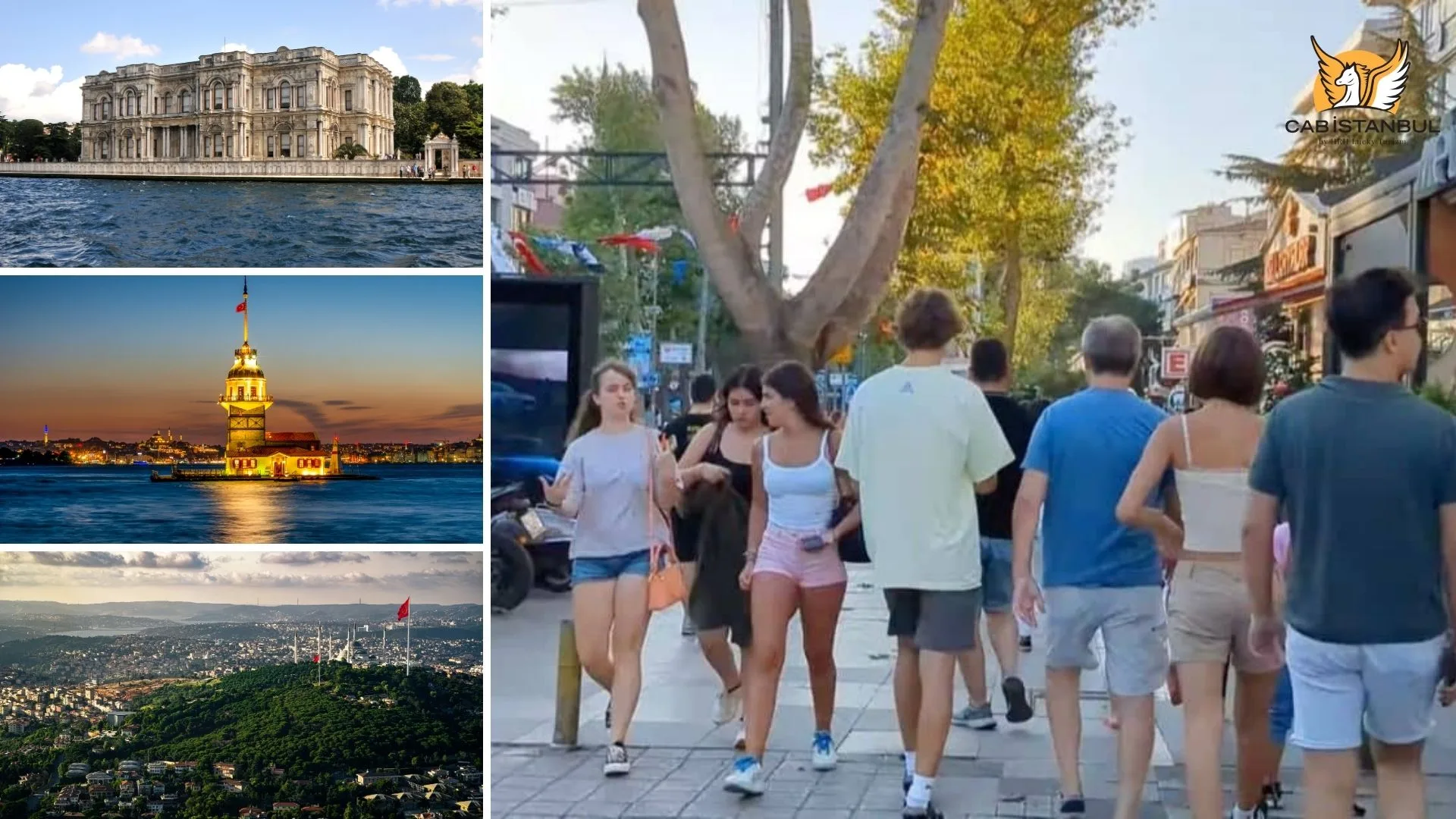
Two districts do most of the heavy lifting for visitors: Kadıköy, the food-and-culture heart, and Üsküdar, the historic Ottoman waterfront. Beyond them, the Anatolian Bosphorus strings together small villages — Kuzguncuk, Beylerbeyi, Çengelköy, Kandilli — up to the strait's northern mouth. Inland, the Çamlıca hills give you the highest natural viewpoint in the city. Along the Marmara coast, Bağdat Caddesi is Turkey's most polished retail-and-café boulevard.
The rhythm is different from the Old City. There are fewer marquee monuments — most of the great Byzantine and Ottoman set-pieces sit across the water — but there is more room to move, more places locals actually eat, and the best skyline view of Istanbul is on this side.
Kadıköy and Moda: markets, coast and culture
Ferries from Eminönü and Karaköy arrive at Kadıköy pier. Turn inland from the water and you are inside Kadıköy Çarşı — the everyday food market: fishmongers, fresh-shaved pastırma, spice sellers, bakeries stacked with börek, delicatessens and old-school patisseries. It is the single most rewarding food walk on the Anatolian side and the reason most first-timers cross the Bosphorus.
From the market, the T3 Nostalgic Tram makes a small loop through Kadıköy and into Moda, the seaside neighbourhood locals come to for sunset. Moda's promenade runs along the Marmara with cafés on the grass, kite-flying, and long views back toward Sultanahmet and the Bosphorus mouth.
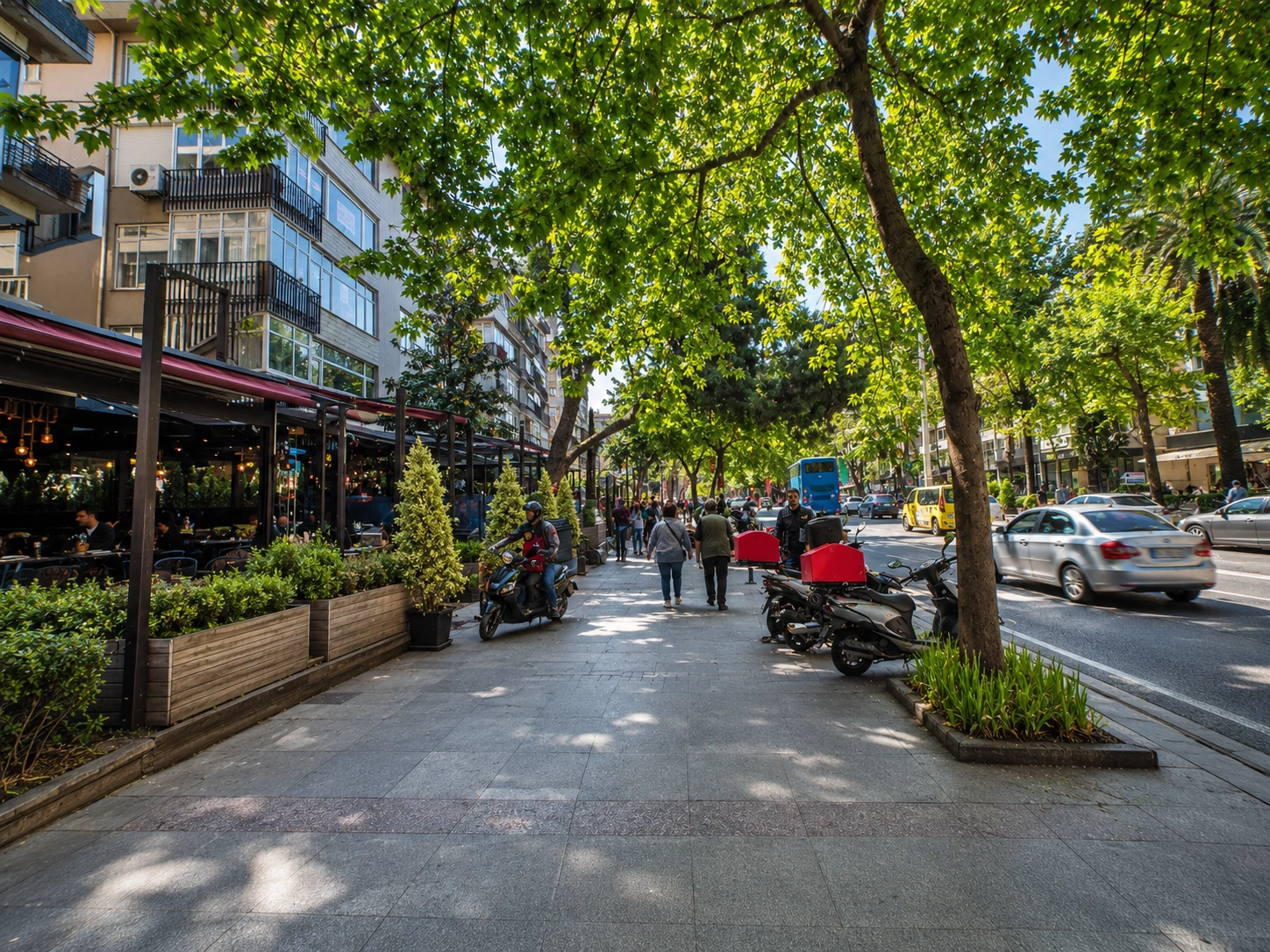
South of Kadıköy the retail boulevard Bağdat Caddesi takes over — an eight-kilometre spine of global brands, Turkish designers, cafés and terraces. It is the anti-Grand-Bazaar: modern, orderly, priced for well-off Istanbul residents rather than the tourist market. If you enjoy people-watching on European high streets, Bağdat Caddesi is Istanbul's counterpart. See our dedicated Bağdat Caddesi guide for the full walkable stretch.
Üsküdar and the Maiden's Tower
The other half of the visitor case for the Asian side is Üsküdar — the older, quieter, mosque-dense district facing Eminönü across the water. Its main square opens directly onto the ferry pier, and from there you can walk to two Ottoman mosques designed by Mimar Sinan: the small waterfront Şemsi Paşa Mosque (1580), and the larger Mihrimah Sultan Mosque (1548) above the square, commissioned by Süleyman the Magnificent for his daughter.
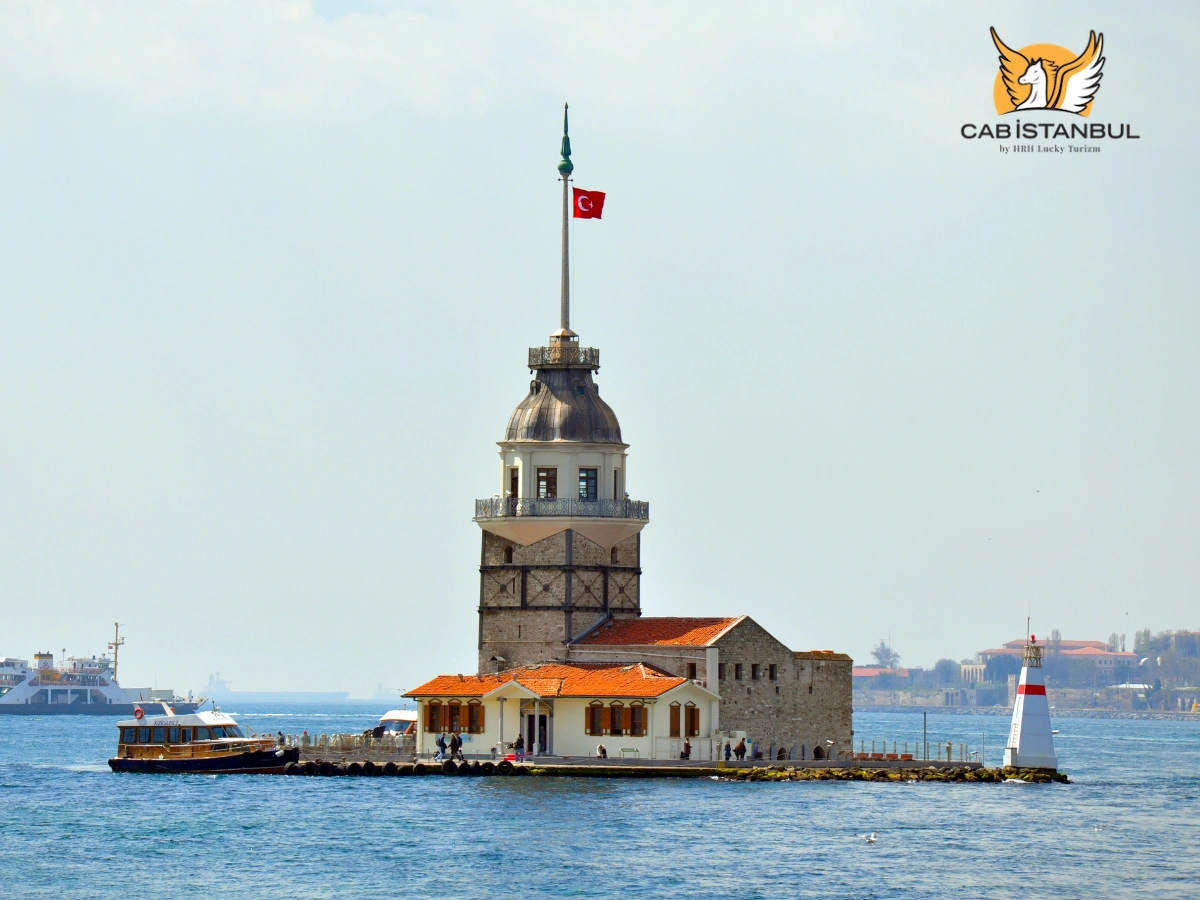
Follow the shore south from Üsküdar and within ten minutes you reach Salacak, the departure point for the short shuttle boat to the Maiden's Tower (Kız Kulesi) — the small tower on its own islet a few hundred metres offshore. After a long restoration cycle, the tower now works as a ticketed guided visit; the shuttle format and hours change with the season, so confirm the current schedule with the National Palaces portal before you go.
Between the mosques and the tower, Üsküdar's coastal walkway is the best sunset spot on the Anatolian side — the sun sets behind the Old City skyline directly across the water.
Kuzguncuk and the Bosphorus villages
North of Üsküdar the Bosphorus shore breaks into a string of villages that most first-time visitors never see. Kuzguncuk sits first — small, low-rise, wooden houses painted in ochre and blue, a couple of cafés opening onto the water and an urban botanic garden (Kuzguncuk Bostanı) tucked one street inland. It reads more like a Marmara island than a district of Istanbul.
Further up: Çengelköy and Vaniköy for Bosphorus-side seafood tables, Kandilli for the classic Boğaz view from the terrace above the Kandilli mosque, and — at the strait's narrowest point — the 14th-century Ottoman fortress of Anadolu Hisarı, whose interior is not generally open but whose surrounding path and wooden houses are worth the walk. This entire cluster is easiest by private driver; buses along the Bosphorus road are sparse and slow.
Beylerbeyi Palace
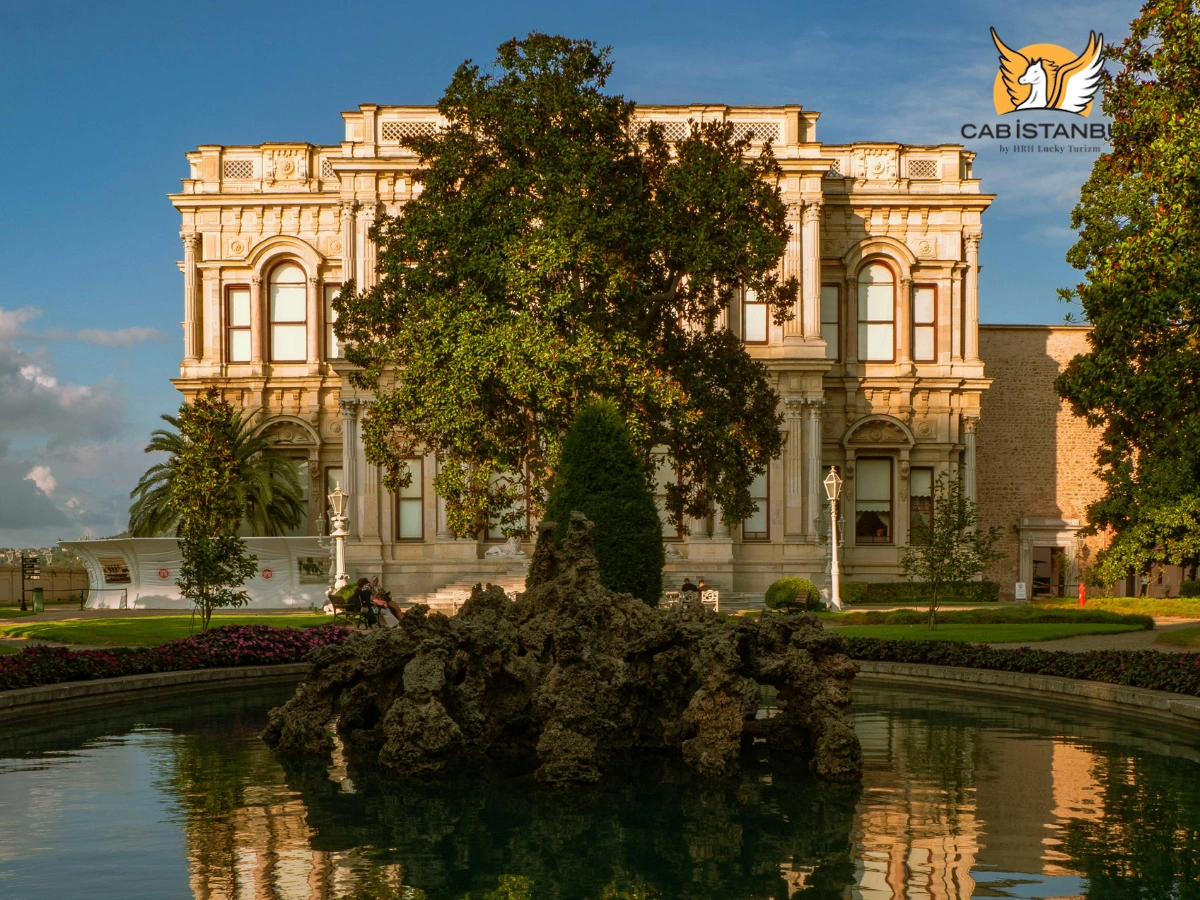
Beylerbeyi Palace is the Ottoman summer palace on the Asian shore, directly under the Boğaziçi (July 15 Martyrs') Bridge. Built for Sultan Abdülaziz in the 1860s, it hosted visiting royalty — Empress Eugénie of France among them — in a set of marble halls, ceremonial reception rooms and a garden that runs down to the water. Compared with Dolmabahçe across the strait, Beylerbeyi is smaller, less crowded and much easier to visit in an hour.
The palace operates as a ticketed museum under the Directorate of National Palaces (Millî Saraylar). Weekly closed day and ticket categories are re-set periodically — verify current hours and fees on millisaraylar.gov.tr before your visit.
Beylerbeyi pairs well as a mid-morning stop on a Bosphorus-shore driving day: combine it with Çamlıca Hill above and Kuzguncuk below, then continue north to Anadolu Hisarı in the afternoon.
Çamlıca: hill, mosque and tower
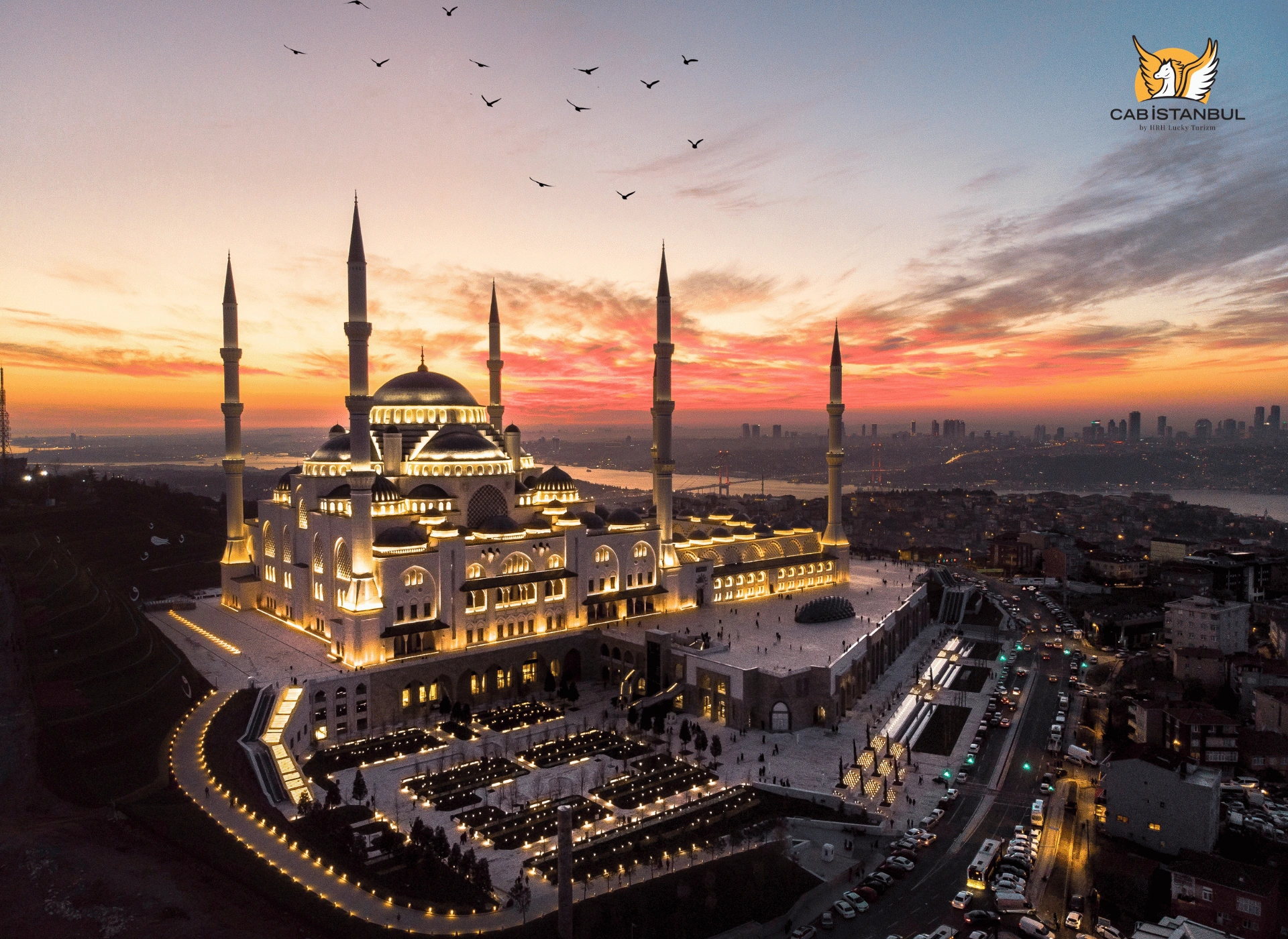
The Çamlıca hills rise inland behind Üsküdar and hold the highest natural viewpoint in the city. On Büyük Çamlıca — the tea gardens and terraces most locals mean when they say "Çamlıca" — you can see both Bosphorus bridges, the Golden Horn, Sultanahmet and, on clear days, the Princes' Islands out on the Marmara.
On the same summit sits Çamlıca Mosque (Büyük Çamlıca Camii), dedicated in 2019 — the largest mosque built in modern Turkey. Visitors are welcome outside prayer times; standard mosque dress code applies. Free entry.
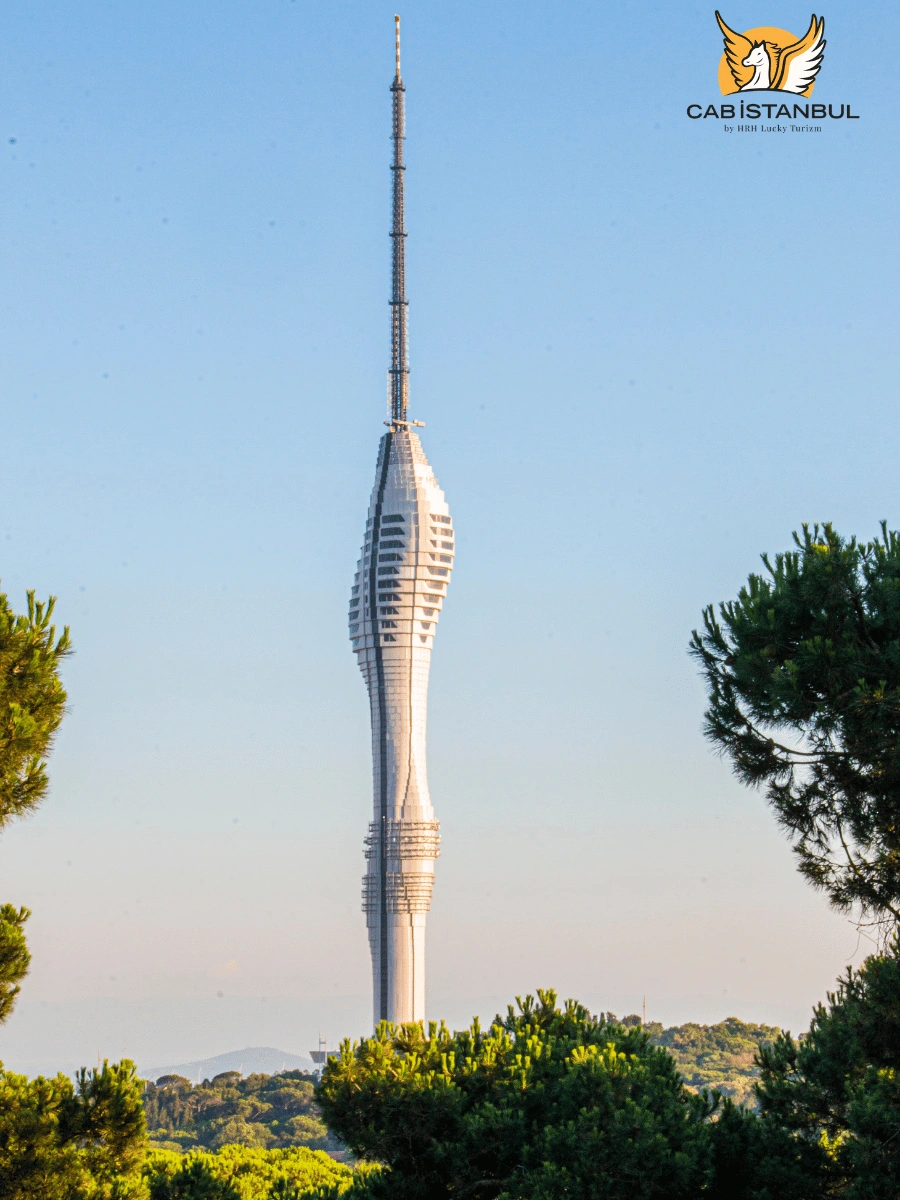
A short distance away, on the neighbouring hill, Çamlıca Tower (Küçük Çamlıca TV Tower) is the tallest built structure in Istanbul, with two observation decks and restaurants at the top. Ticketed. It offers the same panorama as Çamlıca Hill but with the height and interior comfort of a tower deck.
The three sites (hill, mosque, tower) are close enough to combine in a single stop of roughly 90 minutes, and — because there is no direct rail — a private driver is by far the simplest way to reach the summit.
Video overview
If you have not visited the Anatolian side before, a short overview video is worth watching before you plan the day. The clip below runs through the districts, the ferry approach and the main landmarks in one continuous walk.
The Anatolian side reads very differently in motion than in a still photograph — the ferry crossing, the market atmosphere and the coastal rhythm are the reason many returning visitors say this is their favourite half of Istanbul.
A short video walk-through of the Anatolian side, showing the ferry crossing and the main districts a first-time visitor is most likely to cover.
Planning a half day or a full day
Two itinerary templates cover most of what visitors ask for.
- Morning ferry Eminönü → Kadıköy
- Kadıköy Bazaar food walk
- Nostalgic Tram loop to Moda
- Moda coast + sunset café
- Ferry back to the European side
- Ferry to Üsküdar first thing
- Mihrimah Sultan + Şemsi Paşa mosques
- Maiden's Tower shuttle from Salacak
- Drive up to Çamlıca Hill + Mosque + Tower
- Descend to Beylerbeyi Palace
- End the day in Kadıköy with dinner
For a Bosphorus-shore drive covering Kuzguncuk, Beylerbeyi, Çengelköy, Kandilli, Anadolu Hisarı and the Khedive Palace, plan a separate day and use a private car with driver — buses along the Bosphorus road are infrequent, and the villages are strung far enough apart that public transport eats most of the day.
Getting to the Asian side
There are three practical ways to cross from the European side, plus a direct rail line under the Bosphorus. Fares change; always tap with an Istanbulkart for the correct current rate.
- Ferry (Şehir Hatları): Eminönü ↔ Kadıköy and Karaköy ↔ Kadıköy are the two visitor-friendly crossings. Boats also run Eminönü ↔ Üsküdar and Beşiktaş ↔ Üsküdar. The crossing itself takes roughly twenty minutes and is the most scenic way to arrive; frequency and last-service times are published on sehirhatlari.istanbul.
- Marmaray (undersea rail): the fastest crossing. From Sirkeci on the European side, one stop passes under the Bosphorus to Ayrılıkçeşme on the Asian side, with onward stations at Söğütlüçeşme (Kadıköy) and further east to Bostancı and Pendik. Ideal for bad weather or a rushed transfer.
- Metro (M4): the Kadıköy ↔ Sabiha Gökçen line connects Kadıköy directly to Sabiha Gökçen Airport — the direct rail option to SAW.
- Private transfer / driver: door-to-door, useful if you arrive at Istanbul Airport (IST) with luggage or want to combine multiple Asian-side stops in one day. See our airport transfer and car with driver pages.
- Bus / Metrobüs / Eurasia Tunnel: possible but time-costly at peak hours because of Bosphorus-bridge traffic.
From Istanbul Airport (IST) — on the far northern European edge of the city — plan on 45–75 minutes to Kadıköy or Üsküdar by private car, longer by public transport (M11 metro to a transfer to Marmaray, or the Havaist HVIST-14 bus direct to Kadıköy). From Sabiha Gökçen Airport (SAW), which sits on the Asian side, plan 30–50 minutes by private car, or a direct metro ride via the M4.
Frequently asked questions
Is the Asian side of Istanbul worth visiting?
Yes, if you have more than 48 hours in the city. The Asian side is fewer marquee monuments and more everyday-Istanbul: markets, seafront cafés, Ottoman mosques by Sinan, the Maiden's Tower, Beylerbeyi Palace and the finest skyline view in town from Çamlıca. Most first-time visitors add a half day in Kadıköy at minimum; two days lets you do both Kadıköy and Üsküdar comfortably.
Kadıköy or Üsküdar — which one should I do first?
Kadıköy is the food-and-culture heart — market, Moda coast, Nostalgic Tram, café scene. Üsküdar is the historic Ottoman waterfront — Sinan mosques, Salacak shore, Maiden's Tower shuttle. On a first half-day visit most travellers pick Kadıköy. On a full day, do Üsküdar in the morning and Kadıköy for the afternoon and evening. On two days, split them.
How do I get across from the European side?
The ferry from Eminönü or Karaköy to Kadıköy is the most scenic option, and the ferry from Eminönü or Beşiktaş to Üsküdar is the fastest to the historic Ottoman shore. For the fastest crossing regardless of weather, take the Marmaray undersea rail from Sirkeci to Ayrılıkçeşme (with onward Söğütlüçeşme for Kadıköy). Tap in with an Istanbulkart. If you are arriving from the airport with luggage, a private transfer is easier than the ferry-plus-taxi combination.
How much does the ferry cost?
Fares are set by the operator (Şehir Hatları) and are periodically updated. Always tap with an Istanbulkart at the turnstile; single-journey QR tickets are also available at the pier. Rather than trust an amount you read in an older article, check the current rate on sehirhatlari.istanbul before your visit.
Can I visit the Asian side as a day trip from Sultanahmet?
Yes. A half-day covers Kadıköy comfortably; a full day covers Kadıköy plus Üsküdar. For Çamlıca Hill, Beylerbeyi Palace and the northern Bosphorus villages, a private car with driver is by far the simplest option — the villages are too spread out for public transport to be efficient.
How do I get to the Asian side from the airports?
From Istanbul Airport (IST), which is on the European side, plan 45–75 minutes to Kadıköy or Üsküdar by private car depending on traffic; longer by public transport (M11 metro plus Marmaray, or Havaist HVIST-14 direct bus to Kadıköy). From Sabiha Gökçen Airport (SAW), which is already on the Asian side, the M4 metro reaches Kadıköy directly; private car is 30–50 minutes.
What are the most important historical sites on the Asian side?
The main ones are Beylerbeyi Palace, the Maiden's Tower, the Sinan-designed Mihrimah Sultan and Şemsi Paşa mosques in Üsküdar, Anadolu Hisarı (the 1394 Ottoman fortress at the strait's narrowest point) and Küçüksu Pavilion further up the Bosphorus shore. Haydarpaşa Railway Station is a striking 1908 exterior on the Kadıköy waterfront (interior has been in long restoration).
For your Anatolian-side day
Comfortable transfers across the Bosphorus
If you are combining Kadıköy, Üsküdar, Çamlıca and the Bosphorus villages in one day — or arriving at IST or SAW with luggage — a private car with an English-speaking driver is the easiest way to cover the ground.