
Rize sits on Turkey's northeastern Black Sea coast wrapped in what must be the greenest landscape in the country: steep hillsides terraced with tea gardens, fog-draped forests climbing toward the Kaçkar peaks, and a coastline where cold mountain rivers still empty into warm Black Sea water. Beyond the tea, Rize delivers Ayder Yaylası for highland walks, Fırtına Valley for adventure, Zilkale for medieval drama, and beaches that most visitors have never heard of.
Rize: Turkey's Tea Capital
Turkey is the world's largest tea consumer per capita, and Rize is where almost all of that tea grows. The city's association with tea runs deep: the terraced çay bahçeleri (tea gardens) on the hillsides above the coast have been cultivated since the 1930s, and the scent of fresh tea leaves is part of the city's identity. Rize province produces roughly 60–70% of Turkey's total tea output, and the plants thrive precisely because of the region's wet, mild climate — Rize receives more annual rainfall than almost any other Turkish city.
As a city, Rize is compact and navigable. The old quarter climbs up from the seafront toward Rize Kalesi, while the coastal boulevard and harbour define the lower town. The most memorable landscapes — the ones that explain why visitors keep returning — are in the mountains and valleys that begin immediately behind the coastal strip.
Tea Gardens and Çay Culture
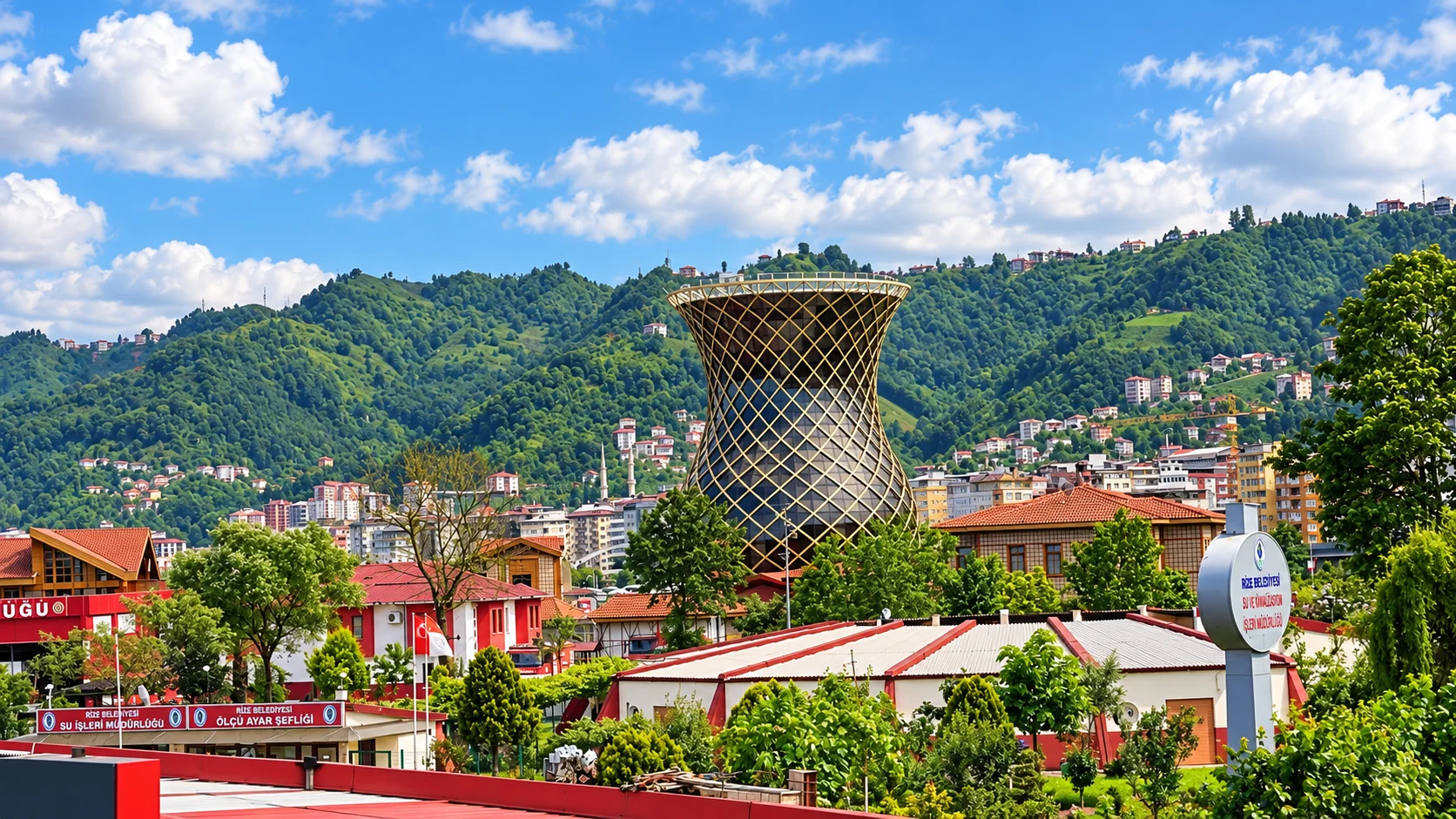
Tea in Turkey is always served in a small tulip-shaped glass — the çay bardağı — and nowhere is this ritual more meaningful than in Rize. The local Çeçeva Çay Bahçeleri, perched on a hillside above the city, is a popular stopping point for both locals and visitors: arrive in the morning, sit among the tea bushes, and drink a glass while mist still hangs over the valleys below.
The Rize-Artvin Airport terminal takes the çay bardağı as its architectural motif — the 36-metre control tower is designed in the shape of the iconic glass, making it one of the more distinctive airport buildings in Turkey. The terminal also houses a small Çay Müzesi (Tea Museum) where visitors can learn about the region's cultivation history before continuing into the city.
For a deeper understanding of the industry, the Çay-Kur Rize Fabrikası — the state tea producer's main factory in the city — occasionally offers guided tours. Worth arranging in advance if you want to see the processing side of Rize's defining product.
Rize Castle and the Old City
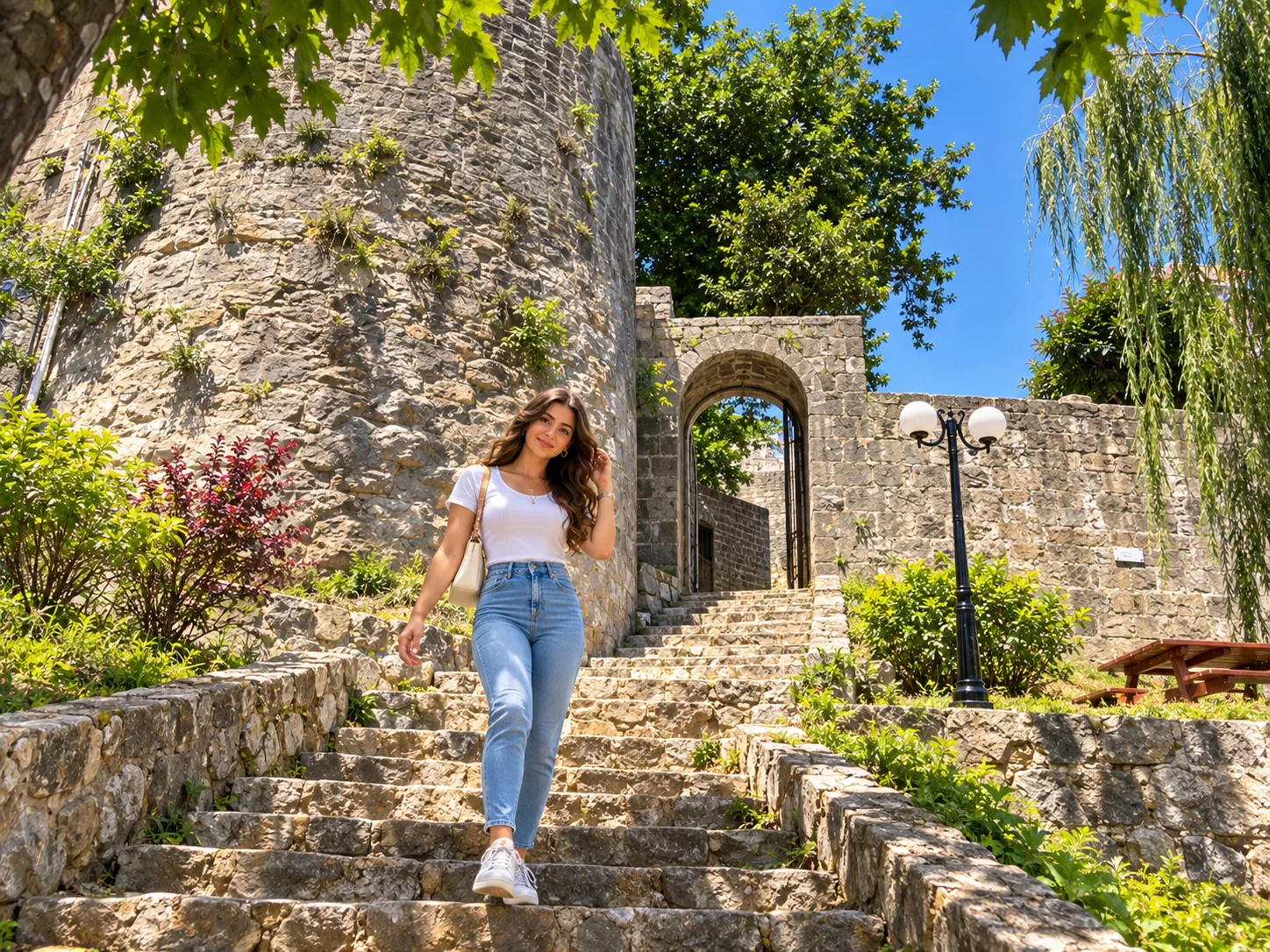
Rize Kalesi rises above the old quarter on a rocky hillside, and the walk up through the narrow streets is as rewarding as the castle itself. The structure has Byzantine and Ottoman origins, though much of what remains has been consolidated and partially restored over the centuries. The viewpoint at the top looks out over the city, the harbour, and — on clear days — far along the Black Sea coast in both directions.
Immediately below the castle, the old neighbourhood preserves some traditional Black Sea architecture: timber-framed houses on steep lanes, small neighbourhood squares, and the older market area near the seafront. The bazaar district around İstasyonaltı is a good place to look for tea, local honey, and dried goods to take home.
The city's main museum, Rize Müzesi, covers the region's archaeological and ethnographic history, including the highland yayla culture that defines the interior and the fishing traditions of the coast.
Ayder Yaylası: Gateway to the Kaçkar
Ayder Yaylası is the most visited of Rize's mountain plateaus, and justifiably so. Located in the Çamlıhemşin district at around 1,350 metres above sea level, it serves as the main access point for trekking into the Kaçkar Dağları — the highest mountains on the Black Sea coast, with the Kaçkar peak itself reaching 3,937 metres. In summer, the plateau fills with wildflowers, the creeks run fast with snowmelt, and the surrounding slopes turn vivid green.
Ayder also has natural thermal springs (kaplıca suları reaching around 55°C), and several small thermal facilities in the village cater to visitors who want to soak after a day of walking. The yayla is essentially a small resort settlement with wooden guesthouses, local restaurants serving muhlama and other Black Sea dishes, and a lively weekend atmosphere throughout July and August.
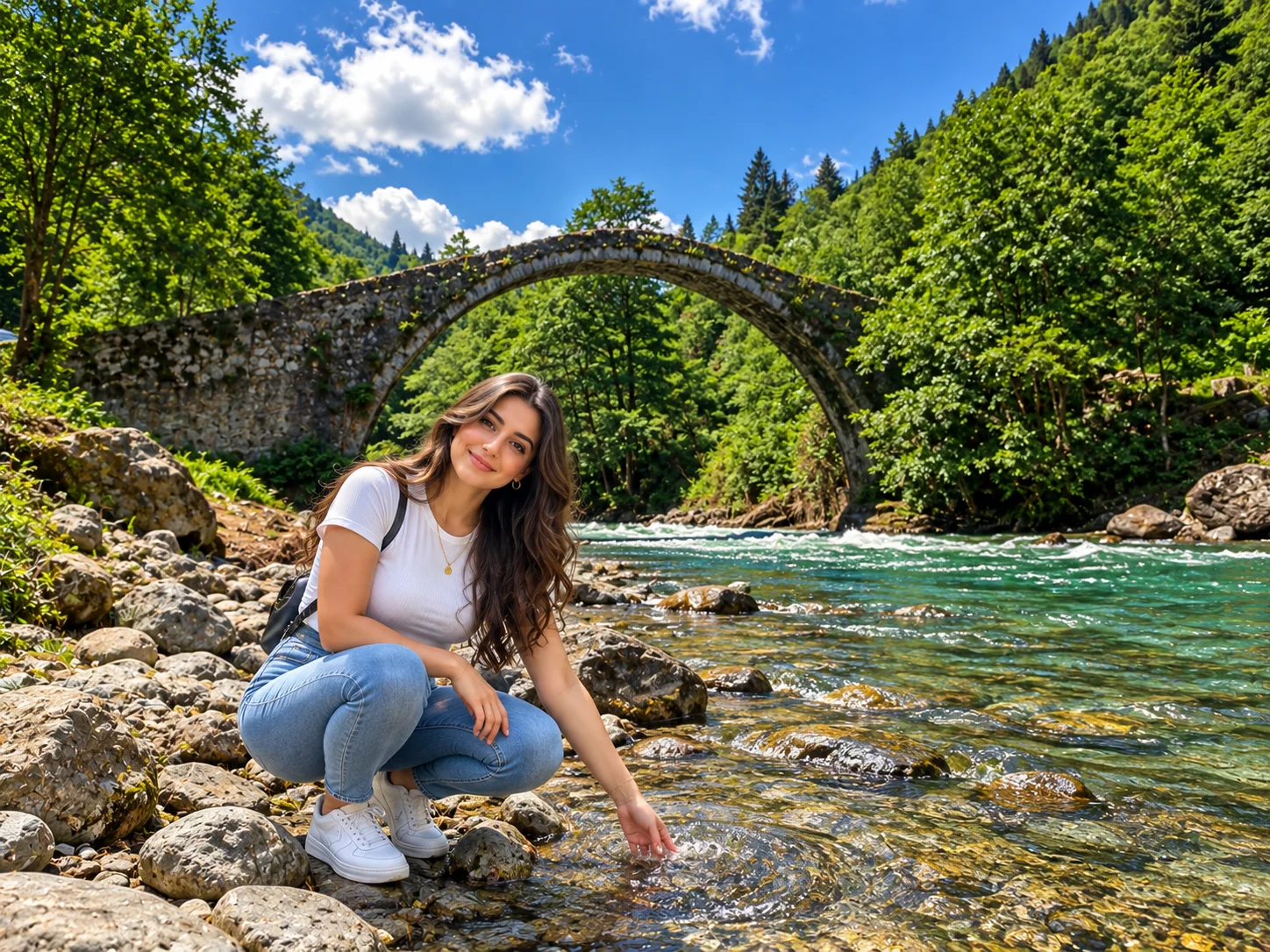
The approach road from Çamlıhemşin offers spectacular views of the Fırtına River gorge below, with several traditional stone arch bridges (taş köprüler) marking the route up. Pokut Yaylası, another highland plateau accessible from the same area, is quieter and less commercialised — favoured by hikers looking for a more isolated yayla experience.
Fırtına Valley and Zilkale
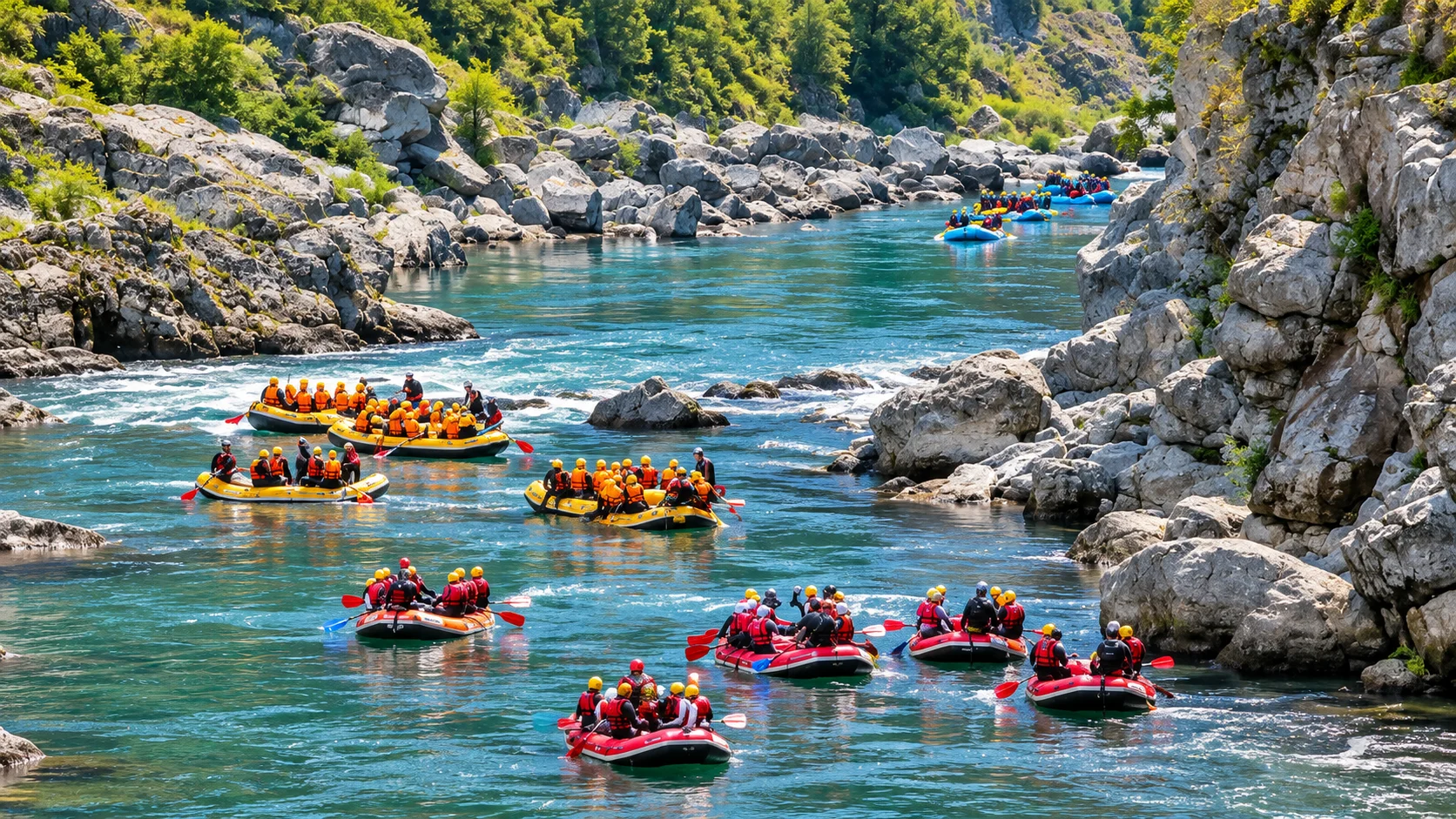
The Fırtına Valley (Fırtına Vadisi) runs from the coast near Ardeşen inland toward the Kaçkar foothills. The name means "Storm Valley," and the landscape earns it: the Fırtına River runs fast and turbulent through dense forest, with traditional stone arch bridges — some dating to the 18th century — still carrying the valley's secondary roads across the water.
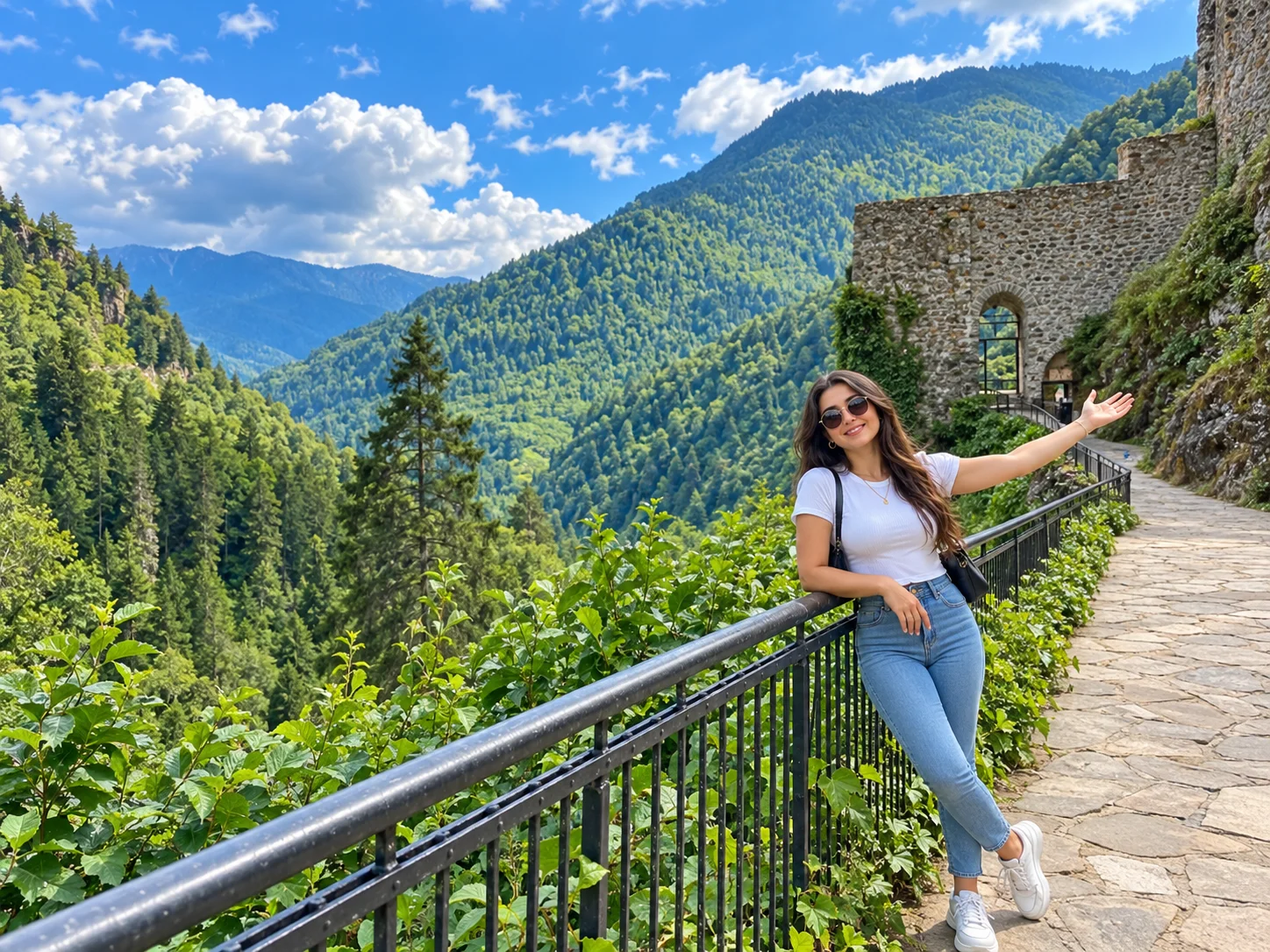
Zilkale sits in the upper valley, roughly 15 kilometres from Ayder Yaylası, at an elevation that already hints at the mountains above. The castle's exact origins are debated — most historians place it in the medieval period, with some evidence of earlier use — but its silhouette rising from the forested hillside is striking regardless of attribution. The structure is partially ruined but largely intact, and the trail up passes through the same dense mixed forest that lines the valley floor.
The Fırtına Valley is also popular for white-water rafting on the Fırtına Deresi. Several operators based in Çamlıhemşin and Ardeşen run guided half-day trips on the rapids between approximately May and September. The river is fast-moving and genuinely challenging in places — not a beginner activity, but well-organised under professional guidance.
Waterfalls: Gelintülü and Palovit
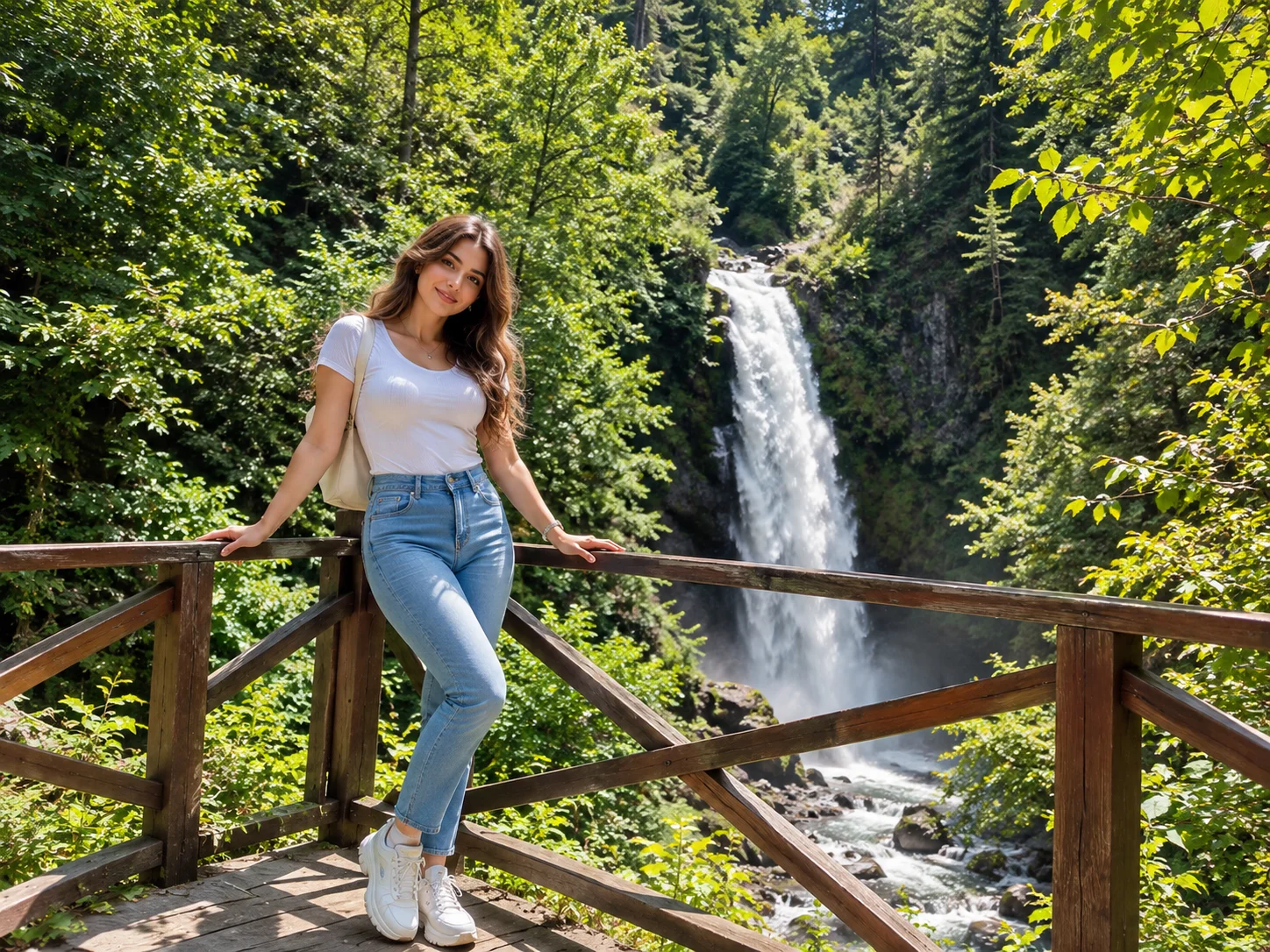
Rize province has a number of significant waterfalls, with two standing out as worth planning around. Gelintülü Şelalesi (Bridal Veil Falls) near Ayder is the more dramatic: water drops around 200 metres down a forested cliff face in a thin, thread-like cascade — the shape that gives it its name. It is accessible by trail from Ayder in roughly 45 minutes on foot, or by a short drive to a closer car park.
Palovit Şelalesi is located in the Ardeşen district, within the Kaçkar Mountains National Park. It is a shorter, more powerful waterfall — approximately 15 metres high — where the water hits a broad rock shelf and fans out before continuing downslope. Both waterfalls are most impressive in late spring and early summer when snowmelt maximises flow; by late August they lose some volume.
Black Sea Coastline and Beaches
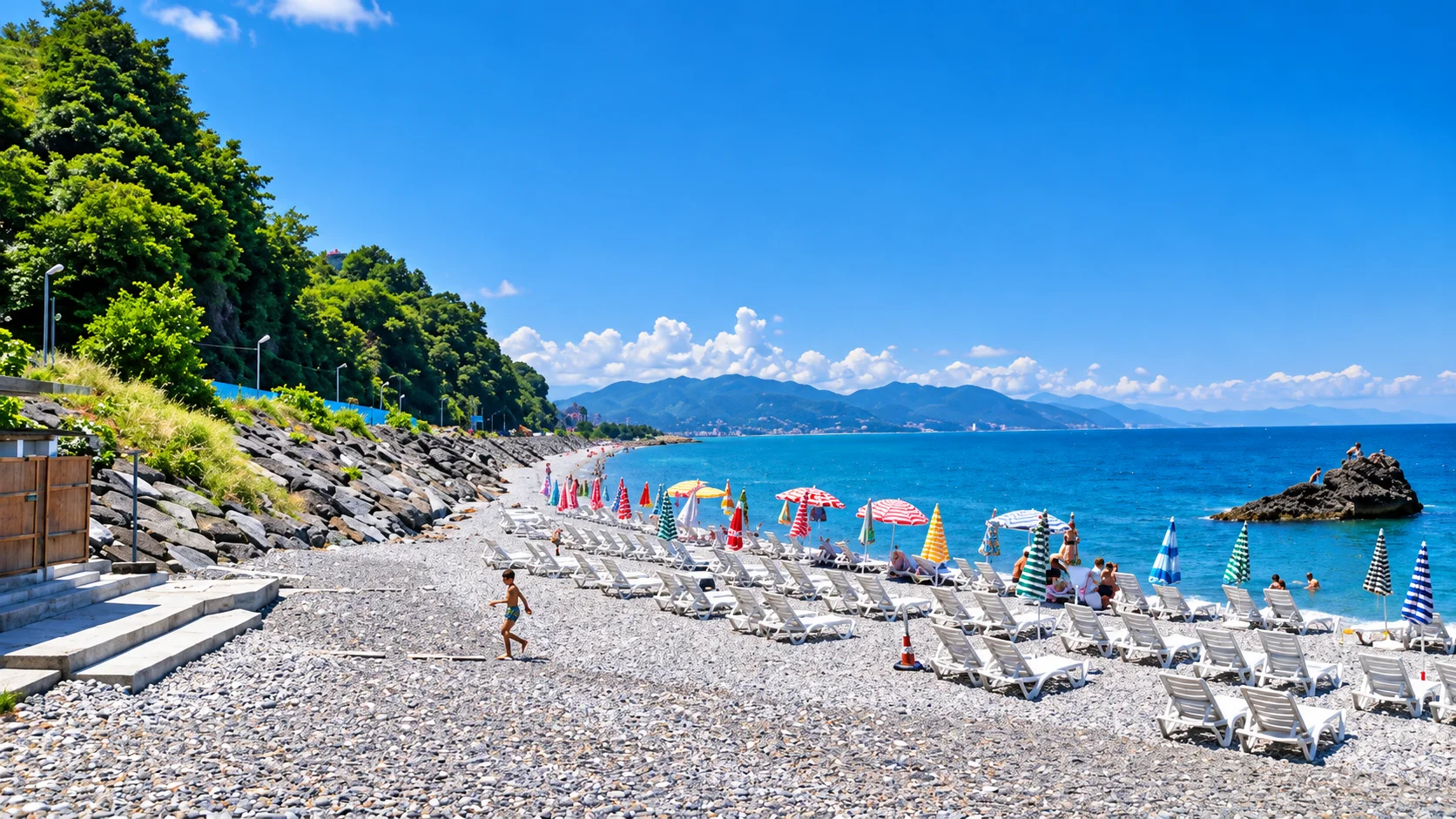
Rize's coastline does not fit the typical image of a Turkish beach destination — there are no turquoise lagoons or wide sandy bays — but the Black Sea beaches have their own character: dark-pebble and coarse-sand shores backed by mountain slopes, with sea temperatures that warm enough for swimming through July and August. The beach at Ardeşen is one of the most accessible near the city, close to the district town and easily combined with a day in the Fırtına Valley.
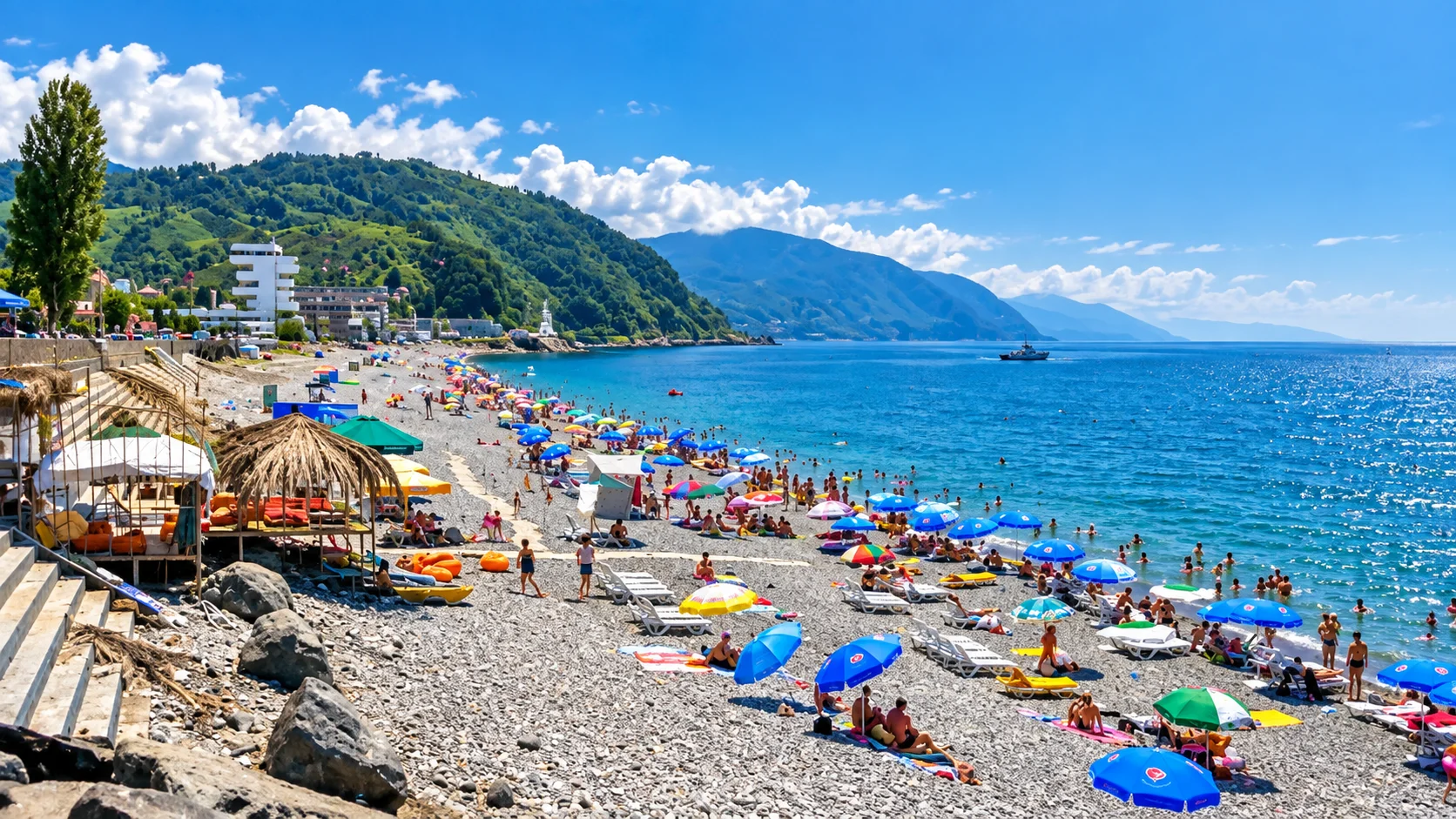
Yeniköy Plajı, further along the coast, is quieter and less visited — the kind of beach that rewards a short detour on a coastal drive. The surrounding landscape of tea terraces cascading down to the sea gives these Rize beaches a visual distinctiveness you will not find on the Mediterranean or Aegean.
The Black Sea water in Rize province runs cooler than Turkey's southern coasts: expect around 22–24°C at peak summer. Swimmers find it refreshing; the waves tend to be larger and more energetic than Mediterranean resorts.
Thermal Springs and the İkizdere District

Beyond Ayder's kaplıca facilities, Rize province has thermal spring options in several districts. The İkizdere district hosts thermal baths, and the Ridos Termal complex is one of the better-known facilities — set in a forest environment with indoor pool access and accommodation. The thermal waters are mineral-rich; facilities range from simple public baths to full-service hotel complexes.
İkizdere district is also the gateway to Anzer Yaylası, where Anzer Balı — one of the world's rarest and most sought-after honeys — is produced. The plateau's unusual concentration of native wildflower species gives Anzer honey its distinctive flavour profile. It is available to purchase in Rize's bazaars and specialist food shops, though pricing reflects its scarcity and the difficult terrain where it is produced.
Anzer Honey and Local Cuisine
Rize's cuisine is defined by the sea and the mountains equally: fresh anchovies (hamsi) dominate the winter table, while muhlama (a creamy cornmeal and cheese dish cooked over direct heat), karalahana (collard greens sautéed with butter), and mısır ekmeği (dense cornbread) represent the highland larder. Hamsili pilav — rice layered and baked with anchovies — is one of the region's signature dishes and appears on menus along the entire coast.
| Dish / Product | Description | Where to find |
|---|---|---|
| Muhlama | Creamy cornmeal and cheese fondue — a highland staple | Yayla restaurants, especially Ayder |
| Hamsili Pilav | Rice baked with layers of fresh anchovies — a coast classic | Rize city centre restaurants |
| Karalahana | Dark collard greens cooked with butter and cornmeal | Local eateries across the region |
| Laz Böreği | Custard-filled pastry unique to the Eastern Black Sea | Bakeries and pastry shops, Rize centre |
| Mısır Ekmeği | Dense cornbread baked in cast iron — served warm | Yayla guesthouses, mountain restaurants |
| Anzer Balı | Rare wildflower honey from Anzer Plateau, İkizdere district | Bazaars and specialty food shops in Rize |
| Rize Çayı | Black tea from local gardens — the defining daily ritual | Everywhere; Çeçeva Çay Bahçesi for atmosphere |
Getting to Rize
Rize-Artvin Airport (RZV) opened in May 2022 on a reclaimed strip of Black Sea coastline between Rize and Artvin. As of 2026 the airport has handled more than 4 million passengers and serves an increasing number of domestic routes including flights from Istanbul (IST and SAW). The 36-metre control tower, designed in the shape of a traditional çay bardağı, has become a regional landmark. HAVAŞ buses connect the airport to Rize city centre, Çayeli, Pazar, Ardeşen, Fındıklı, Arhavi, Hopa, Borçka, and Artvin.
From Istanbul, the flight to Rize-Artvin takes approximately 1 hour 40 minutes. Driving from Istanbul via the coastal highway through Trabzon is possible — around 1,100 kilometres — and can be done in two days with an overnight stop in Trabzon or Samsun.
Video: Rize province — the Black Sea coastline, tea gardens and the Kaçkar highlands.
For direct travel from Istanbul to Rize — or for airport transfers and day trips to Ayder, Fırtına Valley, and the highland districts — a private car with driver is the most practical option. Public transport thins out quickly beyond the main coastal towns, and having a vehicle makes all the difference for reaching the yaylas and waterfalls on your schedule.
Practical Information
| Category | Details |
|---|---|
| Best time to visit | May–September for highlands and waterfalls; July–August for beaches and Ayder at peak bloom |
| Airport | Rize-Artvin Airport (RZV) — opened May 2022; HAVAŞ buses to city centre and surrounding districts |
| Distance from Istanbul | ~1,100 km by road (coastal highway via Trabzon); direct flights ~1 h 40 min |
| Currency | Turkish Lira (TRY); ATMs in Rize city centre and district towns |
| Language | Turkish; some English in tourist-facing businesses and larger hotels |
| Getting around | Rental car or private driver strongly recommended for Ayder, Fırtına Valley and highland yaylas; local dolmuş from Pazar and Çamlıhemşin |
| Accommodation | Rize city centre for a coastal base; Ayder for mountain stays; İkizdere for thermal hotel options |
Frequently Asked Questions: Visiting Rize
When is the best time to visit Rize?
May to September is the optimal window. Highland plateaus are at their best from June through August when wildflowers peak and the Kaçkar trekking season is fully open. July and August are warmest for Black Sea swimming. Waterfalls are most powerful in May and early June from snowmelt. Autumn brings cooler temperatures and fog, but the tea harvest season adds its own atmosphere to the hillside gardens.
How do I get from Istanbul to Rize?
The fastest option is a direct flight from Istanbul (IST or SAW) to Rize-Artvin Airport (RZV), approximately 1 hour 40 minutes. HAVAŞ airport buses connect to Rize city and surrounding districts. Driving from Istanbul takes around 12–14 hours via the coastal highway, usually requiring an overnight stop. A private intercity car service is a comfortable door-to-door alternative from Istanbul.
What is Rize-Artvin Airport?
Rize-Artvin Airport (RZV) opened in May 2022 on a reclaimed Black Sea coastal platform between Rize and Artvin provinces. It handles a growing number of domestic flights and has surpassed 4 million total passengers as of 2026. The 36-metre control tower is shaped like a traditional çay bardağı (tea glass) and has become a regional icon. A Çay Müzesi (Tea Museum) is located in the terminal building.
What is Ayder Yaylası known for?
Ayder Yaylası is Rize's most famous highland plateau, in Çamlıhemşin district at around 1,350 metres altitude. It is known for its proximity to the Kaçkar Mountains (peak 3,937 m), natural thermal springs (kaplıca), wildflower meadows, and as the starting point for treks into the Kaçkar range. Nearby attractions include Gelintülü Waterfall (approximately 200 m drop) and Zilkale castle in the upper Fırtına Valley.
What is Anzer honey and where can I buy it?
Anzer Balı is a wildflower honey produced on the Anzer Plateau in İkizdere district — considered one of the rarest honeys in the world due to the exceptional diversity of native wildflower species in the area. It is sold at bazaars and specialty food shops in Rize city centre and by producers in İkizdere. Prices are significantly higher than standard Turkish honey, reflecting limited annual production and difficult terrain.
Can I visit Fırtına Valley and Zilkale in one day?
Yes. A day trip from Rize city centre or Pazar covers the main Fırtına Valley highlights — the old stone bridges, the river drive, and Zilkale — with time to spare if you start early. Having your own vehicle or a private driver is essential, as public minibus services do not efficiently reach the upper valley. The full drive from the coast to Ayder via Fırtına Valley takes approximately 2 hours one-way.