
Southeastern Türkiye
Mardin is a hillside city of honey-coloured limestone looking south over the Mesopotamian plain. The visitor experience is strongest when you treat it as clusters, not one walkable checklist: Old Mardin in Artuklu, a short hop to Deyrulzafaran Monastery, then separate road trips for Midyat / Tur Abdin and the ruins of Dara.
This guide covers the attractions that genuinely earn a place in a 1–2 day plan — stone-house streets, Artuqid madrasas, living Syriac monasteries, Midyat’s old town, and Dara’s cisterns and rock-cut tombs — with honest distances and visit etiquette. Opening hours and fees change; treat ticket numbers as freshness-sensitive and confirm on site or via official notices before you go.
How Mardin is organised for visitors
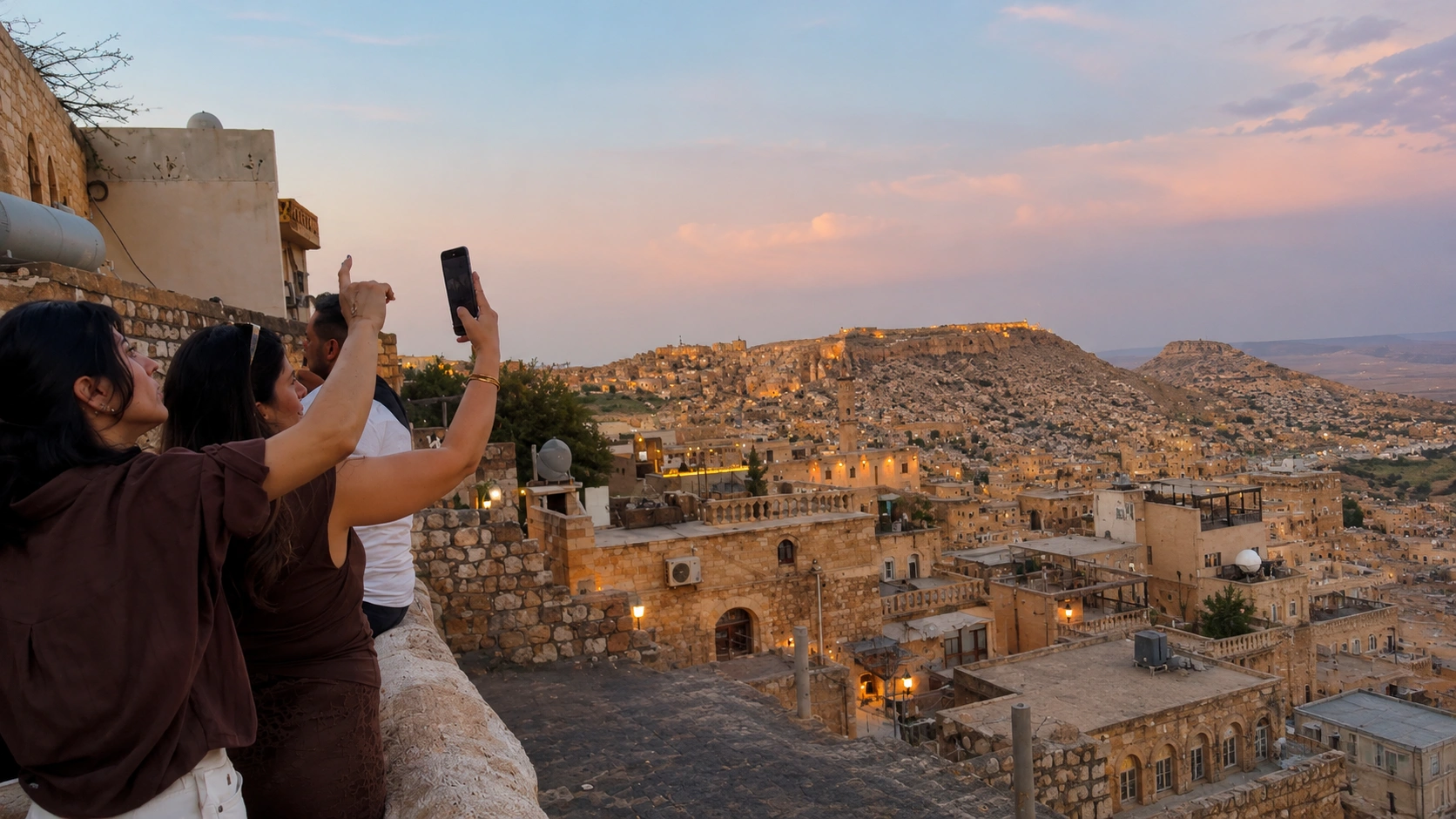
Province and old city are not the same thing. Old Mardin is the historic ridge in Artuklu. Midyat is about an hour by road. Dara sits roughly 30 km southeast near Oğuz village. Mor Gabriel is a further drive southeast of Midyat. Packing all of them into a single day forces rushed stops and long idle time in traffic.
- Old Mardin lanes, viewpoints, madrasas
- Ulu Camii and bazaar streets
- Deyrulzafaran (~4–5 km east)
- Dara Ancient City (~30 km SE)
- Midyat Old Town (~1 hour)
- Mor Gabriel with Midyat
- Savur only if you have a spare day
Old Mardin: stone houses and abbaras
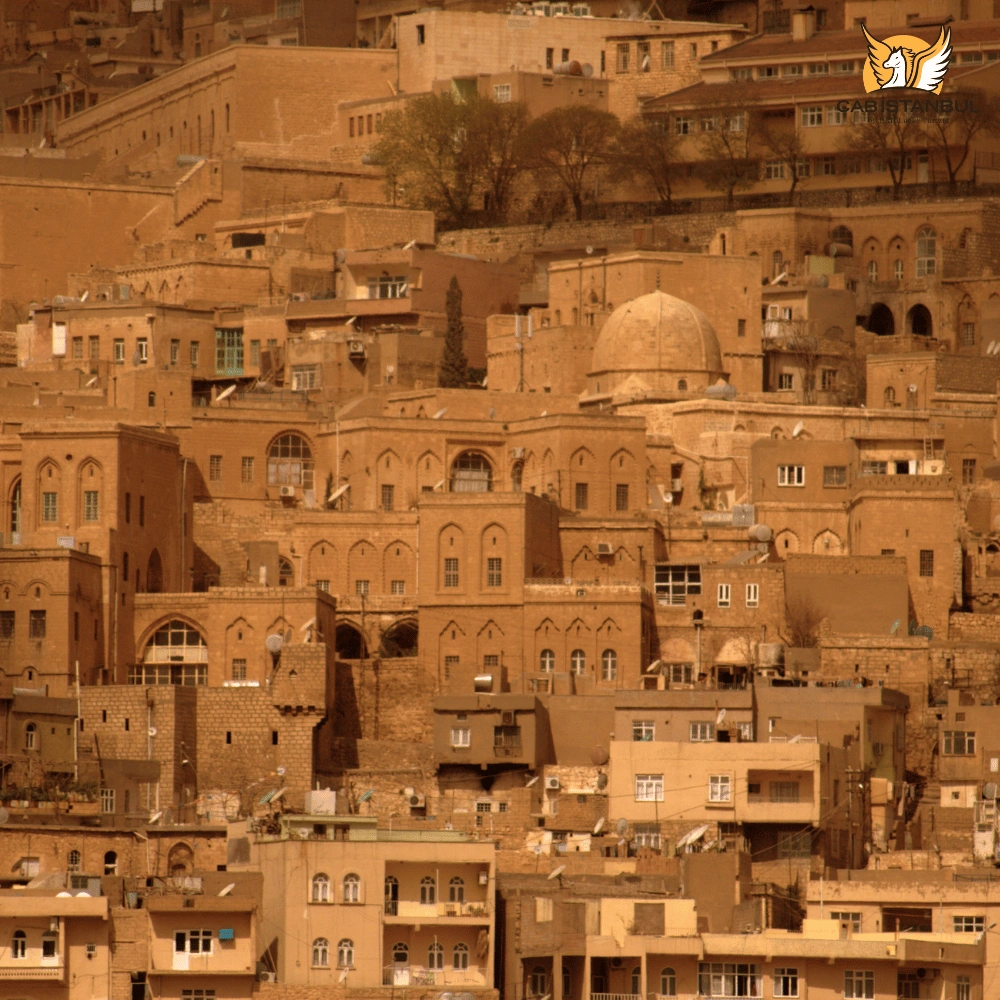
The historic core is a maze of stepped streets, covered passages (abbaras), and courtyards cut from local limestone. Houses are stacked so terraces keep sightlines over the plain — climate-smart thick stone that cools in summer and holds warmth in winter.
Take time to walk without rushing: the architecture is the main attraction. Domes, iron-latticed windows, carved portals and courtyard houses reward slow pacing more than checklist ticking. Many mansions now host cafés, small museums or boutique stays, but the street fabric itself remains the story.
Mardin Castle and the Artuqid madrasas
Mardin Castle
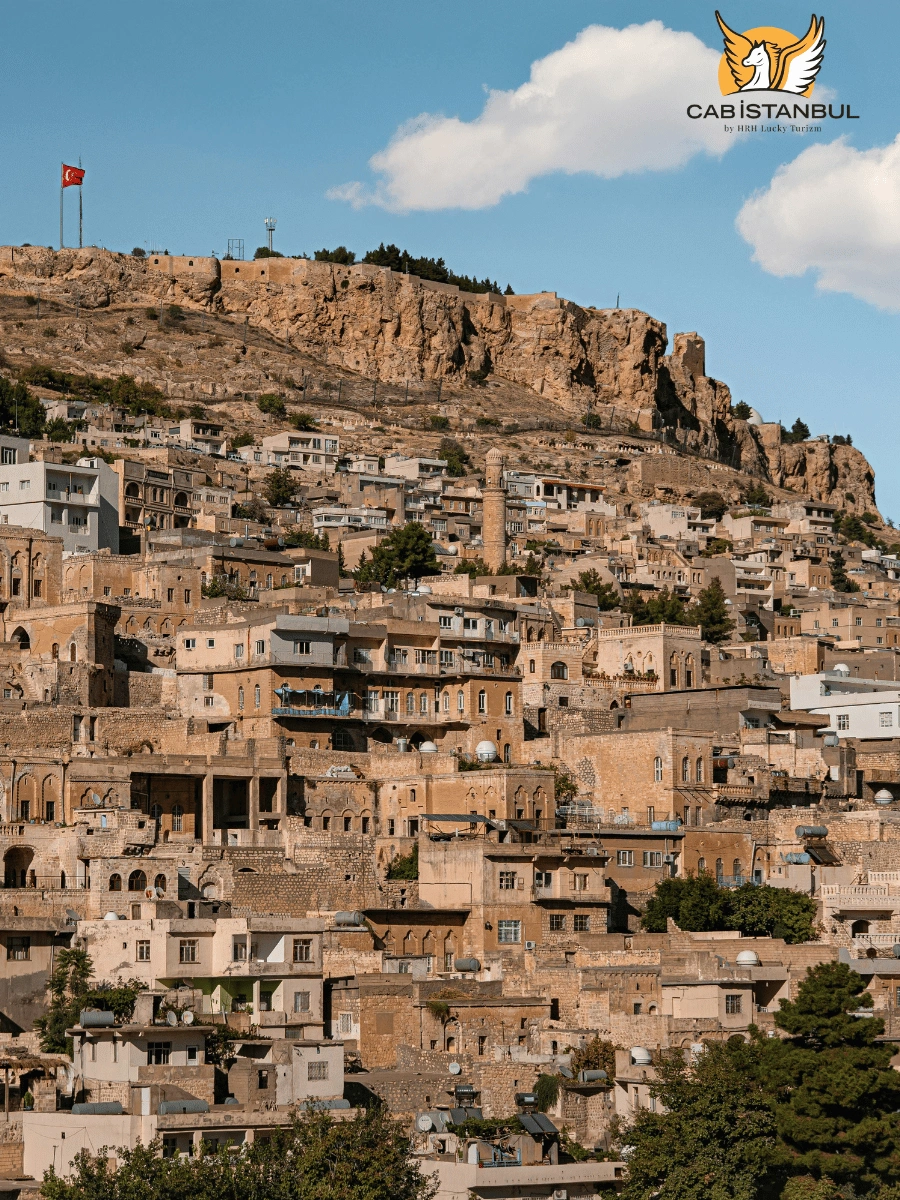
The castle ridge dominates the skyline and explains why the city held strategic value for centuries. Public access to the upper works is not always free-and-easy; check current local advice before promising yourself a full climb or unrestricted panoramic access.
Zinciriye Madrasa
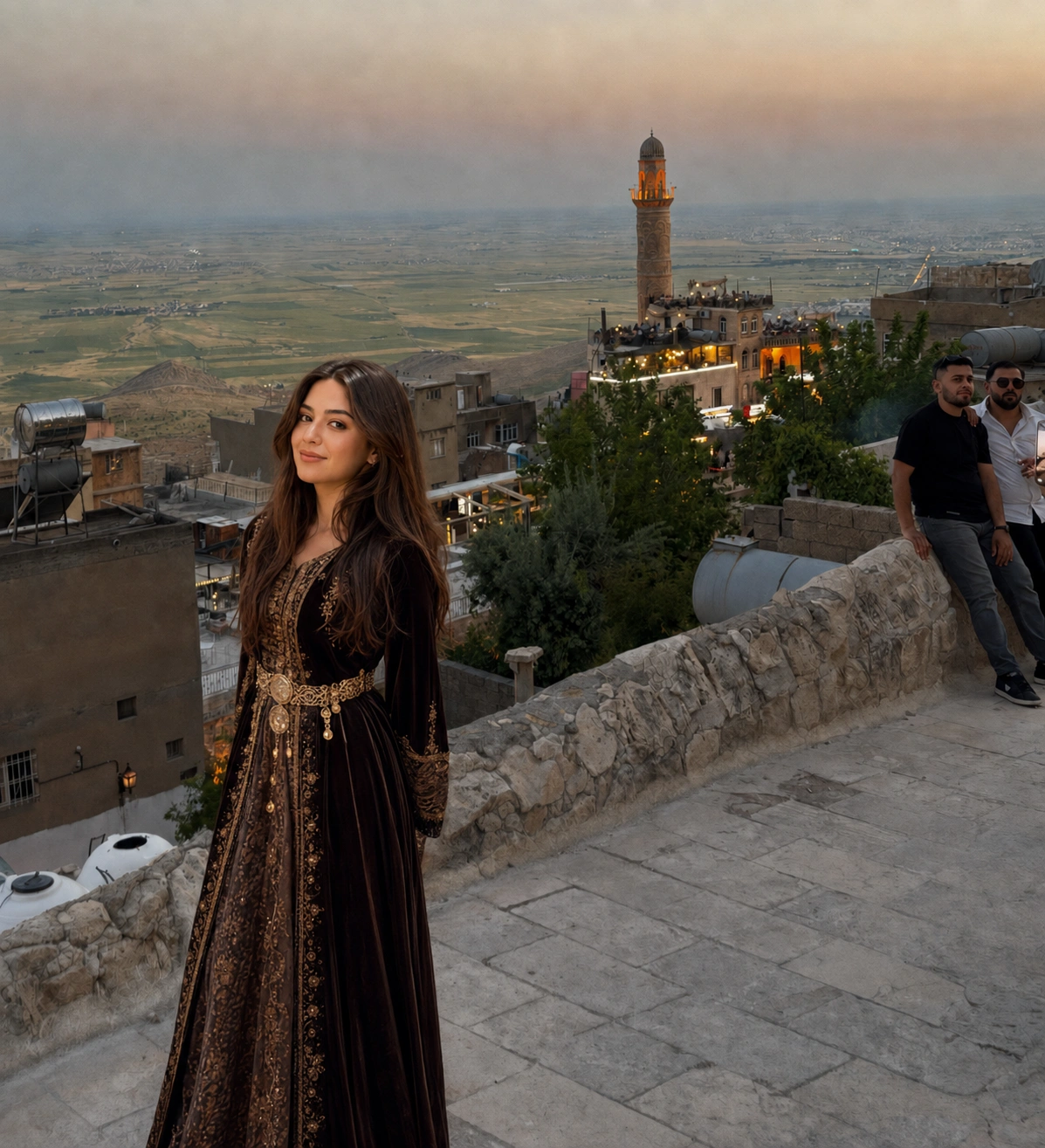
The late 14th-century Artuqid madrasa below the castle — often dated to 1385 — is one of Old Mardin’s signature stops: courtyards, carved portals, twin-dome silhouettes and terrace views that many visitors remember as clearly as any museum room. Sunset from the terrace is a favourite when the site is open.
Kasımiye Madrasa
A 15th-century complex with a celebrated courtyard and fountain. Exhibition use inside the complex can change (cultural displays have used the building in recent years); confirm what is open on the day you visit.
Mardin Ulu Camii and the old-city skyline
The Great Mosque (Ulu Camii) anchors the Islamic religious landscape of the old city. Its congregational role goes back to the Artuqid period; the cylindrical minaret is one of the most recognisable vertical accents in the stone skyline.
It is an active place of worship — dress modestly, avoid lingering photography at peak prayer times, and treat the courtyard as sacred space rather than a stage set.
Nearby bazaar streets and viewpoints connect mosque, madrasas and residential lanes into one continuous Old Town circuit. Provincial museum collections and city museums (including the Sakıp Sabancı Mardin City Museum when open) add archaeological depth after the outdoor walk — hours are freshness-sensitive.
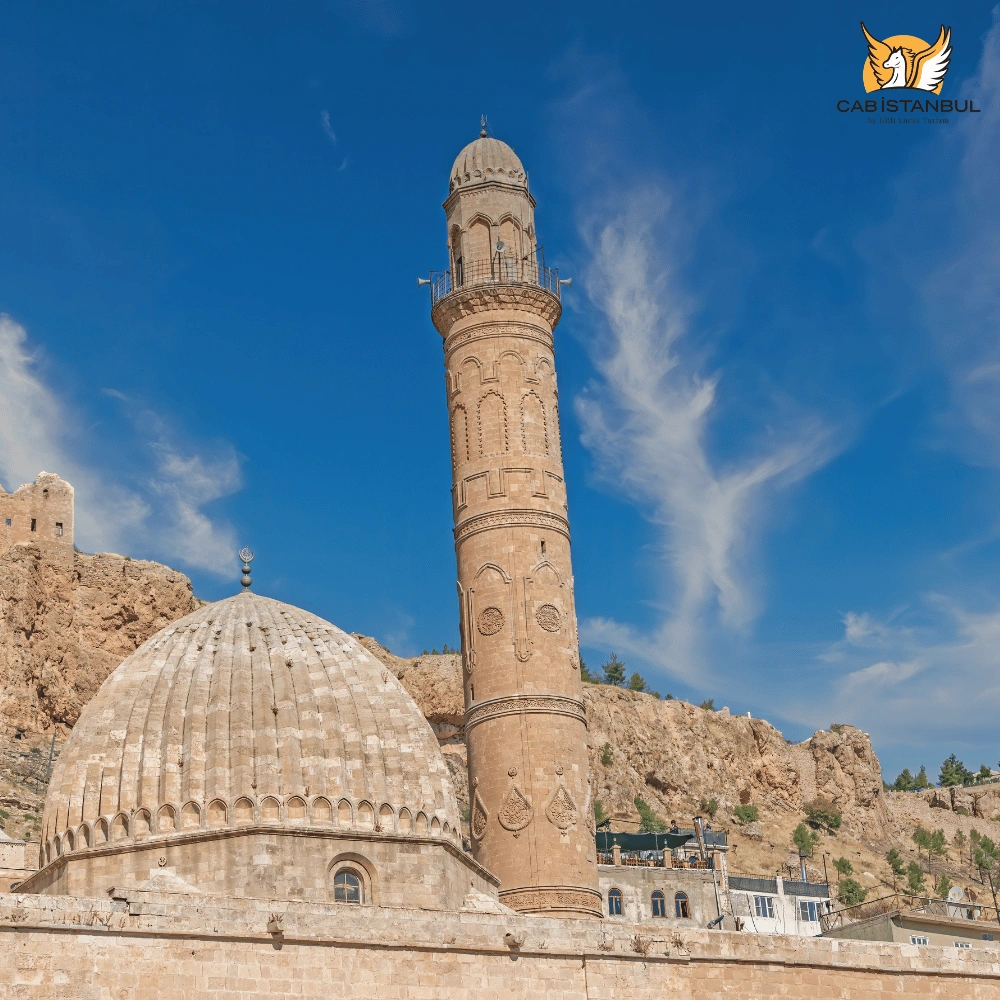
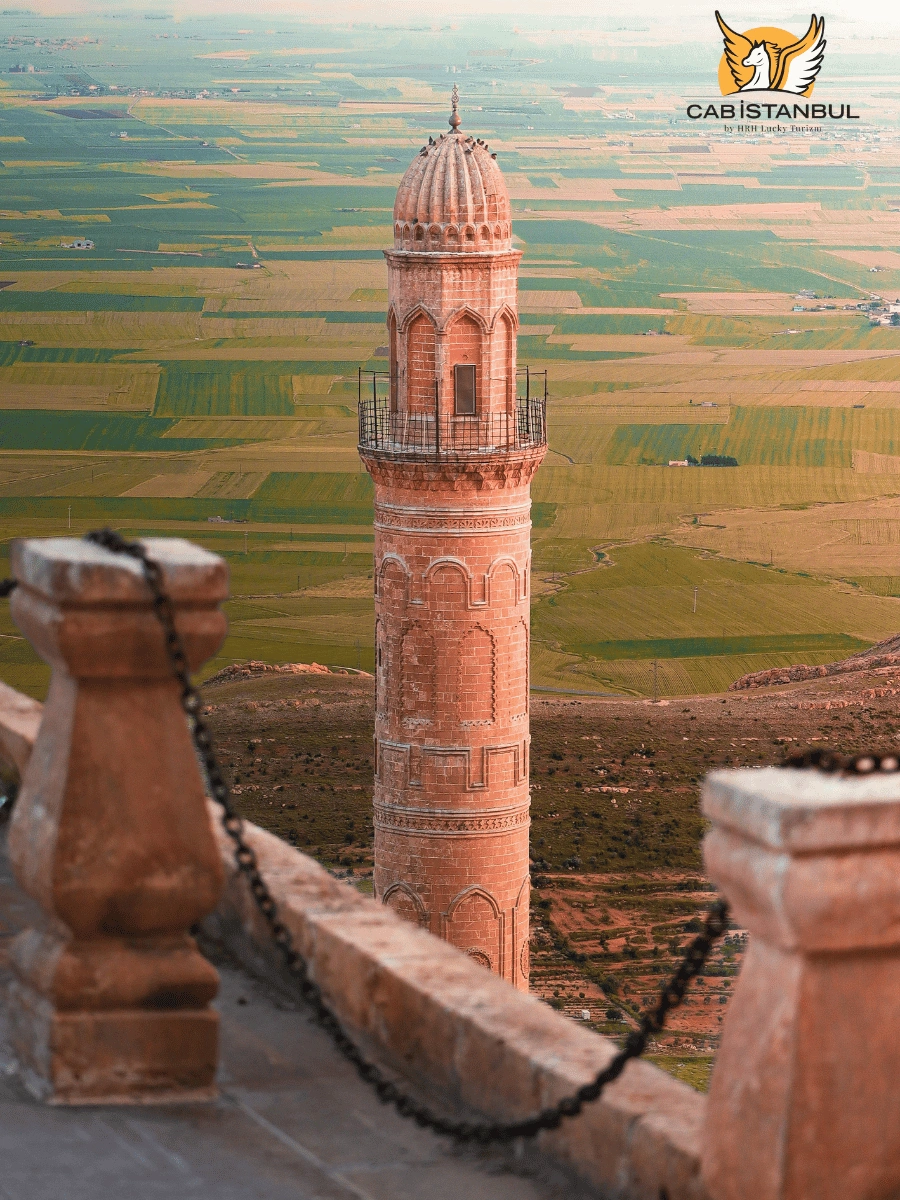
Craft and bazaar streets are best experienced as part of the same walk. Silverwork (telkari) associations are stronger in Midyat, but Old Mardin still rewards browsing for local textiles, soap and small stonework.
Languages and communities in the province include Turkish, Kurdish, Arabic and Syriac strands — a living, complex social fabric. Describe it carefully as diversity of heritage and neighbourhood life, not as tourism mythology of uninterrupted harmony.
Deyrulzafaran Monastery (Mor Hananyo)
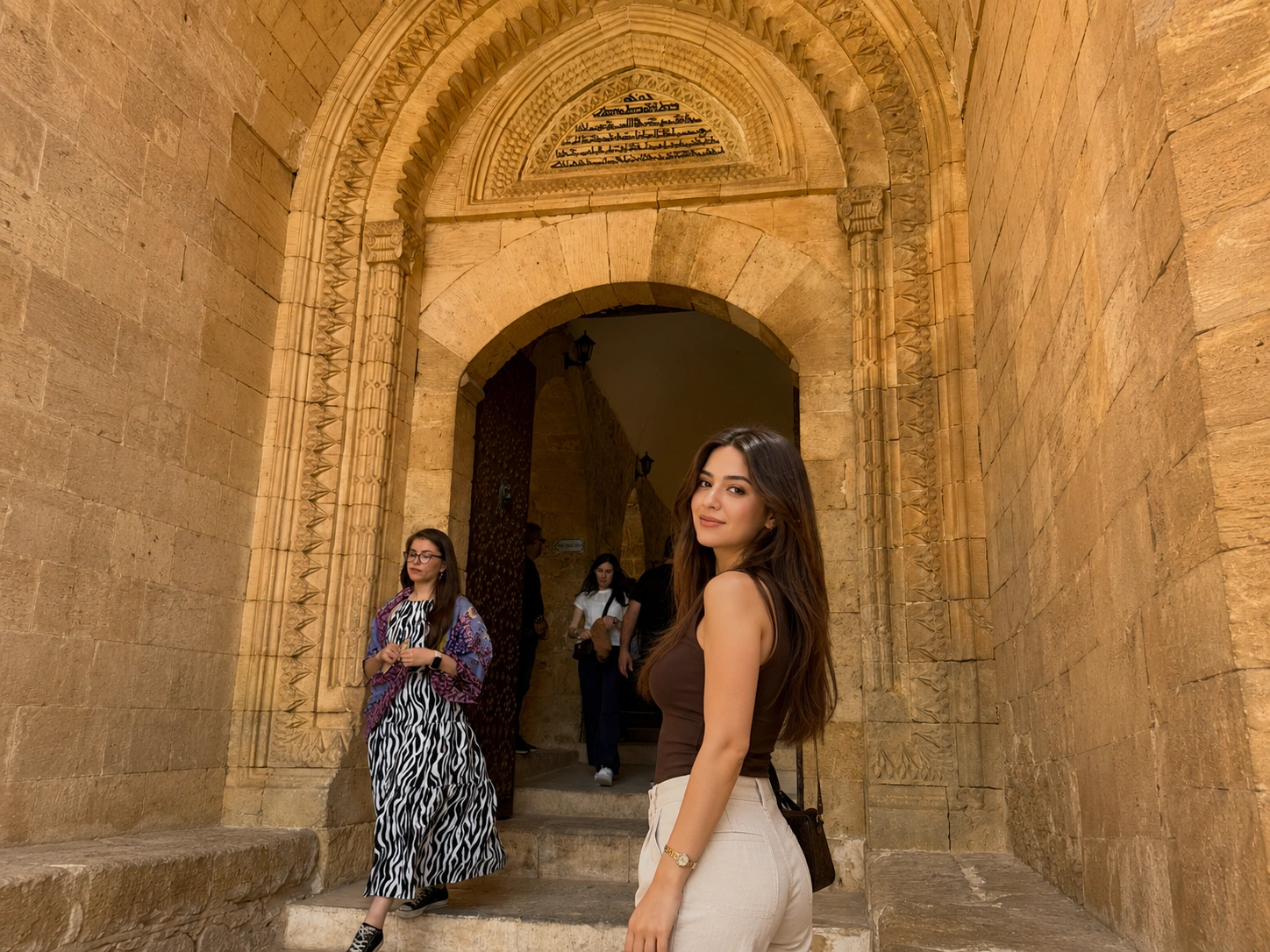
About four to five kilometres east of Old Mardin, Deyrulzafaran — also known as Mor Hananyo — is an active Syriac Orthodox monastery and the seat of the Metropolitan of Mardin. For centuries it served as a patriarchal residence before the patriarchate moved in the early twentieth century.
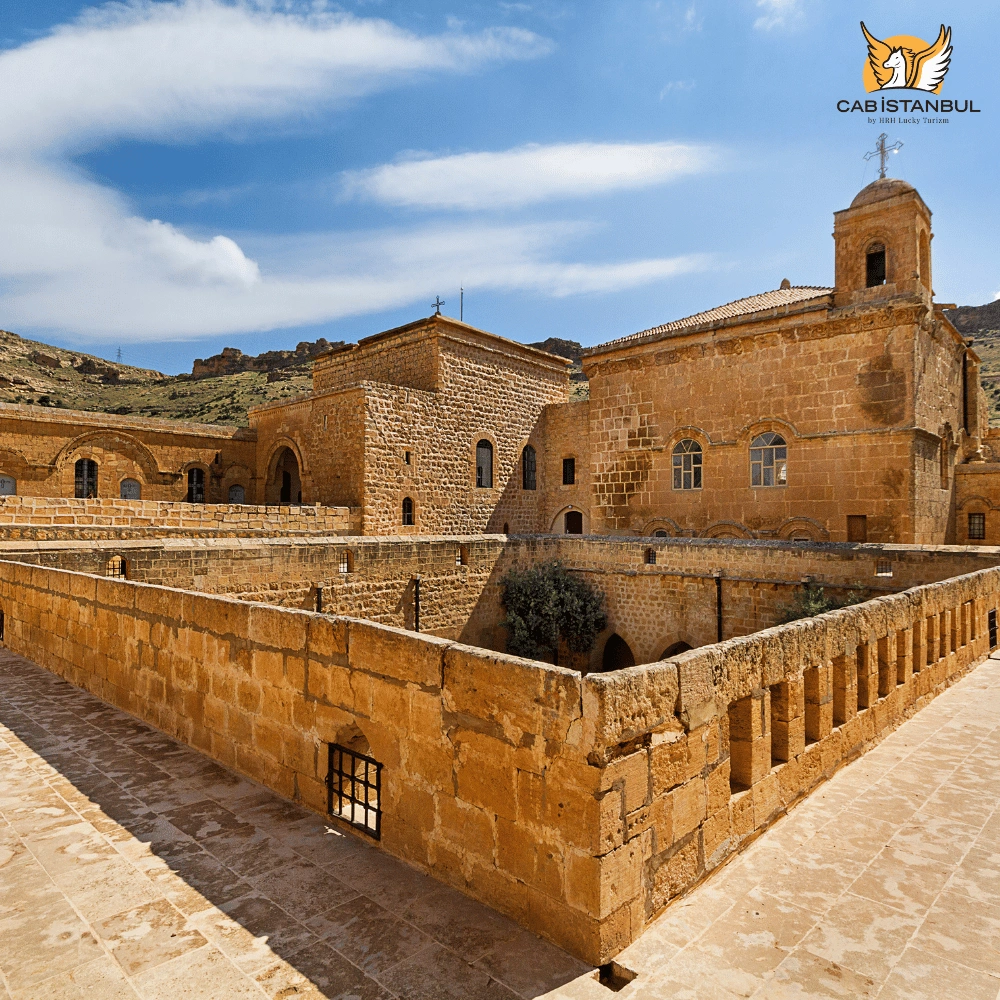
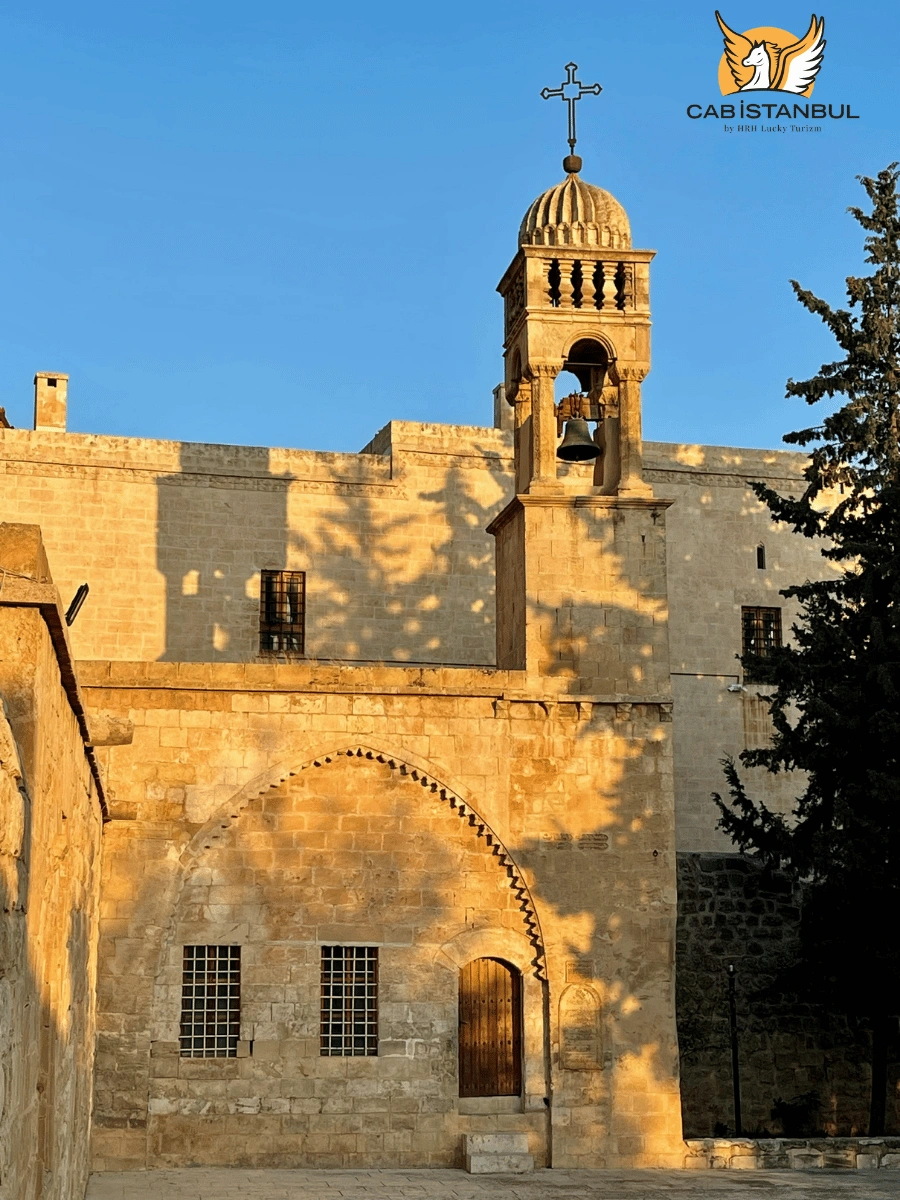
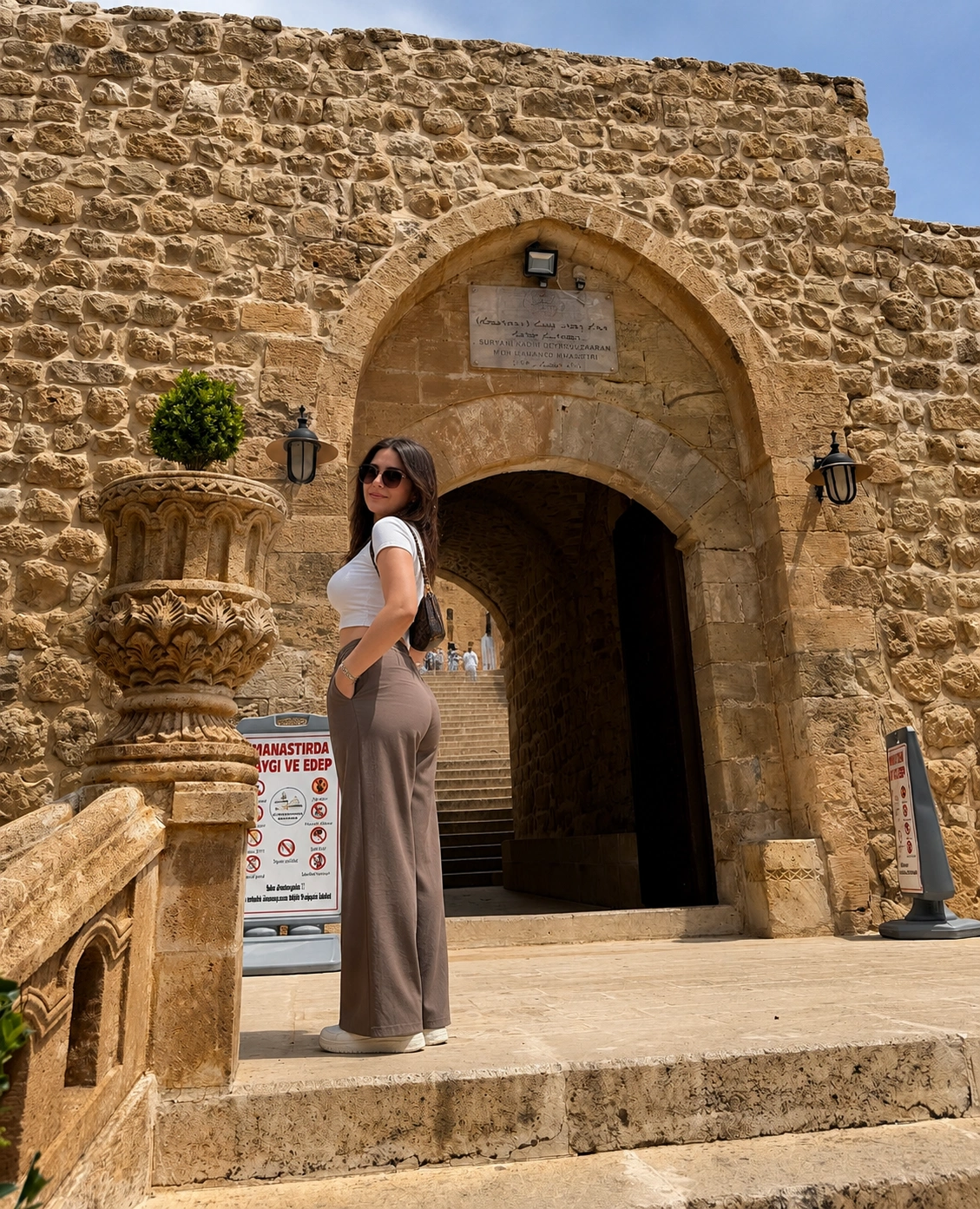
Visits are typically guided by monastery staff. MüzeKart is generally not accepted here. Exact fees and hours change — confirm on arrival or via official culture / monastery notices. Modest dress, quiet behaviour and photography rules set by guides apply.
Midyat and Mor Gabriel Monastery
Midyat deserves its own half day or full day. The old town’s mansions, churches and craft shops sit on the Tur Abdin plateau — historically one of the heartlands of Syriac Orthodox Christianity in southeastern Anatolia. Expect roughly an hour’s drive from Mardin centre, traffic depending.
Stone mansions, church towers and telkari (silver filigree) workshops give Midyat a different texture from Artuklu. Do not treat every village church as open to casual tourism — only visit sites with clear visitor access.
Mor Gabriel Monastery (Deyrulumur)
Southeast of Midyat (around 23 km by road), Mor Gabriel is among the oldest continuously significant Syriac Orthodox monasteries, with a traditional foundation date of 397 CE. It remains active. Official culture guidance typically lists morning and afternoon visiting windows with a midday pause, guided tours, and a paid entry — all freshness-sensitive. Religious holidays can close the site to visitors.
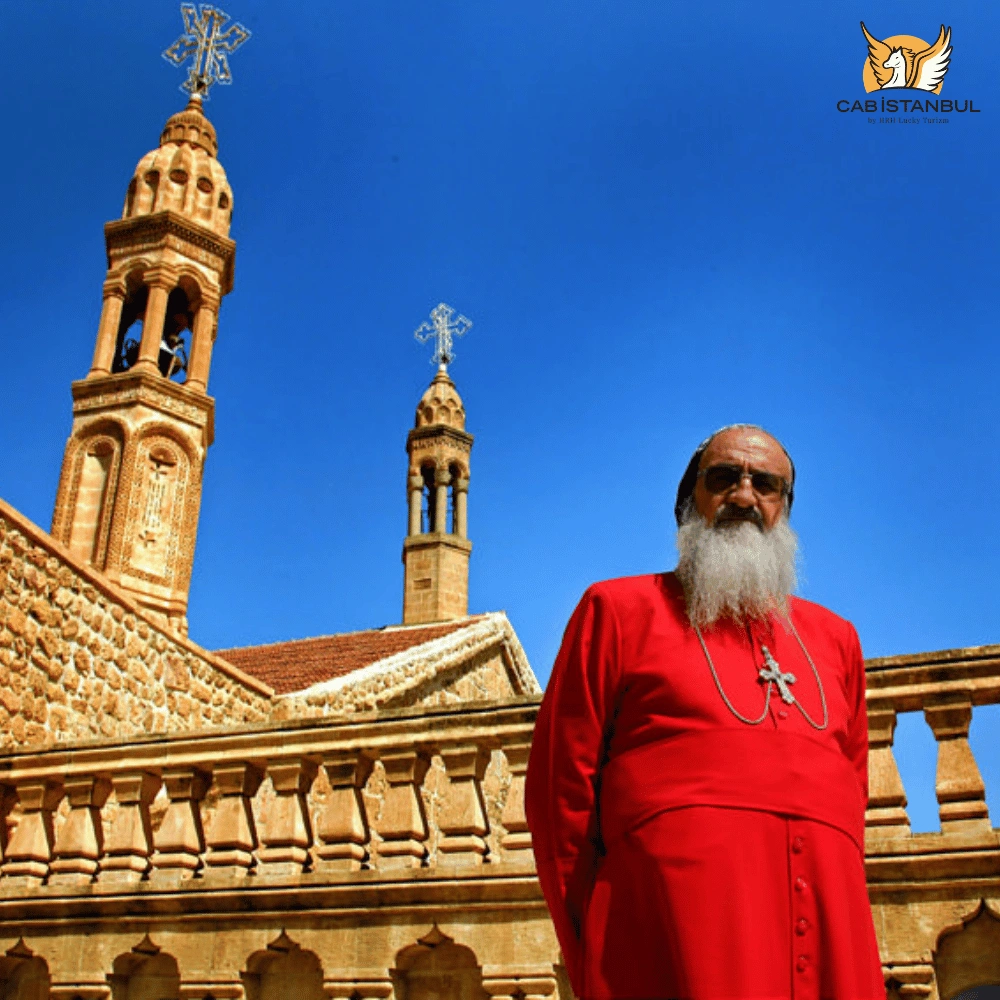
Combine Midyat Old Town and Mor Gabriel in one road day when you can; squeezing them after a full Old Mardin morning usually produces fatigue rather than insight.
Dara Ancient City
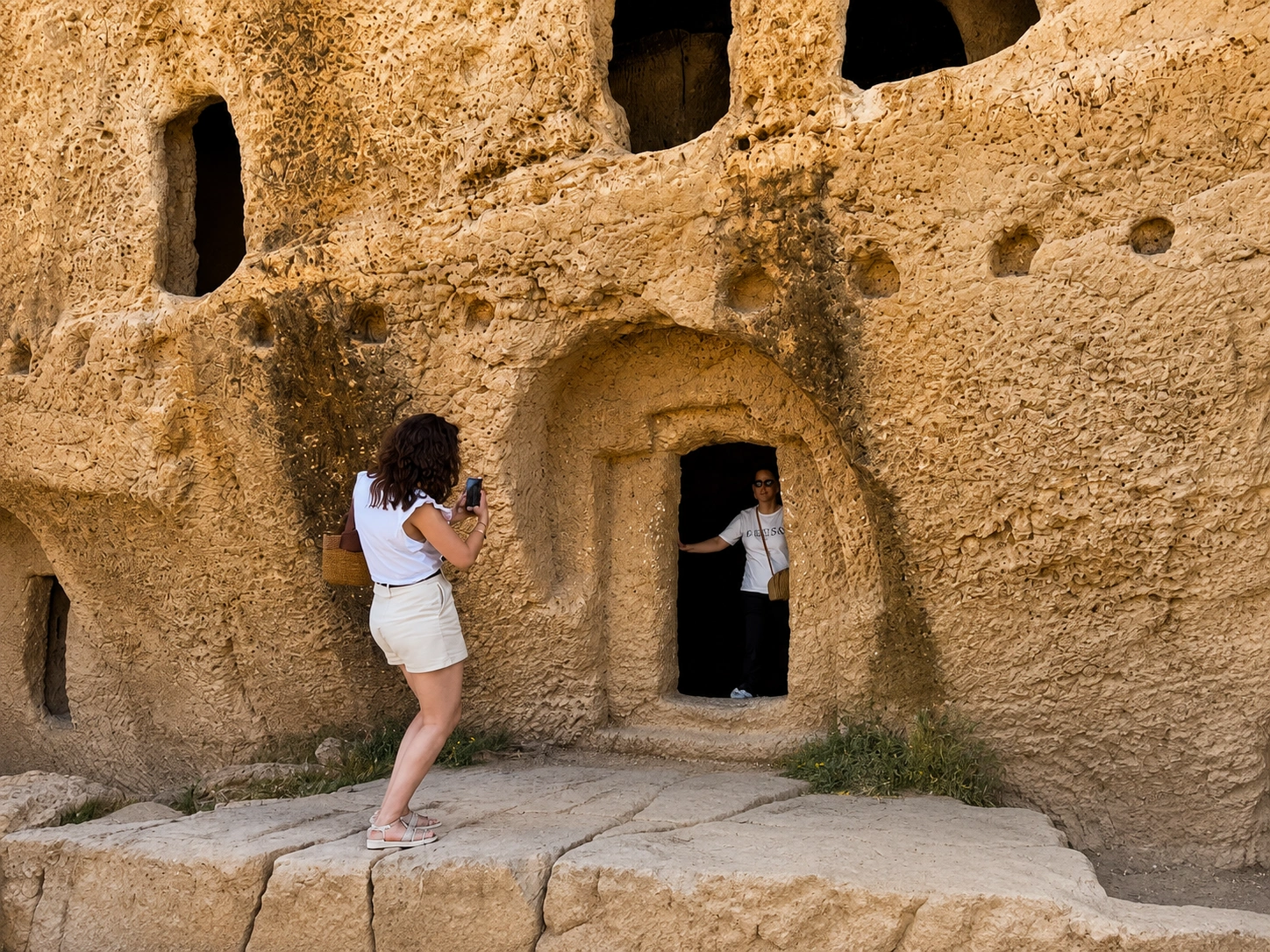
Dara was founded as an East Roman / Byzantine frontier fortress-city under Emperor Anastasius in the early sixth century (commonly dated around 505 CE) on the Sasanian frontier.
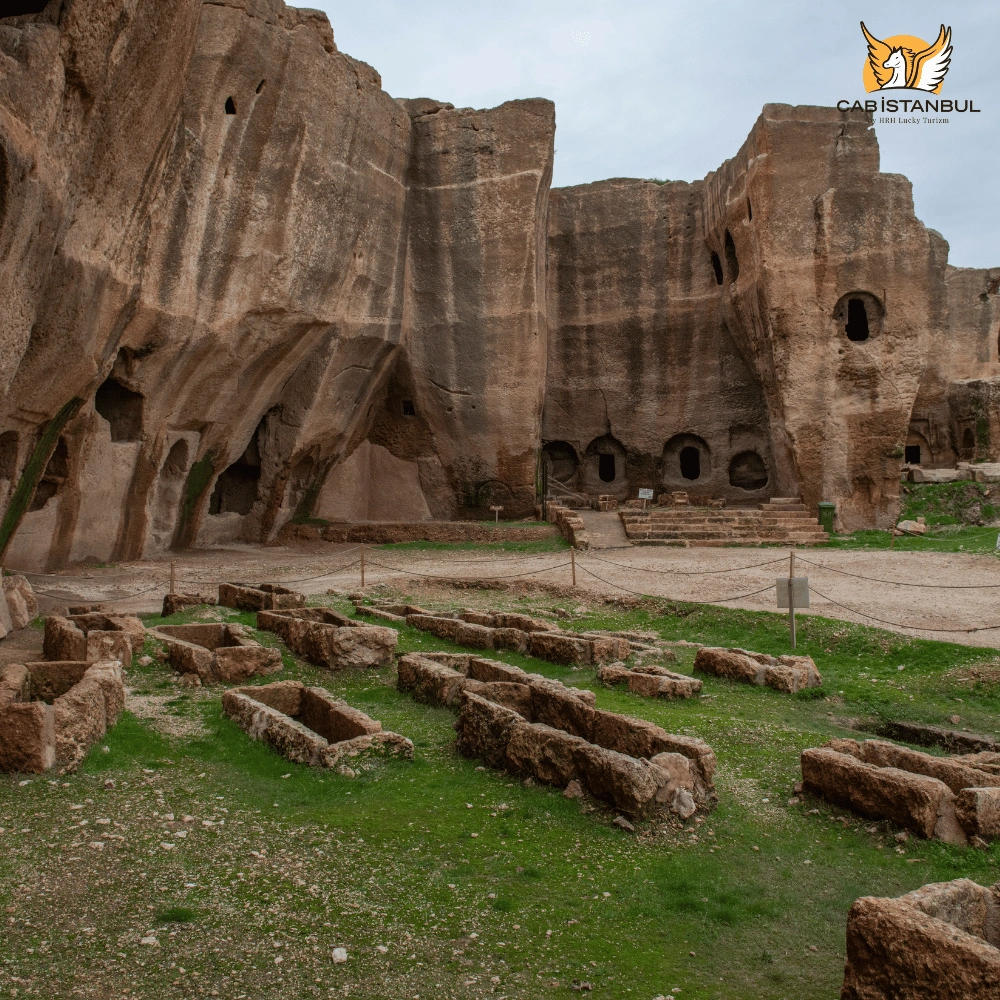
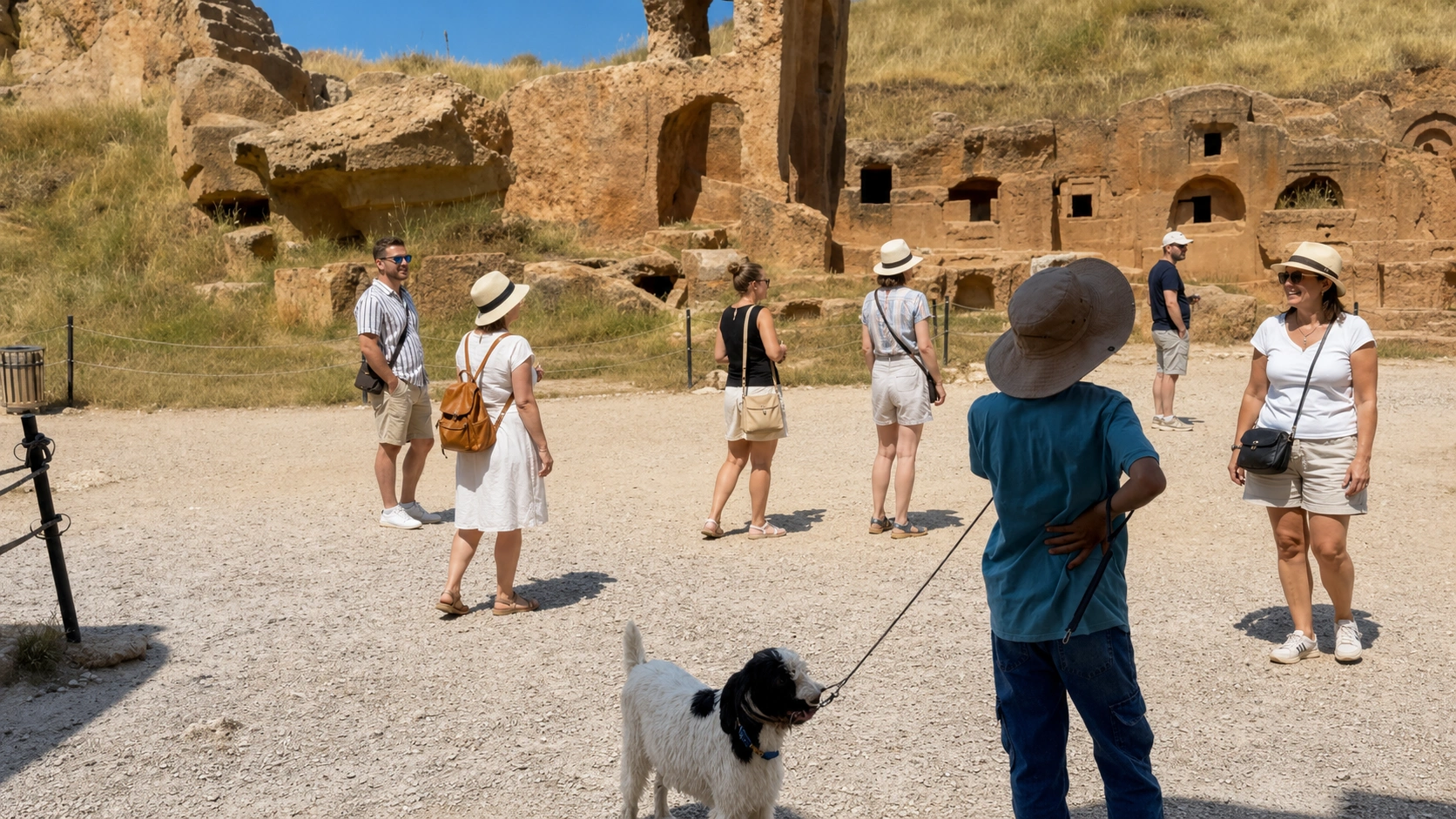
What visitors actually walk today is a spread-out archaeological landscape: rock-cut tombs of the necropolis, large cisterns, water-system remains, and fortification fragments woven through and beside the village. It is atmospheric, not a single walled “park” with one gate. Dramatic marketing nicknames circulating online are not historical labels — stick to what the ruins show.
Savur — optional quiet day
Savur is a smaller hill town sometimes nicknamed a “little Mardin” in travel copy. It is worth a quiet extra day if you already covered Old Mardin, Deyrulzafaran and either Midyat or Dara. It is not a substitute for Midyat’s craft and monastery circuit.
Districts such as Derik, Nusaybin or Kızıltepe appear in older tourism directories but do not automatically earn equal space on a first-visit attractions page; prioritise time where architecture, living heritage sites and archaeology are densest.
Video overview
If you are new to Mardin’s geography, a short video overview helps set expectations before you book taxis or a driver: the hillside old town, monastery approaches and the open landscapes toward Midyat and Dara look very different from Istanbul’s monument corridor.
For a longer southeast route that pairs Mardin with prehistoric or riverine sites further west, see our guides to Göbekli Tepe and Hasankeyf — useful context, not same-day add-ons from Old Mardin.
A short overview of Mardin’s historic skyline and surrounding landscapes — useful before you choose between an Old Town day and a Midyat or Dara road trip.
Suggested itineraries
- Morning–afternoon: Old Mardin walk
- Late day: Deyrulzafaran or a focused Dara visit
- Do not force Midyat into the same day
- Day 1: Old Mardin + Deyrulzafaran
- Day 2: Midyat + Mor Gabriel or Dara
- Day 3 (optional): Savur or slower museums/food
Spring and autumn are the most comfortable seasons for steep stone streets; summer heat on exposed limestone can be intense. Old Mardin walking assumes moderate fitness and limited step-free access.
Getting there and getting around
Mardin Airport (MQM) serves the province; transfers into the city are by taxi or pre-booked transfer. Once in Old Mardin, most highlights are on foot, with occasional short taxi hops between viewpoints.
For Midyat, Mor Gabriel and Dara, a private car, taxi day-hire or regional driver is the realistic option — public transport to monasteries is limited or absent. If you are stitching multi-stop days across southeastern Türkiye, an intercity car with driver keeps the geography honest without turning the day into a transit puzzle. Inside Istanbul itself, Cab Istanbul’s car with driver service is a different product for city days — useful only if your Mardin trip starts or ends there.
Food is part of the visit but need not dominate an attractions page: look for regional staples such as kaburga dolması, stuffed köfte-style dishes and Midyat-area culinary traditions, then return to the lanes and viewpoints that make Mardin distinctive.
Frequently asked questions
Is Mardin worth visiting?
Yes, if you care about architecture, layered religious heritage and landscapes rather than a single “must-see” monument. The stone-house old town alone justifies a night; Midyat and Dara deepen the trip when you have a second day.
How many days do you need in Mardin?
One full day covers Old Mardin plus either Deyrulzafaran or a focused Dara visit. Two days are better if you want Midyat and Mor Gabriel without rushing. A third day suits Savur or a slower museum and food pace.
What are the best things to do in Mardin?
Walk Old Mardin’s abbaras and viewpoints; visit Zinciriye and Kasımiye madrasas; see Deyrulzafaran as an active monastery; and, on a separate road day, Midyat Old Town with Mor Gabriel or the ruins at Dara.
Is Midyat worth visiting from Mardin?
Yes for most visitors with a second day. Midyat’s mansions, craft identity and Mor Gabriel monastery are a different experience from Artuklu — plan about an hour each way by road plus time on site.
How far is Dara Ancient City from Mardin?
About 30 km southeast near Oğuz village — typically a half-day excursion rather than a walk from the old town. Expect a diffuse site of cisterns, rock-cut tombs and fortification remains.
Can you visit Deyrulzafaran Monastery?
Yes when visiting hours allow. Tours are usually guided; dress modestly; expect a possible midday prayer pause; and confirm current fees (MüzeKart is generally not valid). It remains an active religious community.
What is special about Mardin’s stone houses?
Local limestone, stepped terraces and abbaras create a continuous architectural fabric rather than isolated monuments. The skyline over the plain is the city’s signature — best enjoyed on foot at a slow pace.
Is Mardin walkable?
Old Mardin is walkable but steep, with uneven stone and many steps. Wheelchair access is limited in the historic core. Midyat, Dara and Mor Gabriel need a car or taxi day.
What is the best time to visit Mardin?
Spring and autumn are most comfortable for hillside walking. Summers can be very hot on exposed stone; winters are quieter but can feel cold and grey for outdoor sightseeing.
Do you need a car for Midyat and Dara?
Practically yes — taxi day-hire, rental or a regional driver. Public options to monasteries are limited. Old Mardin itself is mainly on foot once you are in the historic core.