
Perched on a barren hill in southeastern Turkey, Gobekli Tepe is a groundbreaking archaeological discovery that has rewritten the story of human civilization. Dating to around 9600 BCE near Sanliurfa, it predates both the Egyptian pyramids and Stonehenge, earning recognition as the oldest known temple on Earth.
Overview
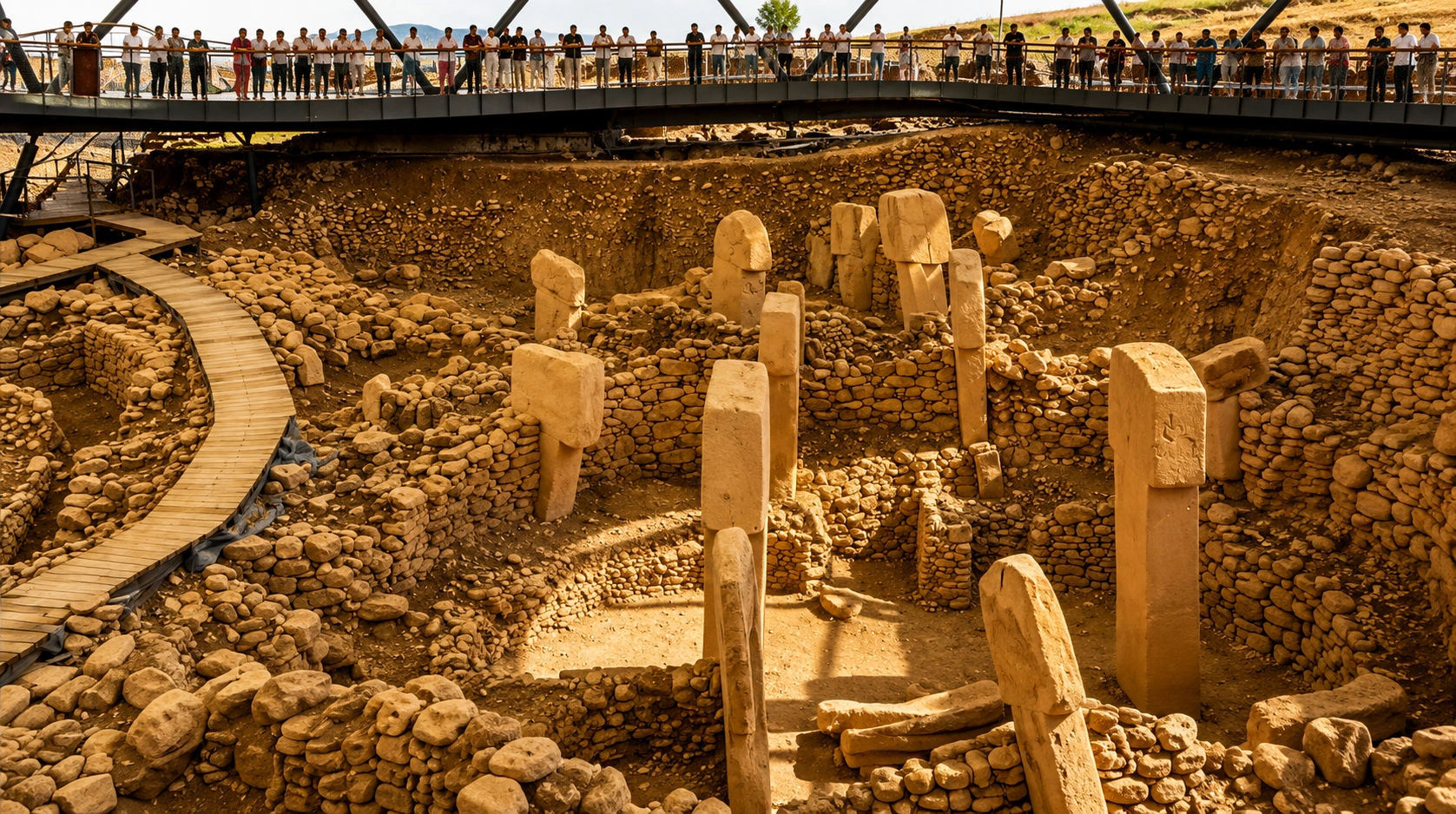
Massive T-shaped pillars arranged in circular formations define the site, which researchers believe served as a center for communal rituals, spiritual gatherings, and early symbolic expression. From its elevated position, visitors take in sweeping views of the Germuş Mountains and the plains of Upper Mesopotamia.
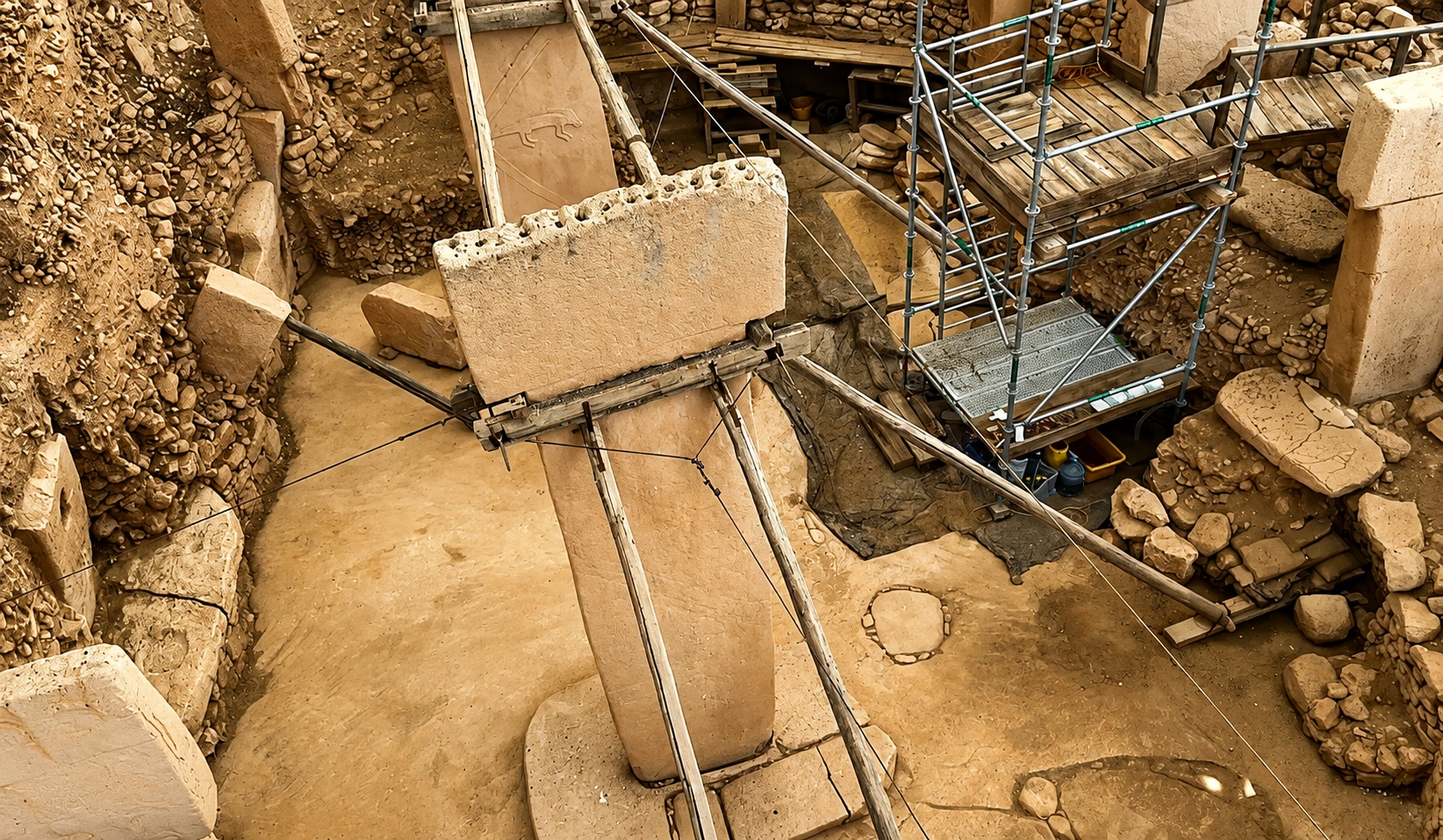
Designated a UNESCO World Heritage Site in 2018, the hilltop sanctuary stands as a powerful testament to humanity's early leap toward organized belief systems. Travelers who enjoy tracing sacred architecture through the ages can later compare it with the Byzantine atmosphere of the Hagia Irene Museum in Istanbul.
Construction and Commission
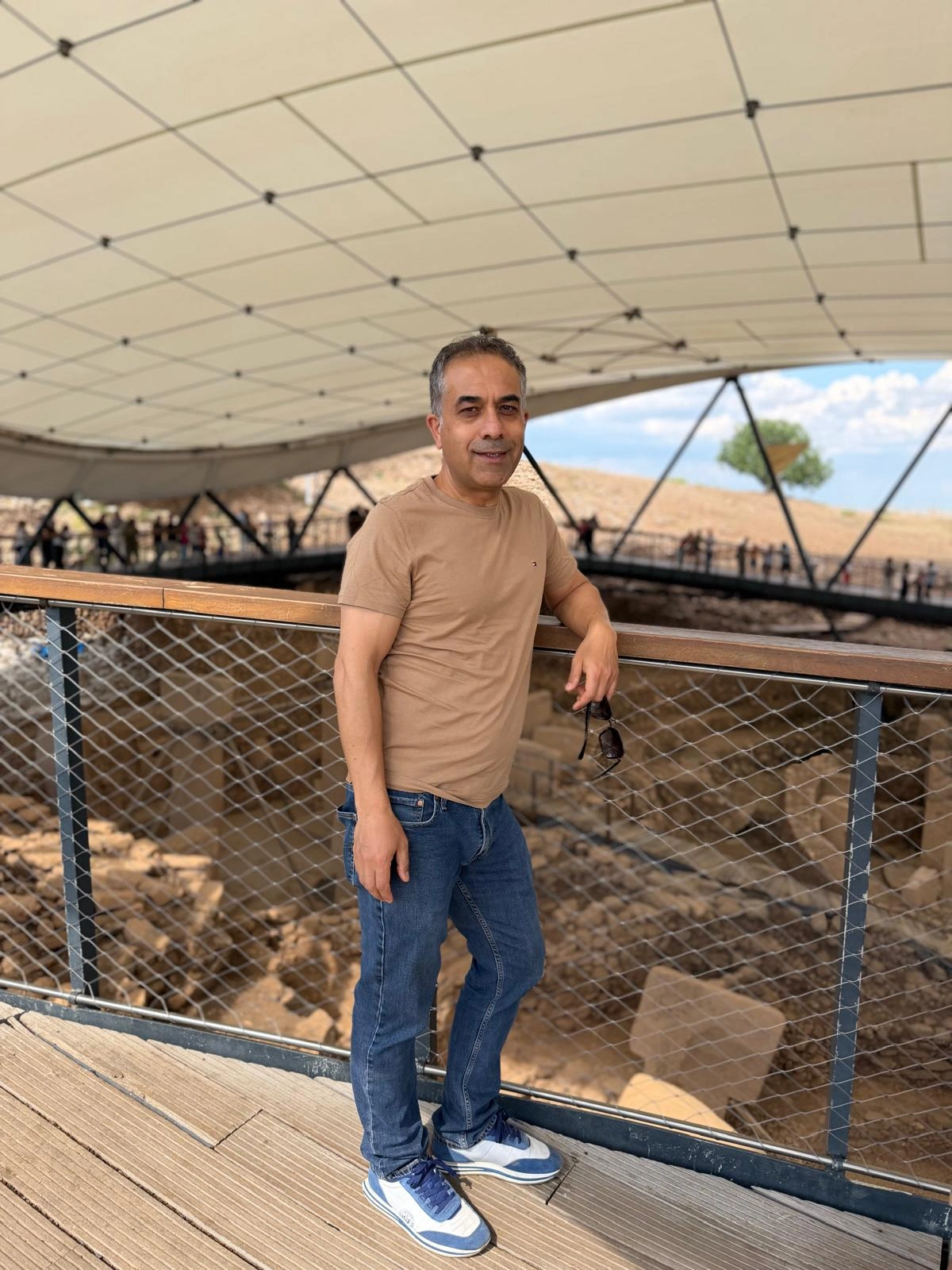
Hunter-gatherer societies raised the complex between 9600 and 7000 BCE, arranging massive T-shaped limestone pillars in circular enclosures. They worked without metal tools, wheels, or domesticated animals, yet the craftsmanship they achieved remains extraordinary.
Engineering Without Metal
Elaborate carvings of animals, humanoid figures, and abstract symbols adorn the pillars, hinting at a deeply spiritual culture. Excavations led by Klaus Schmidt in the 1990s uncovered only a small portion of the site, revealing its immense scale and significance.
Unlike later settlements, Gobekli Tepe shows no evidence of everyday life—no homes, hearths, or farming tools—suggesting it served exclusively religious or ceremonial functions. The find overturned the assumption that religion followed agriculture; belief systems may instead have preceded farming and helped unify early communities. For another feat of ancient engineering, Istanbul's Basilica Cistern offers a striking later comparison.
Visiting and Practical Information
Planning a visit to Gobekli Tepe means stepping into one of the most extraordinary archaeological sites on Earth. Set in southeastern Turkey just 12 km from Sanliurfa (also known as Urfa), the sanctuary is older than Stonehenge and the Egyptian pyramids.
The site is easily reached from Sanliurfa GAP Airport, and the drive from the city center takes approximately 25 minutes, making it an ideal half-day excursion. Travelers who value comfort can arrange a Car With Driver to explore the region at their own pace.
Practical information
Visits begin at the modern Gobekli Tepe Visitor Center, where detailed exhibits and multilingual information panels set the scene. Elevated walkways then offer panoramic views of the excavated pillars, some carved with lizards, foxes, and abstract Neolithic symbols.
History and Origins
The story of Gobekli Tepe begins more than 11,000 years ago in the Pre-Pottery Neolithic era, making it the oldest monumental temple complex ever discovered. Set near the ancient city of Sanliurfa, it challenges long-held assumptions about the timeline of human civilization, and today it draws researchers, spiritual seekers, and history lovers from around the globe. Those building a wider Turkish itinerary might also admire the opulent Beylerbeyi Palace on Istanbul's Asian shore.
Hunter-gatherer communities start raising the first circular enclosures of T-shaped limestone pillars.
The construction phase closes, and the site is eventually buried deliberately, preserving it for millennia.
Excavations led by Klaus Schmidt uncover a small portion of the site and reveal its immense scale and significance.
Gobekli Tepe is designated a UNESCO World Heritage Site, confirming its place in world history.
Symbolic Animal Carvings
Detailed carvings of foxes, boars, snakes, scorpions, and birds decorate many of the pillars, ranking among the earliest examples of symbolic art in human history. The celebrated "lizard carving" reflects both artistic skill and possibly shamanistic beliefs. In Istanbul, the Blue Mosque presents a very different sacred-art tradition through its intricate Iznik tiles.
Exploring Göbekli Tepe
Exploring Gobekli Tepe offers more than a glimpse of ancient stones—it is an immersive encounter with the origins of human belief systems. Though only a small portion has been excavated, what is visible already reveals the spiritual and artistic genius of Neolithic communities.
A Discovery That Rewrote History
Few finds have reshaped archaeology so profoundly: a sanctuary built around 9600 BCE, long before pottery, farming, or cities, proves that monumental architecture came first. For travelers flying in from Istanbul, an Airport Transfer makes the start of the journey effortless before connecting onward to Sanliurfa.
Just 12 km from Urfa
Located just 12 km from Urfa, a city steeped in Abrahamic mythology, Gobekli Tepe has become a magnet for archaeologists, historians, and cultural tourists alike. Its 2018 UNESCO World Heritage designation underlines its testimony to humanity's early leap toward organized belief systems.
The Enclosures
The enclosures—labelled Enclosure A, B, C, D, and so on—each display a different layout, orientation, and iconography. Some pillars carry stylized human arms carved along their sides, suggesting the stones themselves were symbolic beings, and together they are considered the earliest known temple structures ever built.
The T-Shaped Limestone Pillars
The most striking features are the T-shaped limestone pillars, some towering over 5 meters tall and weighing up to 10 tons. Carved over 11,000 years ago, they are believed to represent ancestral spirits or deities, with two central pillars dominating each enclosure as possible focal points for rituals or gatherings.
Built by Hunter-Gatherers
What sets Gobekli Tepe apart is its builders—hunter-gatherers who achieved extraordinary architectural feats without wheels or metal tools. Intricate carvings of lizards, foxes, snakes, and human-like forms reflect a sophisticated symbolic worldview, while the enigmatic handbag motifs, the deliberate burial of the site, and the absence of domestic structures fuel theories of ritualistic rather than residential use.
Why Göbekli Tepe Belongs on Your Itinerary
Whether you are passionate about ancient ruins, fascinated by the mysteries of early religion, or simply captivated by humankind's journey, Gobekli Tepe is an essential destination. Spring or fall offers the best weather, and the Sanliurfa Archaeological Museum provides an immersive complement to the site itself.
Additional Context
Often called the world's first temple, Gobekli Tepe holds no altars, statues, or inscriptions—yet everything about it suggests sacred intent. The absence of domestic structures supports the theory that it was not a settlement but a destination where groups may have gathered seasonally for communal rites or shamanic rituals.
Yet the scale, complexity, and energy invested in these enclosures signal a culture focused on the spiritual and the unseen. In essence, this temple on a hill is a silent sermon from the distant past, whispering that human identity has always been shaped as much by belief as by survival.
Near the site, archaeologists have unearthed stone tools, figurines, and animal bones, many now displayed at the Sanliurfa Archaeological Museum. These finds complete the story, offering clues about ritual practices, feasting, and the symbolic lives of the people who built Gobekli Tepe.
Among the most debated symbols is the so-called handbag motif, found on several pillars and echoed in ancient Mesopotamian sites; its exact meaning remains unclear, though many believe it carried ritual or cosmological significance. Some scholars argue the mysteries point to an early form of organized religion predating the temples of Mesopotamia and Egypt—an invitation to dig deeper, both literally and intellectually.
What is Gobekli Tepe?
Gobekli Tepe is a Neolithic archaeological site in southeastern Turkey dating to around 9600 BCE. It is regarded as the oldest known temple complex, predating both Stonehenge and the Egyptian pyramids.
How old is Gobekli Tepe and why is it significant?
The complex was built between 9600 and 7000 BCE, making it over 11,000 years old. Its monumental architecture, raised by hunter-gatherers, challenges the idea that organized religion emerged only after agriculture.
What are the T-shaped pillars and what do they represent?
The T-shaped limestone pillars, some over 5 meters tall and weighing up to 10 tons, stand in circular enclosures and are believed to represent ancestral spirits or deities, decorated with carvings of animals and abstract symbols.
Can I visit Gobekli Tepe easily?
Yes. The site lies about 12 km from Sanliurfa, roughly a 25-minute drive from the city center, and a modern visitor center with exhibits and elevated walkways makes exploring straightforward.
Explore Turkey's ancient wonders in comfort
From Istanbul to Sanliurfa, travel at your own pace with a private chauffeur-driven car.