
Cappadocia · Avanos · Göreme–Avanos road
Paşabağ—also called Monks Valley or Priest Valley, and formerly the Valley of the Priests—is the short, photogenic stop of multi-headed fairy chimneys on the road between Göreme and Avanos. It belongs to the official Zelve–Paşabağlar Archaeological Site: volcanic cones hollowed into chapels and hermit cells, including a famous three-headed chimney with a chapel and cell dedicated to St Simeon. Use this English 2026 guide for geology, monastic context, the combined Zelve visit, and practical desk notes. Cab Istanbul is intercity car with driver transport only—not tickets, chimney-hotel packages or licensed guiding.
Hours and foreigner tariffs change. Confirm on muze.gov.tr and the Ministry DOSİM list; this page does not republish the old “280 TL / closes at 17:00” copy.
At a glance
Paşabağ visit snapshot
| Item | Detail | Practical Note |
|---|---|---|
| Official name | Zelve–Paşabağlar Archaeological Site | Paşabağ + Zelve share visitor planning |
| Also known as | Monks Valley / Priest Valley / Rahipler Vadisi | Same place—marketing aliases |
| Best for | Multi-capped fairy chimneys & short hermitage walk | Often 20–45 minutes on site |
| From Göreme / Avanos | ~10–15 min drive corridor | Signposted off Göreme–Avanos road |
| Ticket logic | Combined with Zelve for foreigner desk tariff | MüzeKart rules for eligible TR citizens |
| Pair with | Zelve Open Air Museum | Same half-day northern loop |
Valley atmosphere—follow barriers and current path closures on site.
Landscape
Multi-headed fairy chimneys
Most Cappadocian fairy chimneys wear a single hard capstone. At Paşabağ, erosion and geology produce the valley’s signature look: multi-bodied, multi-headed “mushroom” cones that visitors photograph from the entrance path. Soft tuff made it possible for hermits to carve chapels and living niches into those pillars—nature first, then monastic adaptation.
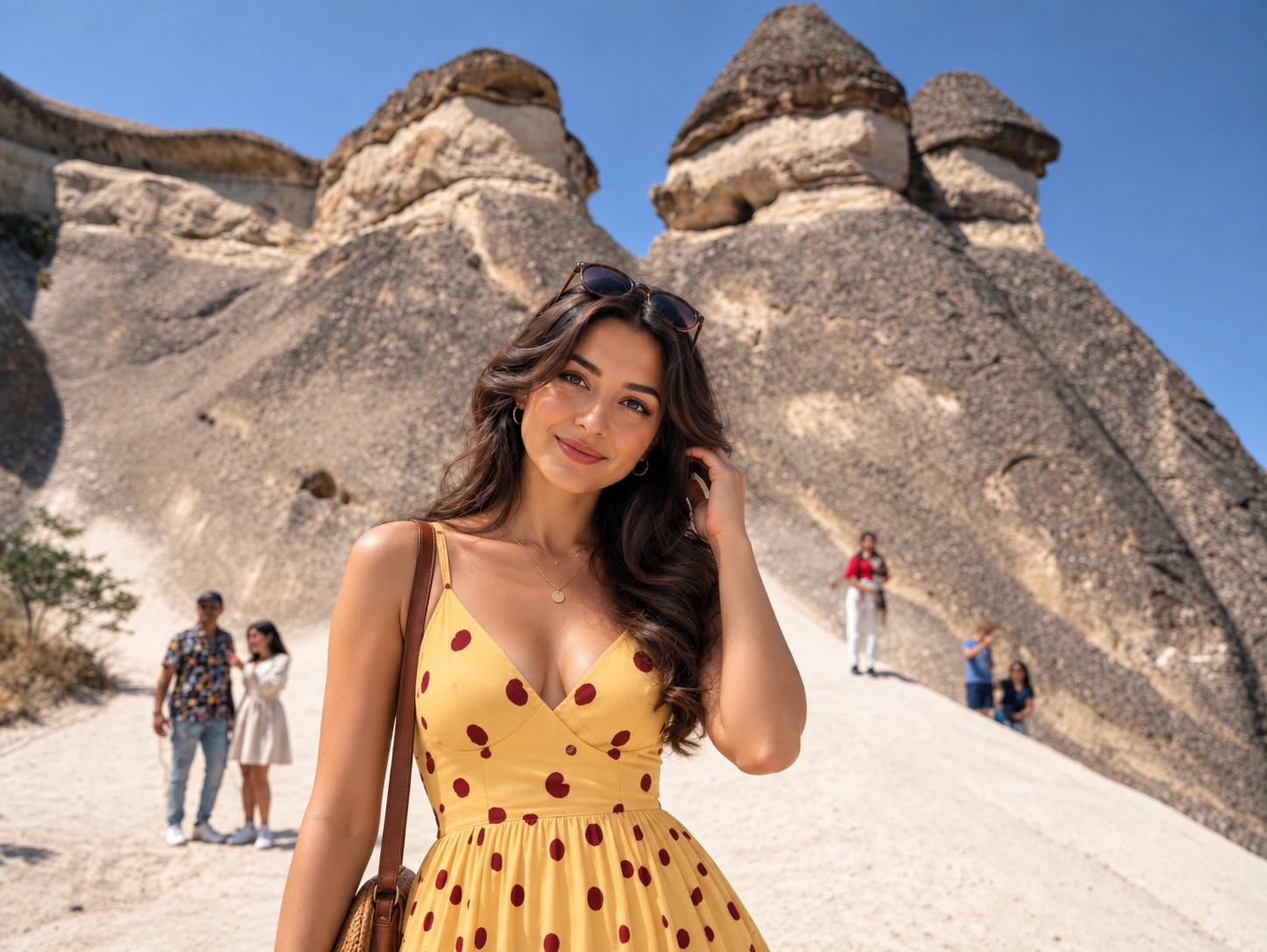
Treat “highest concentration in Cappadocia” marketing as soft visitor language. What is solid: official texts highlight these distinctive multi-headed formations and the carved chapels inside them.
Names & faith
Why Monks Valley / Priest Valley?
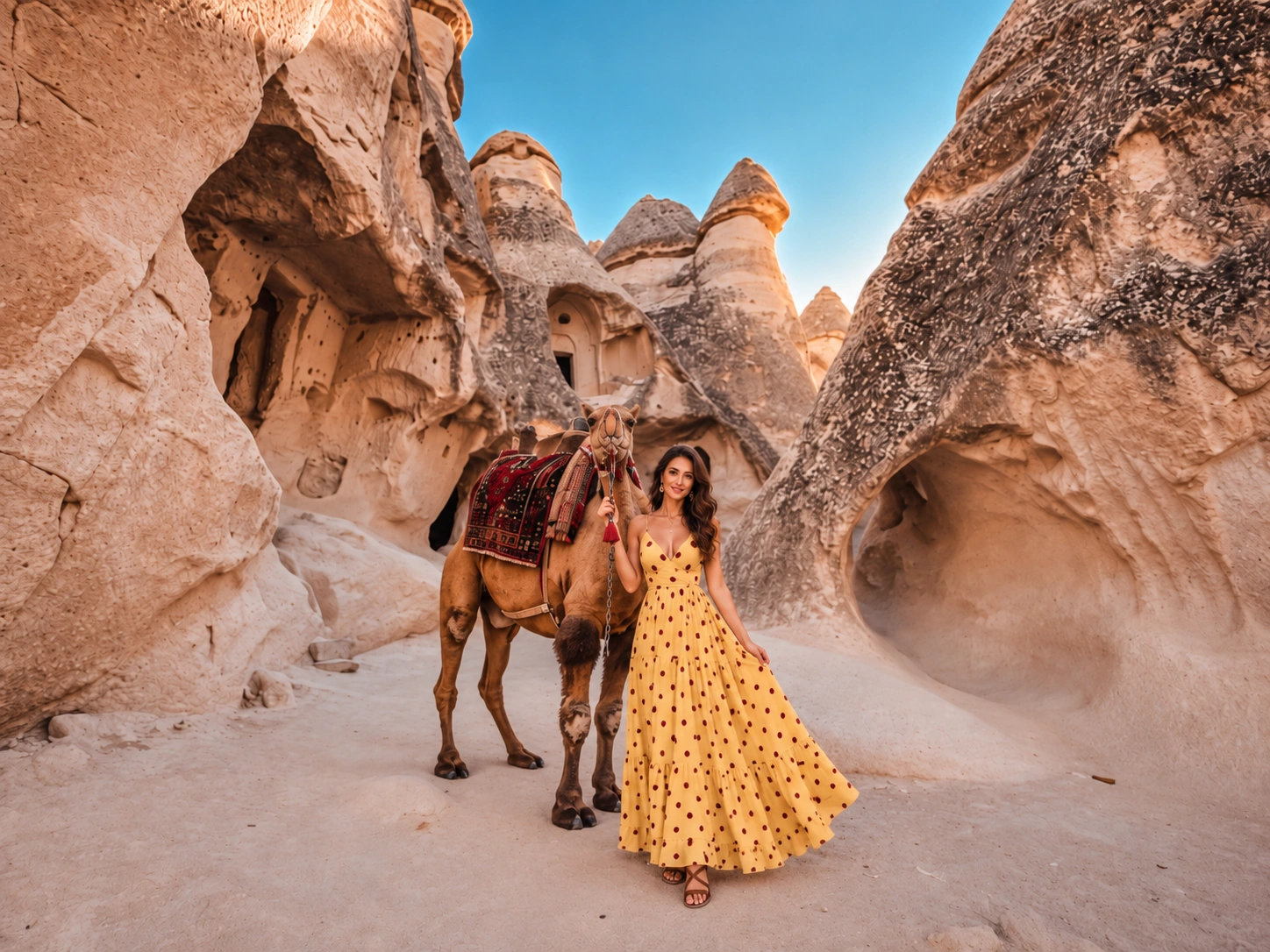
The older Turkish name Rahipler Vadisi (Valley of the Priests) and the English Monks Valley label both point to the same story: Christian hermits carved cells and chapels into the chimneys, seeking solitude in a landscape already shaped like stone pillars. This was a hermitage landscape linked to the wider Zelve corridor—not a theme-park reconstruction.
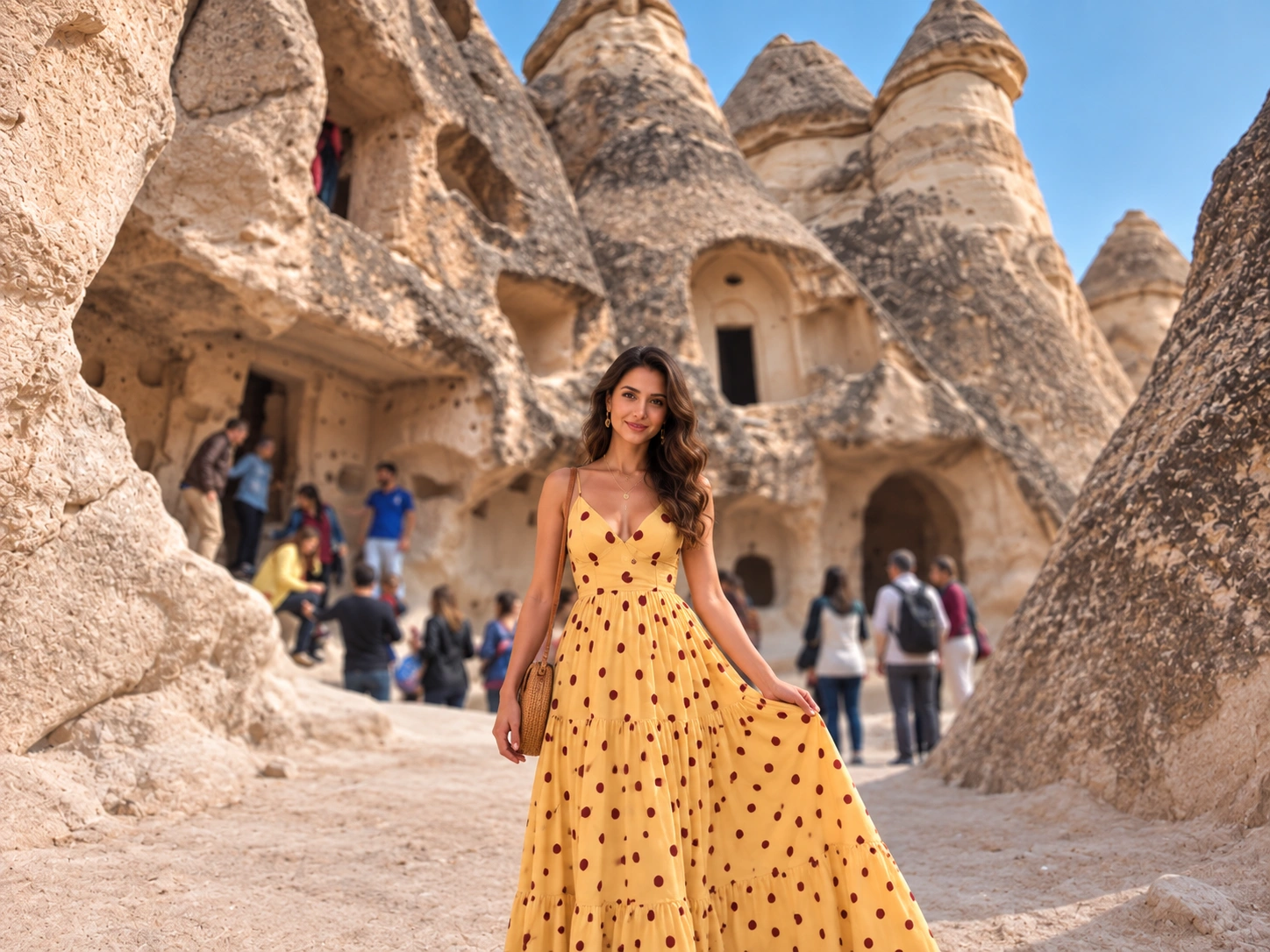
One three-headed chimney holds a chapel and hermitage cell dedicated to St Simeon. Official museum text retells the fifth-century Syrian stylite’s life near Aleppo—columns, crowds, retreat—as the dedication narrative. Do not rewrite that as “Simeon the Stylite lived in Cappadocia.” Local hermits may have shared the name; the dedication is what the official board supports.
Priest Valley naming context—pair with on-site chapel access rules.
On the ground
Walking Paşabağ
Most visits start at a compact entrance with parking and souvenir stalls, then a short walk among the cones. Allow time if you climb toward the Simeon chimney—steps can be steep and crowded. Closed shoes beat sandals. This is a ticketed archaeological landscape, not a place to “stay overnight in a chimney hotel” inside the protected formations.
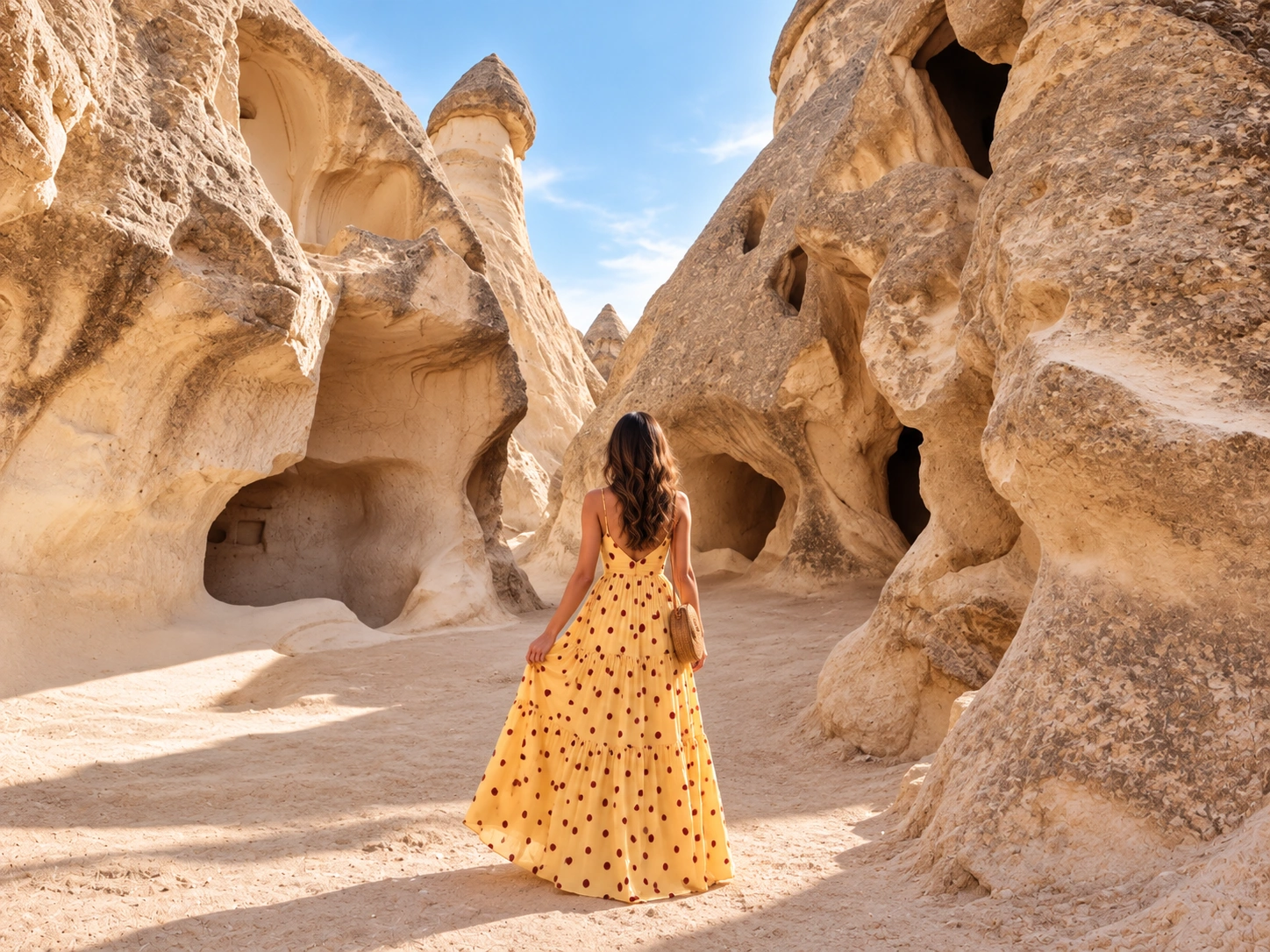
Photographers get the strongest cone silhouettes from slight elevation near the main cluster; keep tripods off fragile edges and give tour groups space to pass.
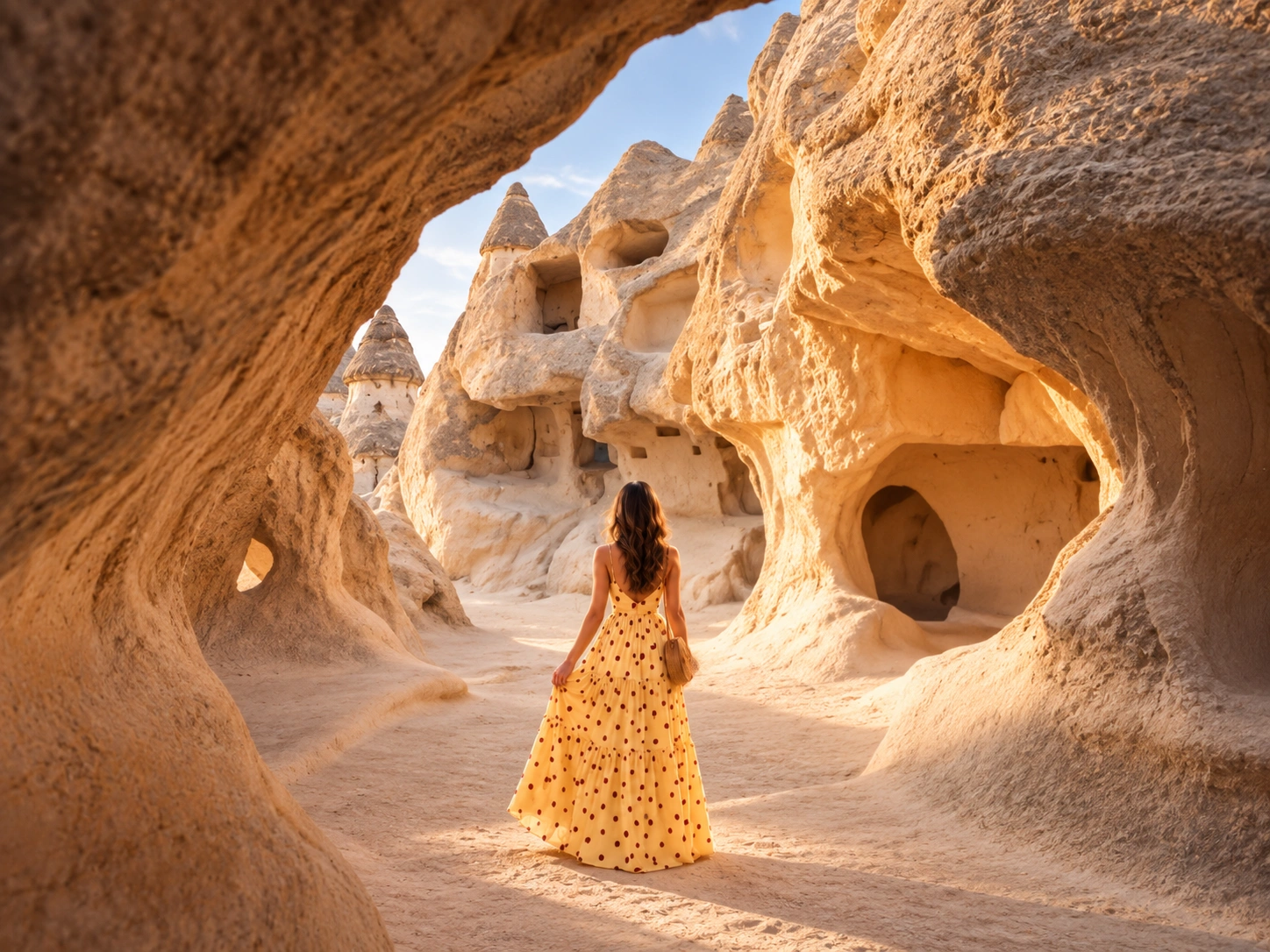
Broader Cappadocia “things to do” context—Paşabağ is one northern stop, not the whole region.
Same ticket corridor
Pairing with Zelve
Zelve Open Air Museum sits a short drive farther along the same Göreme–Avanos approach: three valleys of rock dwellings, churches, a mosque and dovecotes, with village life continuing until rockfall risk forced evacuation around 1952. Official framing emphasises an important Christian centre roughly from the 9th to 13th centuries; the earliest settlement date remains uncertain.
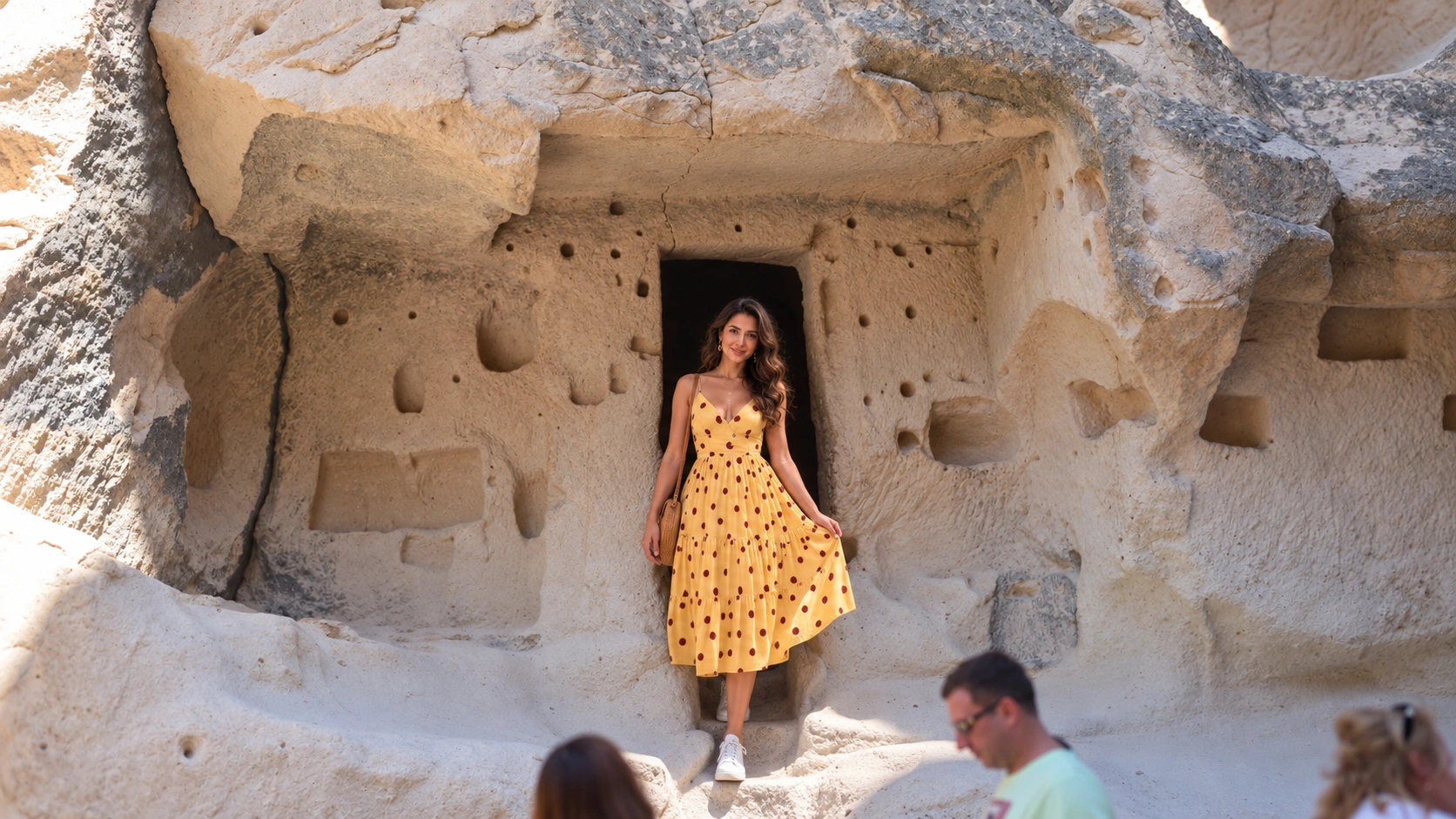
Ministry DOSİM pricing lists Zelve and Paşabağlar together on one foreigner ticket line (MüzeKart for eligible Turkish citizens). Some church units inside Zelve may be temporarily closed—check desk notes. Plan Paşabağ for the chimneys, Zelve for the settlement walk.
Day links
Nearby stops after Paşabağ
| Place | Best For | From Paşabağ | Suggested Time | Practical Note |
|---|---|---|---|---|
| Zelve Open Air Museum | Three-valley settlement walk | Very short drive | 60–90 min | Same ticket logic as Paşabağ |
| Avanos | Pottery town & Kızılırmak | ~10–15 min | Half day | See Avanos guide |
| Devrent (Imagination) Valley | Short animal-shaped rock stop | Nearby northern loop | 20–40 min | Often combined on Red/North tours |
| Göreme Open Air Museum | Frescoed rock churches | ~15–25 min | 2–3 hrs | Separate ticket—see Göreme OAM |
| Love Valley | Hike / viewpoint chimneys | Different corridor | Half day | Not the same site as Paşabağ—see Love Valley |
For wider route planning see Cappadocia tours and Uçhisar. Underground refuge cities are a separate half-day south—see underground cities.
Love Valley is a related landscape name—do not confuse it with Paşabağ’s ticketed monks’ chimneys.
Practical
Hours, tickets and comfort
- Hours: Official muze.gov.tr listing (check date September 2026) shows daily opening roughly 08:00–20:00 with ticket desk closing earlier (~19:15). Seasonal boards can differ—confirm at the gate.
- Tickets: Eligible Turkish citizens use MüzeKart rules; foreigner tariffs appear on the Ministry DOSİM euro list for the combined Zelve–Paşabağlar line. Ignore outdated blog figures such as “280 TL.”
- Time on site: 20–45 minutes for Paşabağ alone; add Zelve if energy allows.
- Accessibility: Uneven ground, steps into chimneys—not wheelchair-friendly throughout.
Getting there
From Istanbul and around Cappadocia
- Fly then drive: Nevşehir Kapadokya or Kayseri Erkilet airports, then road transfer into the Göreme–Avanos belt.
- Long-haul road: Istanbul to Cappadocia car-with-driver transfer is door-to-door transport only—not a Paşabağ ticket package.
- Local days: Paşabağ–Zelve–Avanos loops fit a reserved car with driver mindset for luggage continuity; drivers are not licensed guides.
- Intercity framing: Broader multi-day road travel via intercity car with driver.
FAQ
Paşabağ / Monks Valley questions
What makes Paşabağ unique?
Its multi-headed fairy chimneys and carved hermitage chapels on a short, accessible path—plus official pairing with Zelve under one archaeological-site visit logic.
Why is it called Monks or Priest Valley?
Because hermits and clergy carved cells and chapels into the cones. The older name Rahipler Vadisi and the English Monks/Priest Valley labels all refer to that monastic landscape—not a different geographic site.
Did St Simeon live in Paşabağ?
Official texts describe a chapel and cell dedicated to St Simeon and recount the Syrian stylite’s column life near Aleppo. Treat Cappadocia as the dedication setting, not proven personal residence of the historical Simeon Stylites.
What are the opening hours and entrance fee?
Confirm current hours on muze.gov.tr (recent listing: roughly 08:00–20:00 daily with an earlier desk close). Foreigner tariffs are published on the Ministry DOSİM list for the combined Zelve–Paşabağlar ticket; MüzeKart applies for eligible citizens. Do not rely on outdated “280 TL / 17:00” blog copy.
How do I reach Paşabağ from Istanbul?
Fly to Nevşehir or Kayseri, then transfer by road to the Göreme–Avanos corridor. For a door-to-door road option, use Istanbul–Cappadocia car-with-driver transport—separate from site tickets.
What else is nearby?
Zelve Open Air Museum, Avanos pottery town, Devrent Valley on many northern loops, and Göreme Open Air Museum on a different ticket. Love Valley is a related name but a different hiking corridor.
Next step
Keep Paşabağ short and honest
Arrive for the multi-headed chimneys, read the Simeon dedication carefully, walk Zelve if time remains, then continue to Avanos or Göreme without forcing every valley into one morning. For Istanbul–Cappadocia logistics, book Istanbul to Cappadocia or intercity car with driver—transport only—while tickets stay a gate decision.