
Carved into a clifftop two thousand years ago above a river valley of roses and Ottoman half-timber houses, Amasya is one of Turkey's most visually arresting cities — and one of its least crowded. Royal Pontic tombs glow amber against the cliff face each night. Medieval princes sharpened their statecraft in its governor's palace. A 15th-century surgeon wrote the world's first illustrated surgical manual in its hospital wards. This guide covers everything you need to plan a visit from Istanbul or abroad.
Where Is Amasya — and Why Visit?
Amasya sits in the narrow valley of the Yeşilırmak (Green River) in north-central Turkey, roughly 330 km east of Ankara and about 600 km from Istanbul. It lies within Amasya Province, in the foothills between the Black Sea coast and the Anatolian plateau. The city has been continuously inhabited for at least 4,000 years, serving at various times as capital of the Pontic Kingdom, a key Byzantine frontier post, and a training ground for Ottoman crown princes.
Unlike Turkey's most visited sites — Istanbul, Cappadocia, Ephesus — Amasya rewards visitors with a quieter, more layered experience. Its old city is compact and easily walkable: royal rock tombs, riverside Ottoman mansions, a clifftop castle, medieval mosques, and a bazaar are all within a few hundred metres of one another. The city is a genuine alternative for travellers looking beyond the standard itinerary.
The site of "Harşena Mountain and the Pontic Royal Rock Tombs" is on Turkey's official UNESCO World Heritage Tentative List — the required first step toward full inscription. The tombs are of internationally recognised archaeological significance regardless of the nomination's ultimate outcome.
The Yeşilırmak Waterfront and Yalıboyu Mansions
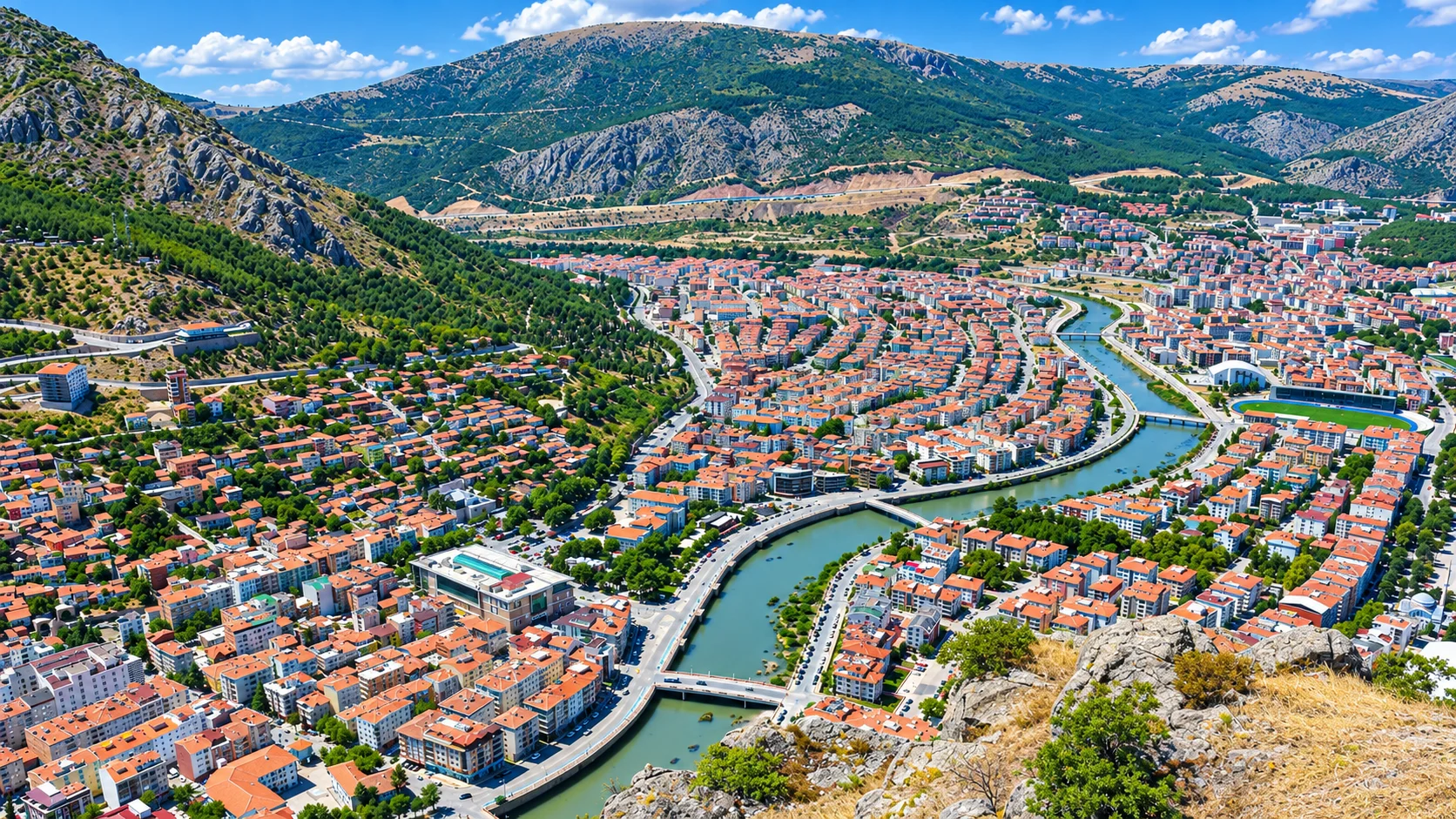
The image that defines Amasya in every travel guide is the Yalıboyu (waterfront) district: rows of 18th and 19th-century Ottoman timber-frame mansions cantilevered over the Yeşilırmak, painted in terracotta reds, ochres, and whites, their reflections shimmering in the green water below. This riverfront streetscape — with the illuminated Pontic tombs glowing on the cliff face above — is one of the most photographed views in Turkey and is genuinely as striking in person as in photographs.
The northern bank (Hatuniye quarter) contains the best-preserved mansions. Several have been converted to boutique hotels, cafés, or small museums; others remain private residences. Interior layouts follow the Ottoman sofa plan — a central hall with rooms on each side — typically with painted ceilings and decorative tile work from the late 18th century.
The riverside promenade is at its most atmospheric at dusk. As the light fades from the cliff face, the floodlights switch on and the tombs gradually warm to amber against the darkening rock. Restaurants with terrace seating overlook the water on both banks; the setting more than compensates for any variation in food quality.
The Pontic Royal Rock Tombs (Kral Kaya Mezarları)
Cut into the south face of Harşena Mountain between roughly 302 and 26 BC, the Pontic royal tombs are Amasya's defining archaeological monument. Twenty-one chambers in total were hewn for the kings of the Kingdom of Pontus — a Hellenistic state founded here by Mithridates Ktistes (Mithridates the Founder) after Alexander the Great's death fragmented his empire. The kingdom endured for nearly three centuries before Rome finally absorbed it.
The tombs range in size from modest single-room niches to the largest chamber, attributed to King Pharnakes I (died c. 185 BC) — a space measuring approximately 15 metres wide, 8 metres deep, and 6 metres high, with an internal staircase leading to an antechamber above. Burial niches line the walls; the royal remains were removed at some point before the medieval period.
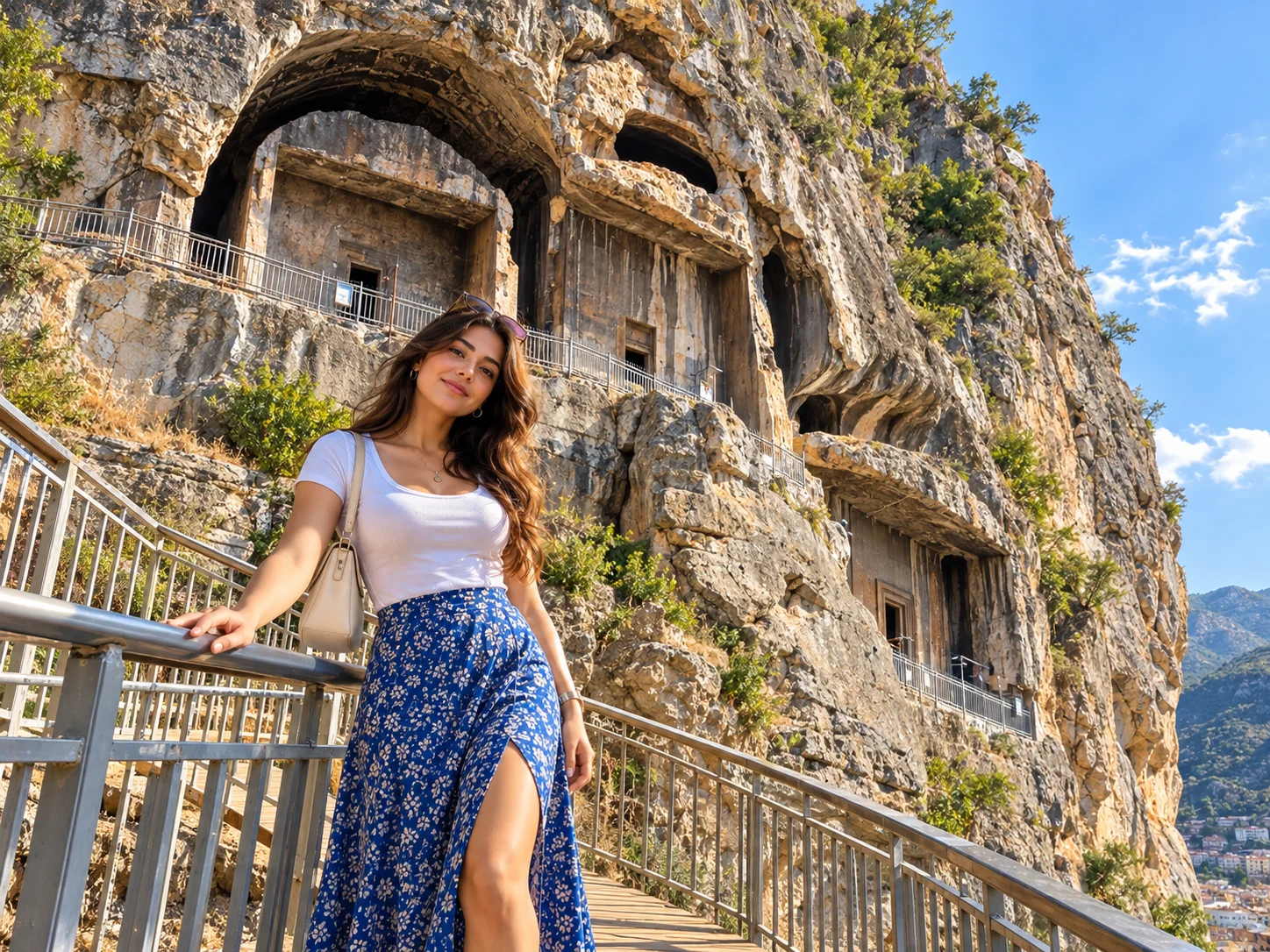
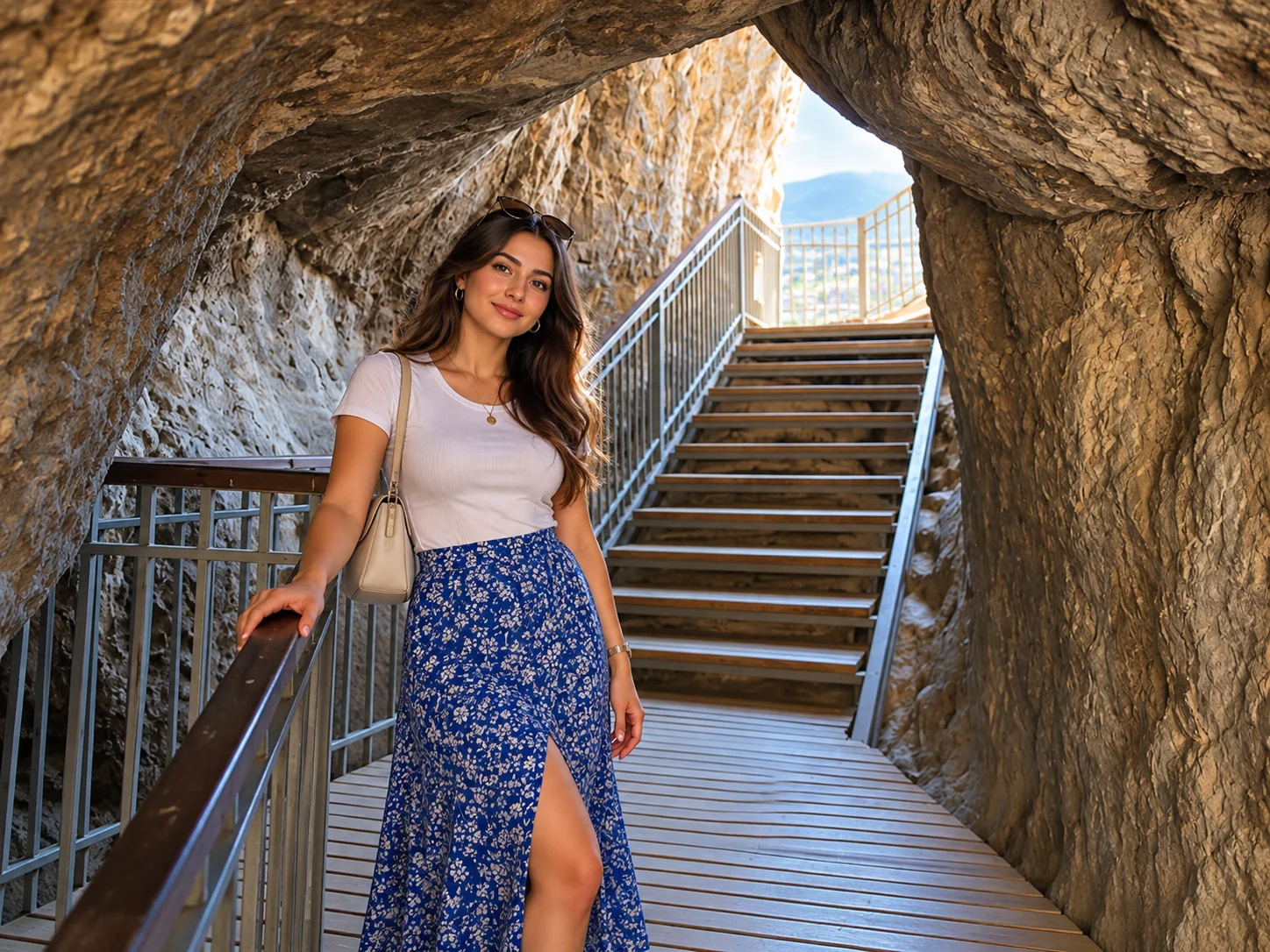
Five of the twenty-one tombs are accessible to visitors via a ticketed footpath and cut-stone staircase from the riverside. The path connects to Amasya Castle above, making a combined visit practical. Opening hours vary by season — approximately 09:00–19:00 in summer and 08:00–17:00 in winter; verify locally before visiting.
The night view from the promenade opposite is not to be missed. Floodlighting activates around dusk; the transition from daylight to illumination takes 15–20 minutes and produces a dramatic visual shift. Arriving 30 minutes before dark allows you to see both states from the same vantage point.
Amasya Castle (Amasya Kalesi) and Harşena Mountain
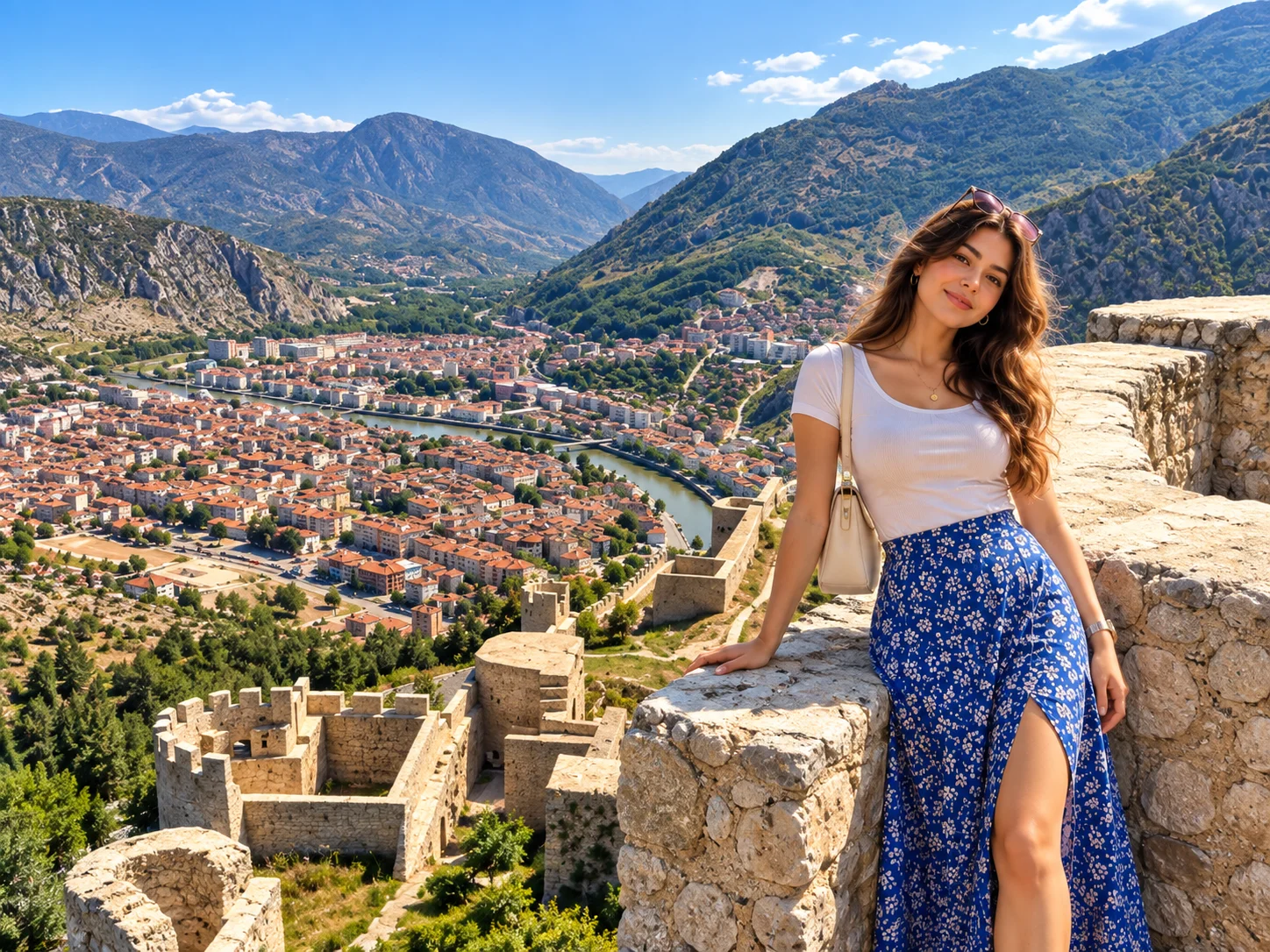
Rising to approximately 700 metres above sea level — and roughly 300 metres above the Yeşilırmak — Amasya Castle occupies the summit of Harşena Mountain on the same ridge where the Pontic tombs are cut into the south face below. The fortifications visible today are largely a Byzantine consolidation of an older Pontic stronghold, with subsequent Ottoman-era repairs and additions; archaeological evidence suggests the site was used as early as the Hittite period (2nd millennium BC).
The castle is divided into an outer walled enclosure and a smaller inner citadel (locally called Küçük Kale, "Small Castle") at the highest point. Inside the walls: the remains of cisterns designed to sustain a garrison through a siege, the foundations of a palace complex, and multiple defensive towers at intervals along the ramparts. On a clear day, the panoramic views extend across the entire Amasya valley and far into the surrounding mountain terrain.
Access is via the same path that leads to the rock tombs, which continues upward from the tomb level to the castle entrance. A combined visit — tombs in the morning, castle at midday, riverside lunch — is a natural full-day itinerary. Opening hours align roughly with the tombs; check locally for the current ticket price.
Şehzadeler Şehri: The City of Princes
For roughly two centuries of Ottoman rule — from the late 14th century through the mid-16th — Amasya served as the training ground for Ottoman crown princes. Şehzade (a Persian word meaning "born of a king") were sent here as young governors to learn statecraft before ascending to Istanbul. The practice produced some of the empire's most capable rulers, and the title it earned Amasya — Şehzadeler Şehri, "City of Princes" — remains its most affectionate honorary name.
Among the şehzades who governed in Amasya were Şehzade Mehmed (eldest son of Süleyman the Magnificent), Şehzade Ahmed (eldest son of Beyazıt II), and most notably Şehzade Selim — who would become Yavuz Sultan Selim (Selim the Grim), conqueror of Egypt, Syria, and Arabia, and the first Ottoman sultan to hold the title of Caliph. Fatih Sultan Mehmed (Mehmed the Conqueror, who took Constantinople in 1453) is also associated with the city through birth or governance, though exact periods vary between historical sources.
The practical legacy of this tradition is Amasya's remarkably rich architectural heritage. Successive Ottoman governors, competing for prestige and demonstrating administrative competence, funded mosques, madrasas, dervish lodges, and charitable complexes of imperial quality. The city's monument density is far higher than its relatively modest population would suggest.
Ottoman Religious Architecture and Cultural Heritage
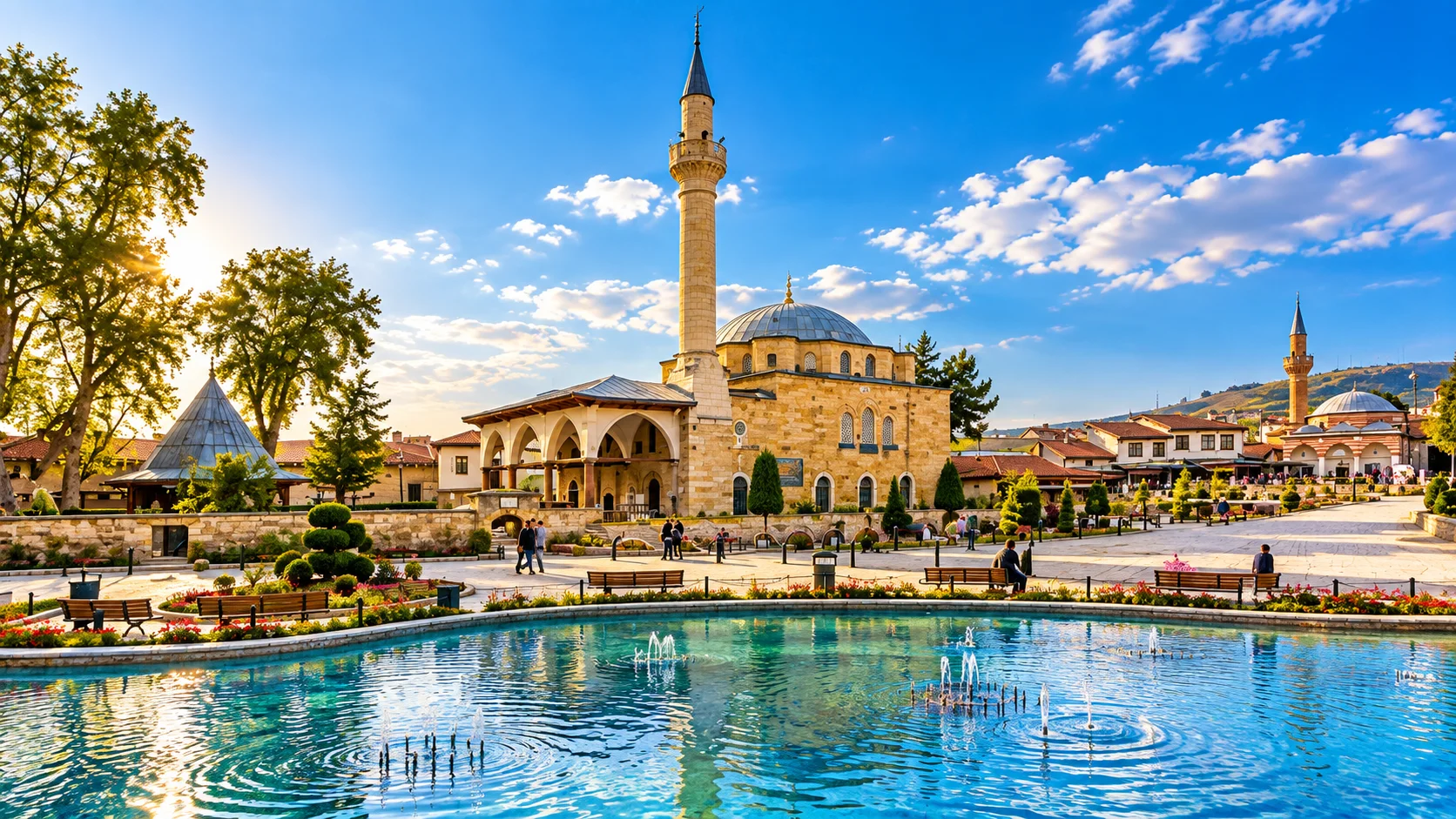
Amasya's city centre holds an unusually concentrated collection of Ottoman religious and civic buildings. The Sultan Beyazıt II Mosque (Büyük Cami, 1486) — built when Beyazıt was still governor here — dominates the old town with a classical single-dome plan and monumental proportions. Adjacent to it, the Büyük Ağa Medresesi (1488) is widely regarded as one of the finest examples of Ottoman theological college architecture in Anatolia: its octagonal domed courtyard creates an almost meditative space that draws comparison to the great medrese complexes of Cairo and Cairo.
The Beyazıt Paşa Camii (1414), one of the oldest surviving mosques in the city, shows early Ottoman architecture before the classical domed form became dominant. The Mehmed Paşa Mosque, several dervish lodges (tekke), and the Hazeranlar Konağı — a 19th-century Ottoman mansion now housing a museum of period furnishings — complete a walking circuit that occupies a comfortable half day.
A geographical note: Merzifonlu Kara Mustafa Paşa — the Ottoman Grand Vizier who led the second siege of Vienna in 1683 — was born in Merzifon, a district approximately 45 km northwest of Amasya city. The mosque complex bearing his name is located in Merzifon town itself, not in Amasya's city centre. Visitors who extend their trip to include Merzifon can see this additional monument.
Sabuncuoğlu Şerefeddin and the World's First Illustrated Surgical Manual
In 1465, a physician working at the Amasya Bimarhane — a hospital complex founded in the 14th century whose original building still stands — completed a medical work of singular historical importance. Şerefeddin Sabuncuoğlu's Cerrahiyetü'l-Haniyye ("Imperial Surgery") is the first illustrated surgical textbook in the Islamic world and among the earliest illustrated medical works in any tradition to document surgical procedures with visual instruction.
Sabuncuoğlu wrote deliberately in Ottoman Turkish rather than Arabic — at the time an unconventional choice in medical scholarship — to ensure accessibility to Turkish-speaking practitioners. The manuscript contains hand-drawn illustrations of instruments, patient positioning, incision techniques, and postoperative care. It covers tumour removal, bone surgery, hernias, eye conditions, and — notably — dedicates substantial space to the treatment of psychiatric patients, describing music therapy, environmental factors, and structured rehabilitation. The Bimarhane's progressive approach to mental illness was unusual even by later European standards.
The Sabuncuoğlu Museum of Health Sciences (Sabuncuoğlu Şerefeddin Tıp Tarihi Müzesi), housed within the original 14th-century Bimarhane, displays facsimile pages from the manuscript, replica surgical instruments, and life-size dioramas of Ottoman medical practice. It is one of the most distinctive specialist museums in the city and takes about 45 minutes to explore.
The Legend of Ferhat and Şirin
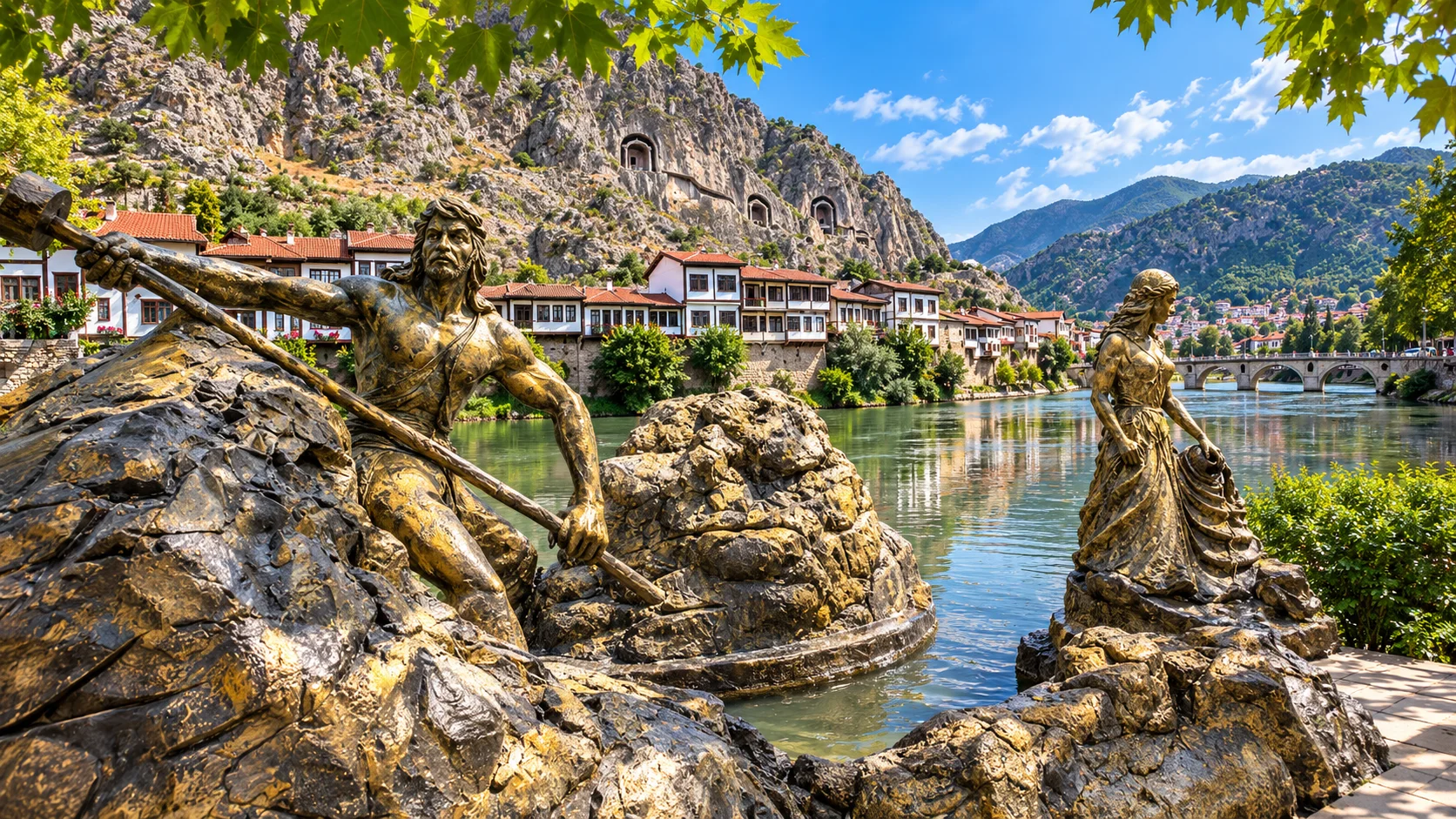
Amasya is the setting — in at least one major telling of the story — of one of the Turkic and Persian literary world's most beloved tragic love legends. This is a legend, not a historical event.
In the story, Ferhat is a master stonemason and sculptor of extraordinary talent who falls in love with Şirin, the beautiful daughter of a king. The king, wishing to prevent the match, sets Ferhat an apparently impossible task: to carve a channel through the mountain so that water flows to the city. Sustained entirely by his love for Şirin, Ferhat works with superhuman dedication, making real and visible progress. Alarmed that Ferhat might actually succeed, the king sends a messenger with the false news that Şirin has died. Overwhelmed by grief, Ferhat drops his pick and dies on the mountainside. When Şirin learns the truth, she too dies of sorrow.
The Pontic-era water channels and rock galleries visible in Harşena Mountain — genuine ancient hydraulic engineering works — have long been attributed in popular local tradition to Ferhat's labour, a romantic overlay of myth onto real archaeology. The legend's resonance crosses cultural boundaries: versions exist in Persian, Azerbaijani, Ottoman Turkish, and Uzbek literature. A celebrated 1799 Persian opera retells the story; the 1948 Turkish film Ferhat ile Şirin brought it to a mass modern audience.
The Amasya Circular and the Road to the Turkish Republic
On 22 June 1919, Mustafa Kemal (later Atatürk) and his companions signed and dispatched a document known as the Amasya Genelgesi (Amasya Circular) to governors and military commanders across Anatolia. The circular stated plainly that the homeland was in mortal danger, that the Istanbul government under Allied occupation could not fulfil its obligations to protect it, and that the salvation of the nation could only come from the will and determination of the people themselves. It called for an urgent national congress.
Historians regard the Amasya Circular as the founding declaration of the Turkish independence movement — the first formal act of organised resistance after the Ottoman defeat in the First World War. It initiated a sequence of events: the Erzurum Congress (July 1919), the Sivas Congress (September 1919), the formation of the Grand National Assembly in Ankara (April 1920), and ultimately the foundation of the Turkish Republic on 29 October 1923.
A monument marking the location and a small commemorative museum in Amasya interpret this event. The city holds the Amasya Circular as a point of particular civic pride — the moment when the idea of an independent Turkish state was formally declared from this valley.
Beyond the City: Nature and the Surrounding Province
The Amasya valley sits between mountain ranges that open into forested highland terrain. Within about 90 km lies Borabay Lake (Borabay Gölü), a glacially formed crater lake at approximately 1,450 metres elevation, surrounded by dense pine and fir forest. In summer it provides a cool escape from the valley heat; in winter it offers cross-country skiing and snowshoeing.
The valley itself is famous for its apple orchards. The Amasya Misket elması — a small, intensely aromatic native variety whose name (Misket, meaning "muscat") reflects its perfumed quality — is harvested from late September through October. The apple has been cultivated here since at least the Byzantine period and is now a geographical indication product. Fresh Misket apples at roadside stands during the harvest are an experience that justifies timing a visit for autumn.
What to Eat in Amasya
Amasya's cuisine is rooted in the Ottoman Black Sea tradition: grain, dairy, and lamb dishes with a distinctly Anatolian character, several of which are difficult or impossible to find elsewhere. Restaurant quality varies, but the basic local dishes are widely available.
| Dish / Ingredient | What it is | Where to find |
|---|---|---|
| Toyga çorbası | Tangy yoghurt soup with cracked wheat, mint, and chickpeas; distinctively tart and warming | Most lokantas and restaurants |
| Keşkek | Slow-cooked pounded wheat with lamb, flavoured with butter; traditionally served at weddings and religious festivals | Festival occasions; some traditional restaurants |
| Hengel | Wide hand-rolled pasta served with yoghurt, caramelised onion, and paprika butter; similar to mantı in concept but different in texture and topping | Home cooking; select restaurants |
| Patlıcan pehli | Stewed aubergine with lamb and tomato, slow-cooked until soft; a staple of Amasya domestic cooking | Lokantas, home-style restaurants |
| Amasya çöreği | Ring bread filled with a paste of ground poppy seeds and walnuts; the city's most distinctive pastry, available year-round | Bakeries, pastane; sold as gifts |
| Misket elması | The native small aromatic apple; best fresh in October, available as jam, dried, or cider-style drink year-round | Markets, roadside stands (Oct harvest) |
The riverside restaurants on both banks serve predictably, but their terrace views over the illuminated tombs justify the choice. For more adventurous eating, the bazaar area behind the main mosque holds small lokantas serving the traditional dishes above at modest prices.
Getting to Amasya from Istanbul
By air to Merzifon Airport (MZH): The fastest option is a direct flight to Merzifon Airport, operated by Pegasus Airlines from Istanbul (approx. 1 hour 15 minutes). The airport is roughly 45 km from Amasya city centre — taxis and private transfers connect the two. Booking a private intercity car with driver from Istanbul that continues to Amasya from the airport is a convenient option for groups or those with luggage.
By overnight bus: Buses depart from Istanbul's Esenler Bus Terminal (Otogar) nightly, reaching Amasya in approximately 8–9 hours. Multiple operators serve the route. The Amasya bus terminal is a short taxi ride from the old city.
By road: The drive from Istanbul takes approximately 6–7 hours via the E80/TEM motorway east, then south on the D850. The route is well-maintained. A private road trip offers maximum flexibility — with time to stop at Safranbolu (a UNESCO-listed Ottoman town on the same route) or at Boğazköy/Hattusha (Hittite capital, 2 hours south of Amasya). Cab Istanbul's intercity car with driver service handles these multi-city routes.
Video: A visual guide to Amasya — the Pontic tombs, riverside mansions, and Ottoman old city.
Practical Information
| Topic | Details |
|---|---|
| Best time to visit | April–June (blossom, 15–22°C) · September–October (harvest, clear skies). Summer is warm (30°C+); winter is quiet with photogenic snow-and-illumination views. |
| Recommended stay | 2 nights minimum for the city; 3 nights includes a day trip to Borabay Lake or Merzifon. |
| Rock tombs + castle hours | Summer approx. 09:00–19:00 / Winter approx. 08:00–17:00. Verify locally — subject to change. |
| Night illumination | Tombs lit every evening; best viewed from the riverside promenade opposite. Lighting activates around dusk. |
| Currency | Turkish Lira (TRY). ATMs at the city centre and near the market. Credit cards accepted at hotels; cash preferred at smaller restaurants and bazaar shops. |
| Language | Turkish. English is spoken at most hotels and an increasing number of restaurants. German and Arabic speakers may find some accommodation with relevant language skills. |
| Distance from Istanbul | ~600 km by road (6–7 h) · 8–9 h by overnight bus · ~1h15m flight to Merzifon (MZH, 45 km from city) |
| Airport | Merzifon Airport (MZH), 45 km from Amasya. Pegasus Airlines from Istanbul. Limited schedules — book early in peak season. |
Frequently Asked Questions About Visiting Amasya
Is Amasya worth visiting for international travellers?
Yes — Amasya is consistently cited by visitors as one of Turkey's most memorable destinations. The combination of 2,300-year-old royal tombs, riverside Ottoman mansions, a medieval clifftop castle, and a compact, walkable old city makes it genuinely distinctive. It is far less crowded than Istanbul, Cappadocia, or Ephesus, and substantially more affordable. The main limitation is access: it requires either a flight to a small regional airport (Merzifon) or a 7–9 hour journey by road or bus from Istanbul. For travellers willing to make that journey, it consistently exceeds expectations.
How far is Amasya from Istanbul and how do I get there?
Amasya is approximately 600 km from Istanbul by road — around 6–7 hours driving, or 8–9 hours by overnight bus. The fastest option is flying to Merzifon Airport (MZH), roughly 45 km from Amasya city, with Pegasus Airlines from Istanbul's Sabiha Gökçen Airport. Flight time is about 1 hour 15 minutes. A private intercity car with driver is the most comfortable option for families or groups who prefer door-to-door travel with flexibility to stop en route.
What are the Pontic Rock Tombs and how old are they?
The Pontic Royal Rock Tombs (Kral Kaya Mezarları) are 21 chambers chiselled into the limestone face of Harşena Mountain for the kings of the Kingdom of Pontus — a Hellenistic state that governed this region from roughly 302 to 26 BC. The oldest tombs are therefore over 2,300 years old. The largest is attributed to King Pharnakes I (died c. 185 BC) and measures approximately 15 × 8 metres with a 6-metre ceiling. Five tombs are accessible to visitors via a ticketed staircase path from the riverside.
Is Amasya a UNESCO World Heritage Site?
Not currently. "Harşena Mountain and the Pontic Royal Rock Tombs" is listed on Turkey's official UNESCO World Heritage Tentative List — the formal prerequisite for a nomination to be considered. Tentative List placement does not guarantee inscription. Despite this, the site is of internationally recognised archaeological significance, and many travel writers describe it as having World Heritage-equivalent value.
What is the best time of year to visit Amasya?
Spring (April–June) is ideal: apple orchards are in bloom or early harvest, temperatures are mild (15–22°C), and the city is lively without being crowded. Autumn (September–October) is equally rewarding — the Misket apple harvest is underway, the light is golden, and days are clear and warm. Summer (July–August) can reach 30°C+ and sees more domestic visitors on weekends. Winter is quiet, cold, and peaceful — the illuminated tombs reflected in the dark river against snow-dusted cliffs offer a photographic experience unlike any other season.
What traditional foods should I try in Amasya?
Toyga çorbası — a tangy yoghurt soup with cracked wheat, chickpeas, and dried mint — is the city's most distinctive dish and available at most lokantas. Amasya çöreği (ring bread filled with poppy seed paste and walnuts) is the local pastry worth bringing back as a gift. The Misket apple, native to the Amasya valley, is best fresh in October but available year-round as preserves. Keşkek (slow-pounded wheat with lamb) and hengel (a wide pasta with yoghurt and paprika butter) are both worth seeking out at traditional restaurants.