
Salda Lake (Salda Gölü) is one of Turkey’s most extraordinary natural wonders, often called the “Turkish Maldives” for its white sandy shores and striking turquoise waters. Located in the Burdur region, it is famous not only for its beauty but also for its ecological and scientific significance.
Overview
With a depth of 184 meters, Salda Lake is among the deepest lakes in Turkey, and its mineral-rich waters resemble the surface conditions of Mars, drawing attention from NASA for research. Visitors are enchanted by the lake’s unique landscape, where pure white beaches contrast sharply with pine forests and rocky hills. Popular spots include Maldivler Beach (also called Saldivler), Doğanbaba Beach, and the Nature Park, perfect for swimming, walking, or capturing unforgettable photographs. The seven small islands scattered around Salda Lake add to the fairytale scenery, making it a paradise for both relaxation and adventure.
Activities and Experiences
Salda Lake dazzles with powder-white hydromagnesite sands and mirror-calm turquoise water. Explore Maldivler Beach, Doğanbaba Beach, and the Nature Park boardwalks while admiring the protected “white islands,” rare microbialite formations. Follow conservation rules—some zones restrict swimming—to keep Turkey’s “Maldives” pristine.
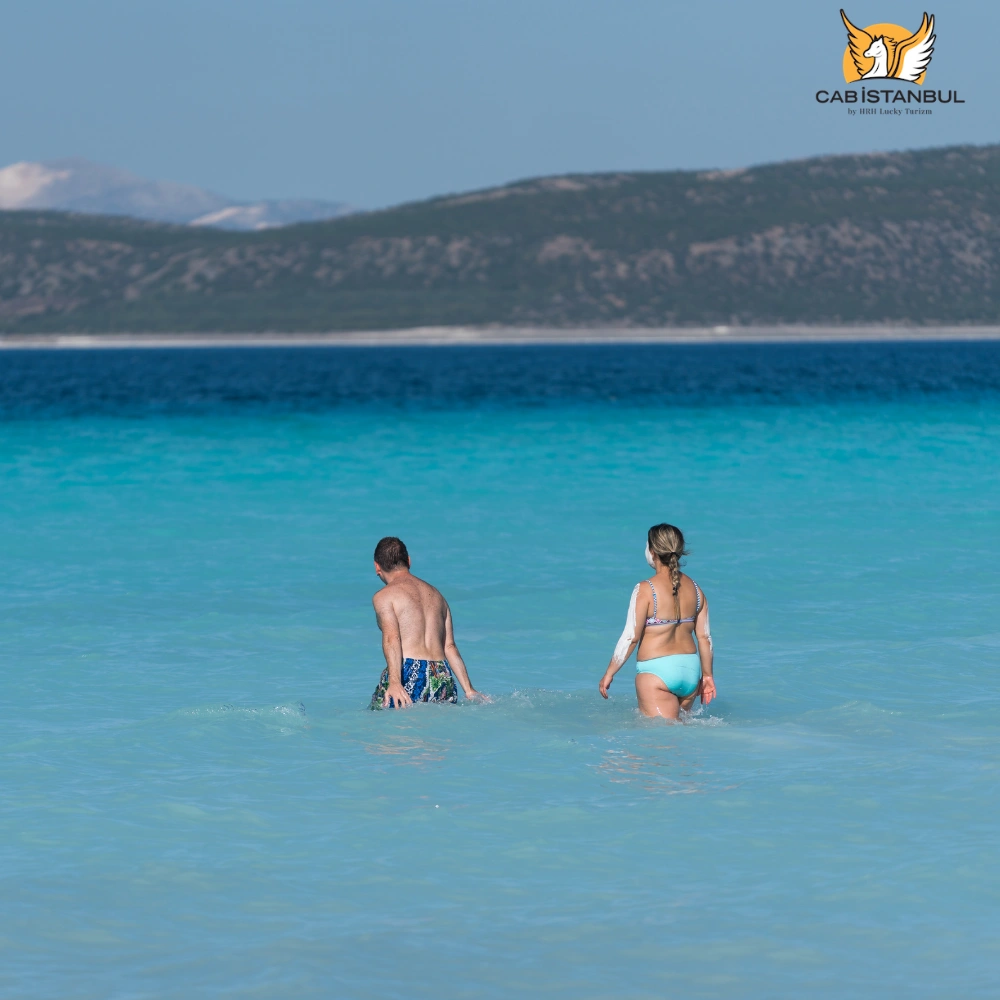
Regional highlights
At 2,079 m, Salda Ski Center delivers family-friendly pistes in winter and breezy hiking in summer—often with turquoise-lake views. History lovers can explore ancient cities such as Sagalassos and Kibyra, each showcasing Roman theaters, agoras, and fascinating ruins. Nature seekers can enjoy İnsuyu Cave, Lavender Fields in Kuyucak, or birdwatching and eco-activities at Lisinia Nature Center. Lisinia Wildlife Center blends rescue work, dry-farm lavender, and outdoor education to protect the Lake District’s biodiversity. In winter, Salda Ski Center provides skiing and snowboarding, while summer invites cycling, trekking, and even paragliding.
Things To Do in Salda Lake (Salda Golu) Details
Local accommodations around Yeşilova and nearby villages range from boutique hotels to family-run pensions, ensuring comfort while staying close to the lake. For photographers, the sunsets over Salda Lake are breathtaking, painting the sky with shades of pink, orange, and gold. Whether for leisure, history, or adventure, Salda Lake remains one of the most unforgettable Turkey attractions, a must-visit destination for every traveler.
Salda Lake’s geological formation is a natural wonder: its hydromagnesite shores and microbialites have drawn comparisons to ancient Martian lakebeds, making it a site of ongoing scientific interest. Travel comfortably and safely to Salda Lake, nearby cities, or any destination in Turkey with an intercity car with driver in Turkey and modern vehicles designed for your convenience.
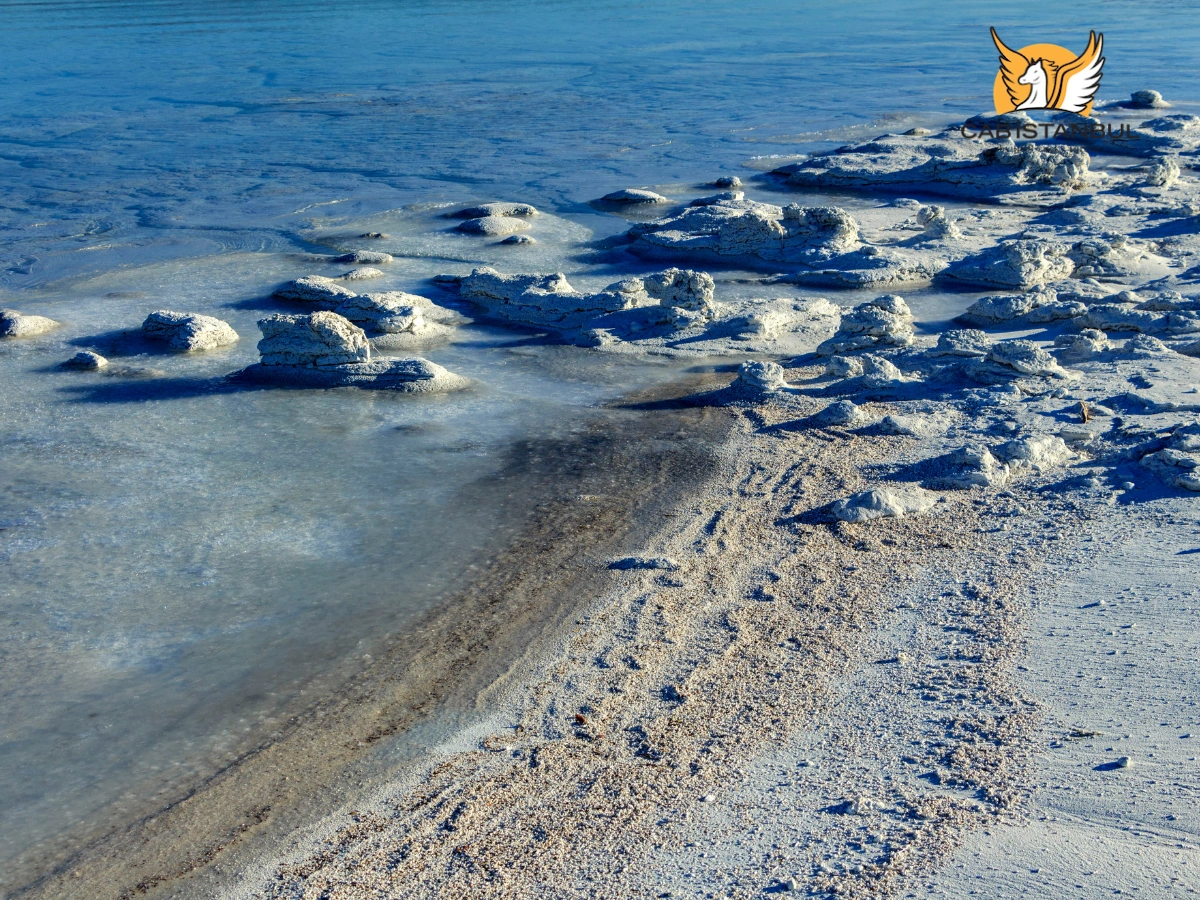
Mineral-rich clay shores
The mineral-rich clay shores of Salda Lake are a signature feature, attracting visitors for their therapeutic qualities and unique texture.
Staying near Salda Lake completes the experience—whether you want boutique comfort, family-run warmth, or nature-inspired bungalows. Salda Lake (Salda Gölü) is one of the most extraordinary natural wonders in Turkey, often referred to as the “Turkish Maldives” thanks to its white sandy shores and striking turquoise waters. Located in the Burdur region, Salda Lake is not only famous for its beauty but also for its ecological and scientific significance.
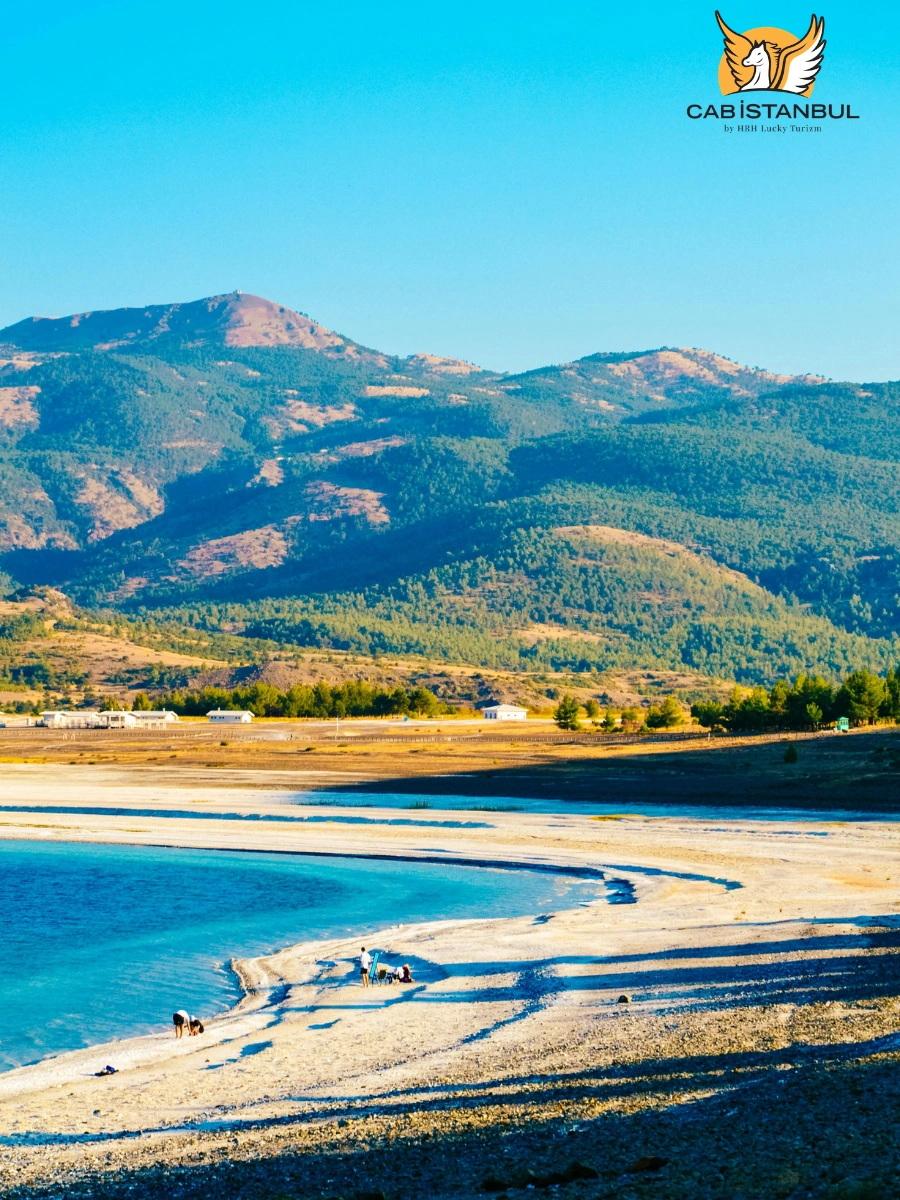
Summer at Salda Lake
Summer months bring warm weather and clear skies, perfect for swimming and sunbathing along the lake’s white beaches.
Circle Salda Lake on a 44-km loop of paved and gravel sections, weaving past Belediye and Doğanbaba beaches and pine-clad slopes. Respect the Special Environmental Protection rules: no fires outside set zones, no stepping on white islands, and never remove sand or clay.
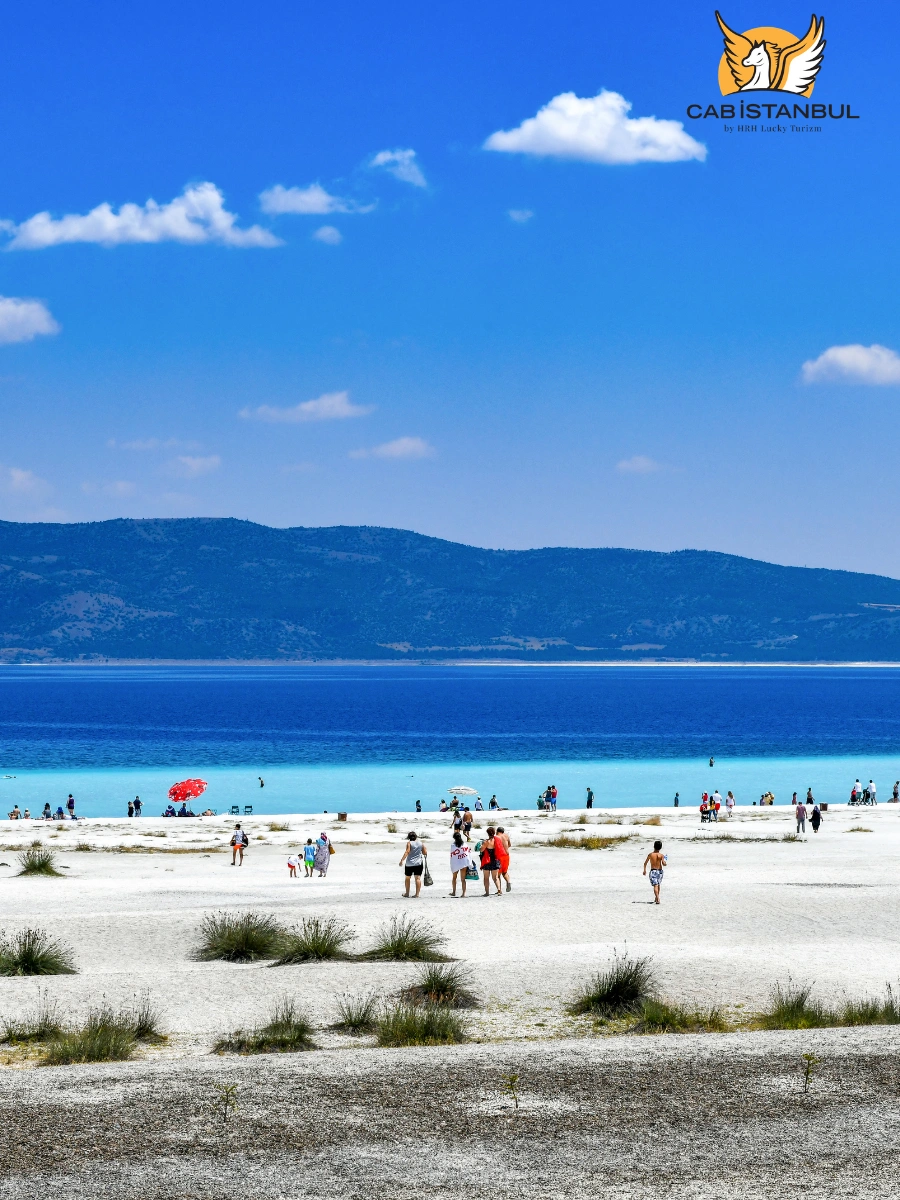
White sands
The white hydromagnesite sands are a rare geological feature, giving the lake its otherworldly appearance.
Its proximity to the turquoise shoreline makes it perfect for early swims, sunset walks, or photography trips by the “Turkish Maldives.” Located 1.2 km from Salda Lake, Şahan Apart & Bungalows features kitchen-equipped apartments and wooden cabins suited for families or groups. Guests highlight comfort and value, making it a strong option for budget-conscious travelers eager to combine lakeside leisure with independent living near Burdur.
It’s a great pick for families or couples who want quick access to Salda Lake’s turquoise waters without compromising comfort. Highly rated, it’s ideal for travelers who want to mix eco-tourism with relaxation—balancing natural exploration with refined comforts. For a rustic escape, Aromatic Hotel Bungalows provide nature-focused stays with wood-built units and eco-friendly vibes. Near Salda Lake and regional attractions, they appeal to travelers who enjoy outdoor activities like hiking, cycling, or simply resting in serene Mediterranean landscapes. With designated areas, basic facilities, and dark skies for stargazing, it’s popular with budget travelers and adventurers.
Visiting and Practical Information
Rules protect the ecosystem, ensuring Salda Lake’s white sands and turquoise waters remain pristine for future visitors. If you are combining the lake with time in Istanbul, professional driver services can cover city touring as well as the onward journey, while an Istanbul airport transfer keeps arrival and departure connections simple.
Related Turkey travel reading: bafa lake, bursa attractions uluabat lake, and antalya archaeological museum.
Related Turkey travel reading: goreme open air museum.
Practical information
Landscape and Natural Features
Salda Lake is a natural crater lake known for its hydromagnesite mineral formations and microbialites, which have drawn comparisons to ancient Martian lakebeds. Visitors should respect Special Environmental Protection rules: no fires outside set zones, no stepping on white islands, and never remove sand or clay.
Salda Lake’s geological formation is a natural wonder: its hydromagnesite shores and microbialites have drawn comparisons to ancient Martian lakebeds, making it a site of ongoing scientific interest. The lake’s mineral-rich waters resemble the surface conditions of Mars, drawing attention from NASA for research. Its depth of 184 meters makes it among the deepest lakes in Turkey.
The seven small islands scattered around Salda Lake add to the fairytale scenery, making it a paradise for both relaxation and adventure. The pure white beaches contrast sharply with pine forests and rocky hills, creating a unique landscape that enchants visitors.
For photographers, the sunsets over Salda Lake are breathtaking, painting the sky with shades of pink, orange, and gold. The lake’s proximity to the turquoise shoreline makes it perfect for early swims, sunset walks, or photography trips by the “Turkish Maldives.” Travelers who prefer a quieter premium ride can also consider a VIP transfer for longer Lake District itineraries.