
Trabzon is one of Turkey's most geographically dramatic cities — a Black Sea port where steep mountain valleys plunge almost directly to the coast, highland plateaus rise above the clouds at 1,600 metres, and a monastery clings to a cliff face deep in a national park. It is also the city where Suleiman the Magnificent was born, where the last Byzantine successor state made its final stand, and where the most photographed lake in Turkey sits wrapped in forested mountains at 1,090 metres. For visitors arriving from Istanbul, the scale and character shift is immediate.
Where Is Trabzon?
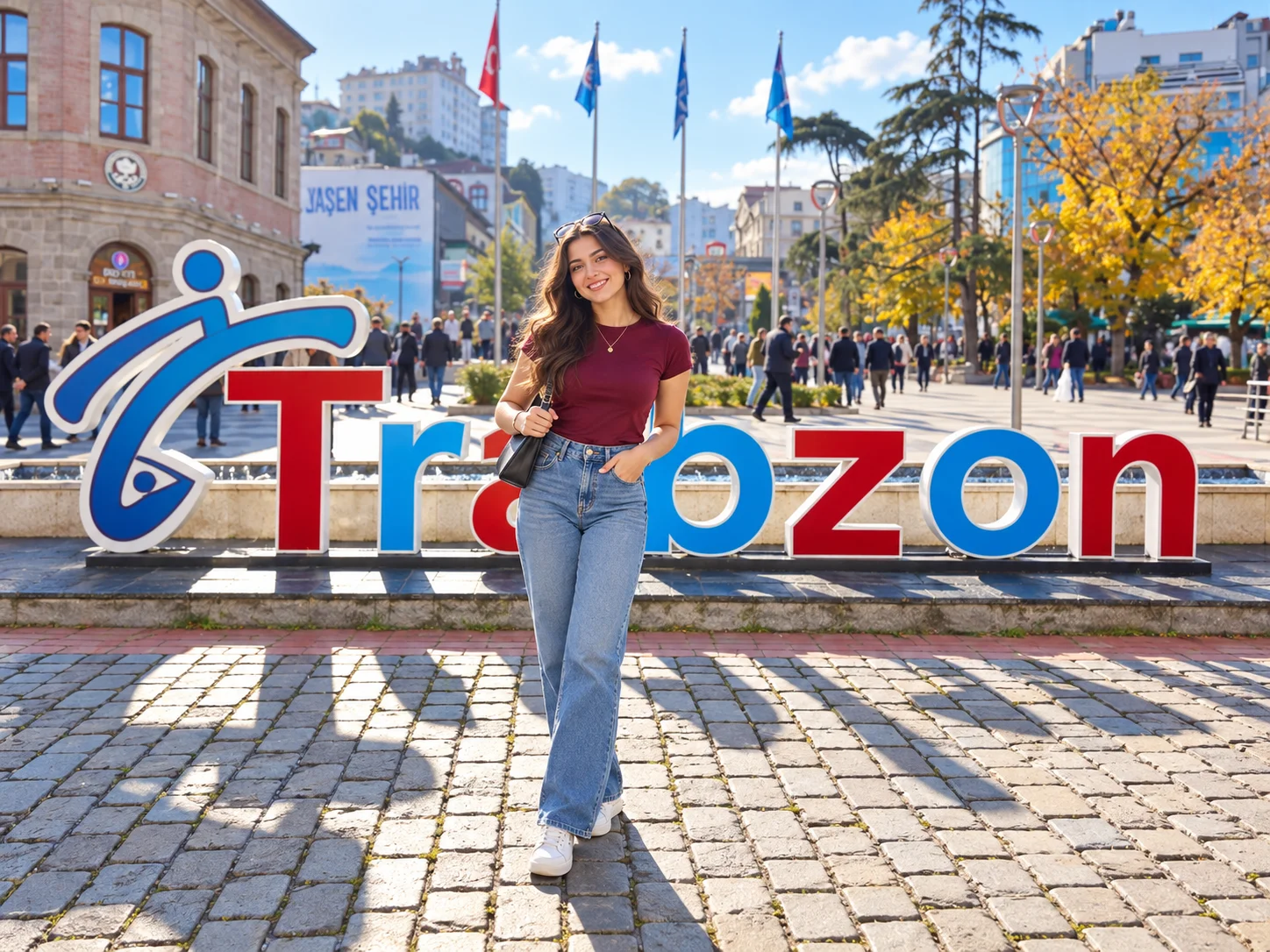
Trabzon lies on Turkey's Eastern Black Sea coast, approximately 1,070 kilometres east of Istanbul by road. It is the largest city in the Eastern Black Sea region and the capital of Trabzon province. The city itself occupies a series of ridges that drop steeply to the sea, giving it a layered, amphitheatre-like topography unique among Turkish coastal cities.
The province is bordered by Rize to the east, Artvin to the northeast, Erzurum to the southeast, Bayburt to the south and Gümüşhane to the southwest — a geography that made it historically a gateway between the Black Sea coast and the Anatolian interior. For international visitors, the practical entry point is Trabzon Airport (TZX), approximately 6 kilometres from the city centre.
Trabzon is a natural base for exploring a wide arc of the Eastern Black Sea: Sümela Monastery, the highland plateau of Uzungöl, the caves of Düzköy, the yayla of Hıdırnebi — and, further afield, the separate Rize province with its own attractions including Ayder. Our guide to places near Trabzon covers the wider region.
A Brief History of Trabzon
The city's ancient name was Trapezus — from the Greek for "table," describing the flat-topped hill on which the early settlement stood. The site was colonised by Milesian Greeks as far back as the 8th century BC, and Trabzon appears in Xenophon's Anabasis as the point where the Ten Thousand finally reached the sea after their famous retreat across Anatolia (around 400 BC).
Under Rome and later Byzantium, Trapezus functioned as both a frontier garrison town and a trading post on routes connecting the Black Sea to Persia and the Silk Road interior. Its greatest historical chapter, however, came after the Fourth Crusade sacked Constantinople in 1204. Two Komnenian princes, Alexios and David, founded the Empire of Trebizond — one of the Byzantine successor states — with Trabzon as its capital. This small, remarkably sophisticated empire endured for 257 years, until Sultan Mehmed II (Fatih) captured the city in 1461, eight years after taking Constantinople.
Trabzon's Ottoman period brought further prosperity: it was a key node on trade routes connecting Anatolia to Persia via the Black Sea. The city has a notable Silk Road legacy that shaped its mosques, hans, and bedestens. One Trabzon connection stands above all others in Ottoman history: Suleiman the Magnificent was born here in 1494, when his father Selim I was serving as governor of Trabzon.
Sümela Monastery
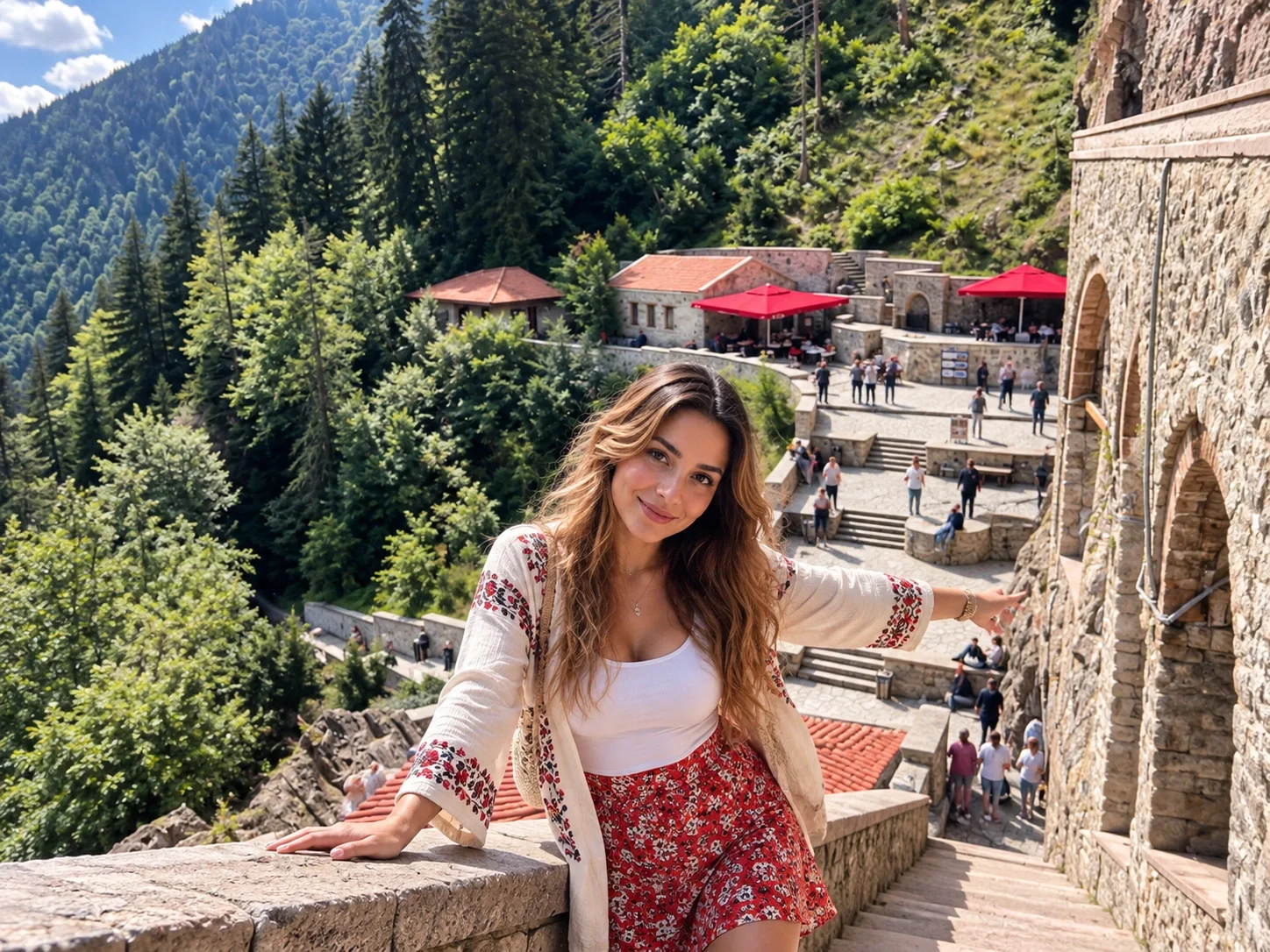
If Trabzon has one defining sight, it is Sümela Monastery — a Greek Orthodox monastery built directly into the vertical cliff face of the Altındere Valley at approximately 1,150 metres. The approach, a walk through national park forest with the monastery revealed piece by piece as you ascend, is one of the most theatrical entrances to any historic site in Turkey.
According to tradition, Sümela was founded in 386 AD by two Athenian monks, Barnabas and Sophronios, who had a vision directing them to this location to protect an icon of the Virgin Mary (Panagia). Whether the founding is precisely datable or not, the monastery's history is intertwined with the Pontic Byzantine and later Komnenian courts, which were its principal patrons. The frescoes visible throughout the complex date from different periods — some of the most remarkable are from the 18th century, when the monastery was substantially rebuilt and decorated.
Sümela was abandoned in 1923 following the Greek–Turkish population exchange. After decades as a museum, it is today open to visitors and holds an occasional Orthodox liturgical service. The monastery is set within Altındere Valley National Park and is accessible from Maçka, approximately 47 kilometres south of Trabzon. For a deep dive into the monastery's architecture, frescoes and visiting logistics, see our dedicated Sümela Monastery guide.
Video: Sümela Monastery in Trabzon's Altındere Valley.
Uzungöl
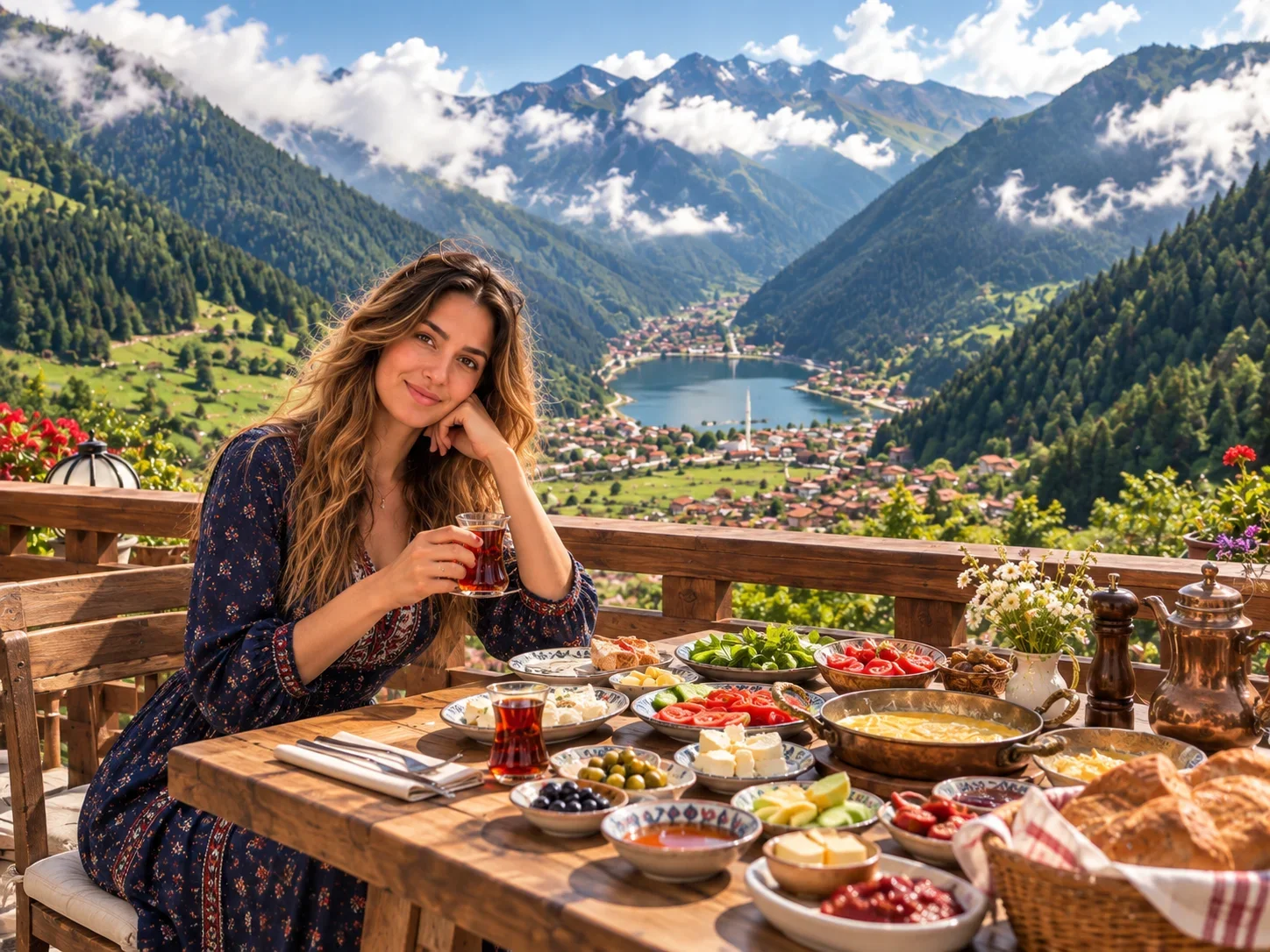
No single destination defines Trabzon tourism more completely than Uzungöl. The lake sits at 1,090 metres in the Çaykara district, approximately 99 kilometres from Trabzon city centre — around 1.5 hours by car through the Haldizen Valley. Uzungöl was not carved by glaciation; it was formed when a landslide blocked the Haldizen Stream, creating a natural dam. The resulting lake, elongated along the valley floor, was declared a 1,625-hectare nature park in 1989.
The lake is best known for the reflection of its white mosque in the still morning water — an image reproduced millions of times and arguably the most photographed single composition in the entire Eastern Black Sea region. Beyond the lake itself, Uzungöl opens into a network of highland terrain: the rough road to Garester Yaylası (2,300m) requires a 4x4 and rewards with a panorama of the full valley; the Haldizen Valley above leads through Demirkapı pass to the remote Yedi Göller (Seven Lakes); Sultan Murat Yaylası at 2,000m preserves the name of Sultan Murad IV, who camped here during his 1635 Persian campaign. For the complete Uzungöl guide — itineraries, highlands, food and getting there — read our guide to attractions near Trabzon.
Boztepe
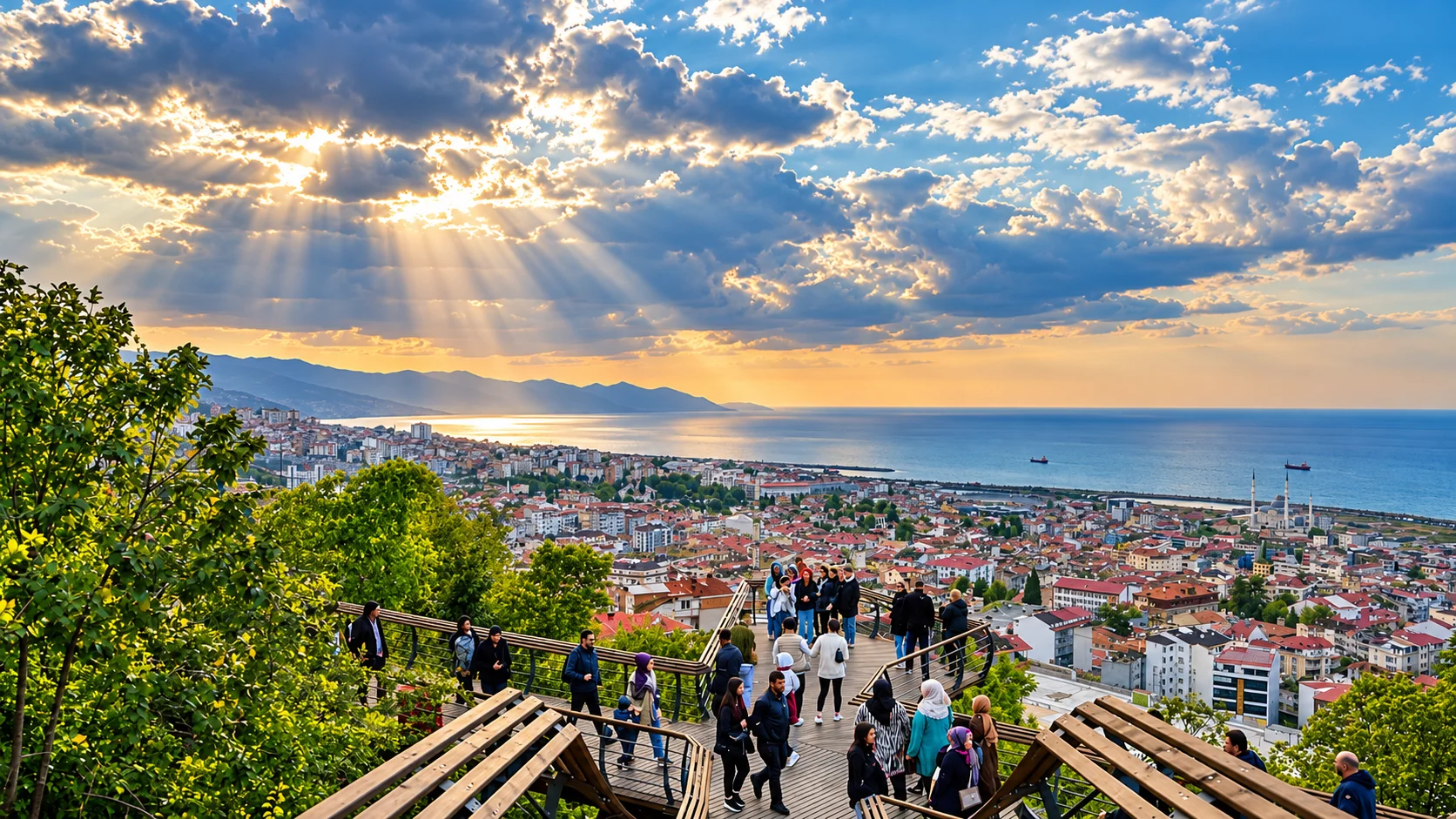
Boztepe is the hill that rises directly above central Trabzon, offering one of the most complete city-and-sea panoramas available anywhere in the Black Sea region. From its tea gardens and viewpoints, the city's layered topography unfolds below — the old quarter of Ortahisar, the port and seafront, the industrial coast stretching east and west, and beyond it all, the Karadeniz itself.
Boztepe is most rewarding in the early morning (for clarity) and around sunset (for colour and atmosphere). It is reached by a short drive or a steep walk from the Ortahisar neighbourhood. The hill hosts several tea gardens — çay bahçeleri — where locals gather in the evening, and the atmosphere on a warm summer evening is genuinely relaxed. Boztepe is one of those places that distinguishes the city visitor's Trabzon from the day-trip tourist's Trabzon.
Trabzon Hagia Sophia (Ayasofya)
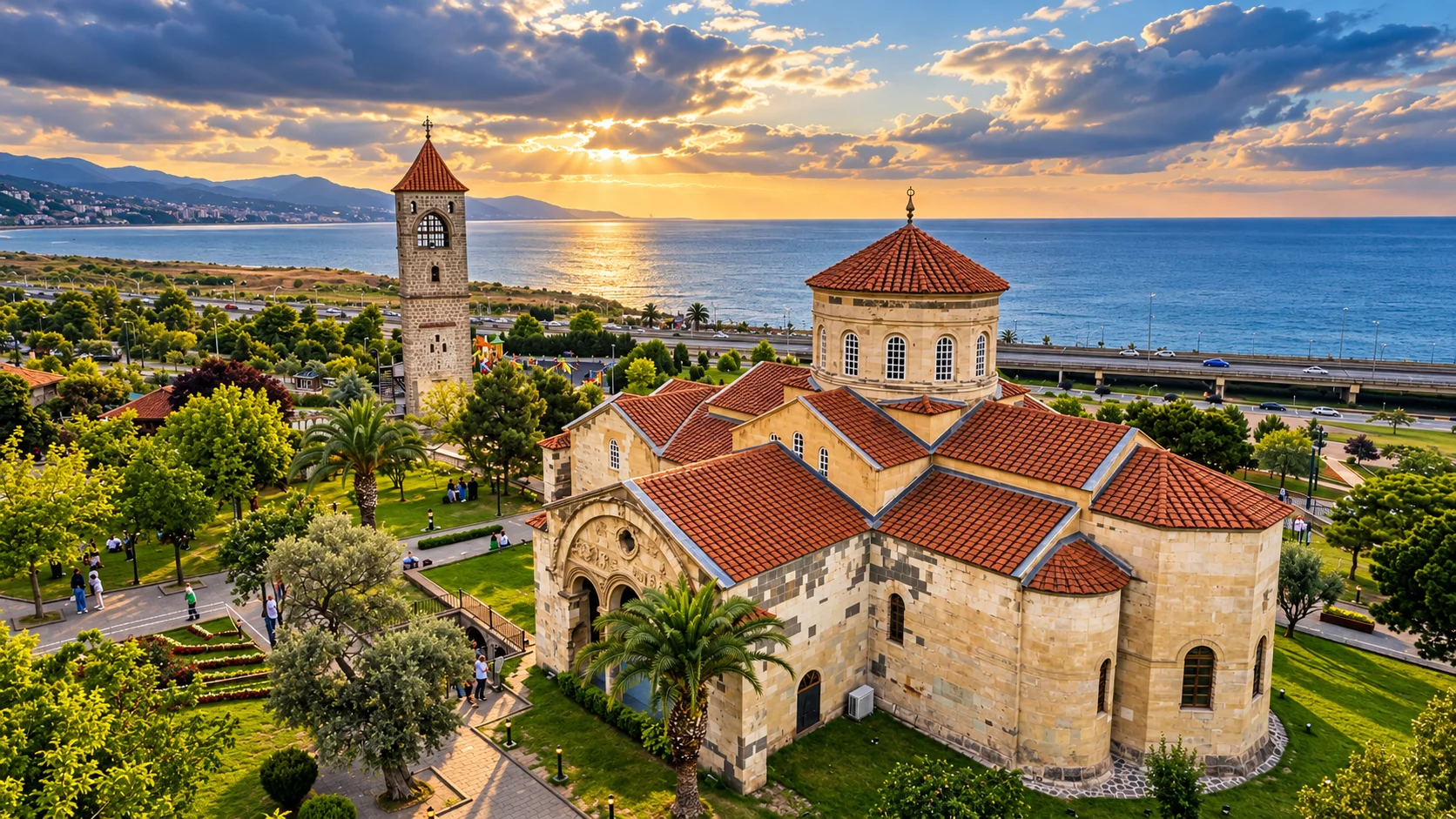
Trabzon's Hagia Sophia is entirely distinct from the famous Istanbul building, though it shares the same dedication to divine wisdom. Built during the reign of Emperor Manuel I Komnenos (1238–1263) of the Empire of Trebizond, it represents the Komnenian architectural achievement at its most refined. The interior frescoes — some partially preserved, some extraordinary — are among the finest surviving examples of medieval Byzantine wall painting in the country.
The church was converted to a mosque after the Ottoman conquest in 1461, served as a museum for decades, and was returned to use as a mosque in June 2013. Today it functions as both an active place of worship and a cultural monument. Entry is free; visitors are welcome outside prayer times, and the frescoes are accessible under illumination. The bell tower is currently closed to visitors. The Ayasofya is within easy walking distance of central Trabzon.
Atatürk Köşkü
The Atatürk Pavilion (Atatürk Köşkü) is a late 19th-century mansion originally built by a Greek merchant family and later used by Mustafa Kemal Atatürk during his visits to Trabzon in 1924 and 1937. The building is now a museum, preserved with its original furniture and personal objects from Atatürk's visits.
The köşk sits on a hillside in the Soğuksu neighbourhood, surrounded by gardens with views over the city. The architecture — European-influenced with a wooden first floor and stone base — is representative of the prosperous merchant class that flourished in Trabzon during the late Ottoman period. The interior gives a good sense of early Republican-era daily life; the exterior gardens are pleasant in good weather.
Çal Mağarası
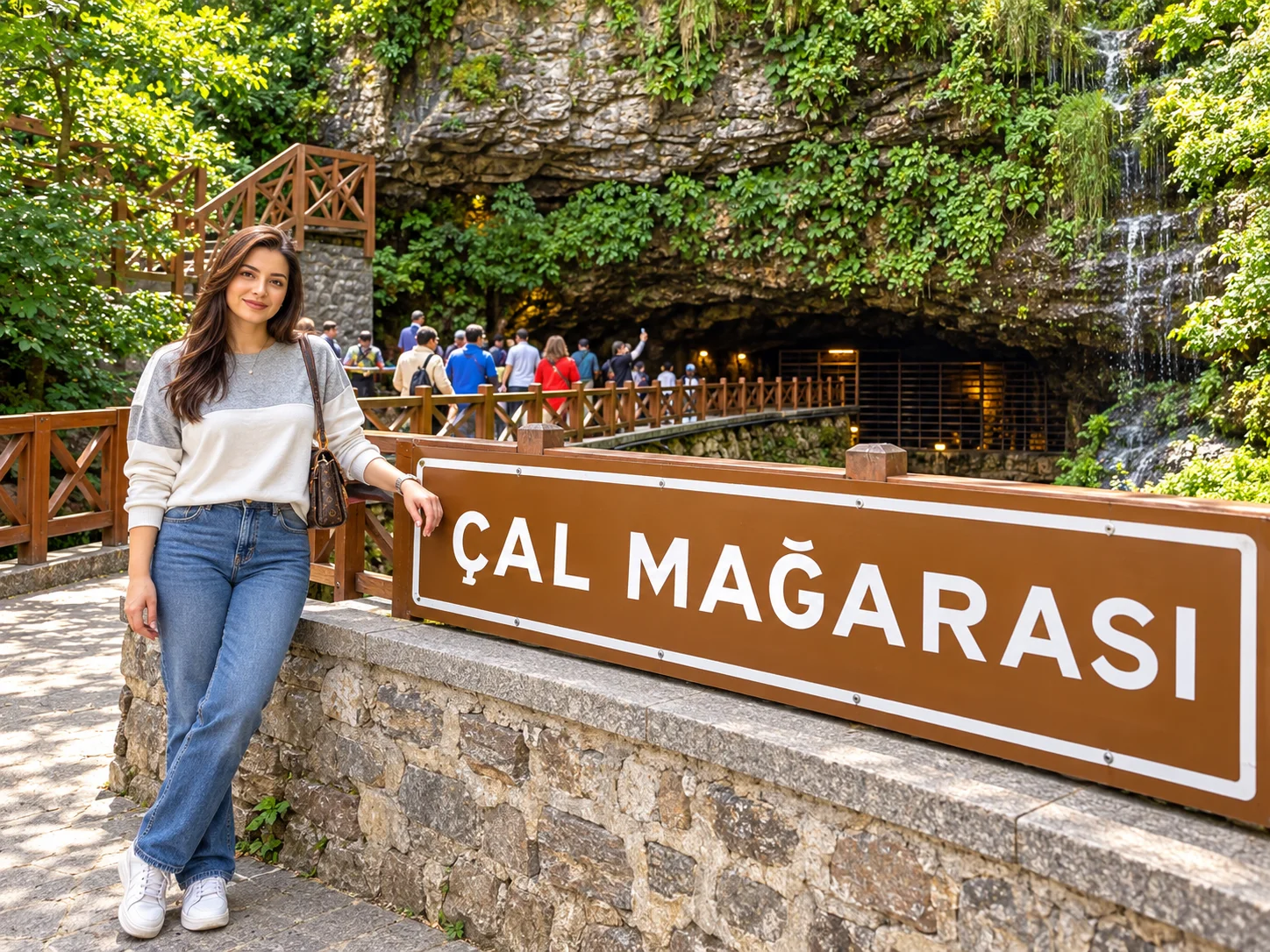
Çal Mağarası (Çal Cave) is one of Turkey's most notable natural cave systems, located in the Düzköy district approximately 47 kilometres from Trabzon city centre. The cave extends for around 8 kilometres in total. Approximately one kilometre is accessible to visitors via illuminated wooden walkways — the main passage divides into two branches, one running some 400 metres and the other 150 metres. The cave sits at an altitude of 1,050 metres.
Inside, stalactites and stalagmites have formed over millions of years, and an underground stream runs through the cave, varying in depth seasonally. The interior temperature stays cool year-round — a genuine asset in summer. Çal Mağarası requires around 2–3 hours including the drive from Trabzon. Combined with a stop at nearby Düzköy or a return route through Akçaabat, it makes an excellent half-day excursion from the city.
Sera Gölü (Sera Lake)
Sera Gölü is a natural lake in the Akçaabat district, about 12 kilometres from Trabzon city centre — close enough for an easy half-day trip that still delivers a convincing taste of the Eastern Black Sea landscape. The lake was formed in 1950 when a landslide blocked the Sera Stream Valley, creating a natural dam similar in origin to Uzungöl, though much closer to the city. It was declared a nature park in 2010.
Sera Gölü is surrounded by forest and backed by hills, with a level of greenness even by Karadeniz standards. The lakeside has restaurants and tea gardens and a flat walking path around the water. It is a popular local destination for evening and weekend outings, and it gives first-time visitors to Trabzon a quick, accessible introduction to the region's woodland lake character without the full drive to Uzungöl.
Hıdırnebi Yaylası
Hıdırnebi Yaylası is a highland plateau in the Akçaabat district at 1,600 metres altitude, approximately 40 kilometres from Trabzon city centre. It is perhaps the most visually atmospheric yayla accessible from Trabzon — famous for the thick fog banks that roll in and out unpredictably, giving the landscape a quality that photographers and fog-enthusiasts describe as extraordinary.
In summer, the temperatures at Hıdırnebi average 10–15°C — a relief from both Istanbul's summer heat and the humidity of the Black Sea coast below. The plateau has bungalow accommodation and small restaurants, and the meadows support traditional summer livestock grazing. A yayla visit here combines well with Sera Gölü or the Akçaabat coast for a day circuit from Trabzon.
Sultan Murat Yaylası
Sultan Murat Yaylası sits at around 2,000 metres in the Çaykara district, approximately 25 kilometres from the Çaykara town centre and naturally combined with an Uzungöl visit. The plateau takes its name from Sultan Murad IV (not VI — a common error), who camped here with his army during his Revan campaign in 1635. The campaign was one of the major Ottoman military expeditions of the 17th century, and the connection gives this otherwise simple highland meadow an unexpected historical dimension.
Spring and early summer bring a full covering of mountain wildflowers to Sultan Murat; winter transforms it into a snow-covered silence. It is reached by a rough mountain road and requires appropriate vehicle clearance, particularly outside summer.
Hamsiköy
Hamsiköy is a village in the Maçka district, en route from Trabzon to Sümela, about 30 kilometres from the city centre. Its culinary fame rests almost entirely on Hamsiköy sütlacı — a baked rice pudding made in traditional wood-fired ovens and regarded across Turkey as the benchmark for the dish. The village's location on the old mountain road connecting the coast to the Zigana pass has given it a long tradition as a waystation, and the sütlaç tradition is built from that history.
For visitors driving to Sümela, a stop at Hamsiköy for breakfast or a mid-morning dessert is a natural break. The views of the Maçka valley from the village road are strong, and the surroundings have a classic Eastern Black Sea mountain quality.
Akçaabat
Akçaabat is a coastal district immediately west of central Trabzon, famous primarily for Akçaabat köftesi — a regional meatball with a distinctive flavour profile shaped by local cattle breeds and traditional preparation. Dozens of köfte restaurants operate in the Ortamahalle area of Akçaabat, and eating here is one of the more authentic culinary experiences available within easy reach of Trabzon.
Akçaabat's coastline and the old Ortamahalle neighbourhood — with its surviving wooden Ottoman-era houses — are worth a wander. The district also serves as a gateway to both Sera Gölü and Hıdırnebi Yaylası. It is reachable in 15–20 minutes from central Trabzon by road.
Trabzon City Centre — Ortahisar and the Old Town
Many visitors pass through Trabzon's centre quickly on the way to Sümela or Uzungöl, but the city itself has layers worth spending time on. The historic core is the Ortahisar district, where the old Byzantine and Ottoman city concentrated around the city's hill fortress.
Trabzon Kalesi (the castle) occupies the flat-topped hill at the heart of Ortahisar — its walls now partially incorporated into the urban fabric but still legible as a defensive structure. Nearby, the Bedesten (covered market) dates to the Ottoman period and remains an active commercial space. Gülbahar Hatun Camii ve Türbesi — the mosque and tomb of Kanuni Süleyman's mother — is one of the earliest Ottoman buildings in Trabzon and carries a biographical significance for the city.
The central pedestrian area, Uzun Sokak, connects the inland upper districts to the seafront. Meydan Parkı at the city's main square is the social centre of modern Trabzon — cafés, restaurants, and the evening rhythm of a Black Sea city that has its own distinct character, separate from the tourist circuit of Sümela and Uzungöl.
Other Trabzon Highlights
For visitors with more time, several further sites are worth noting:
- Vazelon Manastırı (Demir Kaya): A Byzantine rock-cut monastery south of Maçka in the Soğanlı Valley, less visited than Sümela but with atmospheric ruins and a dramatic setting.
- Altındere Valley National Park: Encompasses Sümela and the surrounding forests — good hiking trails connect the valley floor to viewpoints above the monastery.
- Kızlar Manastırı: Small Byzantine monastery ruin close to central Trabzon, easily combined with Boztepe.
- Zağnos Vadisi: A ravine park immediately west of the city centre — an underrated green space with pleasant walking paths and Ottoman bridge remains.
- Sürmene: A coastal district east of Trabzon with a distinctive wooden-house architectural tradition and a local market culture.
Things to Do in Trabzon
Activities across the city and province:
- Hike to Sümela — the path through Altındere forest takes 30–45 minutes from the car park; the full monastery circuit takes 2–3 hours
- Sunrise at Boztepe — the view before the city wakes up is the city's best-kept photographic secret
- Yayla driving circuits — Hıdırnebi, Sultan Murat, Garester, or the upper Haldizen Valley for highland landscapes in a single day with a capable vehicle
- Cave exploration at Çal Mağarası — cool, atmospheric, a genuine contrast to the outdoor-dominated Trabzon experience
- Boat along the Black Sea coast — local excursion boats run from Trabzon harbour in summer
- Walking the Bedesten and Uzun Sokak — the city's old commercial spine, good for local crafts, nuts, and produce
- Try the regional food trail — Akçaabat köftesi, Hamsiköy sütlacı, hamsi at the coast, kuymak in the highlands
Interesting Facts About Trabzon
- Suleiman the Magnificent was born in Trabzon in 1494. His father, Selim I (Yavuz), was governor of Trabzon at the time. The city's connection to one of the Ottoman Empire's most celebrated rulers is a source of considerable local pride.
- The ancient name Trapezus derives from the Greek word for "table" (trapeza) — describing the flat-topped hill at the city's original core.
- The Empire of Trebizond (1204–1461) was one of the longest-surviving Byzantine successor states, outlasting even the restored Byzantine Empire at Constantinople by eight years before falling to Mehmed II.
- Sümela Monastery has stood on its cliff face for over 1,600 years according to tradition — one of the oldest continuously used Christian sites in the Eastern Mediterranean before its 1923 abandonment.
- Trabzonspor, founded in 1967, is the only club from outside Istanbul or Ankara to have won the Turkish football championship (Süper Lig). Their 1984 championship remains one of Turkish football's landmark moments, and the club's passion — and rivalry with Istanbul clubs — is a defining feature of the city's identity.
- The Uzungöl name literally means "long lake" in Turkish — an accurate description of its narrow, elongated shape, best appreciated from the Garester Yaylası viewpoint above.
- Trabzon was a key node on the Silk Road branch connecting the Black Sea to Persia — the city's Bedesten and hans (caravanserais) are physical remnants of that trading heritage.
- The region produces some of Turkey's finest hazelnuts; the Giresun–Trabzon–Ordu coastal strip accounts for a substantial proportion of world hazelnut output.
What to Eat in Trabzon
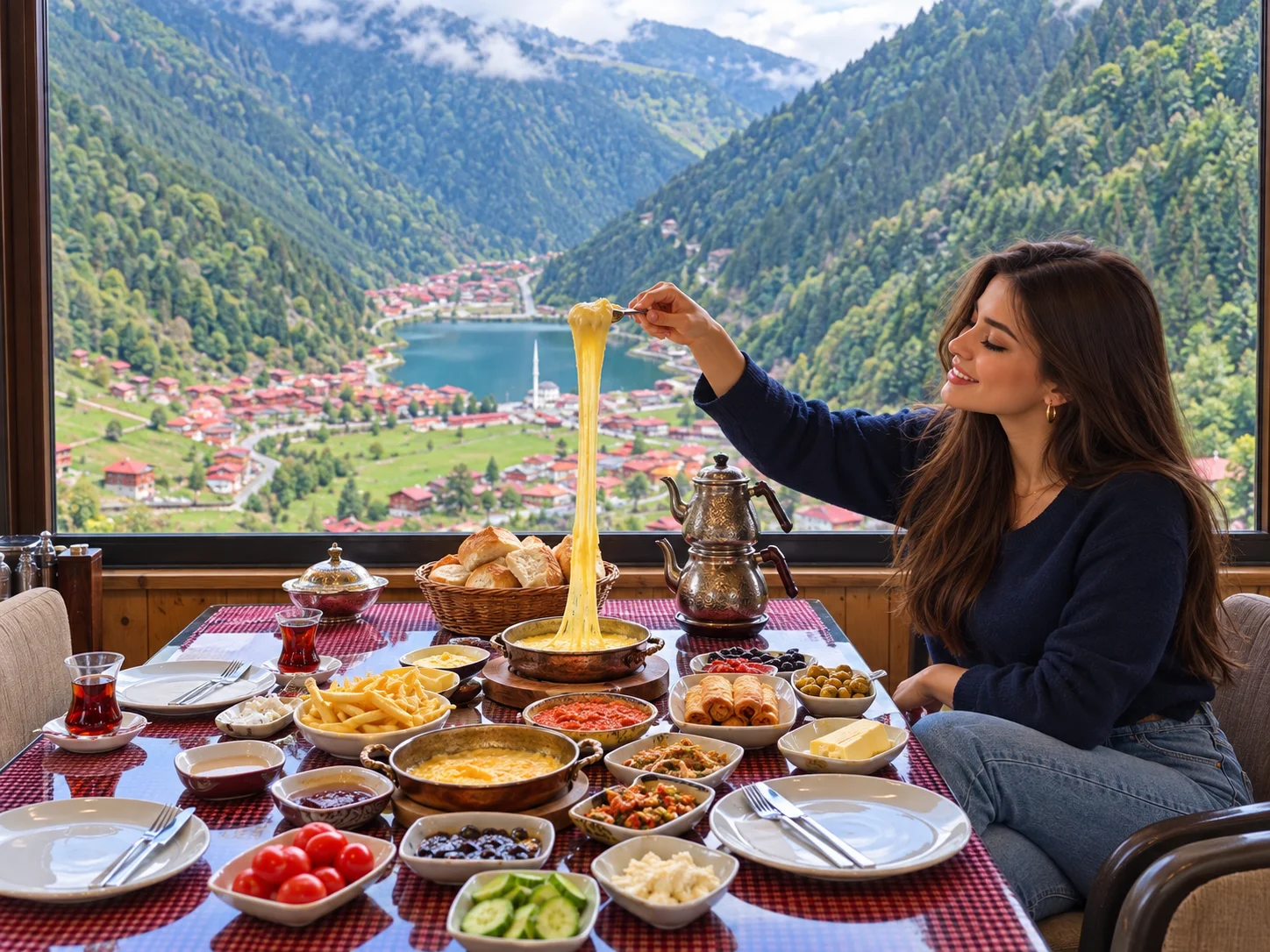
Trabzon's culinary identity is one of the most regionally distinct in Turkey. The Black Sea diet draws heavily on corn, collard greens, fresh butter, local cheese, trout and anchovy. Key dishes:
- Akçaabat köftesi: Regional meatballs with a characteristic texture and flavour, best eaten at source in Akçaabat's Ortamahalle restaurants
- Hamsi (anchovy): The Black Sea's symbolic fish — pan-fried in cornmeal (hamsi tava), wrapped with rice (hamsili pilav), or baked in corn bread
- Kuymak / Muhlama: Cornmeal, local kaçar cheese and butter cooked together into a molten, stretchy mass — served hot from the pan; the definitive highland dish
- Karalahana çorbası / sarması: Collard greens (karalahana) soup or wrapped with filling — a staple of the local diet and widely available in restaurants
- Mısır ekmeği: Cornbread, denser and more flavourful than standard bread, served with most meals
- Vakfıkebir ekmeği: Traditional sourdough bread from the district of Vakfıkebir, considered among the finest breads in Turkey
- Hamsiköy sütlacı: Baked rice pudding from Hamsiköy village — the most celebrated single dish in the province, made in wood-fired ovens
- Laz böreği: A custard-filled pastry from the Eastern Black Sea region — lighter than standard börek and often served warm
- Alabalık (trout): From highland streams and Uzungöl area rivers — pan-fried simply with butter
- Yayla kahvaltısı: The highland breakfast: a spread of local honey, fresh butter, kaymak, yayla cheese and mısır ekmeği, typically served at highland plateau restaurants
Where to Stay in Trabzon
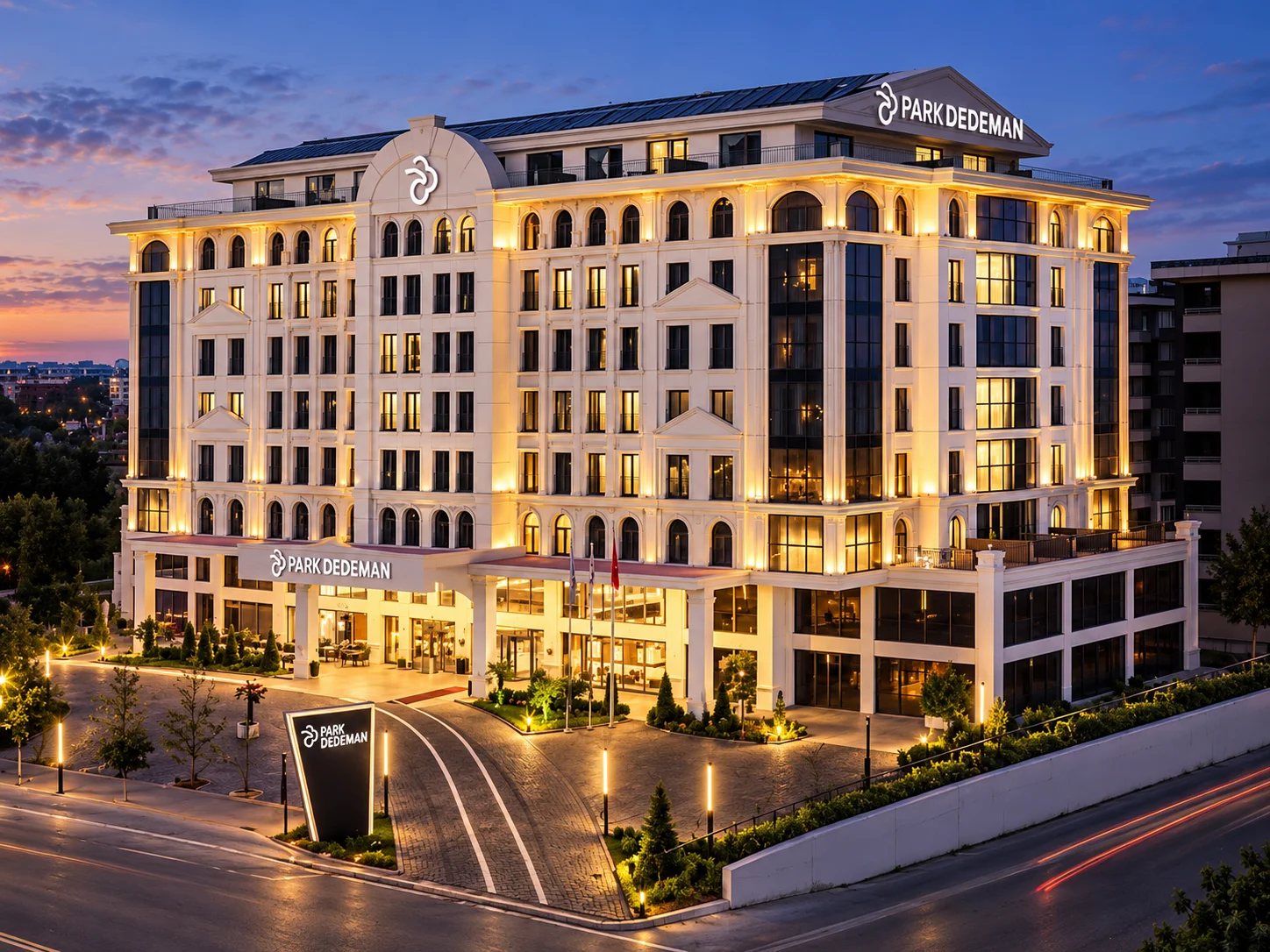
Trabzon's accommodation divides broadly by neighbourhood and purpose:
- City centre / Ortahisar: The most convenient base for first-time visitors — walking distance to the Bedesten, Ayasofya, Boztepe and the Meydan. Multiple hotel options at various price points, with the best rooms offering Black Sea views.
- Yomra / Kaşüstü: East of the airport, near the Forum Trabzon shopping centre. Practical for those arriving late or departing early, with newer build properties and easy motorway access.
- Akçaabat: West of the city, quieter and coastal — suitable for visitors who want a slightly removed base with the city accessible in 20 minutes.
- Maçka: For visitors prioritising Sümela, staying in or near Maçka cuts 30 minutes from the morning monastery drive and puts you inside the Altındere landscape.
- Uzungöl: The highland lake has a well-developed range of wooden chalet-style guesthouses and hotels — the natural choice for anyone spending two or more nights in the Çaykara–Uzungöl area.
Book well in advance for July and August, particularly in Uzungöl where peak season demand significantly outstrips capacity.
When to Visit Trabzon
- Spring (April–May): The mountains emerge from winter with vivid green, waterfalls run at peak volume, and Sümela is uncrowded. The Black Sea can be wet and changeable — take waterproofs. Highland roads may still have snow above 1,500m in April.
- Summer (June–August): Peak season. Uzungöl becomes very crowded in July and August — arriving before 9am is strongly recommended. The highlands offer genuine relief from Istanbul summer heat; temperatures at Hıdırnebi average 10–15°C even in July. International visitors, particularly from Gulf countries, concentrate heavily in summer.
- Autumn (September–October): The best overall season for most visitors — crisp air, autumn colour across the beech forests, reduced crowds and accommodation prices, and highland roads typically still open. Sümela in autumn light is exceptional.
- Winter (November–March): Snowfall above 800m is common and the higher highlands become inaccessible. Uzungöl under snow has its own appeal, and the city itself operates normally. Road conditions above Çaykara and on all yayla roads require local checking before travel.
The Eastern Black Sea is genuinely one of Turkey's wetter regions — carry a waterproof layer in every season. The moisture is precisely what creates the landscape.
How Many Days in Trabzon?
Two days: Sufficient for the city essentials — Ayasofya, Atatürk Köşkü, Boztepe, Ortahisar, Akçaabat — and one major excursion: either Sümela or Uzungöl.
Three days: Adds both Sümela and Uzungöl, with time to do each properly rather than as a rush. Day 3 can incorporate Hamsiköy, Çal Mağarası or Sera Gölü depending on preference.
Four to five days: Opens the yaylas properly — Hıdırnebi, a night in Uzungöl, Garester Yaylası, Sultan Murat. This is the pacing at which Trabzon's highland character becomes most apparent.
Sample 2-Day Trabzon Itinerary
Day 1: Morning — Trabzon Ayasofya + Atatürk Köşkü + Ortahisar old town. Afternoon — Boztepe for the panorama. Evening — dinner in Akçaabat (Akçaabat köftesi) or on the seafront.
Day 2: Early departure for Sümela Monastery — arrive before crowds (before 10am). Stop at Hamsiköy for sütlaç on the way back. Afternoon — Sera Gölü or free time in the city centre.
Sample 3–4 Day Trabzon Itinerary
Day 1: City circuit — Ayasofya, Atatürk Köşkü, Boztepe, Akçaabat dinner.
Day 2: Sümela Monastery + Hamsiköy + Altındere Valley walk.
Day 3: Uzungöl — drive via Çaykara, lakeside walk, mosque reflection photography, seyir terası. Overnight in Uzungöl.
Day 4: Morning: Garester Yaylası (4x4 or tour vehicle) or Haldizen Valley. Return via Sultan Murat Yaylası direction if road conditions allow. Trabzon evening return.
Getting to Trabzon from Istanbul
Video: Trabzon and the Eastern Black Sea — an overview.
By air is by far the most practical option for most travellers. Trabzon Airport (TZX) receives frequent flights from Istanbul (both IST and SAW airports), Ankara, Izmir, and other domestic points. The flight from Istanbul takes approximately 1.5 hours. The airport is approximately 6 kilometres from the city centre. For Istanbul airport transfer connecting to your Trabzon flight, see our transfer service.
By bus from Istanbul's otogar: approximately 15–17 hours via the coastal highway. Long-distance coach services are reliable and comfortable, but the journey time means they suit travellers who prefer overland travel rather than those optimising for time.
By private transfer or intercity car: For groups or families, an intercity car with driver can be arranged from Istanbul or Ankara for the Trabzon journey, with flexibility to stop en route — Samsun, Ordu, Giresun are natural waypoints on the coastal road. The drive is approximately 14–16 hours from Istanbul.
Getting around Trabzon: A car is highly recommended for exploring beyond the city — Sümela, Uzungöl, Çal Mağarası, and the yaylas are all substantially better experienced with your own transport. Dolmuş (shared minibus) services connect the main destinations but require connections and are time-consuming. For highland routes (Garester, upper Haldizen Valley) a 4x4 or appropriate clearance vehicle is needed.
Beyond Trabzon: Rize and Ayder
Trabzon makes a natural staging point for exploring the broader Eastern Black Sea, but it is important to be clear about administrative geography: Ayder Yaylası is in Rize province, not in Trabzon. Specifically, Ayder is in the Çamlıhemşin district of Rize — approximately 150 kilometres east of Trabzon city centre.
For visitors combining Trabzon with the Eastern Black Sea, a logical extension is the Rize coast — tea plantations, Fındıklı, and eventually Ayder with its waterfalls and thermal springs. This works best as a separate overnight trip from Trabzon rather than a day excursion. The journey from Trabzon to Ayder is around 2.5 hours each way, which makes a rushed day trip unsatisfying for a destination that deserves its own time. Ayder and Rize are covered in our dedicated Eastern Black Sea regional guide.
FAQ: Trabzon Travel Guide
Where is Trabzon?
Trabzon is on Turkey's Eastern Black Sea coast, approximately 1,070 km from Istanbul. It is the largest city in the Eastern Black Sea region and the capital of Trabzon province, situated where steep mountain ranges descend almost directly to the coast.
Is Uzungöl in Trabzon?
Yes. Uzungöl is in the Çaykara district of Trabzon province, approximately 99 km from Trabzon city centre. It is one of the most visited natural sites in the Eastern Black Sea region.
Is Sümela Monastery in Trabzon?
Yes. Sümela Monastery is in the Maçka district of Trabzon province, within Altındere Valley National Park, approximately 47 km south of Trabzon city centre.
Is Ayder in Trabzon?
No. Ayder Yaylası is in Rize province, specifically the Çamlıhemşin district, approximately 150 km east of Trabzon. It is often included in Eastern Black Sea itineraries alongside Trabzon, but they are separate provinces.
How many days do you need in Trabzon?
Two days covers the city centre and one major excursion (Sümela or Uzungöl). Three days allows both properly. Four to five days opens the yaylas and highland routes. If you want to also visit Rize and Ayder, add at least one more day.
What is the best time to visit Trabzon?
Autumn (September–October) is generally the most pleasant — cooler than summer, far fewer crowds than July–August, and autumn colour in the forests. Summer is the peak season with the best highland road access but heavy visitor numbers at Uzungöl. Spring is beautiful but wetter. Winter is quiet with snow above 800m.
Can Sümela and Uzungöl be visited on the same day?
It is possible but rushed and not recommended. Sümela is 47 km south of Trabzon; Uzungöl is 99 km east. Doing both on a single day leaves minimal time for either and involves significant driving. Give each its own day for a better experience.
Is a car necessary in Trabzon?
For the city itself, no. For Sümela, Uzungöl, Çal Mağarası, and the yaylas, a car is strongly recommended. Public dolmuş services exist but require connections and are time-consuming. A private transfer or rental car gives much more flexibility.
What food should you try in Trabzon?
Akçaabat köftesi (regional meatballs), kuymak/muhlama (cornmeal and cheese cooked with butter), hamsi (anchovy dishes), Hamsiköy sütlacı (baked rice pudding), mısır ekmeği (cornbread), and the yayla kahvaltısı (highland breakfast) are the essential Trabzon food experiences.
How far is Trabzon Airport from the city centre?
Trabzon Airport (TZX) is approximately 6 kilometres from the city centre — one of the shortest airport-to-city distances in Turkey. The journey by taxi or transfer takes 10–15 minutes under normal traffic conditions.
Is Trabzon suitable for families with children?
Yes. Uzungöl's flat lakeside walk, Sera Gölü, Boztepe's accessible viewpoints, the city's parks, and the general relaxed pace of the Eastern Black Sea make Trabzon a very comfortable family destination. Sümela requires a 30–45 minute forest walk on a well-maintained path — manageable for older children. Highland roads for Garester and upper yaylas require more planning with young families.