
Çorum: Three Hittite Landscapes, One Provincial Capital
This guide covers Çorum Province—not only the city. Sleep in Merkez for the museum, clock tower and Ulu Cami belt; give Boğazkale a full day for UNESCO Hattuşa and Yazılıkaya; drive to Alaca for Alacahöyük; keep Ortaköy for Şapinuva and İncesu. Hattuşa is not Alacahöyük, and neither is Şapinuva.
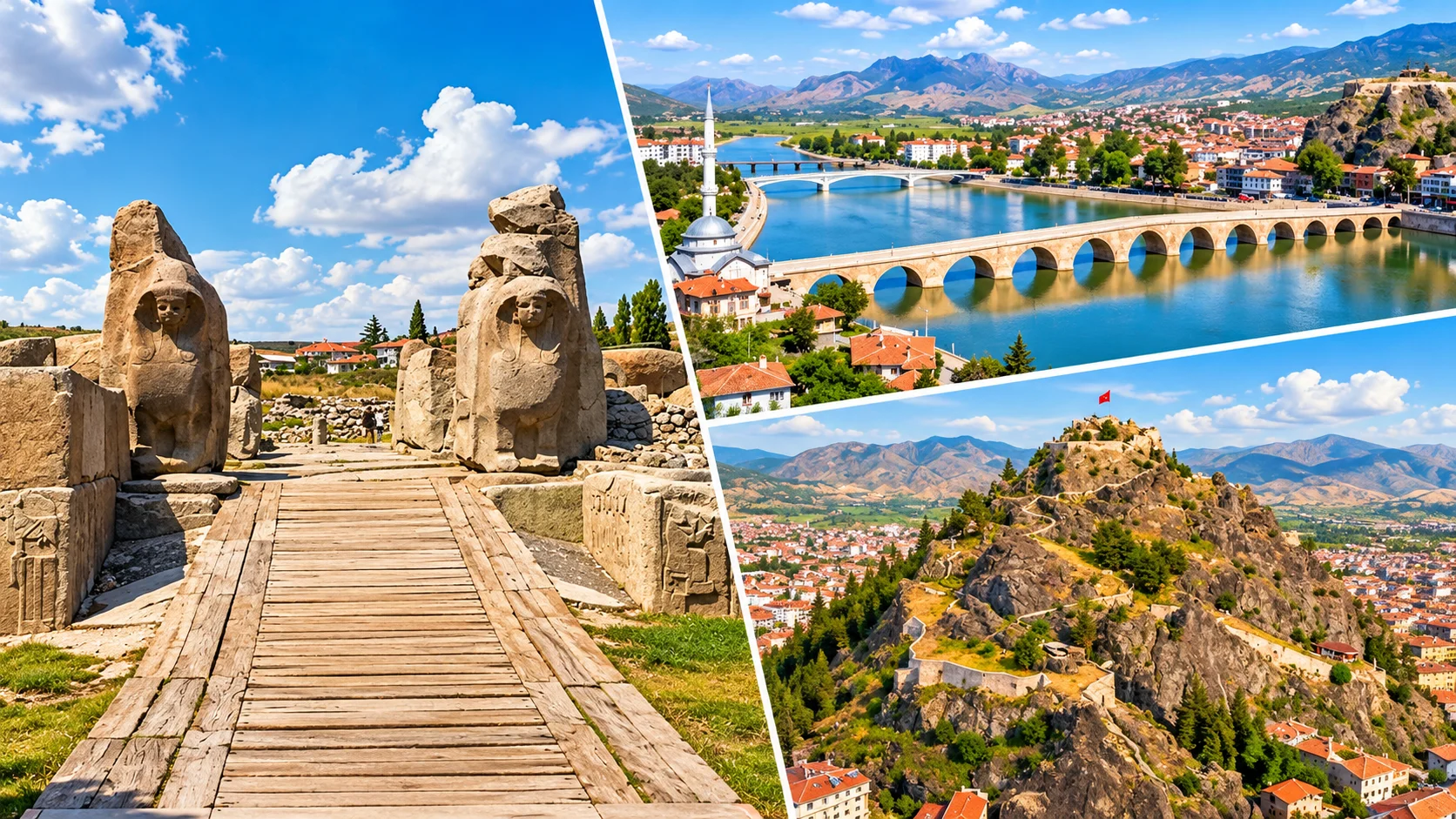
Çorum Province: Quick Facts
| Item | Detail |
|---|---|
| City vs province | Çorum Merkez holds museums, the clock tower, Ulu Cami, castle and most hotels. Signature Hittite and canyon days sit in districts |
| Tourism clusters | Merkez · Boğazkale / Hattuşa / Yazılıkaya · Alaca / Alacahöyük · Ortaköy / Şapinuva / İncesu · İskilip · Osmancık · Laçin / Mecitözü · Bayat / Kargı |
| Signature days | Hattuşa + Yazılıkaya + Boğazkale Museum · Alacahöyük museum-site · Şapinuva + İncesu · Merkez culture walk |
| Airport | No Çorum civil airport. Nearest practical hub: Amasya Merzifon (MZH); otherwise Ankara/IST + road. High-speed rail is under construction—not a passenger product yet |
| UNESCO notes | Hattuşa = inscribed World Heritage (1986, dossier 377). Boğazköy tablets = Memory of the World (2001). Alacahöyük is not the same WH inscription |
| National park | Boğazköy–Alacahöyük Milli Parkı (DKMP). Gölünyazı is a local wetland—not a national park |
| Food GI highlights | Çorum Leblebi (TÜRKPATENT 42) · İskilip Dolması (130) · Oğuzlar Walnut (493) · Kargı Tulum Cheese (933) |
| Nearby guides | Ankara · Amasya · Turkey overview |
Hattuşa on Film
A short visual pass over the Hittite capital landscape. Use it for atmosphere only—museum hours, ticket desks and road status should be rechecked on your travel date.
Start with Geography: Merkez Hotels, Then Separate Hittite Spokes
Çorum city is a compact logistics base with museums and Ottoman–Republican monuments. Hattuşa sits in Boğazkale (~80+ km southwest). Alacahöyük is in Alaca—not Sungurlu. Şapinuva and İncesu Canyon share the Ortaköy corridor. Do not sell Hattuşa + Alacahöyük + Şapinuva as one daylight fantasy.
City logistics
Use Merkez for overnight stays, Çorum Museum, the clock tower, Ulu Cami, castle and Velipaşa Hanı. Pair with one archaeology day, not three.
Two different Hittite days
Hattuşa/Yazılıkaya need walking hours and a museum stop. Alacahöyük is a separate mound with Hatti tombs and a Hittite gate—budget its own half- to full-day.
Şapinuva + İncesu
Combine the Hitite centre at Şapinuva with İncesu’s canyon platform when energy allows—still a dedicated Ortaköy day.
City Core: Museum, Clock Tower, Ulu Cami and Castle
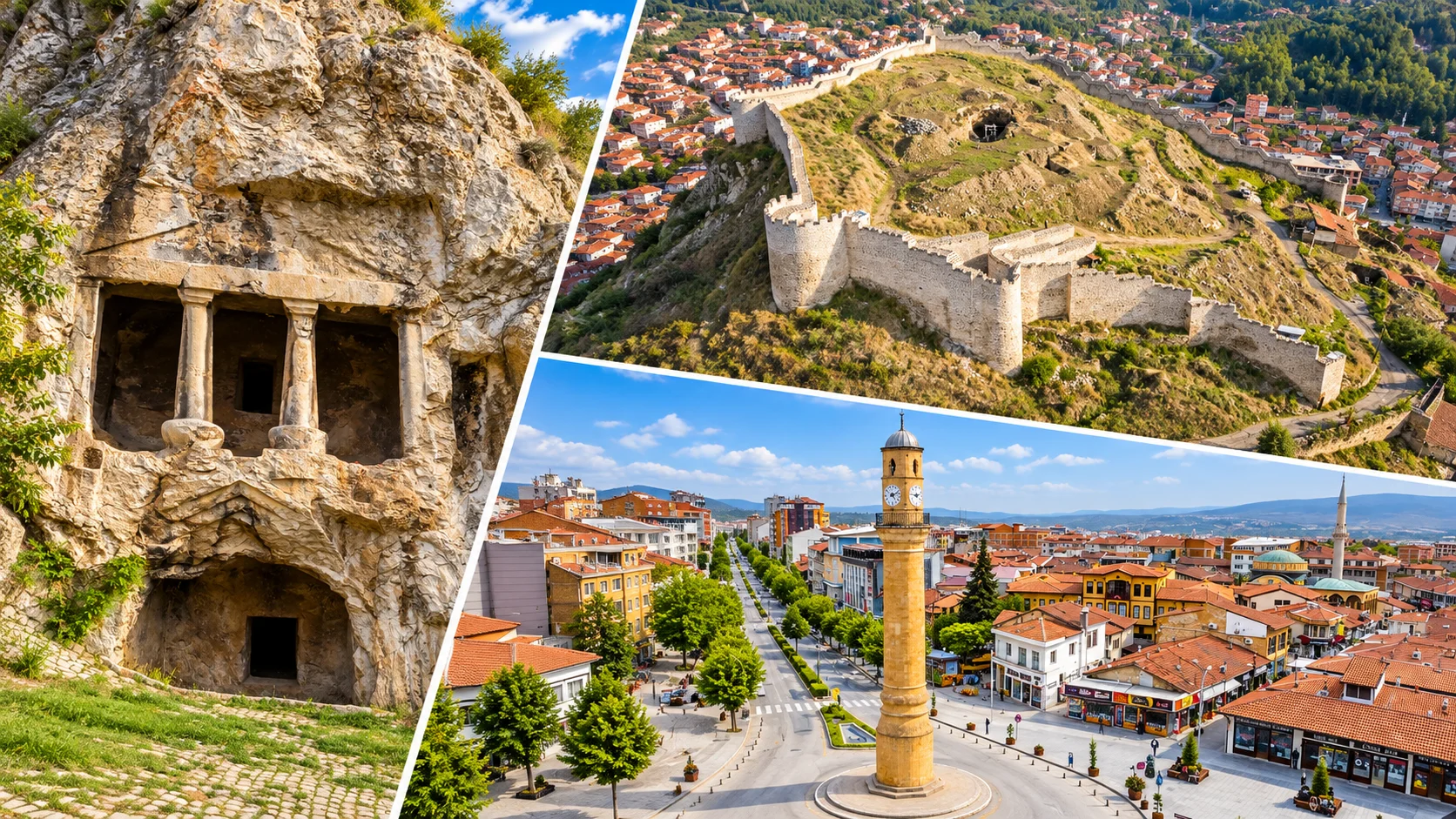
Çorum Museum anchors Merkez with regional archaeology before or after district days. The Clock Tower (1894) was commissioned by Beşiktaş commander Yedi Sekiz Hasan Paşa under a Sultan Abdülhamid II firman; yellow sandstone, about 27.5 m, still a meeting landmark.
- Muradi Rabi Ulu Cami: tradition places a late-13th-century Seljuk-era foundation (Hayreddin). The present fabric reflects multi-phase Ottoman repairs—III. Murad / Mimar Sinan repair tradition, IV. Murad’s Muradi Rabi naming, and a major early-19th-century rebuild after earthquakes. Visit for layered history, not a single-century label.
- Çorum Castle: Evliya Çelebi records a Seljuk (Kılıçarslan) tradition; the earliest written Ottoman documents date from 1571. Walls reuse Roman–Byzantine spolia. Walk the exterior and bazaar edge; do not invent a single founding year.
- Velipaşa Hanı: late-19th-century urban han restored and reopened (2022) with city-museum / café uses near the clock-tower belt—confirm opening rooms on the day.
Hattuşa: Capital Circuit, Gates and the Great Temple
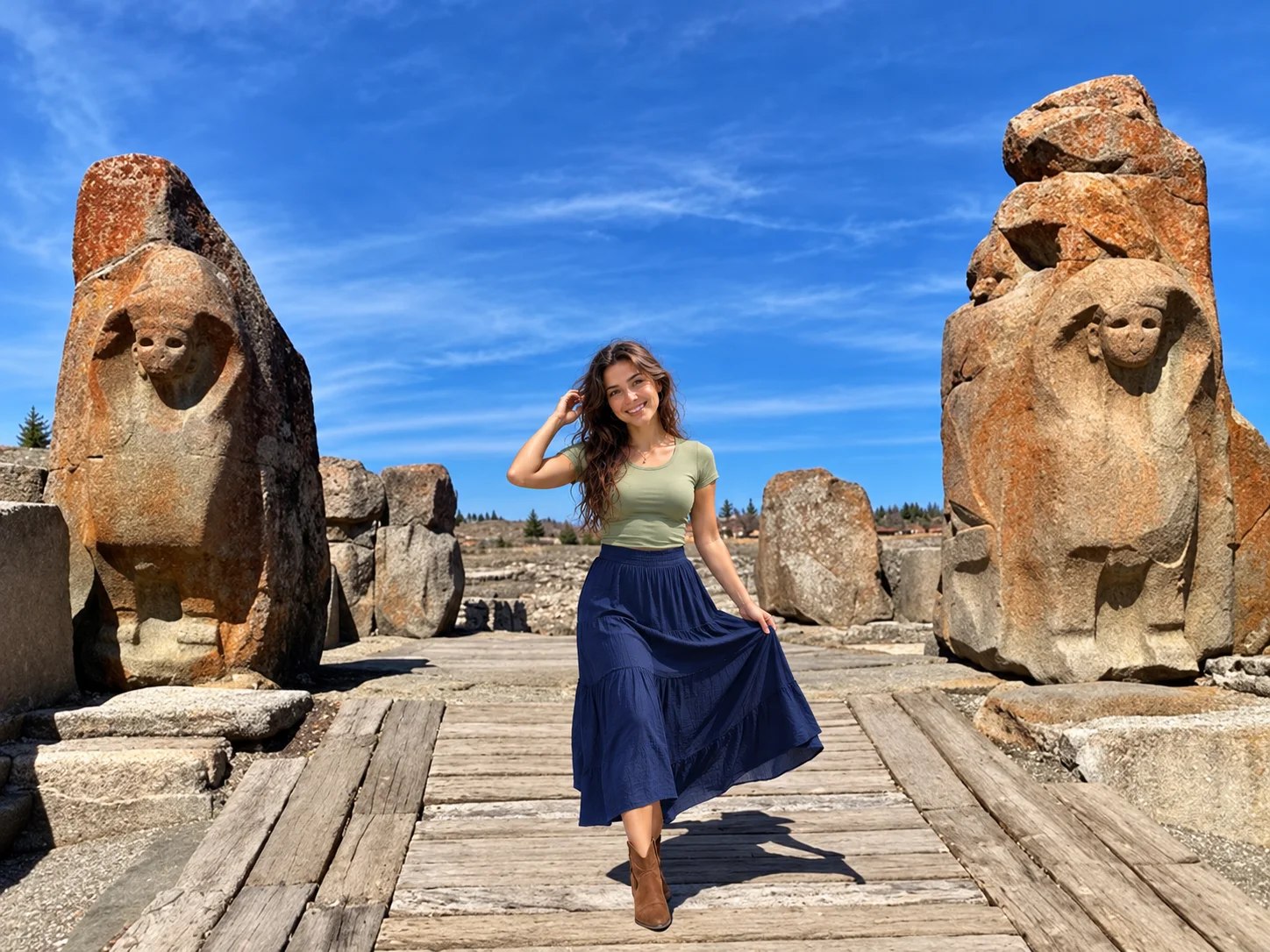
Hattuşa (Hattusha / Boğazköy) in Boğazkale is the inscribed Hittite capital on the UNESCO World Heritage List since 1986 (dossier 377, criteria i–iv). A monumental enclosure more than 8 km long frames Lower and Upper City zones divided by Kızlarkayası creek.
- Gates: Lion’s Gate (southwest), King’s Gate (southeast), Sphinx Gate on the Yerkapı artificial bastion with stair and tunnel approaches—walk times add up; wear proper shoes.
- Great Temple complex in the Lower City and the Büyükkale royal citadel are the urban core stops. The much-photographed green stone near the temple is tourist folklore—treat miracle stories as myth, not excavation fact.
- Tablets & Kadesh: Boğazköy archives entered UNESCO’s Memory of the World in 2001. Akkadian copies of the Hattušili III–Ramses II peace settlement (often dated ~mid-13th century BCE) are among the earliest surviving written international peace treaties—qualify “first treaty” language; fragments are still studied (including recent Büyükkale finds reported in 2026).
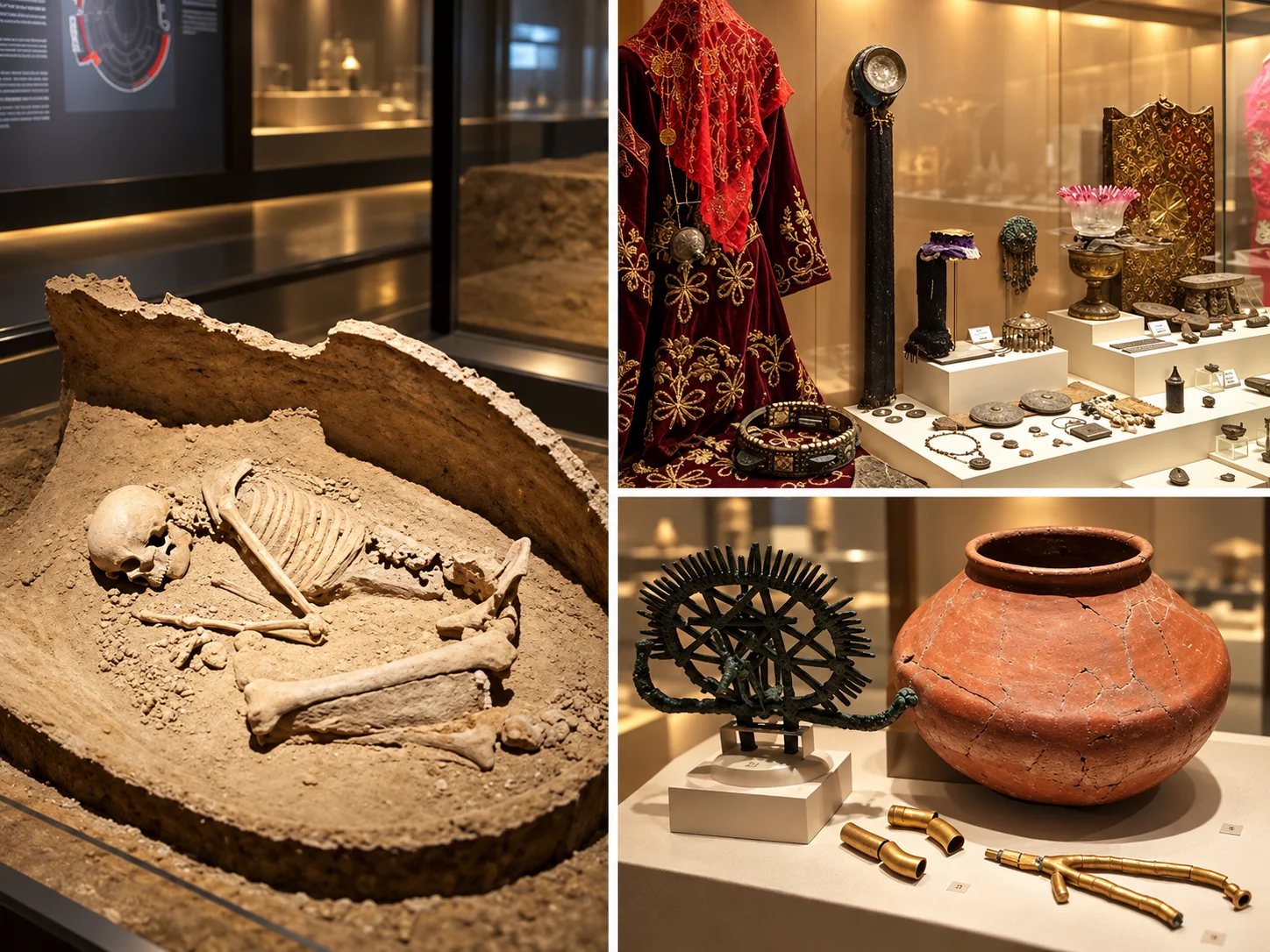
- Boğazkale Museum: pair with the ruins the same day. Summer 2026 extended-hour lists show museum and örenyeri toward 19:00; baseline muze.gov.tr hours often close earlier—recheck desks. MüzeKart applies for eligible visitors; DOSİM lists euro-band tickets separately for museum and site.
Boğazköy–Alacahöyük National Park
DKMP lists Boğazköy–Alacahöyük Milli Parkı as the official park name tying the Boğazkale–Alaca heritage landscape. It does not merge the two archaeological tickets into one destination day.
Cab Istanbul provides independent chauffeur routing only—not licensed archaeology guiding or museum partnerships.
Yazılıkaya: Chamber A, Chamber B and Tudhaliya IV
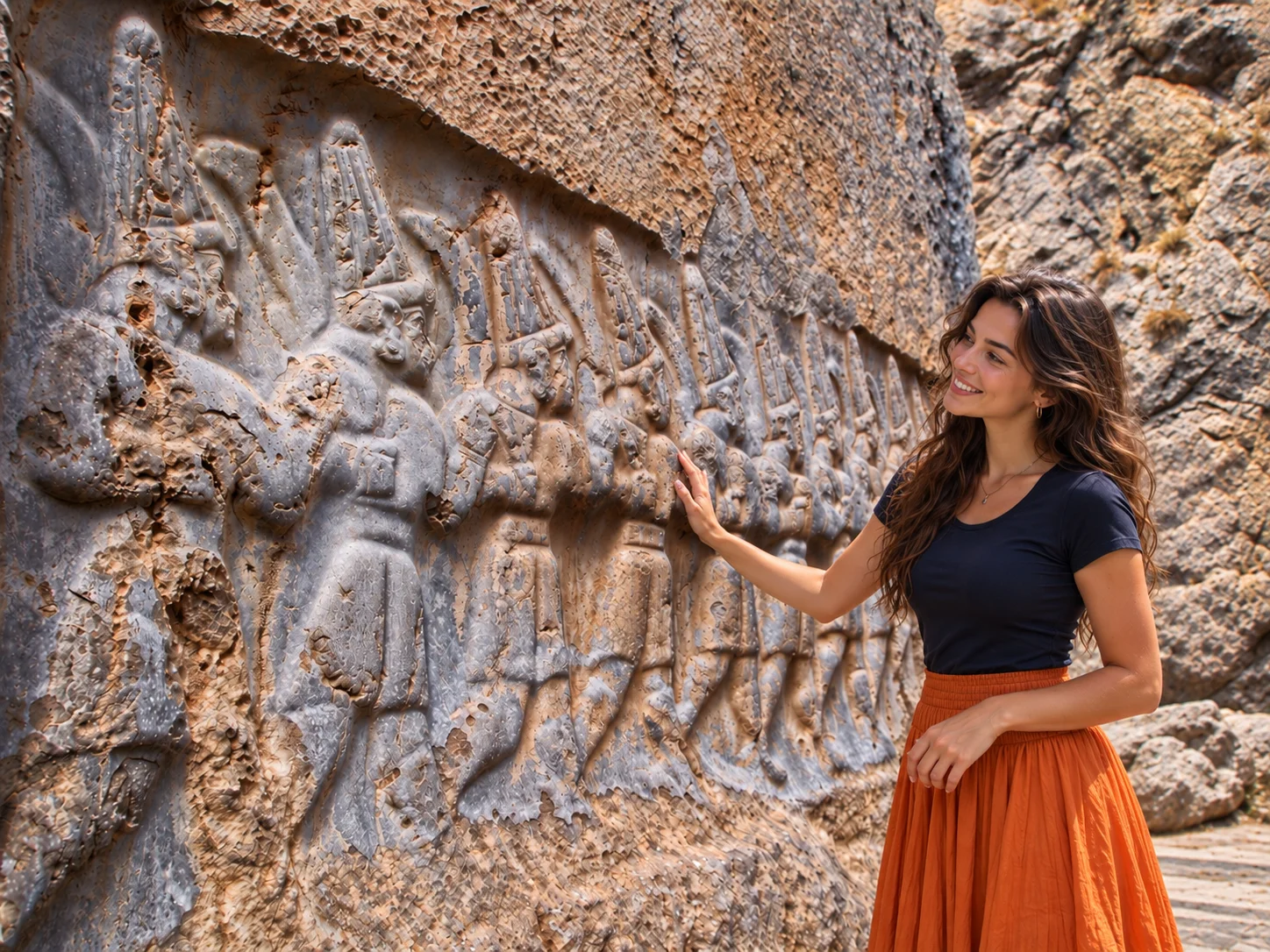
About 2 km northeast of the capital walls, Yazılıkaya is Hattuşa’s great rock sanctuary—two natural chambers cut into bedrock and carved with Hittite divine processions. It is normally visited on the same Boğazkale ticket/day as the city ruins; confirm the desk rule on arrival.
- Chamber A (Great Gallery): gods on one wall, goddesses on the other, converging on the Storm God and Sun Goddess main scene. A larger Tudhaliya IV figure appears in ceremonial dress.
- Chamber B (Small Gallery): separate entrance; Twelve Gods with sickle-swords, the Sword God (Nergal), and Šarruma embracing Tudhaliya IV—often read as underworld / royal cult space. Nitches may have held offerings or royal ashes—stated as scholarly interpretation, not proven tourist dogma.
- Skip unverified “calendar temple” theories sold as fact. Read the reliefs as imperial cult art of the late Empire, especially Tudhaliya IV’s programme.
yazlikkayaAlacahöyük: Hatti Tombs, Hittite Gate and Site Museum
Alacahöyük lies in Alaca district—southeast of Merkez and not inside Sungurlu. It is a separate Bronze Age and Hittite mound from Hattuşa, with its own museum inside the örenyeri.
- Hatti tombs: Early Bronze Age princely graves (stone-lined chambers with cattle skull/leg offerings) produced the famous sun discs, stag and bull standards and precious-metal vessels—many masterpieces now in Ankara’s Museum of Anatolian Civilizations, with site museum context on site.
- Hittite gate: the monumental sphinx gate and orthostat reliefs (including storm-god bull imagery) belong to the later Hittite temple-palace horizon—do not caption Hatti tombs as “Hittite graves.”
- Waterworks / early dam remains are part of the visitor narrative; summer 2026 hours lists extend toward 19:00—reconfirm. Alacahöyük is linked in the national-park frame with Boğazkale but is not the same UNESCO WH dossier as Hattuşa.
Şapinuva and İncesu Canyon: One Corridor, Two Experiences
Şapinuva (Ortaköy) is a major Hittite administrative, military and cult centre about 53 km southeast of Merkez and ~3 km from Ortaköy town. Royal correspondence (including letters involving Tudhaliya III and queen Taduhepa) and temples of the Storm God underscore its rank. Ongoing Hitit University excavations (2025–2026 monumental building work) mean some areas may be active dig zones—follow on-site signs.
- Wording discipline: do not call Şapinuva a verified “second capital” or “summer capital.” State it as a powerful regional centre with royal presence—not a co-capital claim.
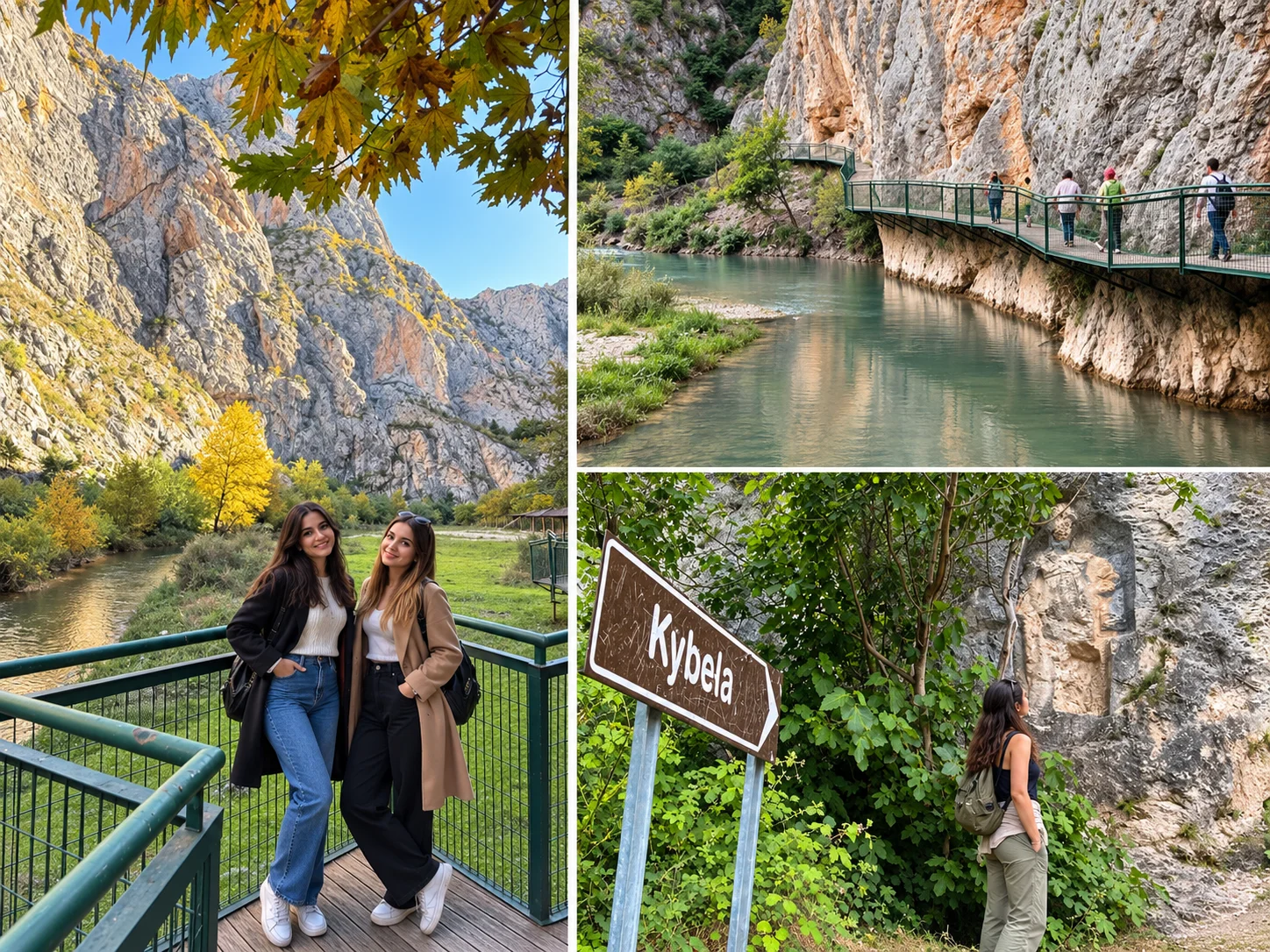
- İncesu Canyon (local name Uzungeçit) runs ~12–12.5 km along the Çekerek between Yozgat’s Kazankaya and Ortaköy’s İncesu village. A ~700 m rock-anchored walkway leads toward a Hellenistic Kybele relief (enthroned goddess with lion cub; often cited as Anatolia’s largest of its type). Trekking and rock-sport use are established in tourism copy; seasonal rafting appears when water is high—conditions vary.
- Realistic Ortaköy day: morning Şapinuva + afternoon İncesu platform/Kybele (or reverse). Do not also force full Hattuşa into the same daylight.
Rock Tombs, Koyunbaba Bridge and Kapılıkaya
İskilip rock tombs below the castle are inventoried as Roman-period (scholarship also discusses Late Hellenistic–Roman / Paphlagonian façade traditions). Do not default-label them Phrygian. The Ottoman-period castle sits on a high rock spur; access is a steep walk—check footing and any local closures.
- Koyunbaba Bridge (Osmancık): Bayezid II patronage; construction 1484–1489; ~250 m long, designed with 19 pointed arches (~15 still visible above river fill). Named for the route toward Koyun Baba’s shrine—keep saint folklore separate from the dated Ottoman bridge.
- Kandiber Castle: rock fortress above the Kızılırmak at Osmancık with multi-period use; photograph the setting without inventing a single founding dynasty year.
- Kapılıkaya (Laçin / Kırkdilim): Hellenistic rock tomb (~2nd century BCE) with the “IKEZIOS” inscription, ~27 km north of Merkez on the Osmancık road corridor. Elvan Çelebi (Mecitözü) is a named historic complex if you continue east—skip unverified waterfall filler as a must-see.
Koyun Baba vs history
Local stories credit Koyun Baba’s baraka for the bridge and flocks. Visit the türbe as living devotion; cite Bayezid’s kitabe dates for engineering history.
Nature Stops Worth Keeping
Keep the list honest. Official DKMP surfaces for Çorum highlight Boğazköy–Alacahöyük National Park plus Sıklık, Çatak and Aksu Nature Parks. Gölünyazı appears as a locally important wetland—not a national park—so it is omitted from must-see park branding here.
- Sıklık & Çatak Tabiat Parkları: Merkez-area picnic and forest walks—useful buffers after museum mornings.
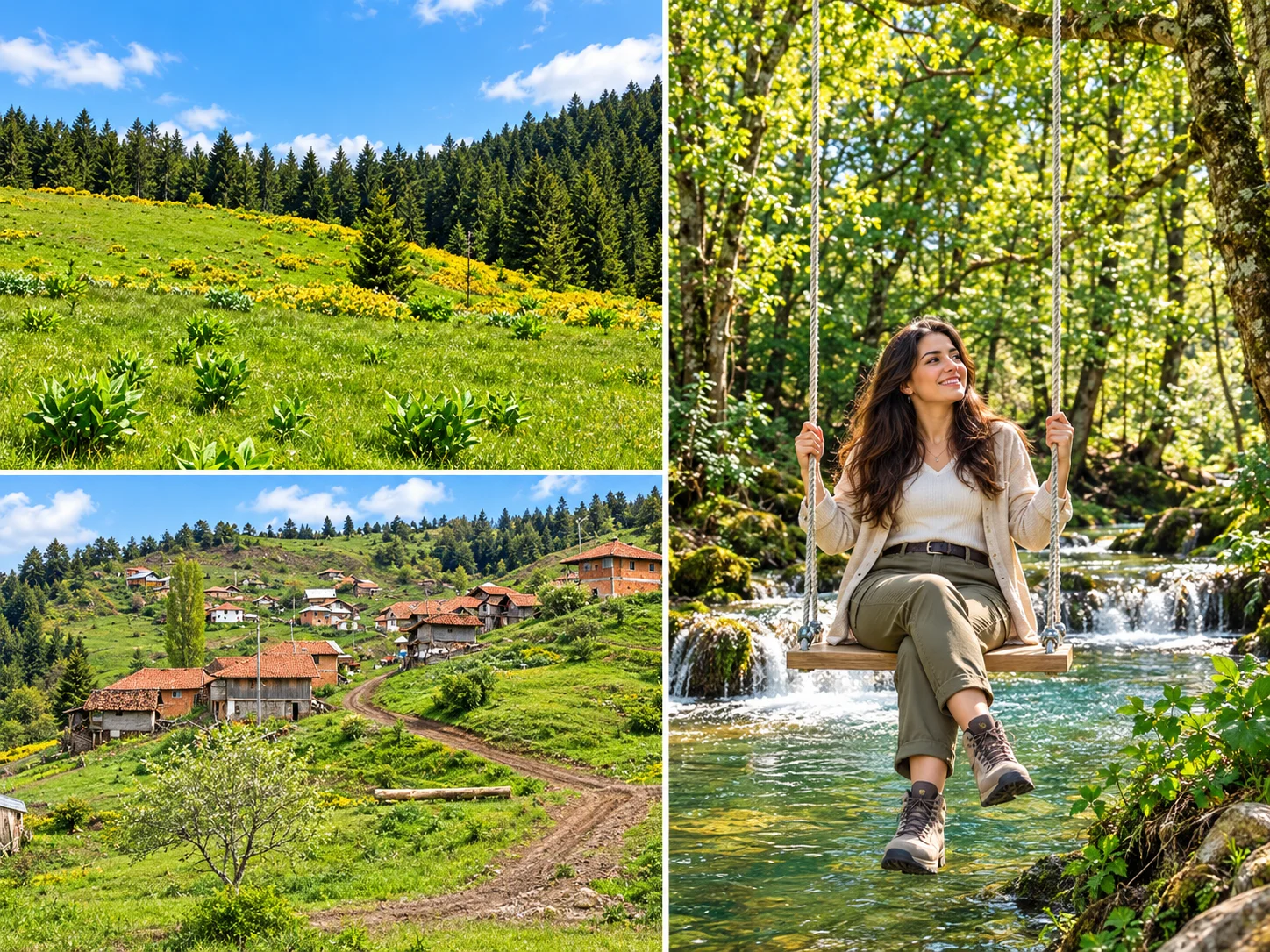
- Bayat Kunduzlu & Kuşcaçimeni yaylas: highland meadows for summer cool-air days—not archaeological substitutes.
- Limit yayla filler: Kargı / Osmancık / Abdullah yaylas can enrich a nature day if you already drive that corridor; do not pad the itinerary with every named meadow.
What to Eat and Buy—with TÜRKPATENT Honesty
| Product | Status | Travel note |
|---|---|---|
| Çorum Leblebi | TÜRKPATENT mahreç 42 (2002); EU PGI reported 2024 | Signature take-home; multiple roast styles |
| İskilip Dolması | TÜRKPATENT mahreç 130 (2010) | Wedding and feast rice dish in copper cauldrons—order where kitchens still cook the long method |
| Oğuzlar Cevizi | Menşe 493 (2020) | District walnut identity |
| Kargı Tulum Peyniri | Menşe 933 (2021) | Buy with cold-chain honesty on long drives |
| Çorum Beşlisi / hingel / sırık | Local tradition (Beşlisi = wedding menu set) | Enjoy as foodways—do not invent city-wide GI claims; Kargı sırık kebab has separate district reputation |
| Kargı bezi / copperwork | Craft tradition | Handwoven cloth and copper are gifts culture—not forced GI labels here |
Lodging Logic for 2026: Merkez vs Boğazkale
| Base | Examples (reconfirm) |
|---|---|
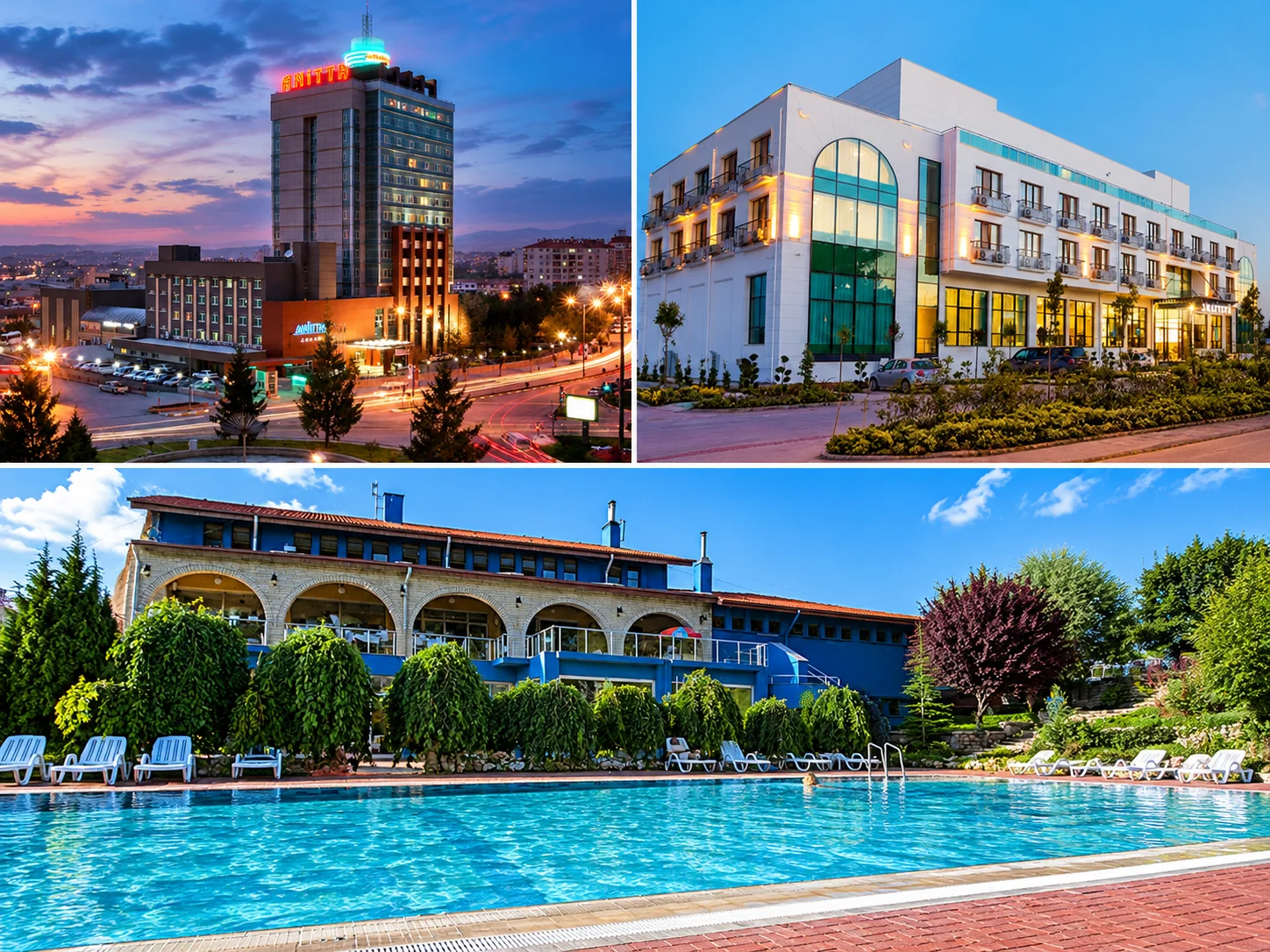
| Çorum Merkez | Grand Park Hotel · Anitta Hotel · other central city hotels (Kolagası / Sera appear on current booking surfaces) |
| Boğazkale | Hotel Aşıkoğlu · Hotel Baykal — sleep next to Hattuşa when you want dawn/dusk walls |
Older “thermal cure” hotel blurbs (Pithana / Vanna-style health claims) and the confused Hattuşa Vacation Thermal Club entry were dropped. A Merkez hotel branded Hattuşili/Hattuşirin is not a Boğazkale substitute. No rankings, star pitches or medical spa claims. Cab Istanbul does not partner these properties.
Districts and Civilization Checklist
| District | Why it matters |
|---|---|
| Merkez | Museum, clock tower, Ulu Cami, castle, Velipaşa Hanı, hotels |
| Boğazkale | Hattuşa UNESCO, Yazılıkaya, Boğazkale Museum |
| Alaca | Alacahöyük site + museum (not Sungurlu) |
| Ortaköy | Şapinuva, İncesu Canyon |
| İskilip | Roman-period rock tombs, castle, İskilip Dolması kitchens |
| Osmancık | Koyunbaba Bridge, Kandiber setting |
| Laçin / Mecitözü | Kapılıkaya; Elvan Çelebi corridor |
| Bayat / Kargı / Oğuzlar | Yaylas, tulum cheese, walnut GI—secondary nature/food spokes |
Civilization spine (cleaned): Hatti → Assyrian Trading Colonies horizon → Hittite Empire (Hattuşa) → Iron Age / Phrygian layers on some mounds → Hellenistic–Roman rock tombs → Byzantine → Seljuk–Ottoman urban monuments → Republic. Folklore (Koyun Baba, Kırk Kızlar, Binek Taşı) belongs in a folklore label—not as excavation dates.
Çorum Itineraries: 1 to 4 Days
| Days | Route | Highlights |
|---|---|---|
| 1 day | Pick one spine | Merkez culture or Hattuşa + Yazılıkaya + Boğazkale Museum — not both full programmes |
| 2 days | Merkez + Hattuşa | Day 1 museum/clock tower/Ulu Cami · Day 2 Boğazkale archaeology (optional overnight in Boğazkale) |
| 3 days | Add Alaca or Ortaköy | Days 1–2 as above · Day 3 either Alacahöyük or Şapinuva + İncesu |
| 4 days | Hittite triangle + one west spoke | Days 1–3 covering Hattuşa, Alacahöyük and Ortaköy on separate days · Day 4 İskilip or Osmancık — still no three Hittite sites in one daylight |
Do not sell Hattuşa + Alacahöyük + Şapinuva as a single compressed day.
Private Chauffeur for Merkez and Hittite District Spokes
Cab Istanbul is an independent private-chauffeur operator. Use us for Merzifon or Ankara-road pickup, Boğazkale–Alaca–Ortaköy routing and hotel transfers—not as a hotel, museum or national-park partner.
Çorum Travel FAQ
Is Çorum city the same as Çorum Province?
No. Merkez is the hotel and museum hub. Hattuşa, Alacahöyük, Şapinuva, İncesu, İskilip and Osmancık are separate district days.
Is Hattuşa a UNESCO World Heritage Site?
Yes—inscribed in 1986 (dossier 377, criteria i, ii, iii, iv). Alacahöyük is not the same inscription.
Are Hattuşa, Alacahöyük and Şapinuva the same place?
No. Boğazkale, Alaca and Ortaköy are different districts with different periods and access logistics.
Is Alacahöyük in Sungurlu?
No. It is in Alaca district (Alacahöyük belde). Sungurlu is a different road town.
What is the difference between Hatti tombs and the Hittite gate at Alacahöyük?
The royal tombs belong to the Early Bronze Hatti horizon. The sphinx gate and orthostats belong to the later Hittite temple-palace city—do not mix the labels.
What are Yazılıkaya Chambers A and B?
Chamber A holds the main god/goddess processions and Tudhaliya IV. Chamber B has a separate entrance with Twelve Gods, the Sword God and Šarruma with Tudhaliya IV.
Is the Kadesh text the first peace treaty in history?
It is among the earliest surviving written international peace treaties (Hattušili III–Ramses II). Prefer that qualified wording over absolute “first ever” slogans.
Are the Boğazköy tablets in UNESCO’s Memory of the World?
Yes—from 2001. Pieces are held across Istanbul, Ankara, Çorum and Boğazkale museum collections.
Is the green stone at Hattuşa magical?
Treat fertility/miracle stories as tourist folklore. It is not an excavated “miracle proof” object.
Was Şapinuva the Hittite second or summer capital?
This guide does not repeat that unverified slogan. Call it a major administrative, military and cult centre with royal correspondence.
Can I visit Hattuşa and Yazılıkaya the same day?
Yes—that is the normal Boğazkale archaeology day. Add Boğazkale Museum; watch desk cut-offs under 2026 summer extended hours.
Can I do Hattuşa, Alacahöyük and Şapinuva in one day?
No. Separate spokes deserve separate days—or at most one full site plus a light secondary stop.
Who built Çorum’s Clock Tower?
Yedi Sekiz Hasan Paşa in 1894, following an Abdülhamid II firman for provincial clock towers.
Is Ulu Cami purely Seljuk?
Foundation tradition is late-13th-century Seljuk-era, but the living building is multi-phase Ottoman, with Muradi Rabi naming under IV. Murad and major 19th-century rebuilding.
Is Çorum Castle definitely Seljuk?
Evliya Çelebi records a Seljuk tradition; earliest written documents are Ottoman (1571). State both layers; walls include older spolia.
Is Velipaşa Hanı open?
It was restored and reopened in 2022 with city-museum / café uses. Confirm which rooms are open on your date.
How long is İncesu Canyon?
About 12–12.5 km. Most visitors use the shorter platform walk toward the Kybele relief rather than the full gorge traverse.
Is there rock climbing at İncesu?
Tourism materials describe trekking and rock-sport use on the canyon walls. Go with proper gear and local condition checks—this is not a paved urban park.
Is the Kybele relief real?
A Hellenistic rock relief identified as Kybele (enthroned goddess with lion cub) sits on the İncesu corridor and is widely cited in official tourism texts.
Are İskilip rock tombs Phrygian?
Official inventories date them to the Roman period; research also discusses Late Hellenistic–Roman façades. Do not auto-label them Phrygian.
How many arches does Koyunbaba Bridge have?
Designed with 19 pointed arches (1484–1489 under Bayezid II); roughly 15 remain visible above river deposits. Length is about 250 m.
Is Gölünyazı a national park?
No. DKMP lists it as a locally important wetland. Official national park branding here belongs to Boğazköy–Alacahöyük.
Which nature parks are official in Çorum?
Besides the national park, DKMP lists Sıklık, Çatak and Aksu Nature Parks among others—use those names rather than invented park titles.
Is Çorum Leblebi geographically indicated?
Yes—TÜRKPATENT registration 42 (2002), with EU PGI reporting in 2024. İskilip Dolması is registration 130.
Is Çorum Beşlisi a GI product?
It is a traditional wedding menu set. This guide does not invent a TÜRKPATENT claim for it.
Does Çorum have an airport?
No civil airport in the province. Use Amasya Merzifon (MZH) or road links from Ankara/Istanbul.
Is high-speed rail open to Çorum?
Delice–Çorum and related sections are under construction/tender in 2026. Do not plan as if passenger YHT is already running.
Where should I stay for Hattuşa?
Sleep in Boğazkale (Aşıkoğlu, Baykal and peers) for short transfers, or in Merkez if you prefer city hotels and will drive the spoke.
Are Çorum’s thermal hotels medically proven?
This guide makes no thermal health claims and dropped dubious spa-cure hotel blurbs.
How many days do I need?
One day for a single spine; two for Merkez + Hattuşa; three to add Alacahöyük or Ortaköy; four to cover the Hittite triangle plus İskilip or Osmancık without cramming.
Does Cab Istanbul partner hotels or museums in Çorum?
No. Cab Istanbul offers independent private chauffeur and intercity transfer services only.
Can I combine Çorum with Ankara or Amasya?
Yes as neighbouring Central Anatolian plans—see Ankara and Amasya, plus the Turkey overview.