
Kastamonu sits where Anatolian history meets the forested ridgelines of the Black Sea. The province holds a 12th-century Byzantine fortress, one of Turkey's finest UNESCO-listed wooden mosques, two of the country's most challenging canyon systems, and an ancient Greek harbour navigated for over three thousand years. From the garlic fields of Taşköprü and the Roman ruins of Pompeipolis to the ski slopes of Ilgaz and the coloured wooden houses of İnebolu, Kastamonu rewards the traveller willing to move slowly and look closely.
What to See in Kastamonu
The province is large and diverse. Here is a quick guide to its main draws by theme:
- Historic city centre: Kastamonu Castle, Nasrullah Mosque, Ottoman külliyes, archaeology museum
- UNESCO wooden mosque: Mahmut Bey Mosque, Kasaba Village (~18 km from city)
- Roman archaeology: Pompeipolis ancient city, Taşköprü district (~60 km east)
- Canyon walking: Horma Canyon boardwalk ending at Ilıca Waterfall, Pınarbaşı (~90 km)
- Deep canyon viewpoint: Valla Canyon observation deck, Pınarbaşı (~100 km)
- Glass terrace: Çatak Canyon viewpoint, Azdavay (~70 km northwest)
- Black Sea bay: Gideros Bay, Cide district (~120 km northwest)
- Historic coastal town: İnebolu and the Independence Road heritage (~100 km northwest)
- Mountain skiing and trekking: Ilgaz Mountain National Park (~75 km southeast)
- Forest ecology: Küre Mountains National Park (Kastamonu–Bartın border)
Kastamonu — Province Overview
Kastamonu City Centre
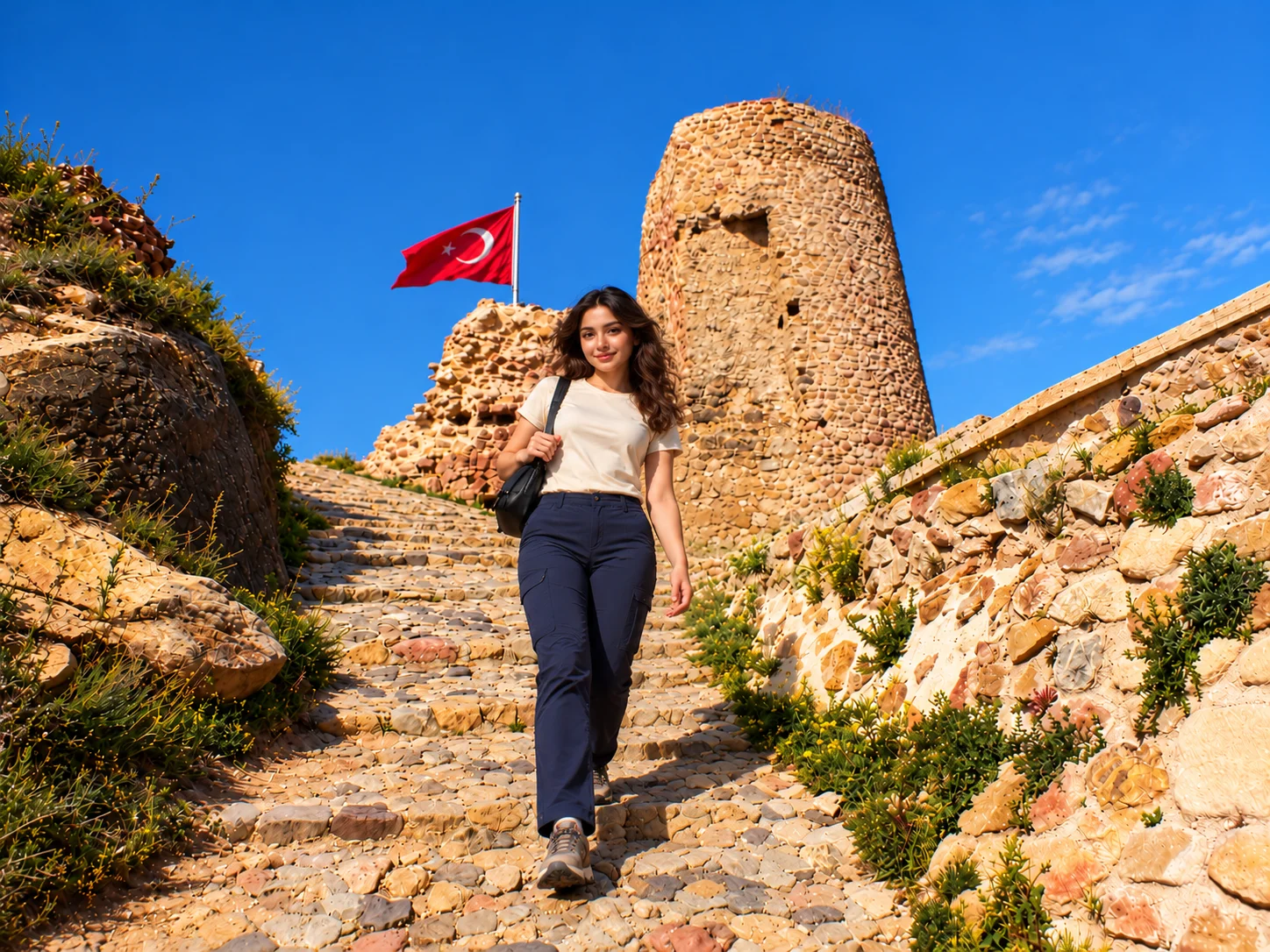
The most visible landmark in the city is the castle. The fortress complex has its origins in the 12th century, when the Komnenian Byzantine dynasty built a stronghold on the prominent ridge above the town. Subsequent repairs and additions by the Candaroğulları dynasty and Ottoman rulers have created a layered ruin that remains impressive. Entry is free. Inside the walls stands the tomb of Bayraklı Sultan, a point of local veneration. The castle is a natural starting point for any Kastamonu visit — climb early for the best light over the valley.
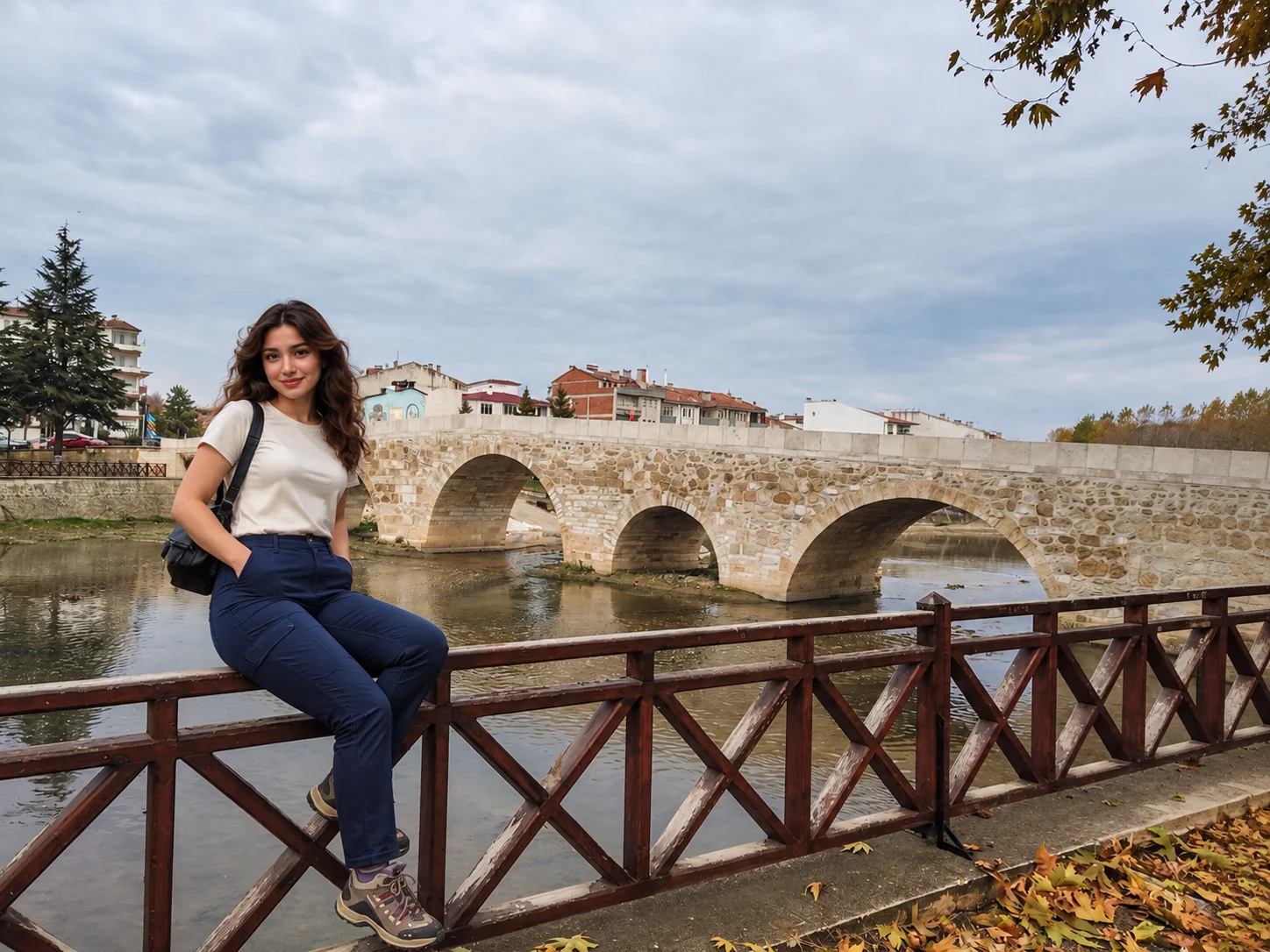
Below the castle, Nasrullah Meydanı forms the historic heart of the city. The Nasrullah Camii, built in 1506, is one of the most significant Ottoman-period mosques in the Black Sea region. The mosque has a particular historical resonance: in September 1920 the poet Mehmet Akif Ersoy — who would later compose the Turkish National Anthem — delivered a sermon here that profoundly rallied public support for the War of Independence. This is sometimes conflated with the anthem's official adoption, which took place later in Ankara in February 1921; the Kastamonu connection is specifically the moving sermon. The square, its stone fountain, the Ottoman bridge across the Gökırmak River and the surrounding historic streetscape make this a rewarding place to spend an hour.
A short walk from Nasrullah Meydanı brings you to the Şeyh Şaban-ı Veli Külliyesi. Built in the 16th century, the complex includes a mosque, tomb and library dedicated to Şeyh Şaban-ı Veli, a revered Halveti Sufi scholar from Kastamonu. The külliye continues to draw pilgrims as well as visitors interested in Ottoman Sufi architecture. Modest dress is expected.
The city has several other significant Ottoman complexes within walking distance. The İsmail Bey Külliyesi, dating from the Candaroğulları period (15th century), comprises a mosque, madrasa and tomb recognised for its stone carving. The Yakupağa Külliyesi was commissioned in the 16th century by Yakup Ağa, who held the position of kilerci başı (master of the pantry) in the court of Suleiman the Magnificent. Unusually, the complex includes a Helva Evi (halva house), a reminder of the ritual role that communal food preparation played in Ottoman court and civic life.
The Kastamonu Arkeoloji Müzesi (Archaeology Museum) holds finds from excavations across the province: Paphlagonian-era artefacts, Pontic coins, Roman mosaics and material from Pompeipolis. The Liva Paşa Konağı, an Ottoman mansion adapted as an ethnography museum, illustrates the domestic architecture and material culture of prosperous 19th-century Kastamonu households. Check opening hours before visiting.
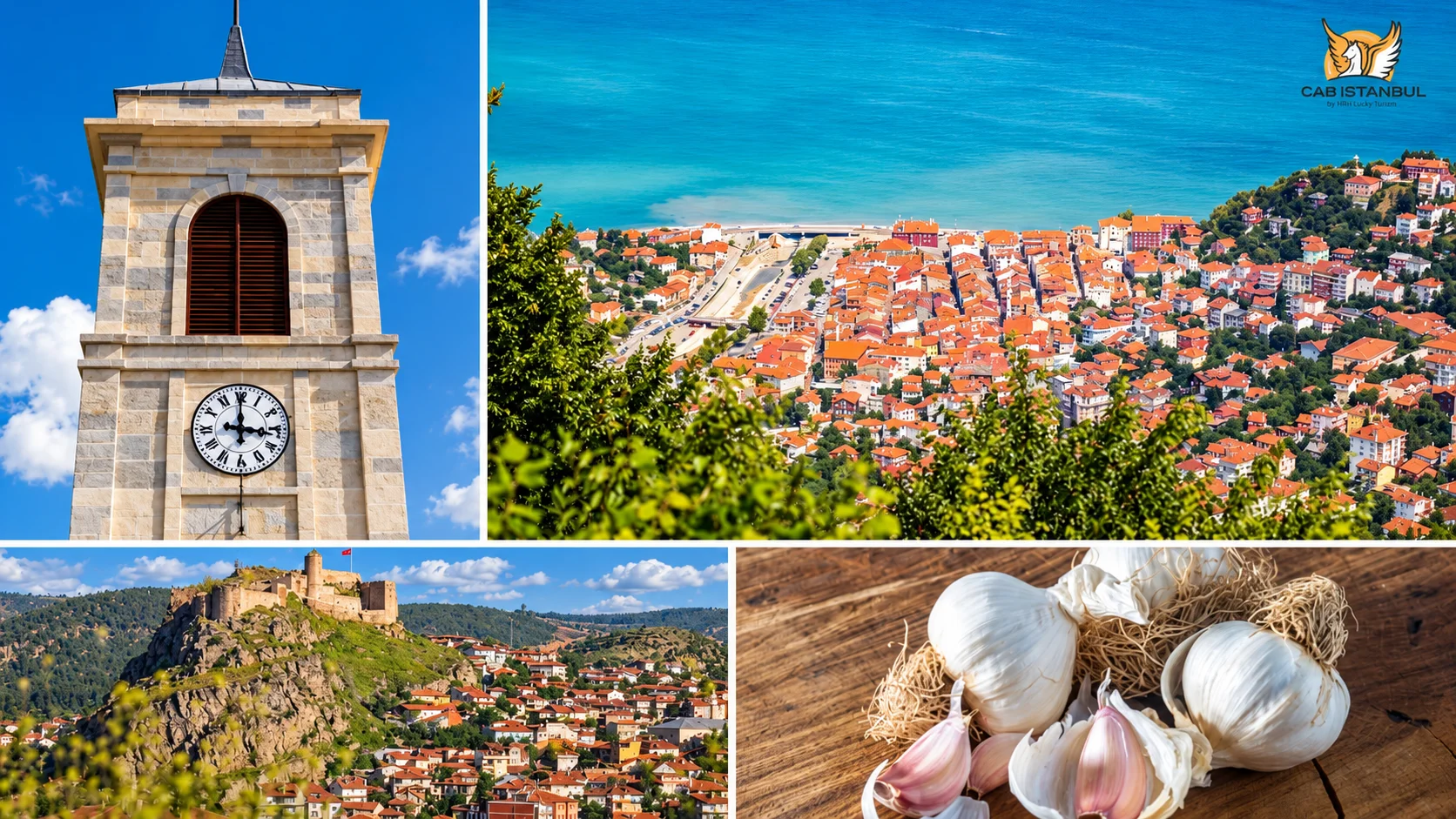
The clock tower (Saat Kulesi) near the city centre marks one of the focal points of the old bazaar district. Traditional woodcarving — a craft rooted in the region's forests — can be found in workshops throughout the old town.
Kasaba Village and the UNESCO Wooden Mosque
Around 18 kilometres north of Kastamonu city centre, in the village of Kasaba (administered within Kastamonu's central district), stands one of the most important examples of medieval wooden mosque architecture anywhere in the world. Mahmut Bey Camii was built in 1366 by Mahmut Bey of the Candaroğulları dynasty. It predates Ottoman rule; its architecture belongs to a specifically Anatolian Turkic-Seljuk tradition, not the Ottoman imperial style.
The interior is extraordinary. A forest of wooden columns supports a flat ceiling painted with dense geometric and floral patterns in tempera. The construction avoided iron nails in the ceiling assembly, using wooden dowels and carefully fitted joinery instead — a technique that has contributed to the structure's survival over more than six and a half centuries. The decoration is considered one of the finest surviving examples of medieval Anatolian wood painting.
In 2023, Mahmut Bey Camii was inscribed on the UNESCO World Heritage List as part of the serial nomination Medieval Wooden Hypostyle Mosques of Anatolia, a group of mosques across several Anatolian provinces sharing this distinctive wooden structural and decorative tradition. The inscription placed it among the world's formally recognised cultural heritage sites.
The mosque is an active place of worship. Visitors are welcome but should remove shoes, dress modestly and speak quietly inside. The custodian or local imam can sometimes provide explanations of the decoration and history. A 25–30 minute drive from Kastamonu on good roads makes this a natural half-day excursion from the city.
Taşköprü and Pompeipolis
The town of Taşköprü lies about 60 kilometres east of Kastamonu city, on the edge of a broad agricultural plain where the Gökırmak River widens. The district is defined by two distinct identities: its ancient Roman predecessor and its celebrated garlic.
Pompeipolis
Pompeipolis is the Roman city founded at the site of Zımbıllı Tepe, on the plain near Taşköprü. The city was established around 64 BC by Pompey the Great following his campaigns in Pontus, and it became the administrative centre of the Roman province of Paphlagonia. Archaeological excavations, conducted since the early 2000s by teams from Sinop University, have uncovered colonnaded streets, private villa mosaics, a bath complex and monumental architecture. The site is partially accessible to visitors and continues to be actively excavated. It lacks the visitor infrastructure of major Aegean sites but has genuine archaeological depth for those interested in Roman Anatolia.
Note: Pompeipolis and Zımbıllı Tepe are the same site. Historical sources sometimes refer to them separately; they describe the same archaeological area.
Taşköprü Garlic
Taşköprü sarımsağı holds EU Protected Designation of Origin (PDO) status, formally acknowledging its specific geographical character and the production methods tied to this district. The garlic is known for large cloves, a pungent, complex aroma and good keeping qualities. It is harvested in early summer, sold fresh and dried at markets across the region, and celebrated each year at the International Culture and Garlic Festival held in Taşköprü in late summer. Anything cooked in this region is likely to feature it.
Pınarbaşı: Horma Canyon, Ilıca Waterfall and Valla
The Pınarbaşı district, roughly 90–100 kilometres south of Kastamonu city, holds three of the province's most compelling natural sites within a manageable area. A day trip from the city is feasible; an overnight in Pınarbaşı town allows a more relaxed pace. A private car is essential — dolmuş connections to the canyon access points are limited.
Horma Canyon and Ilıca Waterfall
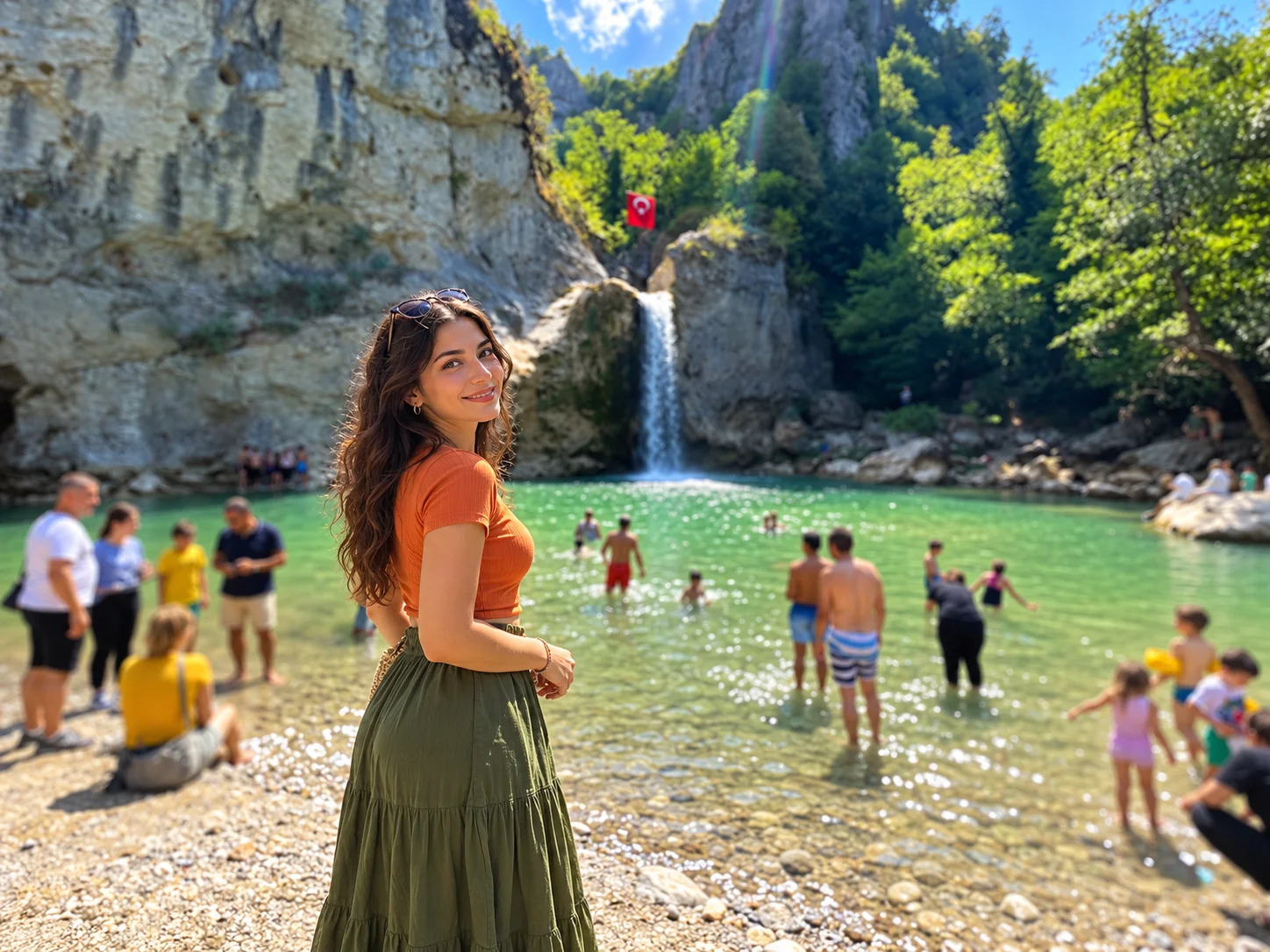
Horma Kanyonu is entered via a wooden boardwalk trail that follows the floor of a narrow, forested gorge carved by the Horma Stream. The boardwalk runs approximately three kilometres and passes numerous cascades and water features along its length. At the far end of the boardwalk stands Ilıca Şelalesi — a waterfall of approximately 10–15 metres that drops into a natural pool suitable for swimming in summer. The two sites are the same walking route: Horma Canyon is the gorge and the trail, Ilıca Waterfall is the destination at the end.
Allow around two to three hours for the round trip, including time at the waterfall. The boardwalk is generally accessible to most fit adults, but sections can be wet and slippery — wear shoes with grip. An entry fee applies at the canyon nature park entrance. The managed season runs broadly from late spring to early autumn.
Valla Canyon
Valla Kanyonu, roughly ten kilometres from Horma, is an entirely different experience. The canyon, carved by the Devrekani Stream, reaches approximately 800 metres depth in its deepest sections — placing it among the deepest gorge systems in Turkey. The gorge walls are sheer and the canyon floor involves extremely rugged terrain over several kilometres.
For most visitors, Valla is experienced from the observation deck at Muratbaşı, which provides a dramatic aerial view into the gorge and is accessible by road with a short walk. No technical equipment or experience is required for the viewpoint visit. Canyon traversal — the route through the canyon floor — is a serious undertaking requiring proper canyoning equipment, experience and a professional guide. Do not attempt the canyon floor route without appropriate preparation and equipment.
Azdavay and Çatak Canyon
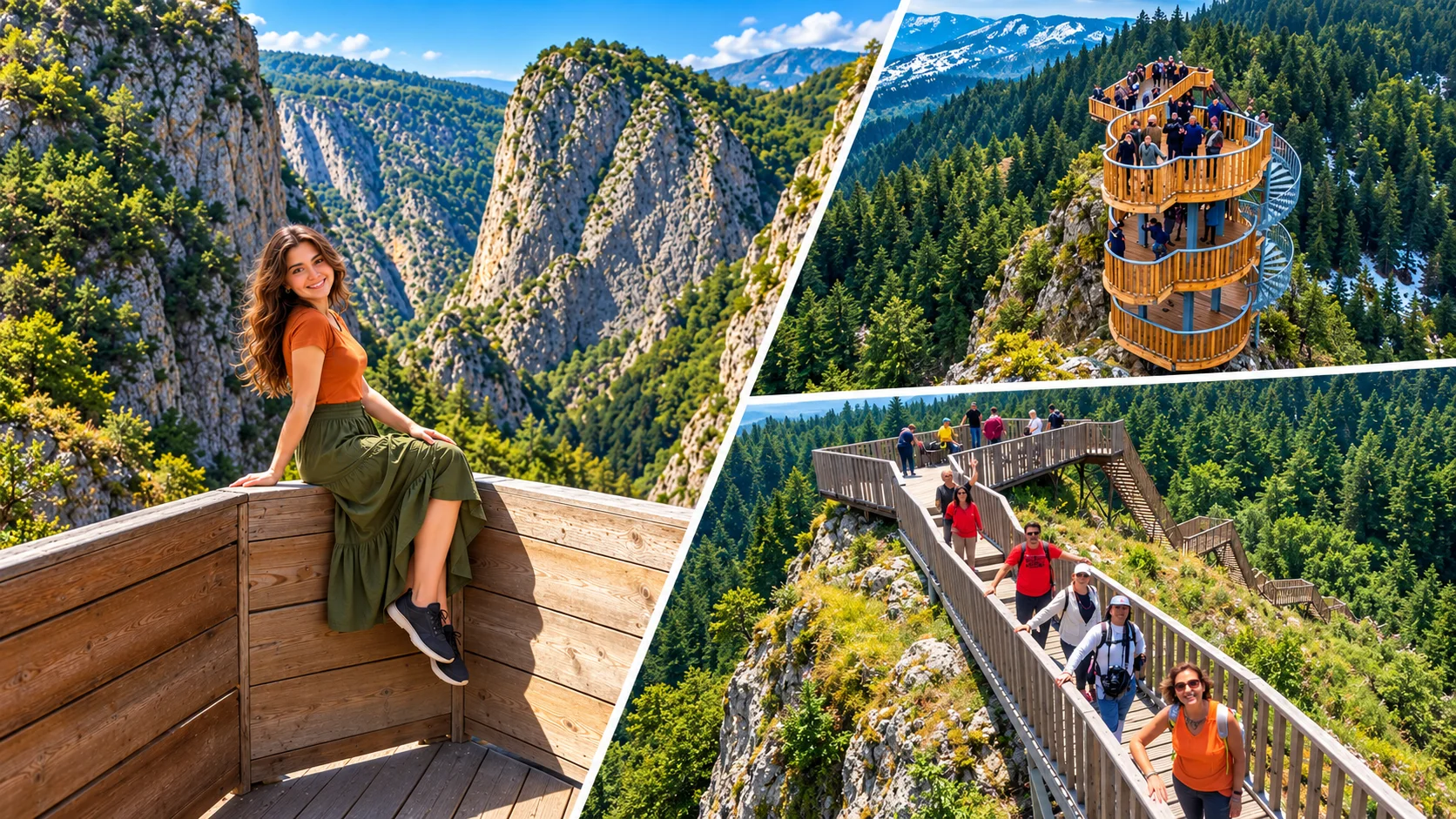
The Azdavay district, about 70 kilometres northwest of Kastamonu city, is home to Çatak Kanyonu and a glass-floored observation terrace that has become one of the most photographed viewpoints in the province. The canyon cuts through forested hillsides and the terrace offers an aerial perspective over the gorge.
The observation platform sits at approximately 1,200 metres above sea level — this is the altitude of the terrace, not the depth of the canyon structure. From the platform, the canyon floor lies roughly 450–500 metres below. Access is by road with a short walk to the viewing area. The surrounding mixed deciduous and conifer forest makes this a particularly rewarding excursion in autumn when the tree colours are at their peak.
Küre Mountains National Park
Stretching across the border of Kastamonu and Bartın provinces, Küre Dağları Milli Parkı is one of Turkey's most ecologically significant protected areas. The park covers ancient temperate forest — dominated by beech, oak and hornbeam — threaded by rivers and canyons that drain toward the Black Sea.
The park is home to a rich population of large mammals including brown bears, lynx and wolves, and supports a varied bird community. It is considered one of the most biodiverse temperate forests remaining in Turkey. Main visitor activities are hiking, bird watching and photography on marked trails. Canyon sections of the rivers within the park offer technical canyoning for experienced groups. Access from the Kastamonu side is via Küre town, approximately 80 kilometres from the city.
Ilgarini Cave, within the Küre Mountains area, holds documented Chalcolithic and Bronze Age remains — rock art, pottery fragments and human skeletal material have been recorded by researchers. The cave is currently not open to regular visitors. Do not attempt independent entry.
Cide: Gideros Bay and Loç Valley
The coastal district of Cide, about 120 kilometres northwest of Kastamonu city, gives access to one of the Black Sea's most distinctive natural harbours. The roads from Kastamonu are slower than the main highways, but the landscape — pine-covered ridges descending to a coastline alternating between cliffs and coves — is the journey's reward.
Gideros Bay
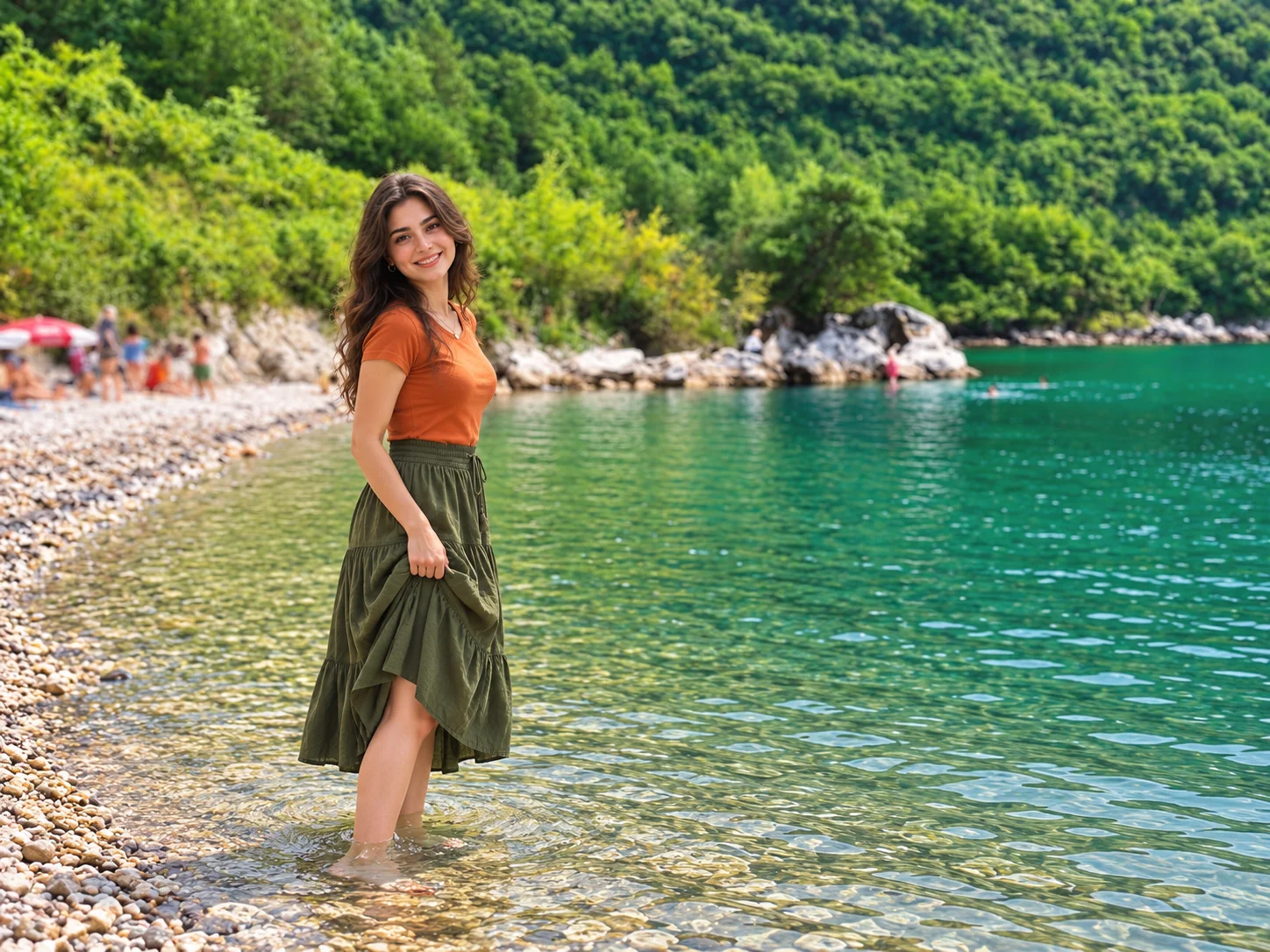
Gideros Koyu lies approximately 11 kilometres from Cide town centre on the road toward Kurucaşile. It is a natural harbour enclosed on three sides by forested hills, giving the bay a lake-like character that keeps its waters calmer than the open coast. The bay was known in antiquity as Kytoros, a Paphlagonian settlement mentioned by the Greek geographer Strabo and the Latin poet Catullus — evidence of its long role as a trading and anchorage point. The popular local story connecting the name "Gideros" to corsairs hiding here is a folk etymology rather than a historically documented explanation.
Today Gideros is a quiet destination: a small group of fish restaurants and pensions, a pebbled beach and the sheltered bay for swimming. It is at its busiest in July and August. The Black Sea can be rougher than it looks — swim in the bay's inner sections and pay attention to any warnings from local fishermen about currents or changing conditions.
Gideros Bay — Video
Loç Valley
Loç Vadisi runs inland from the coast through the Cide district, shaped by the Devrekani Stream as it descends to the sea. The valley is forested, largely undeveloped, and connects ecologically with the Küre Mountains to the south. Forest tracks and hiking paths allow exploration on foot; traditional villages are scattered along the valley floor. It is a quieter alternative to the coast for those who prefer shade and birdsong to sand and sunscreen.
İnebolu: The Independence Coast
İnebolu, approximately 100 kilometres northwest of Kastamonu city, is a small coastal town that played a remarkable role in modern Turkish history. During the War of Independence (1919–1923), İnebolu's natural harbour was the primary landing point for arms, ammunition and supplies being brought into Anatolia — goods transported onwards along the İstiklal Yolu (Independence Road) to the nationalist forces at the front.
For this service, İnebolu holds a distinction found nowhere else in Turkey: the town received two İstiklal Madalyaları (Independence Medals), one awarded to the mavnacılar (the lightermen's guild) and a second to the kayıkçı loncası (the rowboat guild), for the separate organised efforts of each group. The Independence Road route from İnebolu to Kastamonu is now formally designated the İstiklal Yolu Tarihi Milli Parkı (Independence Road Historical National Park), with commemoration points along the original wartime route. Historical figures associated with the supply effort include Şerife Bacı, a local woman celebrated for leading civilian supply caravans along the route.
In August 1925, Atatürk disembarked at İnebolu and proceeded overland to Kastamonu, where he publicly wore a Western-style brimmed hat and delivered the speech that formally introduced the Şapka Kanunu (Hat Law). This moment — deliberately chosen to signal that the reform was nationwide — is among the most photographed episodes of the early Republic. Kastamonu was not chosen by accident.
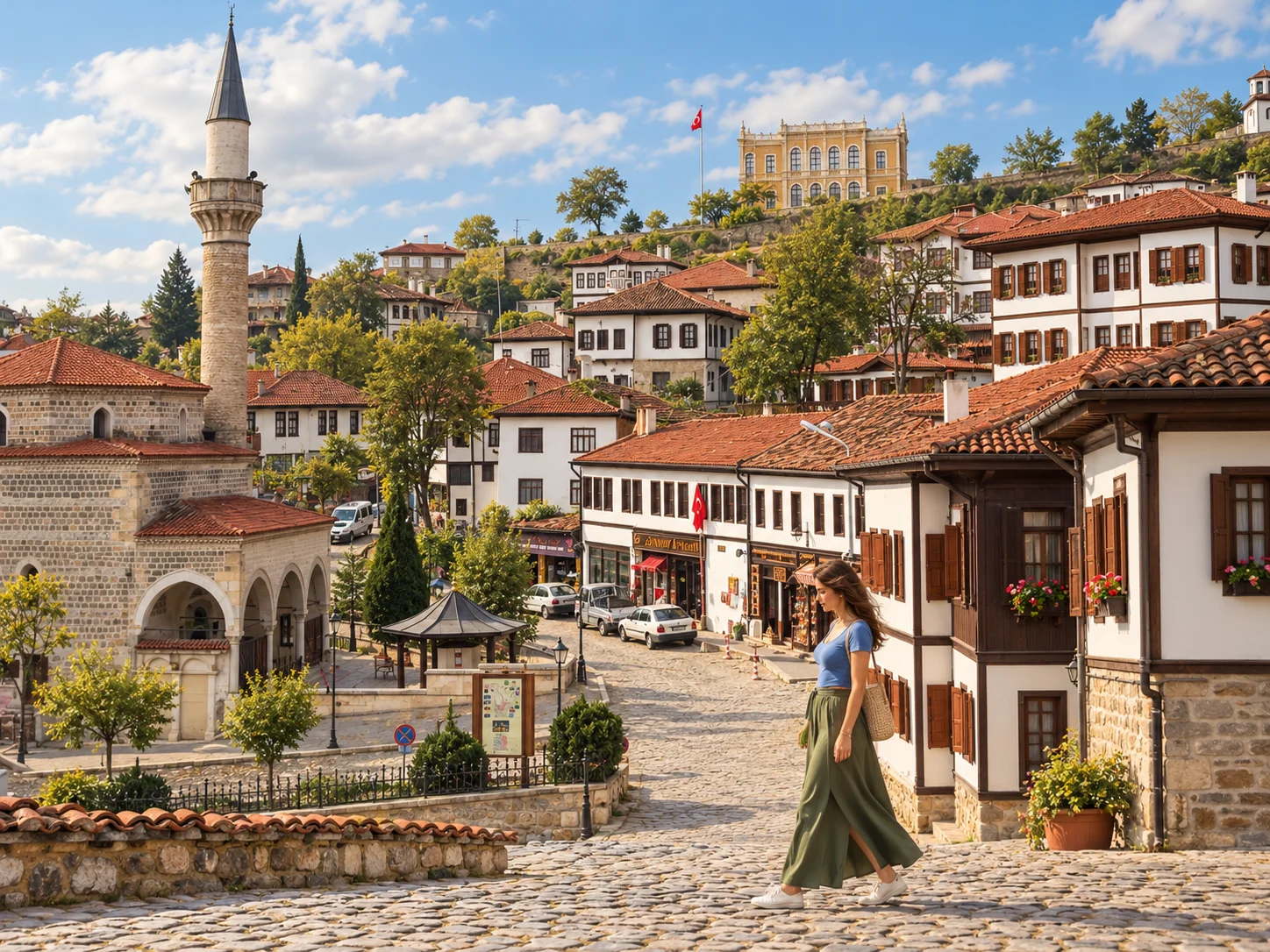
İnebolu is also worth visiting for its architecture. The traditional İnebolu evleri — wooden-framed houses finished in deep reddish-brown and white, with slate stone roofs — form a protected ensemble recognised by the Turkish Ministry of Culture. They represent one of the most intact examples of Black Sea coastal vernacular domestic architecture.
Daday: Horse Country
Daday, about 50 kilometres north of Kastamonu city in a broad forested valley, is best known for its equestrian culture. Several family-run horse farms (at çiftlikleri) in the district offer riding and horse trekking through the surrounding forests and meadows — a quieter and less-visited experience than the province's canyon and coast attractions. The area around Ballıdağ offers forested terrain for day walks and forest camping; this is mountain woodland rather than a high-altitude plateau. Spring and early autumn are the best seasons to visit.
Ilgaz Mountain National Park
Ilgaz Dağı Milli Parkı straddles the Kastamonu–Çankırı provincial border, protecting a section of the Ilgaz mountain ridge which reaches approximately 2,587 metres at its highest point. Access from the Kastamonu side is via the town of Ilgaz, about 75 kilometres southeast of Kastamonu city.
In winter, Ilgaz hosts the largest ski resort in the Central Black Sea region, with facilities clustered on the Kastamonu slope. The ski season typically runs from December to March, depending on snowfall; conditions vary significantly between years. For current piste information and lift status, verify directly with the resort operators before a winter trip. In summer and autumn, the same slopes become hiking and trekking terrain — the beech and fir forests, mountain meadows and high-altitude wildlife make it worthwhile outside the ski season as well. See our overview of the best ski resorts in Turkey for comparison with other mountain options.
Kastamonu on the Plate
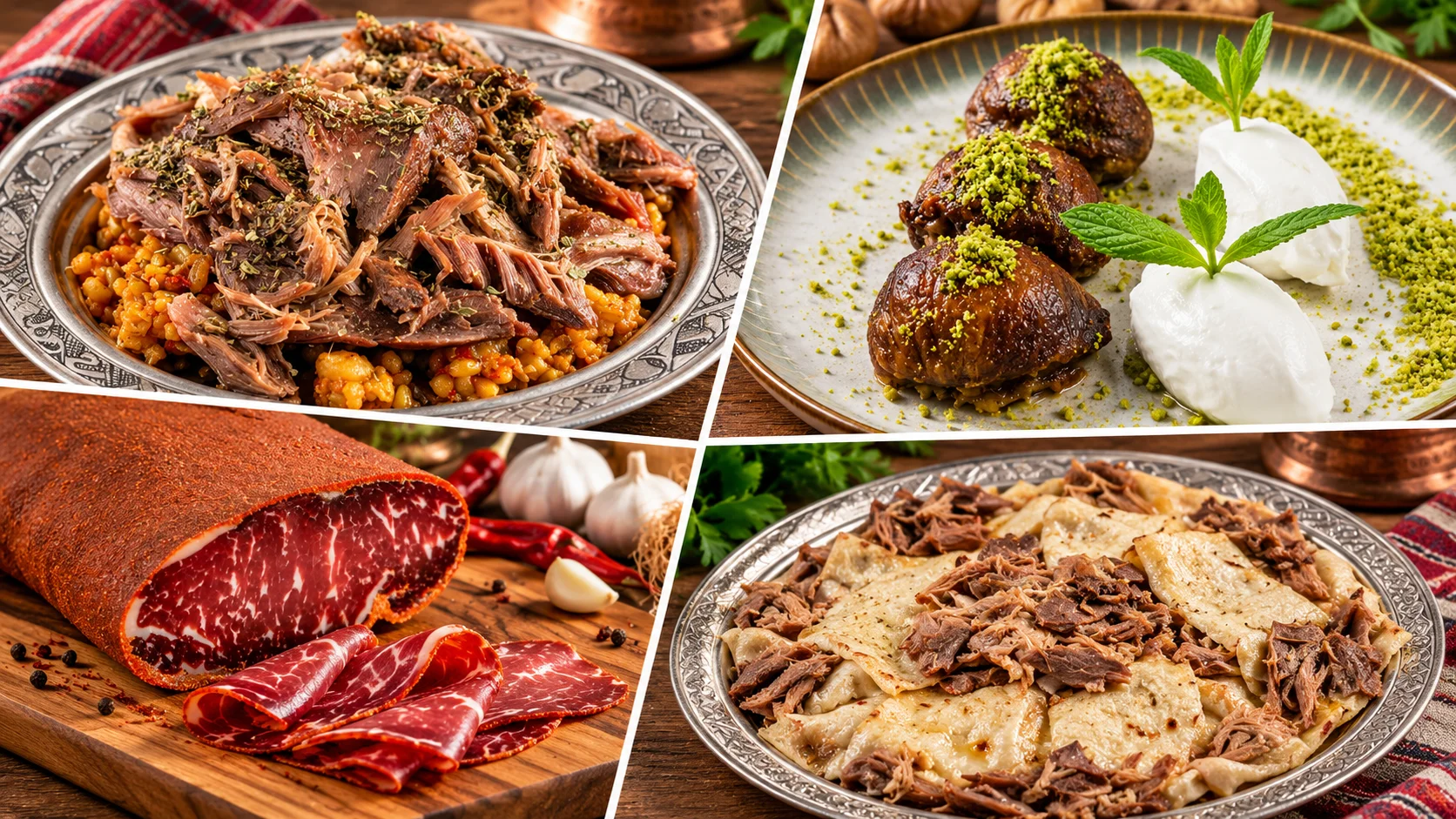
Kastamonu has a strong regional culinary identity built around locally produced meat, wild herbs, grains and the garlic of Taşköprü. Several dishes are genuinely specific to this corner of Anatolia and not widely available elsewhere.
Kuyu kebabı (also called biryan) is arguably the province's signature meat preparation: a whole lamb slow-cooked in a sealed clay pit dug into the ground, a technique that produces exceptionally tender, flavour-concentrated meat. It is a celebratory dish, served at traditional establishments in Kastamonu city and at events throughout the province.
Banduma is a local casserole made with hindi (turkey meat) layered with thin dough sheets and butter. It is a hearty dish with a distinctly regional character. Note: banduma is made with turkey, not chicken — this distinction matters to local cooks.
Kastamonu pastırması is air-cured beef prepared with a paste of cumin and fenugreek, produced here by traditional methods. The Kastamonu variety has its own regional character, with a slightly different spice balance compared to the widely marketed Kayseri version.
Çekme helva is a pulled sweet made from flour, clarified butter, sugar and walnuts. The pulling process gives it a fibrous, layered texture unlike ordinary halva. It appears at weddings and festivals and is sold in Kastamonu's city centre confectionery shops.
Tirit — bread soaked in meat broth, topped with braised lamb or beef and yogurt — is an everyday lokanta dish found throughout the province. Siyez bulguru deserves a mention: siyez is an ancient variety of einkorn wheat (Triticum monococcum) cultivated in the Kastamonu highlands, particularly around İhsangazi and Pınarbaşı. It produces a nutty, earthy grain used in pilaf, soup and flatbread, and is increasingly sold as a specialty product in Turkish markets.
Taşköprü garlic, already described, seasons almost everything on the Kastamonu table — its presence is a constant background note in the regional cuisine.
Where to Stay in Kastamonu
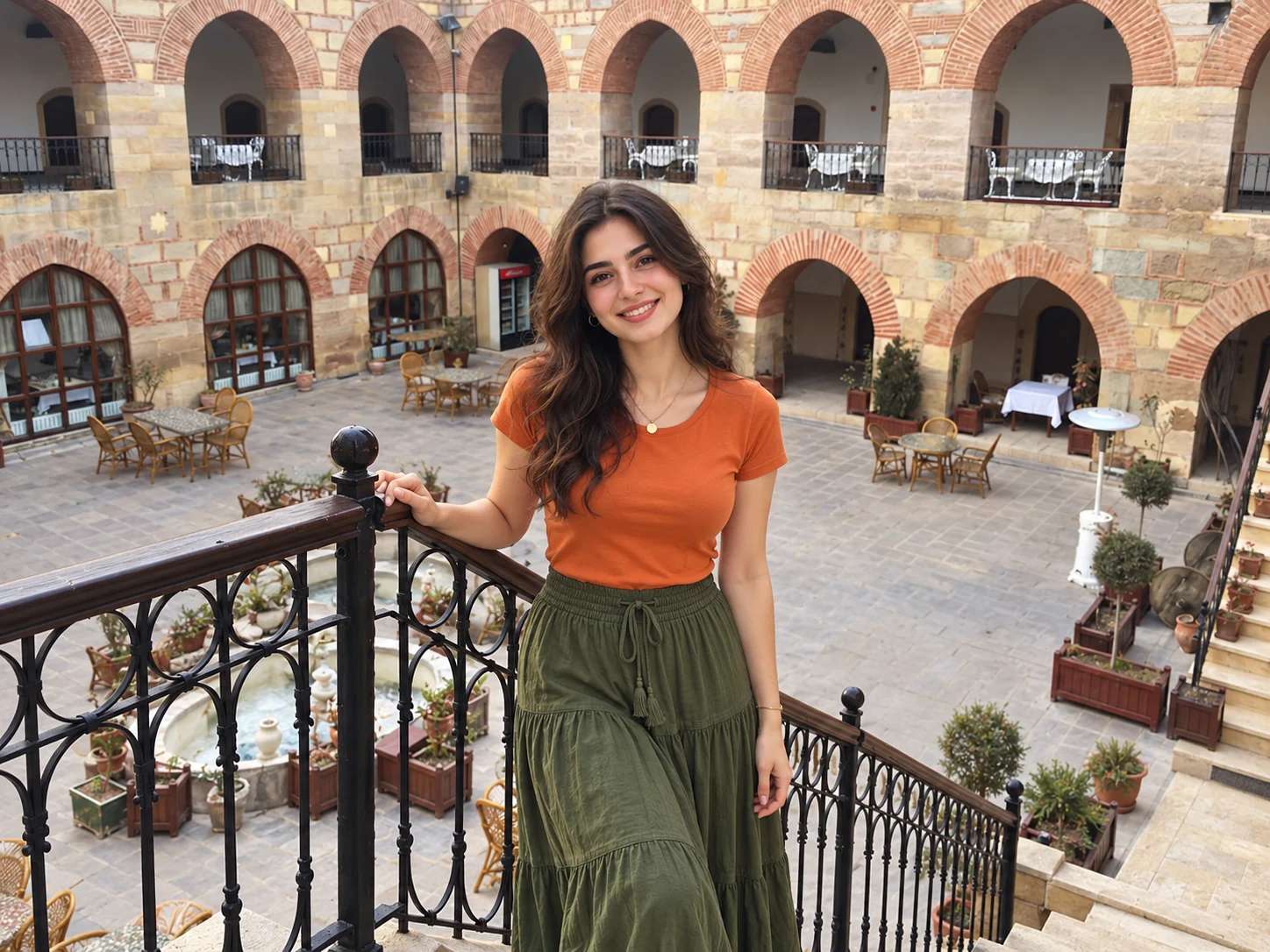
For the most atmospheric option in Kastamonu city, Kurşunlu Han (historically also known as İsmail Bey Hanı) is a 15th-century Candaroğulları caravanserai in the city centre adapted as a boutique heritage hotel. Its stone courtyard and historic architecture make it a distinctive base for the old city. Several restored Ottoman mansions in the centre operate as small boutique hotels or guesthouses.
For travellers who prefer modern facilities, mid-range and chain hotels are available in Kastamonu city, including the Park Dedeman Kastamonu near the centre. Pansiyons are plentiful around Nasrullah Meydanı and along the main roads into town.
Outside the city: Daday's horse farms offer farm-stay accommodation. Cide and the villages near İnebolu and Gideros have family-run pansiyons. Ilgaz has resort-style accommodation around the ski area, including some year-round options. Coastal accommodation in July and August books out quickly — reserve ahead if travelling in peak summer.
Kastamonu: Historical and Cultural Context
Several things about Kastamonu are worth knowing before you arrive, because they give shape to what you will encounter:
The city's deep history begins with Paphlagonian settlements in the pre-classical period, passes through the Pontic Kingdom and Roman rule, Byzantine governance and medieval dynasties. The Çobanoğulları — one of the early Turkic beyliks — established themselves here before the Candaroğulları took over in the 13th century. Kastamonu entered Ottoman rule gradually from the late 14th century onward. Each of these phases has left physical traces in the archaeology, the castle, the mosques and the urban fabric.
The name Kastamonu: one widely cited proposed etymology connects it to the ancient Gasga (Kaska) people — possibly from Kaska tumanna, meaning "land of the Kasgas." This remains a scholarly hypothesis rather than an established fact.
Kastamonu in 2018 was designated Turkish World Cultural Capital by the Türk Keneşi (Turkic Council), an honour reflecting the city's historical significance within Turkic cultural heritage.
The Hat Reform (1925): Atatürk's journey from İnebolu to Kastamonu in August 1925, during which he publicly wore a Western-style hat and formally introduced the Hat Law, was carefully staged. Kastamonu — a provincial city far from Istanbul — was chosen precisely to signal that the modernisation was a nationwide rather than urban policy. The choice made Kastamonu permanently associated with this pivotal episode of the early Republic.
Getting There and Getting Around
By air: Kastamonu Airport (KFS) has scheduled domestic flights from Istanbul and Ankara. Routes and frequency change seasonally — verify current schedules with Turkish Airlines or Pegasus before planning. The airport is about 12 kilometres from the city centre.
By road from Istanbul: Kastamonu is approximately 450 kilometres from Istanbul. The standard route via the O-7 motorway to Bolu, then the D-765, takes around five to six hours. Coach services operate from Istanbul Esenler coach terminal to Kastamonu (journey approximately 6–7 hours).
By road from Ankara: Approximately 220 kilometres via the D-765, around three to three and a half hours.
Getting around the province: A private vehicle is essential for visiting the canyon districts, coastal towns and outlying sites. Dolmuş (minibus) services connect Kastamonu city to district centres but on limited schedules. For travellers without a car, a chauffeur-driven intercity vehicle from Istanbul or Ankara offers flexibility to reach trailheads, viewpoints and villages that public transport does not serve.
Best Time to Visit and Suggested Itineraries
When to Go
Late spring (May–June) and early autumn (September–October) offer the best combination of conditions: the Horma boardwalk and Pınarbaşı routes are green and walkable, the Black Sea coast is warm without being crowded, and the mountain forests begin their colour change in October. July and August are the warmest months; the coast is busy. Winter (December–March) is the season for Ilgaz skiing; mountain roads to Pınarbaşı and Valla can be icy or temporarily closed — check conditions before driving south.
Kastamonu in One Day
City-focused: start at the castle at opening time; walk down to Nasrullah Meydanı; visit Nasrullah Mosque and the square; continue to Şeyh Şaban-ı Veli Külliyesi and İsmail Bey Külliyesi; lunch at a lokanta (kuyu kebabı or tirit); afternoon at the archaeology museum or Liva Paşa ethnography museum; evening in the lanes around the clock tower.
Two Days: City and Canyons
Day 1: Kastamonu city centre as above, with a late afternoon drive to Kasaba Village to visit Mahmut Bey Mosque (18 km, 25–30 minute drive). Day 2: Drive to Pınarbaşı (~90 km, allow 1.5 hours). Walk the Horma Canyon boardwalk to Ilıca Waterfall (~3 km, 2–3 hours return). Drive to the Valla Canyon observation deck (~15 minutes from Horma). Return via Taşköprü if time allows for a brief stop at Pompeipolis.
Three to Four Days: Coast and Archaeology
Coast day: Drive to Cide (~120 km) and spend time at Gideros Bay. Continue to İnebolu (~60 km from Cide along the coast road) for an evening in the historic town. Overnight near İnebolu or return via the inland İstiklal Yolu to Kastamonu. History day: Taşköprü and Pompeipolis (~60 km east of Kastamonu), with the garlic market if it falls on market day. Return via Kasaba Village if not previously visited.
For broader regional context, see our Turkey travel guide. Kastamonu pairs naturally with a journey east to Trabzon and the Black Sea coast.