
Samsun occupies a unique place in Turkish history: this Black Sea port city is where Mustafa Kemal Atatürk disembarked on 19 May 1919, lighting the first spark of the Turkish War of Independence. That date is now a national holiday, and Samsun holds the official commemorations. Beyond its historic weight, the city is a lively provincial capital of over 1.3 million people — flanked by Ramsar-protected wetlands to the west, forested limestone canyons to the south, and more than 100 km of Black Sea coastline. It is a natural gateway to the Eastern Black Sea circuit and a destination that rewards those who take time to explore it properly.
Atatürk Heritage: Bandırma Vapuru, Gazi Müzesi & Onur Anıtı
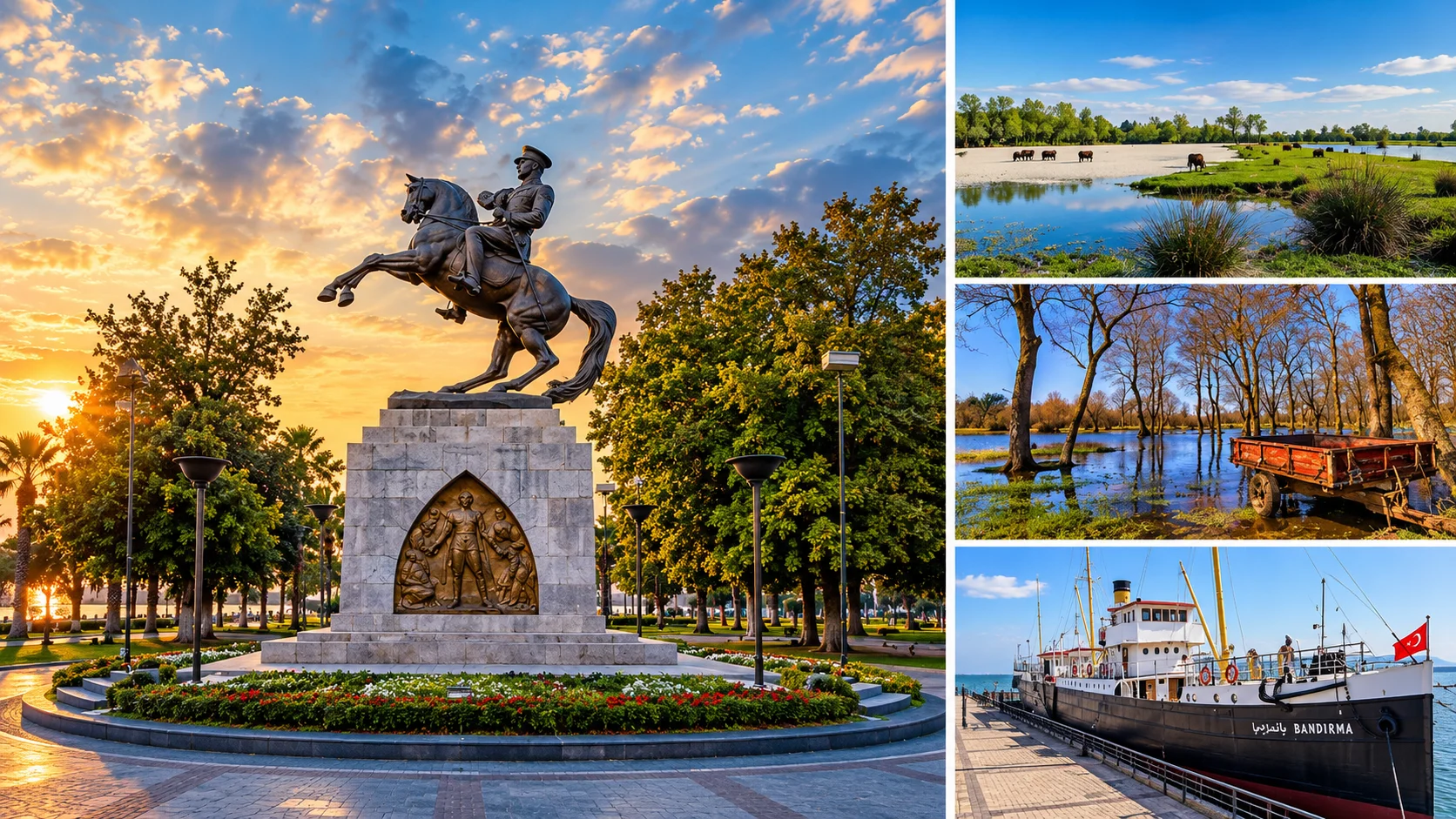
The most visited attraction in Samsun is the Bandırma Vapuru replica moored in Doğu Park along the seafront. The original Bandırma steamer carried Atatürk and his delegation from Istanbul to Samsun in May 1919 — a crossing that changed the course of Turkish history. The ship on display today is a full-scale replica (47 metres long, built 2000–2001, inaugurated 19 May 2003) with wax figures recreating that historic voyage. Entry is free; the ship attracts around 400,000 visitors per year and is open throughout the week.
A short distance from the harbour, the Gazi Müzesi occupies the Mıntıka Palas building — an elegant late-Ottoman structure built in 1902 by architect Jean İonnis Mantika. Atatürk stayed here during his visits on 19 May 1919 and on subsequent trips in 1928 and 1930. The museum preserves his rooms and personal effects as they were during those stays. Entry is free; open daily except Mondays, 08:30–17:00.
In Atatürk Parkı, the centrepiece is the Onur Anıtı (Monument of Honour), an equestrian bronze statue of Atatürk created by Austrian sculptor Heinrich Krippel. Commissioned in 1927 and completed in Vienna between 1928 and 1931, it was mounted on its pedestal on 29 October 1931 and officially unveiled on 15 January 1932 — one of the finest examples of early-Republican monumental sculpture in Turkey.
Samsun Müzesi — Largest Museum on the Black Sea
Opened on 13 March 2024 in a purpose-built building at Atatürk Bulvarı No:99 (İlkadım), Samsun Müzesi is now the largest museum in the Black Sea region. The permanent collection spans the ancient Pontic kingdom, the Greek colonial city of Amisos (founded 6th century BC), and Ottoman-era artefacts. The centrepiece for many visitors is the Hellenistic gold jewellery excavated at Amisos — intricate pieces that stand comparison with major Mediterranean museum collections. The new building replaces the former Arkeoloji ve Etnografya Müzesi, which operated for decades in a smaller structure nearby.
Amisos Tepesi & the Cable Car
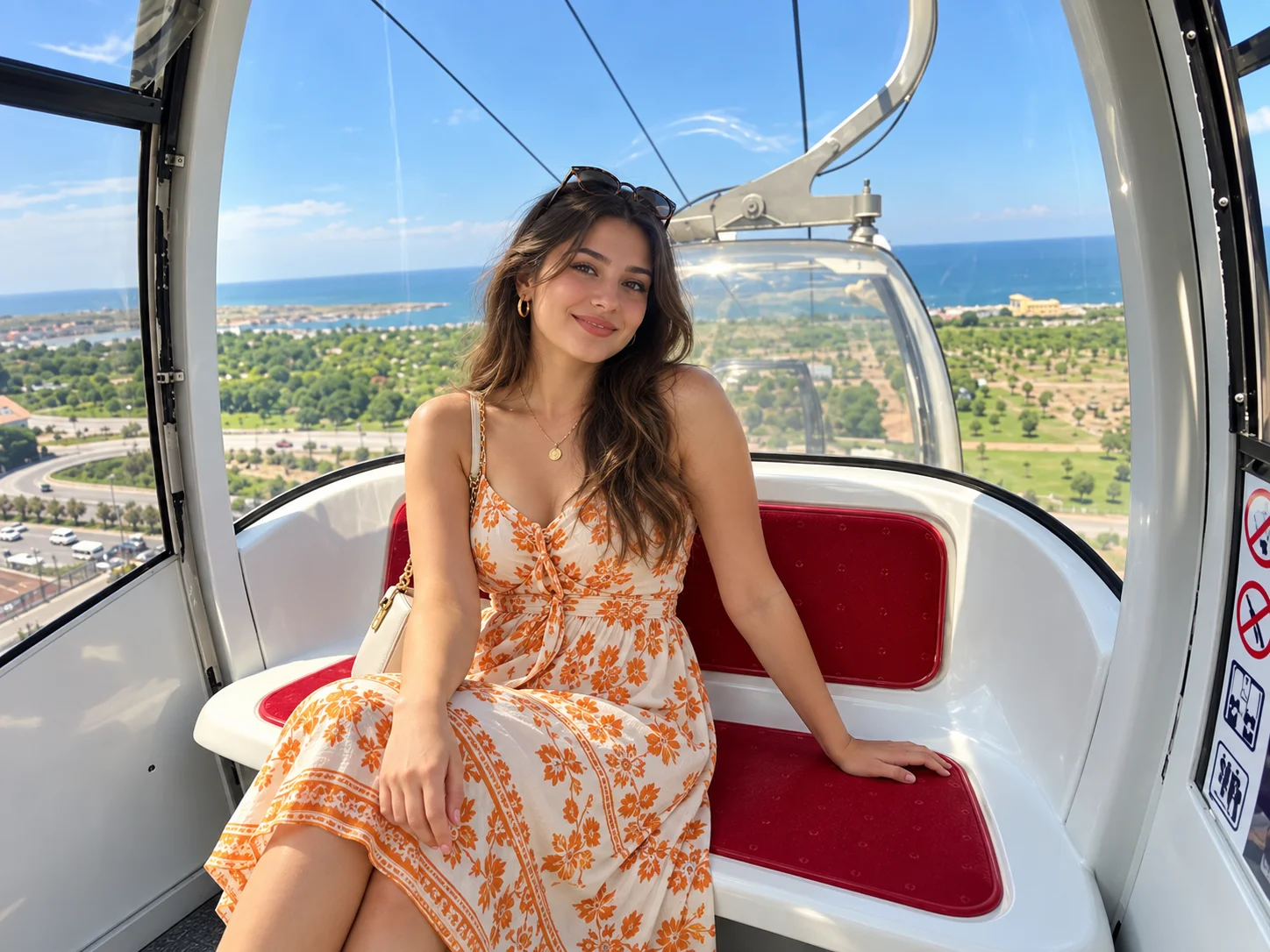
Amisos Tepesi is the prominent forested hill above the city named after the ancient Greek settlement it once sheltered. From the hilltop there are sweeping views across Samsun Bay, the Black Sea horizon, and on clear days the distant Pontic ranges. The hill is most easily reached by the teleferik (cable car) running between Batıpark on the seafront and the summit: six cabins, each carrying up to six passengers, covering 320 metres horizontally and rising 62 metres in height. The cable car was renovated and reopened on 24 March 2025. Operating hours are approximately 09:00–21:00 daily — verify current seasonal schedule locally before visiting.
Batıpark & Amazon Village
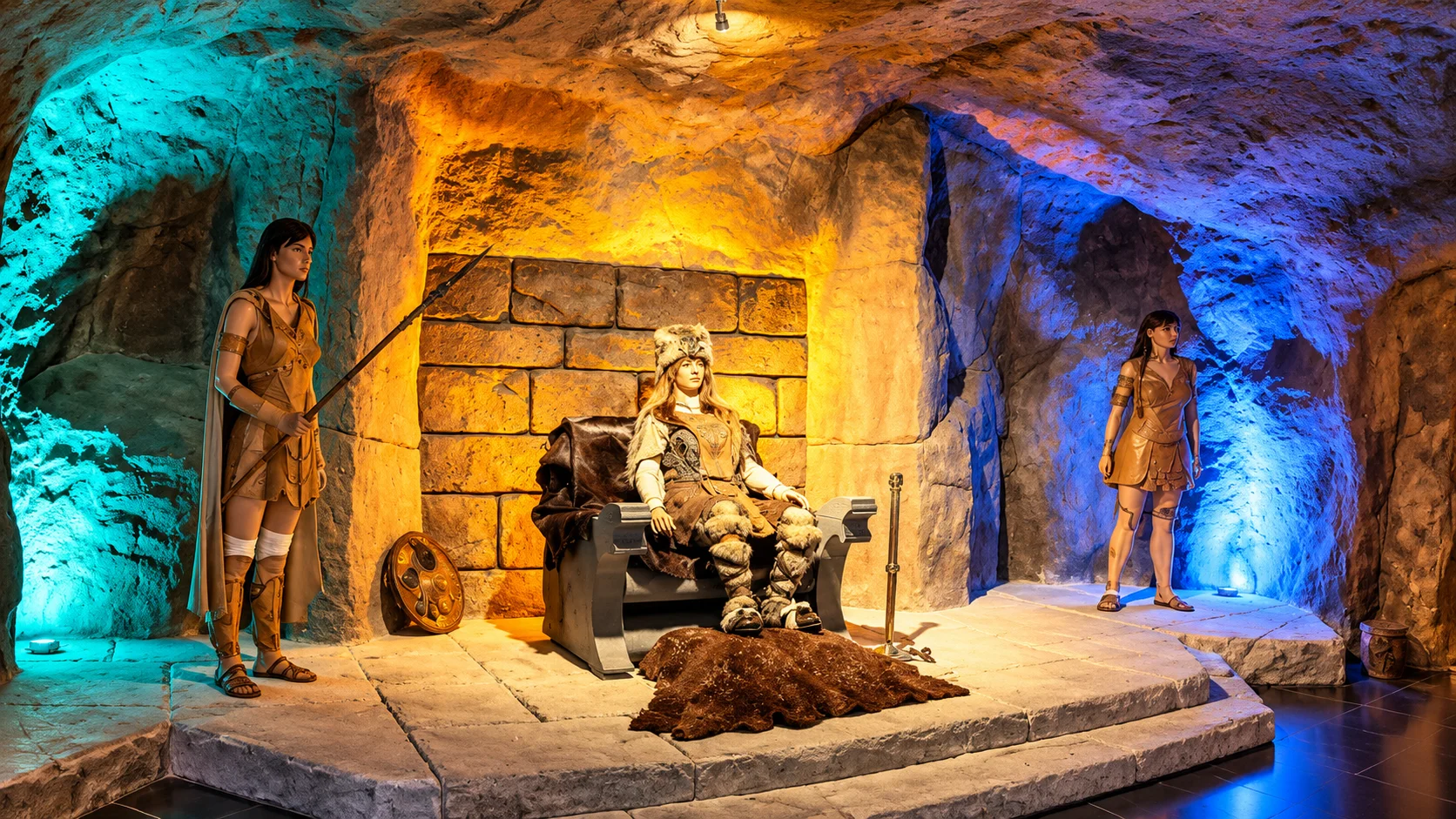
Batıpark, Samsun's largest seafront park in the İlkadım district, is home to the Amazon Köyü (Amazon Village) — a thematic park built around the mythology of the Amazons, the legendary warrior women whom ancient Greek sources associated with the Black Sea coast. The centrepiece is a 14-metre Amazon warrior statue, accompanied by two lion statues, set within a 2.5-dönüm themed area. The site presents these figures as mythology and legend rather than historical record. It is accessible by city tram (Baruthane/Fener stop). Open daily 08:30–18:00 (extended to 19:30 in summer months).
Kızılırmak Delta — Turkey's Premier Bird Sanctuary
Some 25 km west of the city centre, the Kızılırmak Delta is one of Turkey's most important wetlands. The Kızılırmak — Turkey's longest river at 1,355 km — empties into the Black Sea here across a mosaic of lagoons, reed beds, sand dunes, and freshwater lakes. The delta was designated a Ramsar Convention wetland in 1998 (covering 5,174 hectares), and was added to UNESCO's World Heritage Tentative List in 2016. It hosts 352 of Turkey's 483 confirmed bird species — among them Dalmatian pelicans, white storks, pygmy cormorants, spoonbills, and a range of raptors during migration.
Spring (April–May) is best for breeding herons, storks, and nesting colonies along the lagoon edges. September and October bring peak migration numbers — vast flocks moving along the Black Sea coast use the delta as a staging point. Birdwatching hides are maintained within the delta; guided tours are available from Samsun. An entrance permit for the core zone is obtainable at the delta management office.
Timing tip: Dawn and dusk are by far the most productive hours at Kızılırmak. Allow at least half a day — a full day if serious birdwatching is the goal.
Şahinkaya Canyon
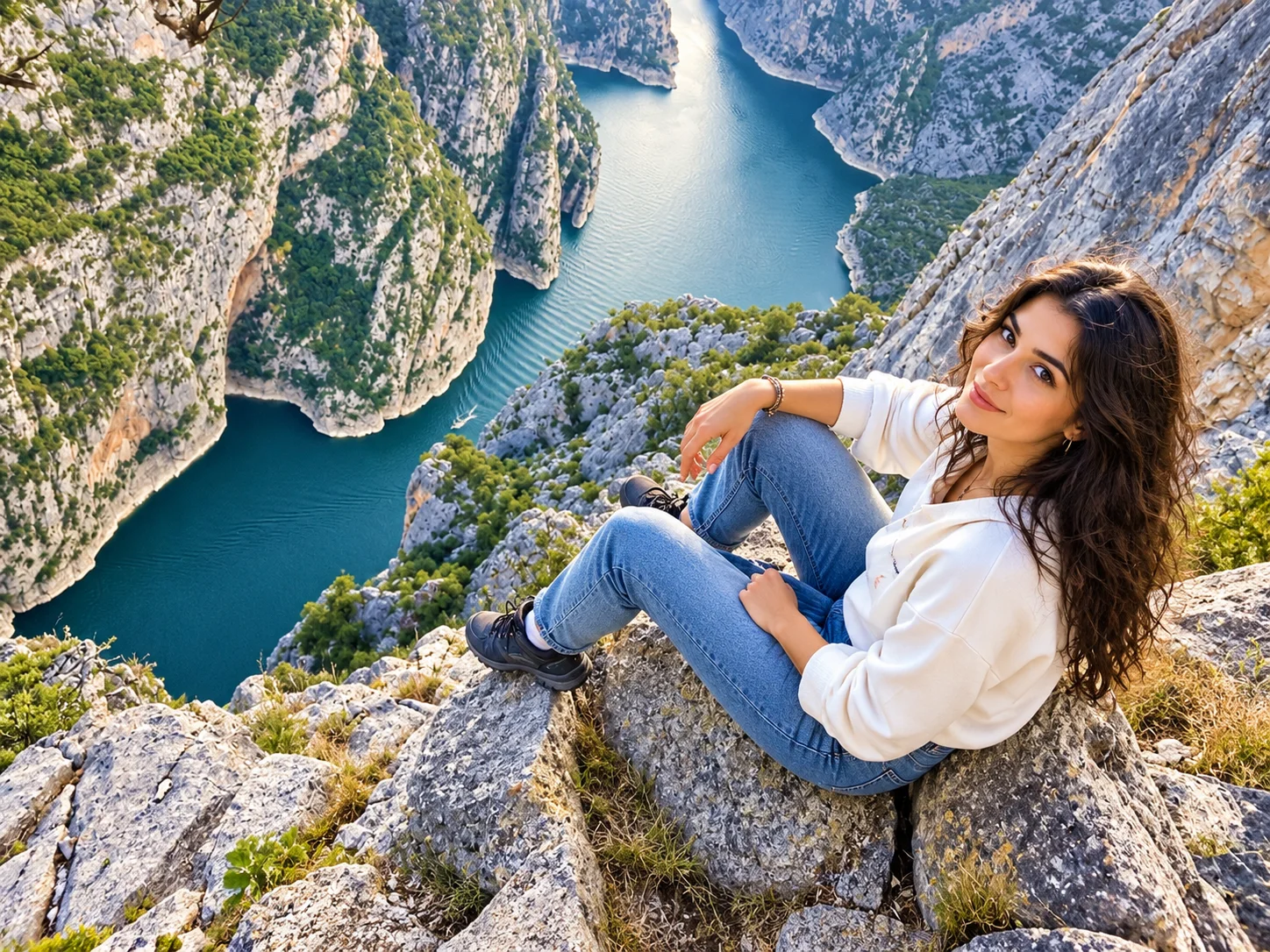
In the Vezirköprü district of Samsun province, Şahinkaya Kanyonu is a deep river gorge cut through forested limestone hills. Figures for its length vary across published sources — provincial authorities report approximately 3,250 metres — but it is undisputedly one of the most dramatic natural formations in the region. The canyon floor is accessible on wooden walkways and suspension bridges installed for visitors. Rafting tours operate on the Gökırmak tributary. The surrounding forest turns vivid amber and red in autumn, making September–October particularly photogenic.
Day Trips from Samsun
Tekkeköy Caves
Just 12 km east of the city centre, the Tekkeköy Mağaraları are among the best-documented prehistoric sites on the Turkish Black Sea coast. Archaeological investigation has established continuous human use spanning from approximately 15,000 to 60,000 years ago — firmly in the Palaeolithic period for the deepest layers. The site also includes medieval rock-cut chambers with Christian carvings. An illuminated walking route through the main cave system makes it accessible to most visitors; the round trip takes about 90 minutes and the site is a 20-minute drive from central Samsun.
Göğceli Mosque — Turkey's Oldest Wooden Mosque
In the Çarşamba district, approximately 55 km east of Samsun, stands Göğceli Camii — Turkey's oldest surviving wooden mosque. Built in 1206 during the Anatolian Seljuk period under Sultan Gıyaseddin Keyhusrev I, the structure was assembled using a traditional yığma (stacking) technique: timber beams laid without a single nail, relying entirely on precise joinery and weight to hold the building together over the centuries. The interior preserves original carved wooden columns and ceiling panels — a remarkable survival from the pre-Ottoman era of Anatolia, predating the founding of the Ottoman Empire by roughly 240 years.
Akdağ Ski Resort
Samsun's only ski destination, Akdağ Kayak Merkezi, lies 7 km from the centre of Ladik district. The resort operates a 1,360-metre slope at elevations between 1,450 and 1,900 metres, and is the only ski resort in the Central Black Sea region. The season is snow-dependent, typically beginning in December. Facilities include ski lifts, equipment rental, and accommodation options in nearby Ladik. For winter visitors to the Black Sea, Akdağ provides a rare opportunity to add skiing to a coastal itinerary.
Samsun's Beaches & Coastline
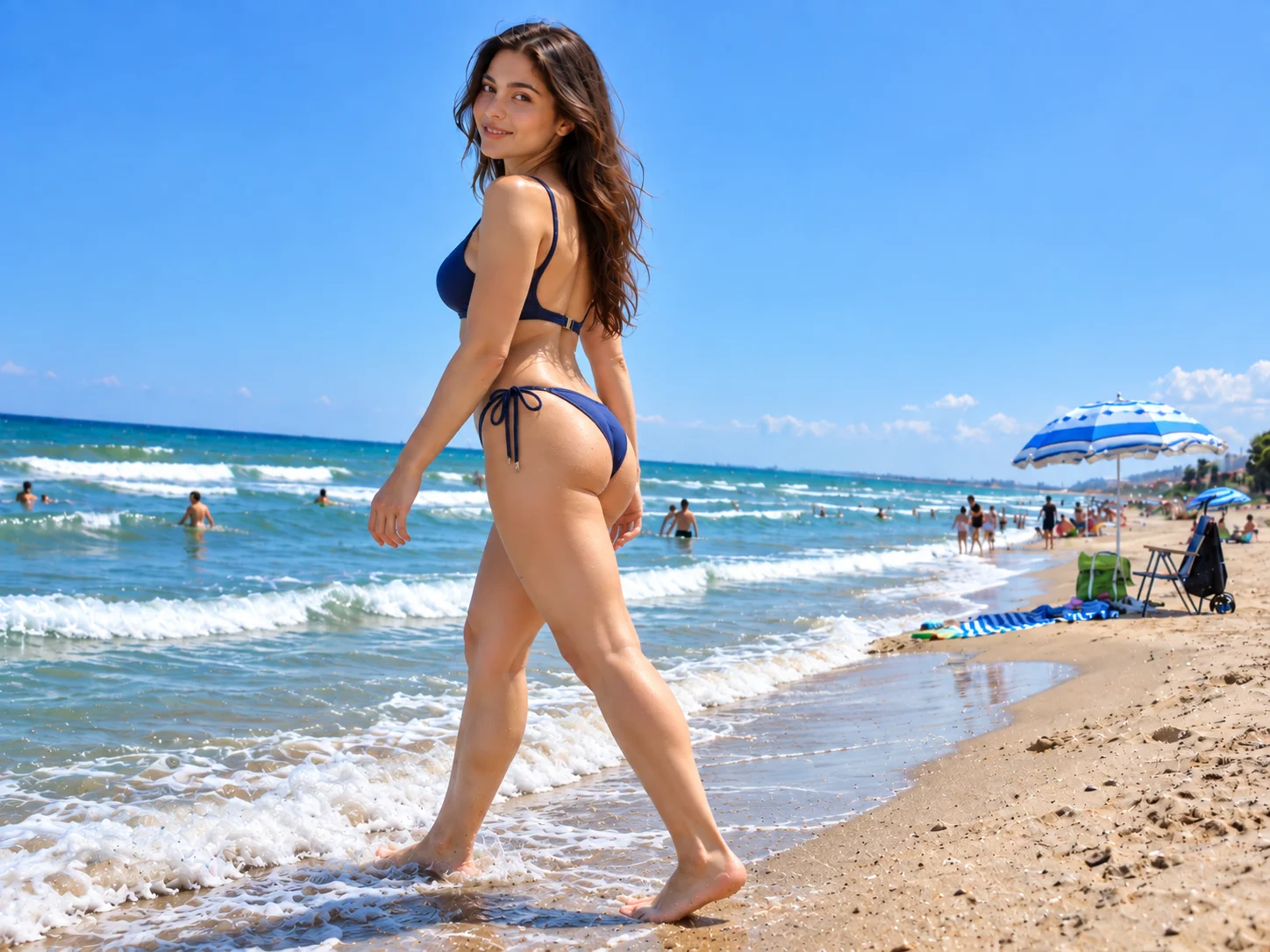
Samsun's Black Sea coastline extends over 100 km. The most popular beaches are in the Atakum district, a 20–30 minute tram ride west of the city centre. The Atakum promenade stretches several kilometres with beach access, seafront cafes, and facilities for families. Nazar Plajı is among the more organised stretches. The Black Sea at Samsun is cooler than the Aegean or Mediterranean — typically 18–22°C in summer — but the beaches are uncrowded by tourist standards and the atmosphere is genuinely local.
Local Food: Kaz Tiridi & Black Sea Flavours

No visit to Samsun is complete without trying kaz tiridi — a rich stew in which goose is slow-cooked until the meat falls apart, then combined with torn flatbread and onion soaked in the fat-rich cooking broth. It is widely considered one of the oldest documented recipes in Anatolian cuisine. Specialist restaurants near the Samsun bazaar and along the Atakum promenade are the best places to find authentic versions.
Other local specialities include Samsun pide — a distinctive boat-shaped flatbread filled with minced meat, egg, or cheese — along with hamsi (Black Sea anchovy, best eaten October–February), mısır ekmeği (cornbread), and cured and smoked meats from mountain villages. The covered Kapalı Çarşı near the historic centre sells local cheeses, dried goods, and seasonal produce.
Interesting Facts About Samsun
- National holiday origin: 19 May — Youth and Sports Day — is observed across Turkey to mark Atatürk's landing here in 1919. Samsun holds the official national ceremonies every year.
- Ancient Amisos: The city was founded as a Greek colony called Amisos in the 6th century BC, later becoming a capital of the Pontic Kingdom under Mithridates VI Eupator.
- Turkey's longest river: The Kızılırmak River, which forms the Ramsar delta west of Samsun, is Turkey's longest river at 1,355 km.
- Modern tram pioneer: Samsun opened one of Turkey's first modern light-rail tram lines in 2010, connecting the airport, city centre, and Atakum seafront.
- Tobacco capital: Historically Samsun was the most important tobacco-growing and trading region in Turkey. "Samsun tobacco" became a globally traded commodity in the 19th century; several cigarette brands still carry the city's name internationally.
- 72% of Turkey's birds: The Kızılırmak Delta has recorded 352 of Turkey's 483 confirmed bird species — over 72% of the national total, concentrated in a single wetland.
- Pre-Ottoman mosque: Göğceli Camii (1206) predates the founding of the Ottoman Empire by approximately 240 years.
- Caves older than agriculture: Tekkeköy Cave layers date back up to 60,000 years — well before the development of agriculture anywhere in the world.
Getting to Samsun
By air: Samsun is served by Samsun Çarşamba Airport (IATA: SZF), approximately 25 km east of the city centre. Journey time by car is typically 25–35 minutes. SAMAİR shuttle buses and HAVAŞ services connect the airport to the city. Direct flights operate from Istanbul (both IST and SAW), Ankara, and several other Turkish cities year-round.
By car from Istanbul: Approximately 700 km via the D100 or E80 highways, typically 7–9 hours. For a comfortable long-distance journey, a private intercity car with driver allows flexible stops at Black Sea towns along the route without the fatigue of driving.
By bus: Long-distance coaches connect Samsun to Istanbul, Ankara, and all major Black Sea cities. Journey time from Istanbul is roughly 8–10 hours.
From Trabzon and Eastern Black Sea: Samsun is approximately 230 km west of Trabzon along the coastal highway — about 3 hours. See the guide to attractions near Trabzon to plan the eastern half of a Black Sea itinerary.
Frequently Asked Questions — Samsun
What is Samsun most famous for?
Samsun is best known as the city where Atatürk landed on 19 May 1919 to begin organising the Turkish War of Independence. That date is now a national holiday, with official ceremonies held in Samsun. The city is also known for the Kızılırmak Delta (a major Ramsar birdwatching site), kaz tiridi cuisine, Şahinkaya Canyon, and historically as Turkey's most important tobacco-trading port.
Is the Bandırma Vapuru the original ship?
No. The ship moored in Doğu Park is a full-scale replica — 47 metres long, built between 2000 and 2001, and inaugurated on 19 May 2003. The original Bandırma steamer no longer exists. The replica features wax figures recreating the 1919 crossing and is free to enter.
Is the Amisos Tepesi cable car operating?
Yes. The teleferik was renovated and reopened on 24 March 2025. It runs between Batıpark on the seafront and the Amisos Tepesi hilltop, covering 320 metres at a maximum height of 62 metres. Operating hours are approximately 09:00–21:00 daily. Verify the current seasonal schedule locally before visiting.
What birds can be seen at the Kızılırmak Delta?
The delta has recorded 352 of Turkey's 483 confirmed bird species. Notable species include Dalmatian pelican, white stork, pygmy cormorant, little egret, grey heron, spoonbill, and various raptors during migration. Spring (April–May) is best for breeding birds; autumn (September–October) for peak migration concentrations. The delta has been a Ramsar Convention wetland since 1998.
What airport serves Samsun and how far is it from the city?
Samsun Çarşamba Airport (IATA: SZF) is approximately 25 km east of the city centre. Transfer time by car is 25–35 minutes. SAMAİR and HAVAŞ buses serve the route. Direct flights operate from Istanbul (IST and SAW), Ankara, and several other Turkish cities.
What is kaz tiridi?
Kaz tiridi is Samsun's signature dish — goose slow-cooked until falling apart, then combined with torn flatbread and onion soaked in the fat-rich cooking broth. It is considered one of the oldest documented recipes in Anatolian cuisine. The best versions are served at specialist restaurants near the Samsun bazaar and along the Atakum seafront.
Where is Göğceli Mosque and why is it significant?
Göğceli Camii is in Çarşamba district, approximately 55 km east of Samsun. Built in 1206 under Anatolian Seljuk Sultan Gıyaseddin Keyhusrev I, it is Turkey's oldest surviving wooden mosque. The structure was built entirely without nails using the traditional yığma (stacking) joinery technique — a feat of pre-Ottoman craftsmanship that has endured over 800 years.
Is Akdağ Ski Resort open?
Yes. Akdağ Kayak Merkezi is operational and is the only ski resort in the Central Black Sea region. Located 7 km from Ladik district centre, it has a 1,360-metre slope at elevations between 1,450 and 1,900 metres. The season is snow-dependent, typically beginning in December. Check current snow conditions before planning a visit.
How far is Samsun from Istanbul by road?
Samsun is approximately 700 km from Istanbul, typically 7–9 hours by car depending on route and traffic. The most scenic option follows the Black Sea coastal road (D010) through Zonguldak, Kastamonu, and Sinop. A private intercity car with driver allows comfortable stops along the way without the effort of long-distance driving.
When is the best time to visit Samsun?
May–June and September–October are generally the best months. Spring brings lush green landscapes, active birdlife in the delta, and mild temperatures. Autumn combines the harvest season, peak migration at Kızılırmak, and vivid colours in Şahinkaya Canyon. Summer (July–August) is warmer, good for beaches, and busier. Winter suits museum visits and, for those travelling to Ladik, skiing at Akdağ.