
Antalya · Konyaaltı Cad. · Ministry museum
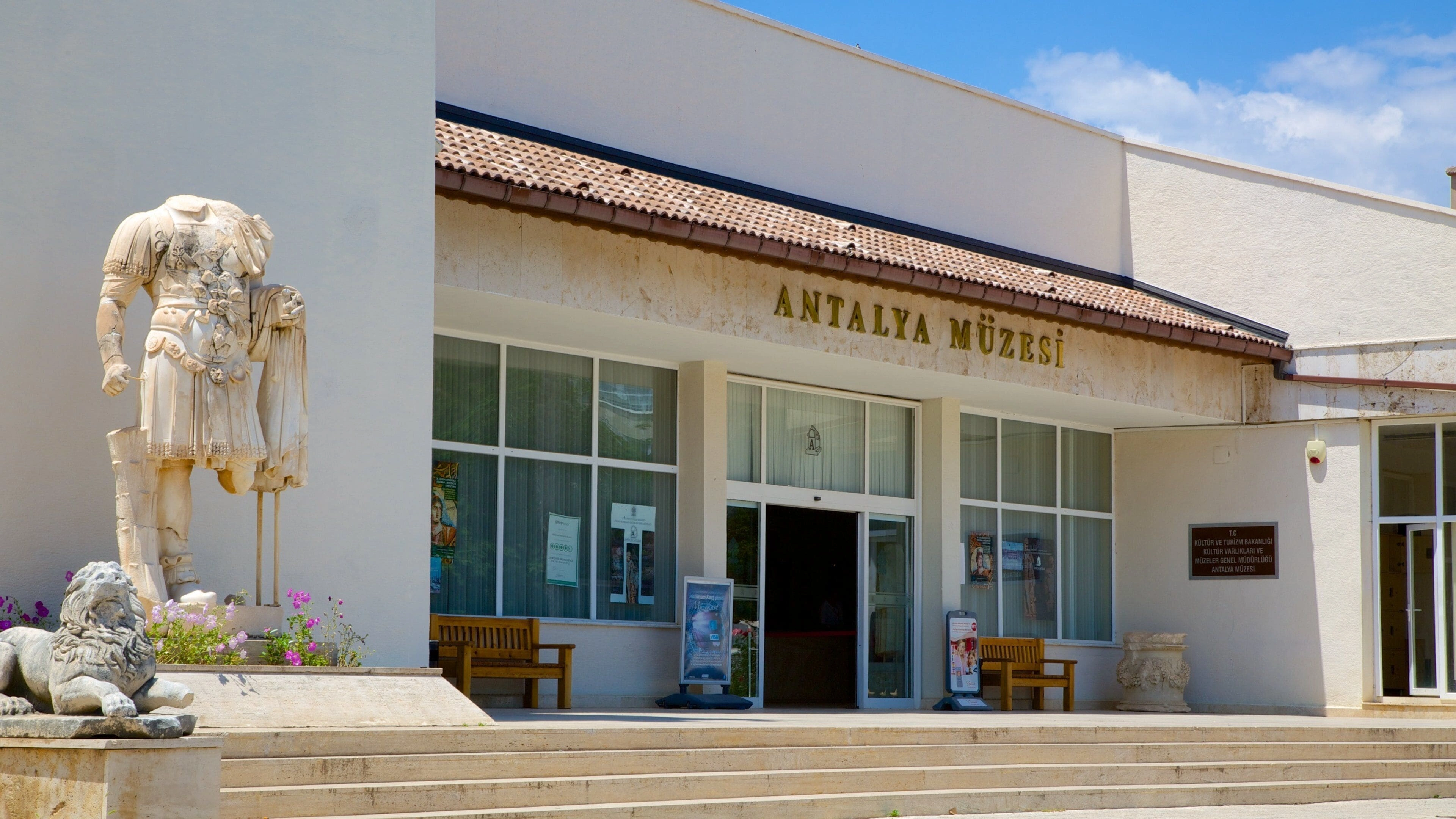
Antalya Archaeological Museum (officially Antalya Müzesi) is closed to visitors since 16 July 2025 for the project “Antalya Yeni Müze Yapımı I. Etap ve Eser Taşıma İşi”—new museum construction, stage I, and artefact transfer. Official muze.gov.tr states it is closed to visits (“Ziyarete kapatılmıştır”). Collections are in secure storage; the former 1972 building has been demolished and a new museum is under construction on the same campus. There is no firm public reopen date. This English guide leads with that status, then covers founding history, former halls, signature objects and what to do while the galleries are offline. Cab Istanbul remains intercity car with driver transport only.
Do not plan a gallery visit in 2026 on the strength of old hours or ticket lists. Stale “open daily” schedules and former entry tariffs (including old 340 TL lines) are not current visit products. MüzeKart cannot be used for entry here while the museum is closed. For open archaeology nearby, start with Perge Ancient City, then widen to places to visit in Antalya and ancient cities near Antalya.
Current status
Closed since 16 July 2025 — what that means
The Ministry of Culture and Tourism / Antalya Museum Directorate campus at Bahçelievler Mah., Konyaaltı Cad. No:88, Muratpaşa / Antalya is a construction and storage site, not a ticketed exhibition. The temporary closed-museums list on kvmgm.ktb.gov.tr records the same start date and project name. Official wording keeps reopening tied to completion of works (“çalışmalar tamamlanıncaya kadar”)—not a published visitor calendar date. Political or project talk of a 2026 completion target is secondary press only; this article does not publish it as a confirmed reopen day.
- Visitor access: none for the main collection galleries.
- Collections: moved to secure, climate-controlled storage—not on public display.
- Temporary main-collection exhibition elsewhere: none confirmed.
- Former building: demolished; new museum under construction on the campus.
- Tickets / hours: not applicable for entry while closed—omitted as a current product.
At a glance
Collection highlights (former display context)
These signature strengths defined the museum before closure. Objects below are described as the collection historically held and displayed—not as a walkable 2026 route.
| Highlight | Why it mattered | Region / context | Status note |
|---|---|---|---|
| Perge sculpture programme | Signature Roman portrait & deity strength | Pamphylia / Perge | In secure storage |
| Weary Herakles (statue) | Joined lower half + 2011 repatriated upper half | Perge South Baths | Not the Heracles sarcophagus |
| Domitias Julianus & Philiskas sarcophagus | 2nd c. AD kline-lid couple with Greek inscription | Perge | Former gallery highlight |
| Heracles sarcophagus (12 labours) | Separate Torre Nova-type piece; Geneva repatriation 2017 | Distinct from Weary Herakles | Do not merge identities |
| Artemis & imperial / mythological statues | Gods and emperors halls’ public face | Perge-related & regional | Former display |
| Plancia Magna | Perge civic benefactress portrait tradition | Important; not always “hall centrepiece” | Qualified placement |
| Elmalı Hoard | ~1900 silver coins; returned 1999; to museum 2009 | Bayındır / Elmalı area | “Treasure of the Century” = qualified nickname |
| Karain / Öküzini prehistory | Deep regional timeline; Neanderthal skeleton fragments (official muze wording) | Antalya hinterland caves | Former prehistory halls |
| St Nicholas excavation finds | Church artefacts / icons from excavations | Myra / Demre context | Not the saint’s corporeal relics |
| Turkish-Islamic & ethnography | Former regional ethnography & Islamic arts strength | Antalya province | Former halls |
History
From 1922 founding to the 1972 building
The museum’s institutional story begins in the early 1920s. Official tourism and culture texts commonly date organised collecting from 1922 in Alaeddin Camii in Kaleiçi. Süleyman Fikri Erten—a teacher and honorary antiquities officer from about 1919—stands at the centre of the founding narrative: protecting regional finds during the occupation-era risk of artefact loss. Phrase that as the qualified official founding story, not sensational “pillaging” drama.
Collections later moved to the Yivli Minare mosque complex (roughly 1937–1972 class). The modern purpose-built museum opened in 1972 (Tekeli–Sisa–Hepgüler competition project) on the Konyaaltı campus. That 1972 building is the demolished structure being replaced—history of the institution, not a current floor plan for visitors.
In 1988 the museum received a Council of Europe Special Commendation / Special Prize within the European Museum of the Year Award framework. That is not the EMYA main prize for 1988 (main prize that year: Brandts, Odense). Older “European Council Museum of the Year” wording in tourist copy should be corrected to this Special Commendation/Prize distinction.
Geography of finds
Pamphylia, Lycia and Pisidia — regional repository
Before closure, Antalya Museum was the principal public repository for archaeology from Pamphylia, with major material also from Lycia and Pisidia. It did not claim exclusive ownership of every Lycian or Pisidian find in Turkey, but it was the flagship Antalya-province museum for sculpture, sarcophagi, coins and excavation assemblages. Perge sculptures were the signature strength visitors paired with the open-air city at Aksu—see the companion guide to Perge Ancient City.
Former layout
Former 14 halls and ~30,000 m² campus
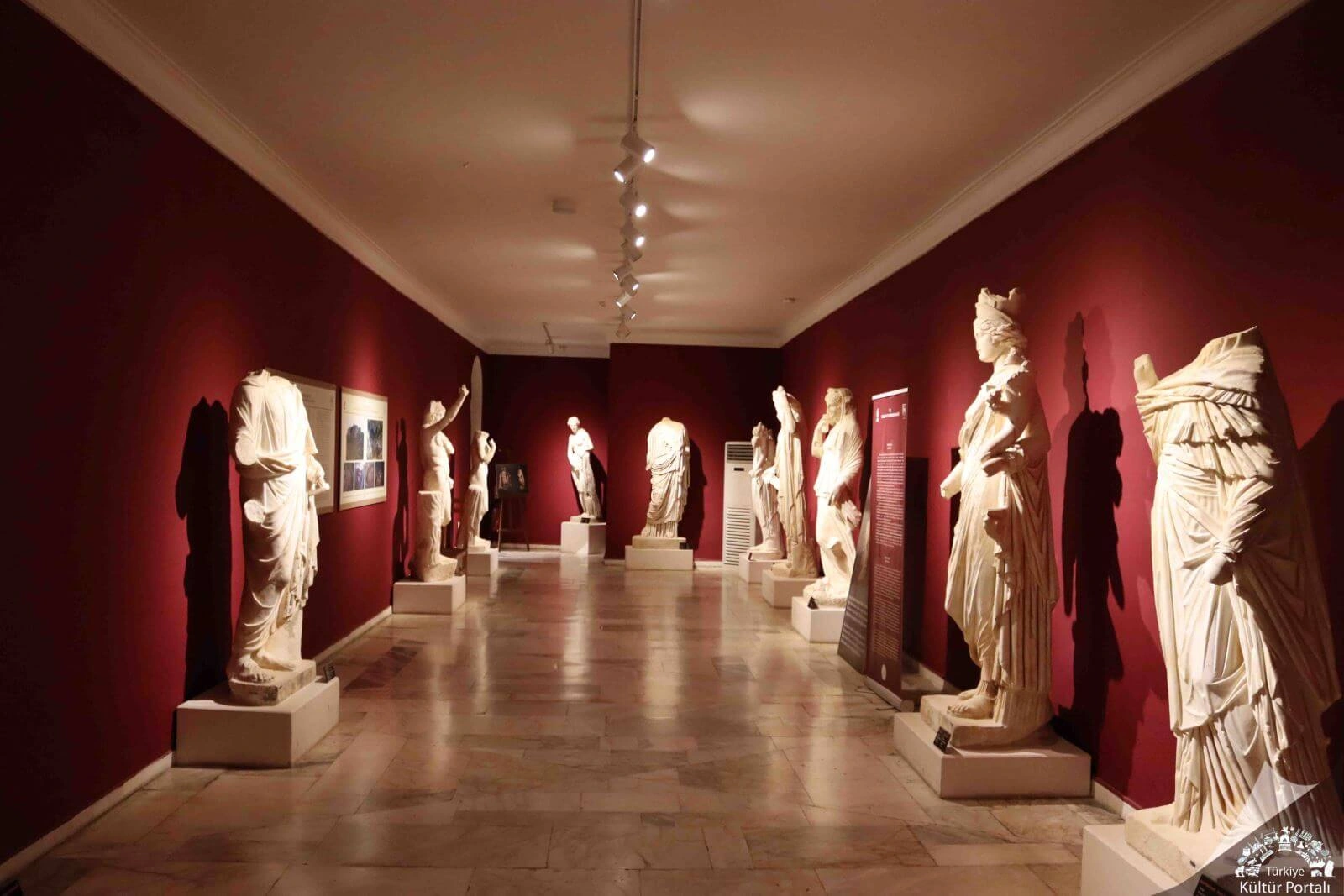
Guidebooks and museum texts described a campus of about 30,000 m² with roughly 14 exhibition halls, a children’s section and an open-air sculpture garden. Treat that figure as the former configuration of the demolished 1972 building—what the institution was known for—not a current visitor map. The new museum is expected to redisplay the same collection strengths; until then, use the table as historical orientation only.
| Former section / hall theme | Typical content | Visitor planning note |
|---|---|---|
| Natural History & Prehistory | Karain / Öküzini; deep timeline; Neanderthal skeleton fragments (official muze wording) | Former route only |
| Ceramics | Regional pottery sequences | Former route only |
| Gods / mythology | Deity statues including Artemis-related pieces | Former display |
| Mosaics | Pavement and panel finds | Former display |
| Sarcophagi | Perge necropolis workshop tradition; Domitias; girland types; Heracles sarcophagus | Former display |
| Marble portraits | Civic and elite portraiture; Plancia Magna tradition | Qualified emphasis |
| Coins | Including Elmalı Hoard context | Former coins section |
| Emperors / imperial | Imperial statues and related mythological gallery groups | Former display |
| Funerary | Grave goods and funerary sculpture | Former display |
| Small objects & icons | Including St Nicholas Church excavation finds (not saint’s relics) | Former display |
| Ethnography / Turkish-Islamic | Regional ethnography and Islamic arts | Former strength |
| Regional excavations | Site-linked assemblages across the province | Former display |
| Perge Theatre hall | Theatre sculptures and related finds | Former display |
| Children’s section & garden | Education space; open-air sculpture garden | Former campus amenities |
Named objects
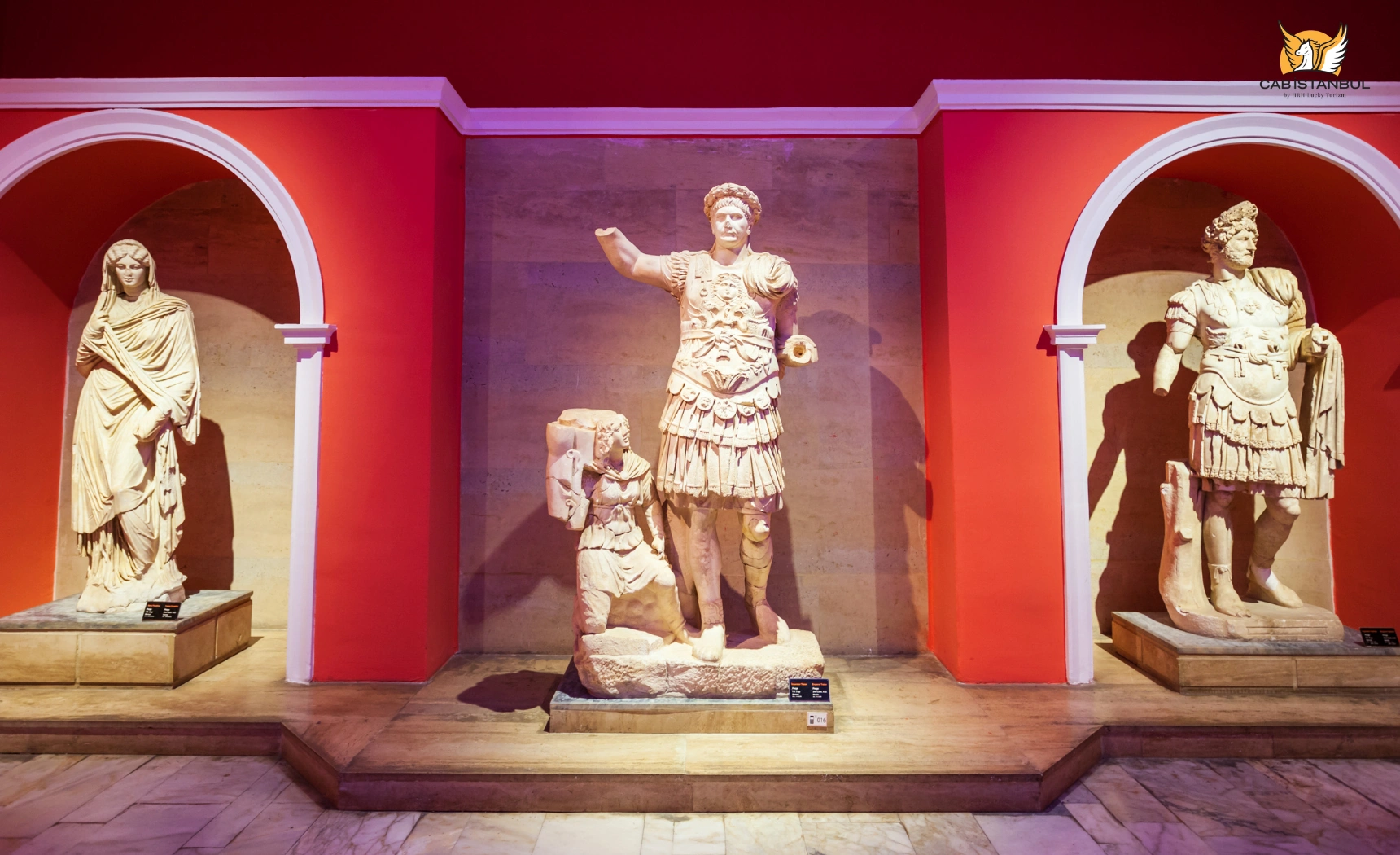
Weary Herakles, Domitias, Artemis and imperial statues
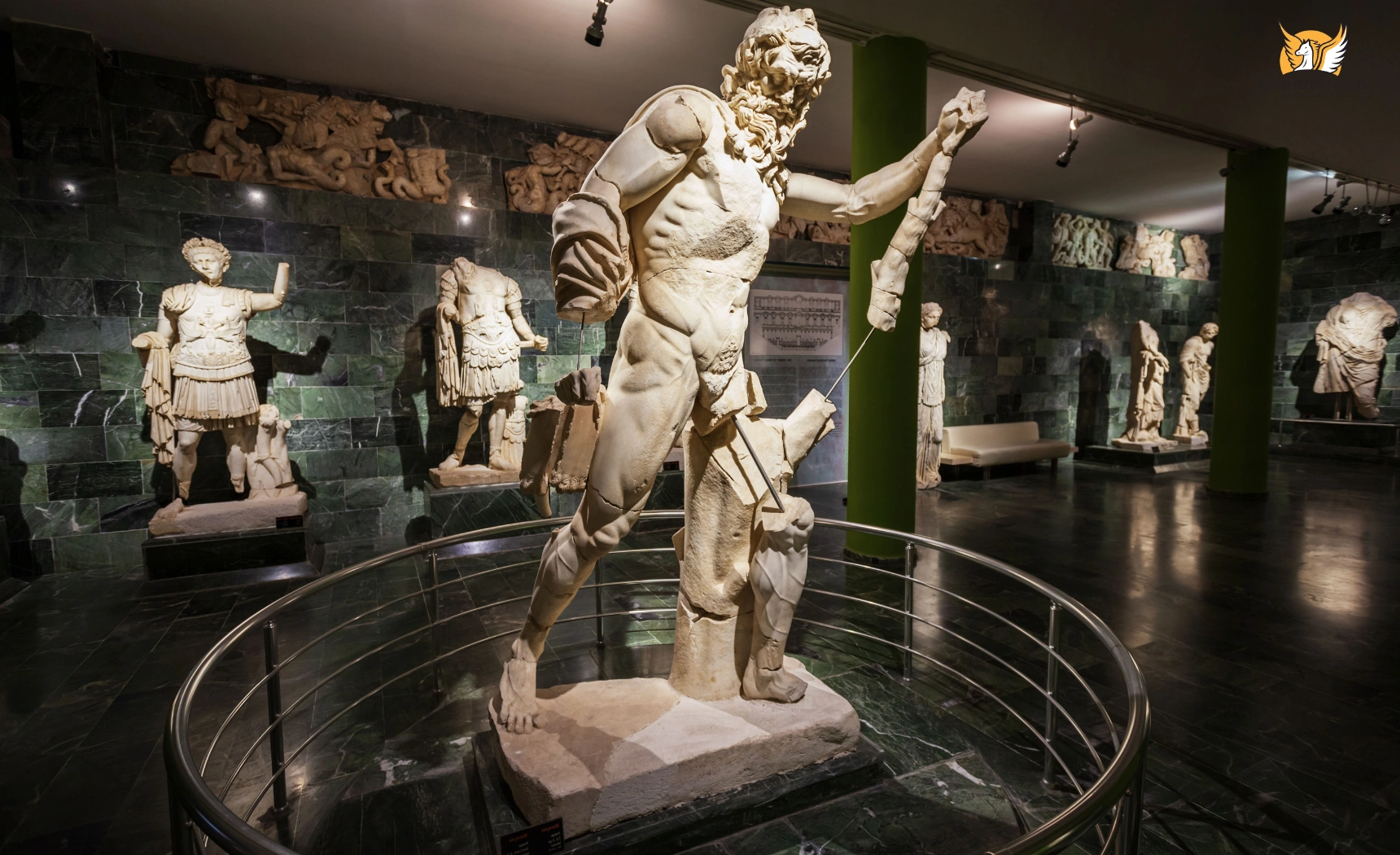
Weary Herakles (Heracles Farnese type) is a statue from the Perge South Baths—not a sarcophagus. The lower half was excavated in 1980; the upper half was repatriated from the MFA Boston / White-Levy context in 2011, then joined and displayed. Keep it strictly separate from the Heracles sarcophagus, a Torre Nova-type coffin with the twelve labours repatriated from Geneva in 2017.
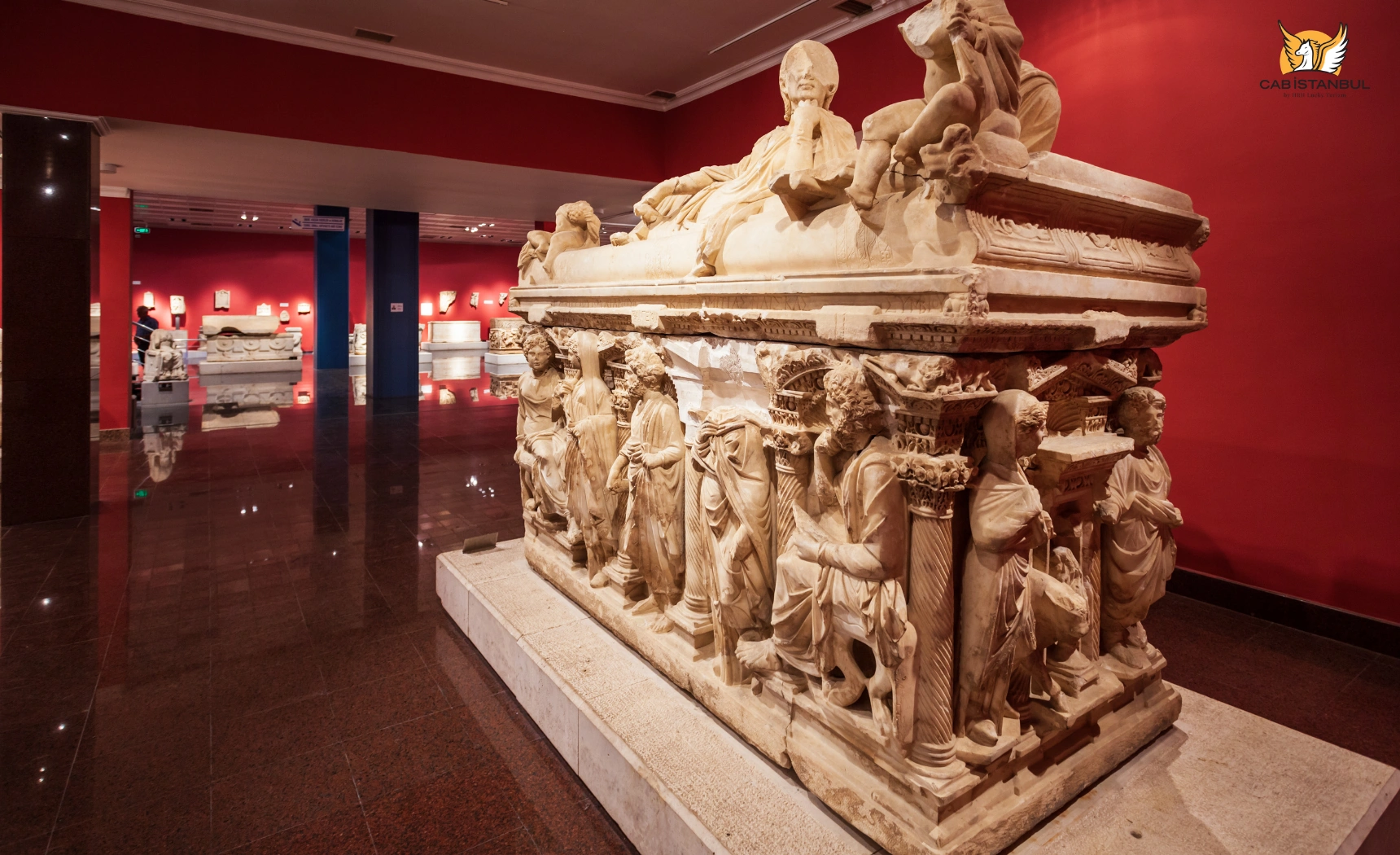
The Domitias Julianus and Domitias Philiskas sarcophagus from Perge (2nd century AD) shows a kline-lid couple with a Greek inscription—one of the museum’s best-known funerary pieces in former display.
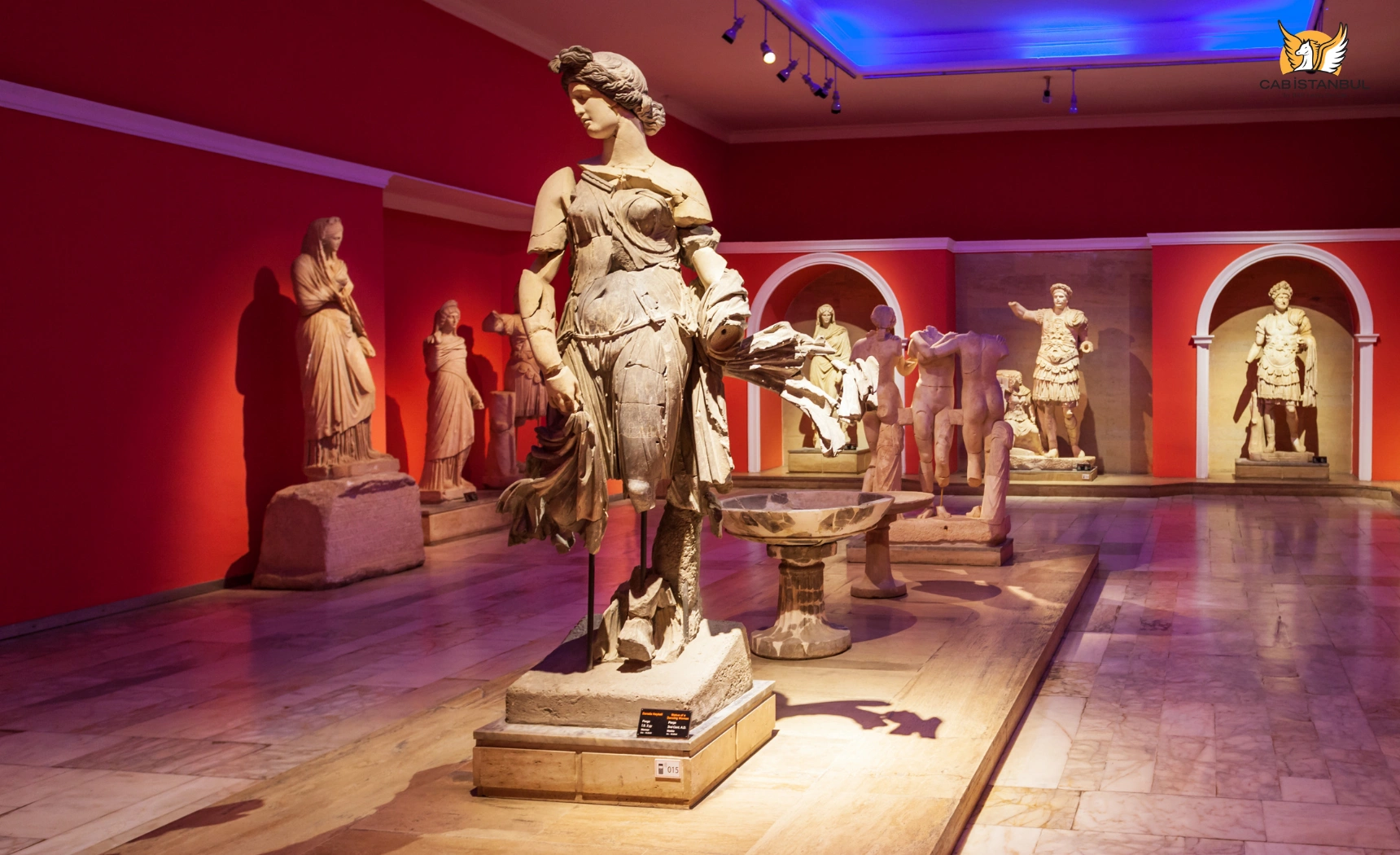
Artemis and related deity sculpture formed part of the gods halls’ public face. Imperial and mythological statue groups—figures often discussed together with Zeus, Sabina, Hadrian and Tyche types—filled the emperors and mythology sequences; captions below stay soft where a single photo may show more than one piece.
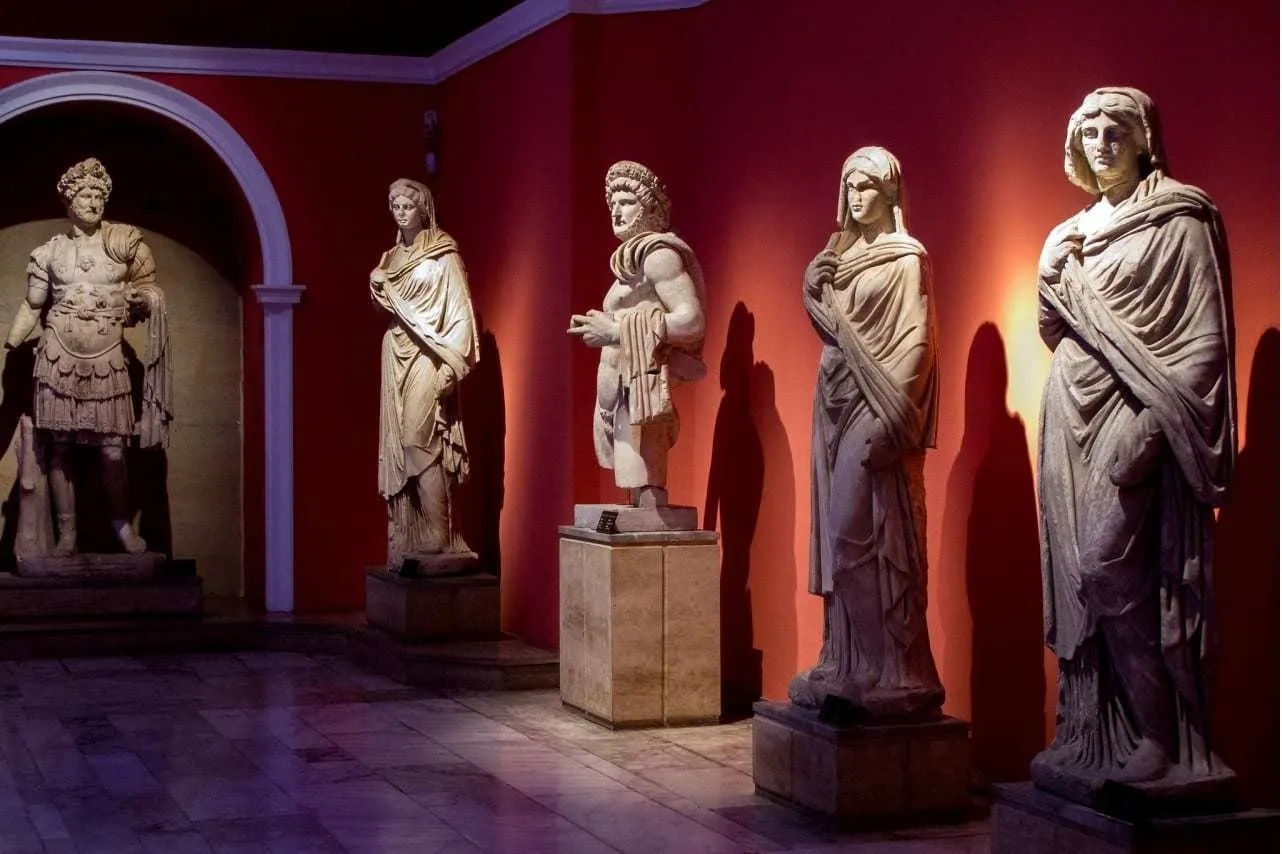
Plancia Magna, the Perge civic benefactress, belongs in the portrait tradition and matters for Perge’s civic story—present her with qualified placement rather than forcing her as every “imperial hall” centrepiece.
Coins, caves & church finds
Elmalı Hoard, Karain and St Nicholas excavation material
The Elmalı Hoard—about 1,900 silver coins illicitly dug in 1984 near Bayındır—was returned in 1999 and entered the Antalya Museum in 2009. Journalism and official nicknames sometimes call it the “Treasure of the Century”; use that label as a qualified nickname, not a scientific classification.
Karain and Öküzini caves supplied the prehistory narrative. Official muze.gov.tr wording refers to Neanderthal skeleton fragments from Karain—keep that exact institutional phrasing rather than inventing fuller skeletal claims.
Finds linked to the Church of St Nicholas (Myra / Demre excavation and church context) include excavation artefacts, icons and related church material. Do not claim that the museum held the saint’s corporeal relics.
Turkish-Islamic art and ethnography halls were a second public strength beside classical sculpture—costume, household and regional Islamic arts that balanced the Perge-heavy classical story for domestic and school visitors.
Former visit atmosphere
Gallery videos — historic visit only
The videos below show former visit atmosphere from when galleries were open. They are not authority for 2026 access, tickets or hours.
Former visit atmosphere only. Confirm muze.gov.tr before assuming any reopen or temporary exhibition.
Practical 2026
Visitor information while CLOSED
| Practical detail | Current information |
|---|---|
| Status | CLOSED to visitors since 16 July 2025 |
| Official notice | muze.gov.tr: “Ziyarete kapatılmıştır” |
| Closure reason | Antalya Yeni Müze Yapımı I. Etap ve Eser Taşıma İşi (kvmgm closed list) |
| Address / campus | Bahçelievler Mah., Konyaaltı Cad. No:88, Muratpaşa / Antalya |
| Building | Former 1972 building demolished; new museum under construction |
| Collections | Secure climate-controlled storage; not on public display |
| Temporary main exhibition | None confirmed |
| Reopening | No firm visitor date; until works complete |
| Hours / ticket | Not applicable for entry — ticket product omitted while closed |
| MüzeKart | No current entry use at this institution |
| Stale data to ignore | Old “open daily” hours and former 340 TL tariff lines |
| Photography / gallery access | N/A while closed |
| Visit duration (after reopen) | Plan ~2–3 h for galleries + garden when museums reopen; confirm then |
| Meanwhile | Perge örenyeri, Kaleiçi, other open regional museums |
Any DOSIM tariff still listed against the institution while closed is not a buyable gallery visit. Do not treat placeholder 00:00–00:00 hours on muze.gov.tr as open-day scheduling.
Getting there
Transport to the Konyaaltı campus
The campus remains on the Konyaaltı Caddesi axis west of Kaleiçi, even during construction. Use transport rows as location context—not as gallery-access instructions.
| Route | Practical options | Important note |
|---|---|---|
| Kaleiçi → museum campus | Taxi / car / chauffeur west along the coast / Konyaaltı axis | Not a universal 15–20 min walk from every Kaleiçi point—use a realistic range by start point |
| Antalya centre / Lara hotels | Car / taxi / chauffeur | Campus is a construction site—no gallery entry |
| Antalya Airport → campus | Car / taxi / chauffeur via city | Transport only; no museum visit until reopen |
| Tram “Müze” stop name | Historic stop naming near the campus corridor | Verify current service; do not invent frequency |
| Parking | Campus historically had parking | Construction may restrict or close visitor parking |
| Public bus numbers | — | Old route numbers (e.g. 600, CV14) removed unless current Antalya transport confirms |
Cab Istanbul provides intercity car with driver only—drivers are not licensed museum guides and no tickets are sold or included.
While closed & after reopen
Itineraries that still make sense
| Itinerary | Stops | Best for | Important note |
|---|---|---|---|
| Sculpture provenance day (while closed) | Perge Ancient City walk | Seeing the landscape that produced the stored sculptures | Museum galleries offline |
| City history without museum | Kaleiçi + Hadrian’s Gate | Old-town day | Museum founding began in Kaleiçi (Alaeddin) |
| Prehistory context | Karain Cave (if open / accessible) | Cave timeline linked to museum finds | Confirm site hours separately |
| Regional museum alternatives | Side / Alanya museums (when open) | Open gallery day elsewhere | Mention carefully; confirm each museum’s own status |
| Wider Antalya planning | Attraction places in Antalya + ancient cities near Antalya | Multi-day coastal / inland mix | Do not pad with closed-museum hours |
| Flagship day after reopen | Museum galleries + Perge | Ruin + sculpture programme together | Only after muze.gov.tr confirms reopen |
FAQ
Antalya Archaeological Museum frequently asked questions
No. It has been closed to visitors since 16 July 2025. Official muze.gov.tr states it is closed to visits (“Ziyarete kapatılmıştır”).
For “Antalya Yeni Müze Yapımı I. Etap ve Eser Taşıma İşi”—new museum construction (stage I) and artefact transfer—listed on the kvmgm temporary closed-museums register.
There is no firm public reopen date. Official wording keeps access closed until works are complete. Do not treat project or political 2026 completion talk as a confirmed visitor day.
In secure, climate-controlled storage. There is no confirmed temporary public exhibition of the main collection.
Yes—the former 1972 building has been demolished and a new museum is under construction on the same Konyaaltı campus.
No. Entry tickets are not a current product, and MüzeKart cannot be used for gallery entry here while the museum is closed. Ignore stale 340 TL and open-daily hour lists.
Bahçelievler Mah., Konyaaltı Cad. No:88, Muratpaşa / Antalya—west of Kaleiçi on the Konyaaltı axis. The campus is a construction site during rebuild.
Organised collecting is commonly dated from 1922 in Alaeddin Camii, Kaleiçi, with Süleyman Fikri Erten central to the founding narrative from about 1919. Collections later moved to Yivli Minare, then to the 1972 purpose-built museum.
They describe the former layout of the demolished 1972 campus—roughly fourteen exhibition halls plus children’s section and garden on about 30,000 m²—not a current walkable floor plan.
A statue (Heracles Farnese type) from Perge South Baths. The lower half was excavated in 1980; the upper half was repatriated in 2011 and joined for display. It is not a sarcophagus.
No. The Heracles sarcophagus is a separate Torre Nova-type coffin with the twelve labours, repatriated from Geneva in 2017. Keep the two objects distinct.
A 2nd-century AD Perge sarcophagus of Domitias Julianus and Domitias Philiskas—a kline-lid couple with a Greek inscription, formerly a major gallery highlight.
About 1,900 silver coins illicitly dug in 1984 near Bayındır, returned in 1999 and brought to Antalya Museum in 2009. “Treasure of the Century” is a qualified journalism/official nickname.
Official muze.gov.tr wording refers to Neanderthal skeleton fragments from Karain Cave—use that institutional phrasing rather than broader skeletal claims.
No absolute claim of the saint’s corporeal relics. The collection context is excavation finds, icons and church artefacts linked to the St Nicholas Church excavations.
It received a Council of Europe Special Commendation / Special Prize in 1988 within the EMYA framework—not the EMYA main prize (1988 main: Brandts, Odense).
The freestanding sculptures are in storage. Visit Perge Ancient City for the urban fabric and provenance landscape; plan the sculpture galleries only after reopen.
Perge, Kaleiçi and Hadrian’s Gate, other open ancient cities, and carefully confirmed regional museums. See attraction places in Antalya and ancient cities near Antalya.
A Perge civic benefactress known from portrait and inscription tradition. Important for the city’s Roman civic story—qualified placement, not forced as every imperial-hall centrepiece.
Cab Istanbul offers intercity chauffeur transport only—no museum tour package, licensed guide or tickets included.
Antalya Archaeological Museum remains closed for new-museum construction and artefact transfer since 16 July 2025, with collections in secure storage and no firm reopen date—use this page for accurate status, founding history from 1922 through the former 1972 halls, and signature objects from Weary Herakles to Domitias and Elmalı, then walk Perge and Kaleiçi until muze.gov.tr says the galleries are open again.