
Kadıköy: Istanbul's Most Liveable Asian District
One ferry ride across the Bosphorus brings you to Kadıköy — where Neolithic mounds and Chalcedonian ruins lie beneath a cosmopolitan urban district of market lanes, street art, a 1920s opera house, Bosphorus waterfront cafés, and sandy beaches. It is the Asian side's cultural engine, and among Istanbul's most rewarding neighbourhoods to explore on foot.
Why Visit
Ancient to Modern
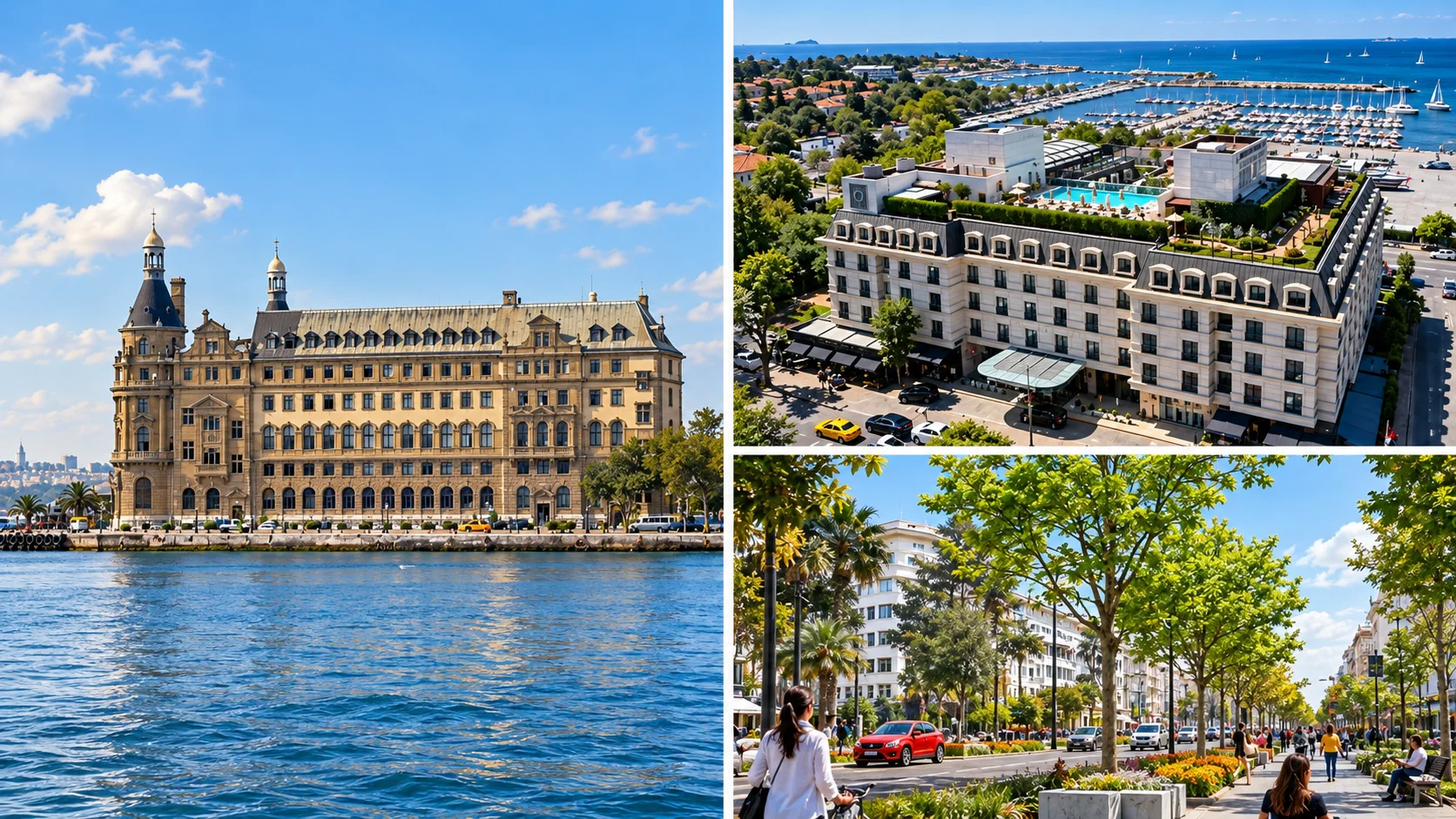
Chalcedonian ruins, an Ottoman covered market, Turkey's sixth opera house, a vibrant street-art quarter, Bosphorus-view cafés, and three public beaches — all within a few walkable kilometres on Istanbul's Asian shore.
Key Districts
Neighbourhoods at a Glance
Çarşı: market core. Yeldeğirmeni: street art. Haydarpaşa: historic station & archaeology. Moda: waterfront. Kadife Sokak: nightlife. Fenerbahçe–Kalamış: marina & park. Caddebostan: beaches. Bağdat Caddesi: luxury retail.
Getting There
Access
Ferry from Eminönü, Beşiktaş or Kabataş (15–25 min). M4 metro direct from Sabiha Gökçen Airport to Kadıköy in ~35 min (23 stations). Private transfer from Istanbul Airport (IST) or Sabiha Gökçen (SAW) door to door.
Çarşı, Bahariye & the Bull of Altıyol
Kadıköy Çarşısı — the market district anchored between Altıyol square and Bahariye Avenue — is the Asian side's oldest commercial and social heart. Fish stalls, spice dealers, cheese specialists, independent bookshops, and antique traders fill the maze of narrow lanes. Mühürdar Caddesi and Güneşlibahçe Sokak are the principal food streets; Tellalzade Sokak the antique row.
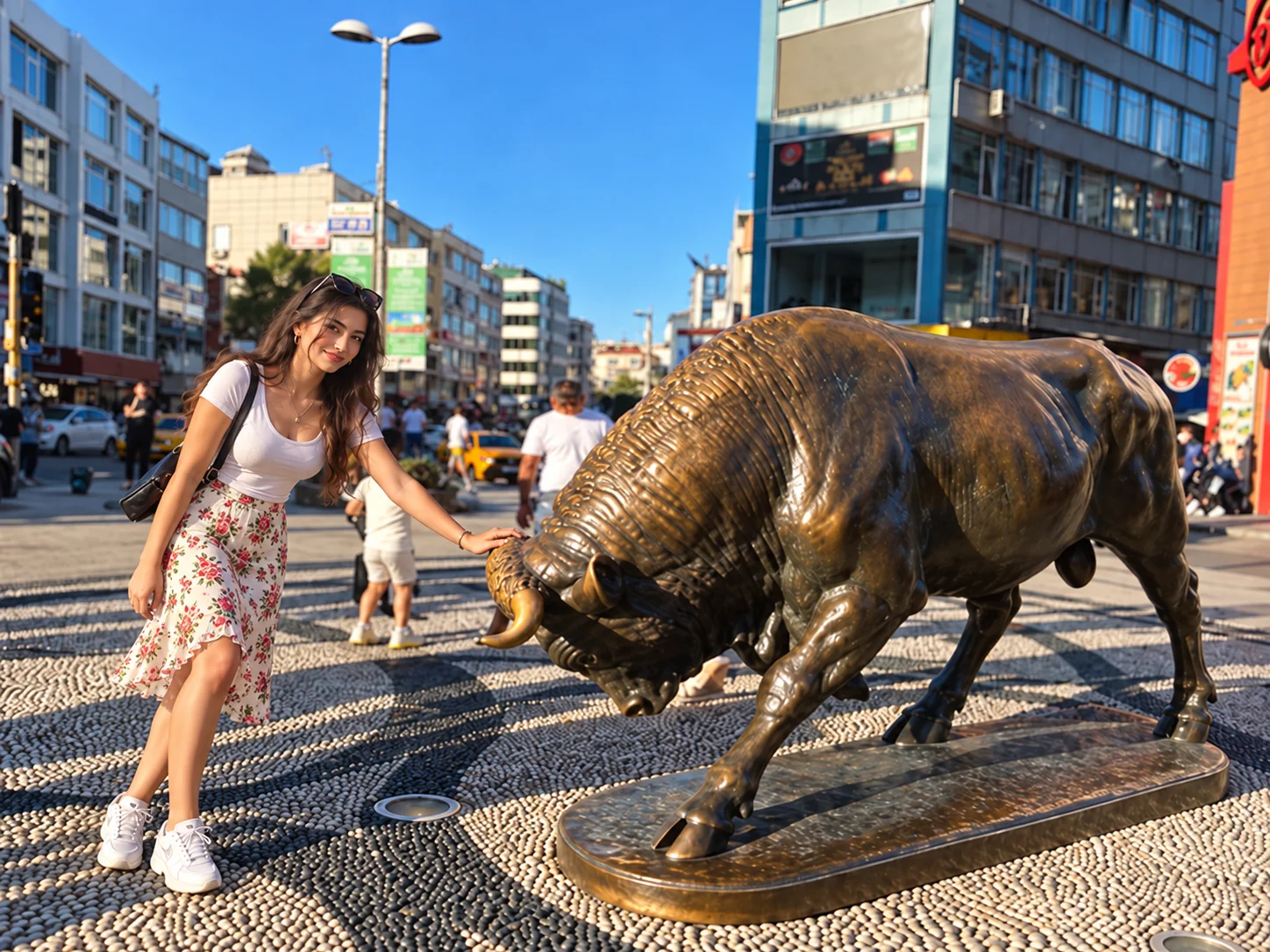
Boğa Heykeli — The Bull of Altıyol
The bronze bull standing at Altıyol square is Kadıköy's best-known landmark. It was cast in 1864 by French sculptor Isidore Jules Bonheur and shipped from Paris to Istanbul. Before its current home at Altıyol, the sculpture passed through Beylerbeyi, Yıldız Palace, the Bilezikçi farm, the Spor ve Sergi Sarayı, Taksim Square, and the Şehremaneti building — finally arriving at Altıyol in 1987 after over a century of relocations. Today it is Kadıköy's unofficial symbol and the district's main meeting point.
Süreyya Opera House
At the corner of Bahariye Avenue, the Süreyya Operası opened on 6 March 1927 — one of Turkey's earliest purpose-built opera venues. The 700-seat hall, with its ornate neo-Ottoman exterior, hosts productions by the Istanbul State Opera and Ballet throughout the season.
Note: The Haldun Taner Sahnesi theatre (a separate venue in the same cultural cluster) is currently closed for renovation and is not expected to reopen before May 2027.
Yeldeğirmeni: Murals on Late-Ottoman Streets
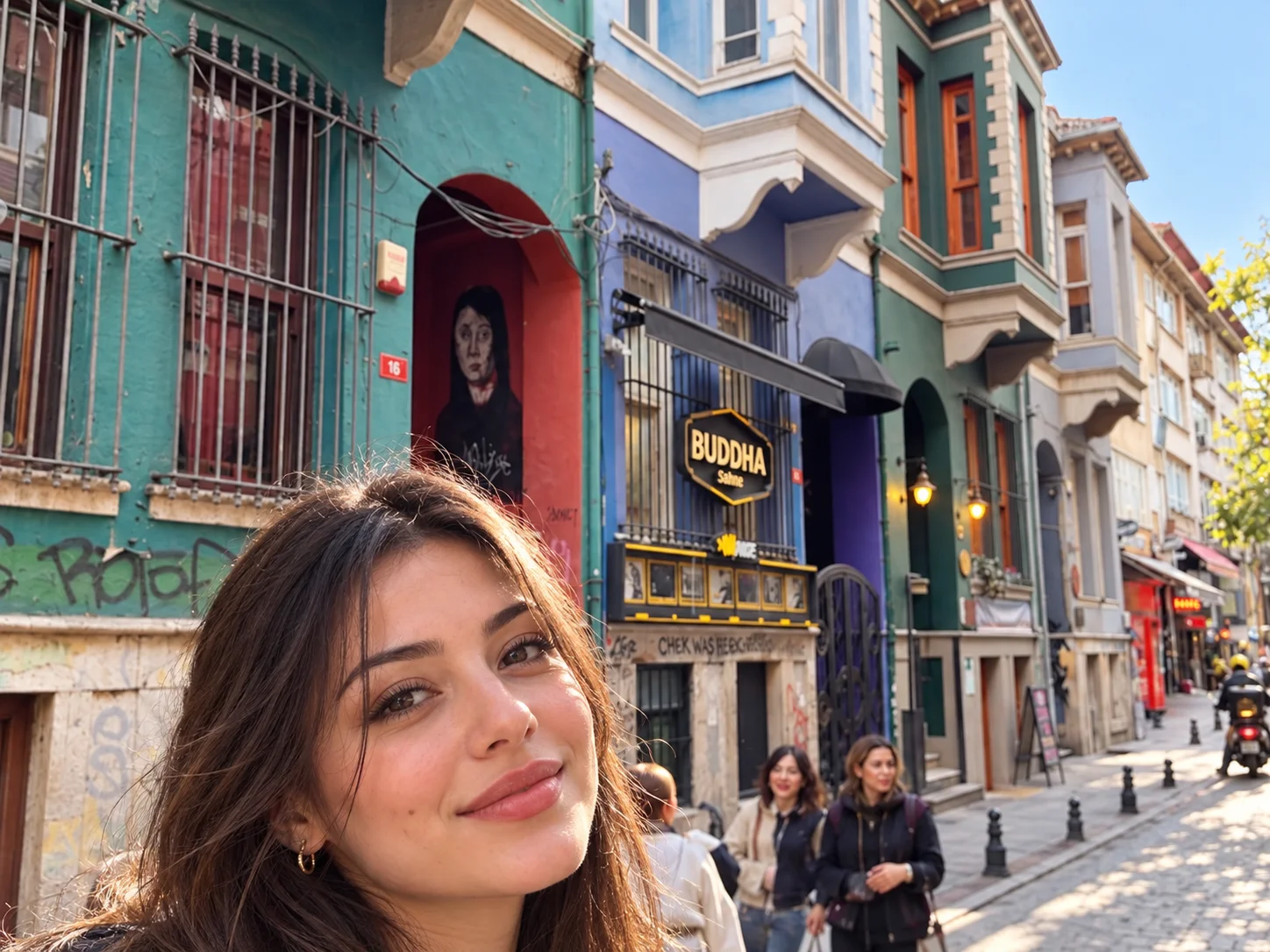
East of the market, Yeldeğirmeni preserves one of Kadıköy's best-surviving grids of late-19th-century Ottoman townhouses — now covered in large-scale street murals that make the quarter one of Istanbul's top walking routes for urban art.
Mural Istanbul
The Mural Istanbul project (initiated 2013 by Mia Gr) brought international street artists to Yeldeğirmeni's blank façades. More than a hundred large-format murals now fill the neighbourhood. Start a walking route on Karakolhane Caddesi and follow the side streets toward Haydarpaşa railway junction.
Hemdat Israel Synagogue
The Hemdat Israel Synagogue on Yoğurtçu Parkı Sokak is one of Kadıköy's oldest surviving Jewish heritage buildings. Interior access requires advance arrangement through the Chief Rabbinate of Turkey — walk-in entry is not possible. The street-facing façade is visible from the pavement.
Neighbourhood Life
Yeldeğirmeni is primarily residential — independent cafés cluster on Karakolhane Caddesi, and craft workshops occupy converted ground-floor spaces. It has a quiet neighbourhood character distinct from the busier Çarşı lanes nearby, particularly pleasant on weekday mornings.
Haydarpaşa: Gateway to Asia & Ancient City
Kadıköy stands on the site of ancient Chalcedon (Χαλκηδών), a Greek colony founded around 685 BC — predating Constantinople by nearly a thousand years. Ongoing excavations near the Haydarpaşa headland continue to yield significant Hellenistic and Roman-era finds.
Haydarpaşa Station (2026 Status)
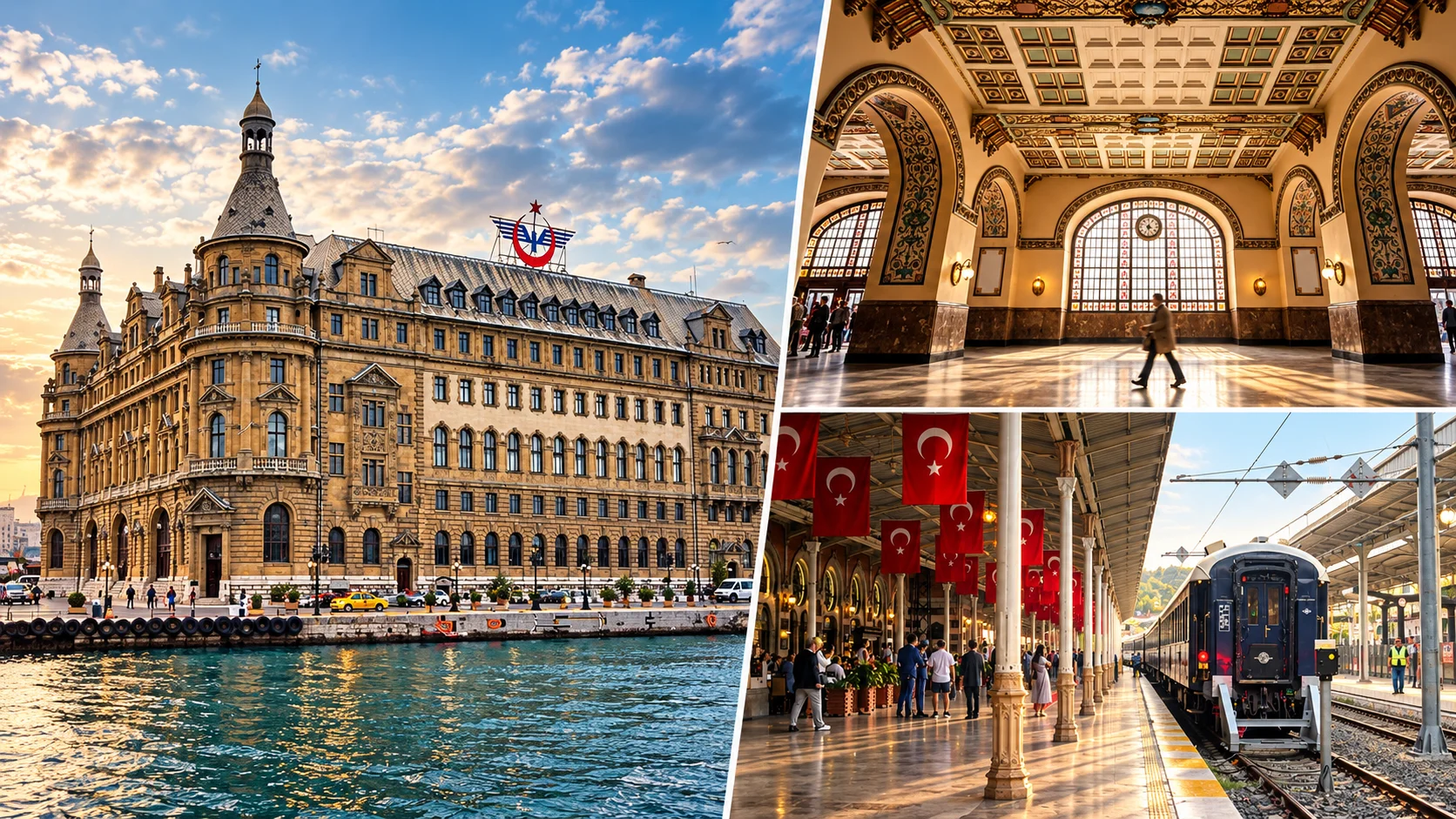
Designed by German architects Otto Ritter and Helmut Cuno and opened in 1908, Haydarpaşa Terminal is one of the most architecturally significant buildings on the Bosphorus. The red-brick neo-Renaissance building sits on a platform built into the sea, its clock tower visible from ferries crossing the strait.
Current access: The station has been closed to the public since a 2010 fire triggered a full restoration programme. As of 2026, there are no passenger train services from Haydarpaşa and public entry is not permitted. The exterior is visible from the Bosphorus and from the adjacent ferry pier.
A planned archaeology museum — based on Chalcedonian finds excavated on the site — is part of the approved redevelopment masterplan but has not yet opened. Significant finds include Hellenistic-period ceramics, bronze objects, and human burials tracing Chalcedon's occupation from the 7th century BC through the Byzantine era.
Video: Haydarpaşa Tren Garı — the iconic Asian rail gateway on the Bosphorus shore.
The Council of Chalcedon & the Station's Architecture
The Station Building
Built 1906–1908 for the Ottoman Empire by German architects, Haydarpaşa served as the European terminus of the Hejaz and Baghdad Railway lines. Its neo-Renaissance clock tower and arched sea-platform setting make it one of Istanbul's defining landmarks — best viewed from the Bosphorus ferry.
Chalcedon Excavations
Archaeological investigations around Haydarpaşa have uncovered Hellenistic and Roman-era finds — pottery, coins, figurines, and human remains confirming continuous occupation from Chalcedon's founding (c.685 BC). These discoveries underpin the planned on-site archaeology museum.
Council of Chalcedon (451 AD)
The ancient city of Chalcedon hosted the Fourth Ecumenical Council in 451 AD — one of the defining moments in early Christian church history. Its decrees on the nature of Christ shaped the split between Eastern and Western Christianity, and gave rise to the term "Chalcedonian Christianity" still in use today.
Moda: Cafés, Culture & the Bosphorus Shore
Moda is Kadıköy's most elegant sub-district — a small peninsula extending into the Sea of Marmara with a continuous seafront promenade, tree-lined streets, and some of Istanbul's best neighbourhood cafés. It has a distinctly residential, slightly bohemian character that sets it apart from the busier market zone.
Moda İskelesi (Beltur Café)
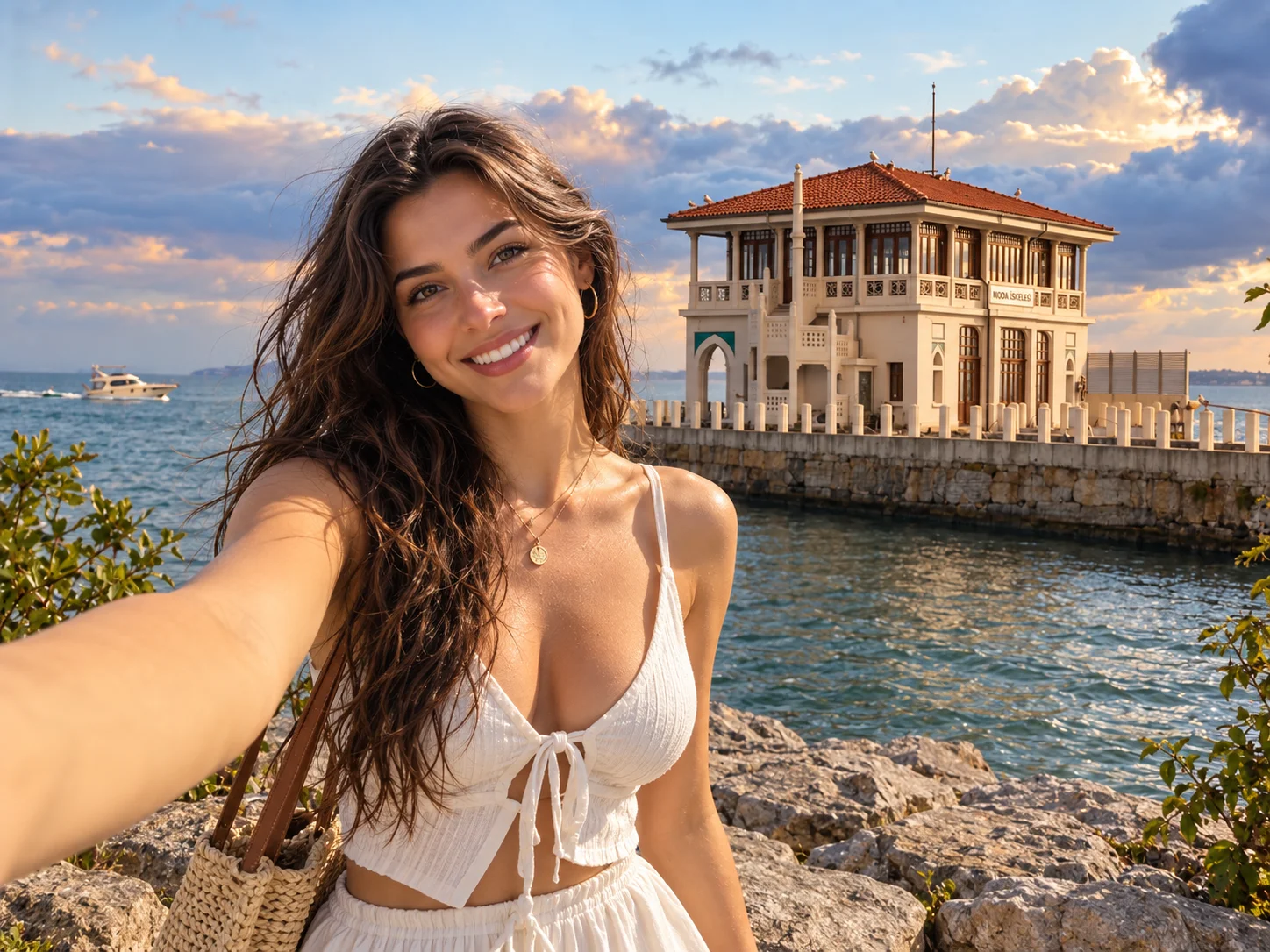
The Moda İskelesi — the old Moda ferry pier — is now operated as a café by Beltur (the Istanbul Metropolitan Municipality's hospitality brand). Designed by architect Vedat Tek and built around 1916–1917, the wooden kiosk-style structure juts into the sea on a short jetty. The pier no longer handles ferry passengers; it is a café and viewing terrace. Sunsets from the Moda İskelesi terrace are among the finest in Kadıköy.
Barış Manço Museum
The childhood home of Turkish rock pioneer Barış Manço (1943–1999) in Moda houses a small museum with personal objects, stage costumes, photographs, and memorabilia. Among the exhibits is a 1991 Honda Prelude that Manço brought from Belgium. Opening hours vary by season — check locally before visiting.
Sinema Evi
Sinema Evi on Moda Caddesi is an active 158-seat repertory cinema with a curated programme of Turkish and international art-house films. Tickets are available via mobilet only; there is no walk-up box office. The cinema operates year-round.
Kadife Street & Evening Kadıköy
Kadife Sokak — literally "Velvet Street" — is Kadıköy's after-dark spine. The short street and the surrounding Caferagğa Mahallesi lanes hold the highest concentration of bars, live music venues, and craft beer bars on the Asian side.
Notable Venues
- Karga Bar (Kadife Sokak, No 16/D) — one of Kadıköy's oldest and most celebrated bars, open since 1996. Multi-floor space with regular live music and a terrace. Hours: Mon–Thu 12:00–02:00, Fri–Sat 12:00–03:00.
- Arkaoda (Caferagğa Mah.) — alternative and electronic music, DJ sets, large drinks menu. Hours: generally 18:00–04:00.
- Dorock XL — larger live music venue nearby, with a regular programme of rock and alternative concerts.
- Mephisto (Bahariye) — long-standing alternative bar popular with students and the creative crowd near Bahariye Avenue.
The broader Caferagğa neighbourhood has dozens of independent bars, craft beer outlets, and cocktail bars — most open until 02:00–03:00 on weekends. Busiest Thursday through Sunday from around 21:00.
Müze Gazhane: Industrial Heritage Reborn
The Müze Gazhane complex in Hasanpaşa occupies the restored buildings of Istanbul's first gas factory — constructed in the 1890s to supply the city's gas lighting network. After decades of disuse, the site was revived by the Istanbul Metropolitan Municipality as a multi-section cultural complex. All sections are free of charge.
Miks Performance Space
The largest building hosts Miks, a performance and events venue used for concerts, theatre productions, and large-scale cultural events. The industrial brick shell creates a distinctive acoustic environment. Admission is free for scheduled events — check the Istanbul Metropolitan Municipality's cultural calendar for the current programme.
MusikaMüze
MusikaMüze is a permanent exhibition tracing the history of music in Istanbul — from Ottoman classical to Turkish pop. Instruments, recordings, posters, and interactive displays are on permanent display. Free admission.
City Archive & Workshops
The complex includes a city archive and research space and workshop halls for craft, design, and educational programmes. Adjacent (but separate) is the Karikatür Evi (Caricature House) — an independent institution with its own exhibition programme. It is distinct from the Karikatür ve Mizah Müzesi in Fatih.
Markets, Fish & Kadıköy Food Culture
Tuesday & Friday Bazaars
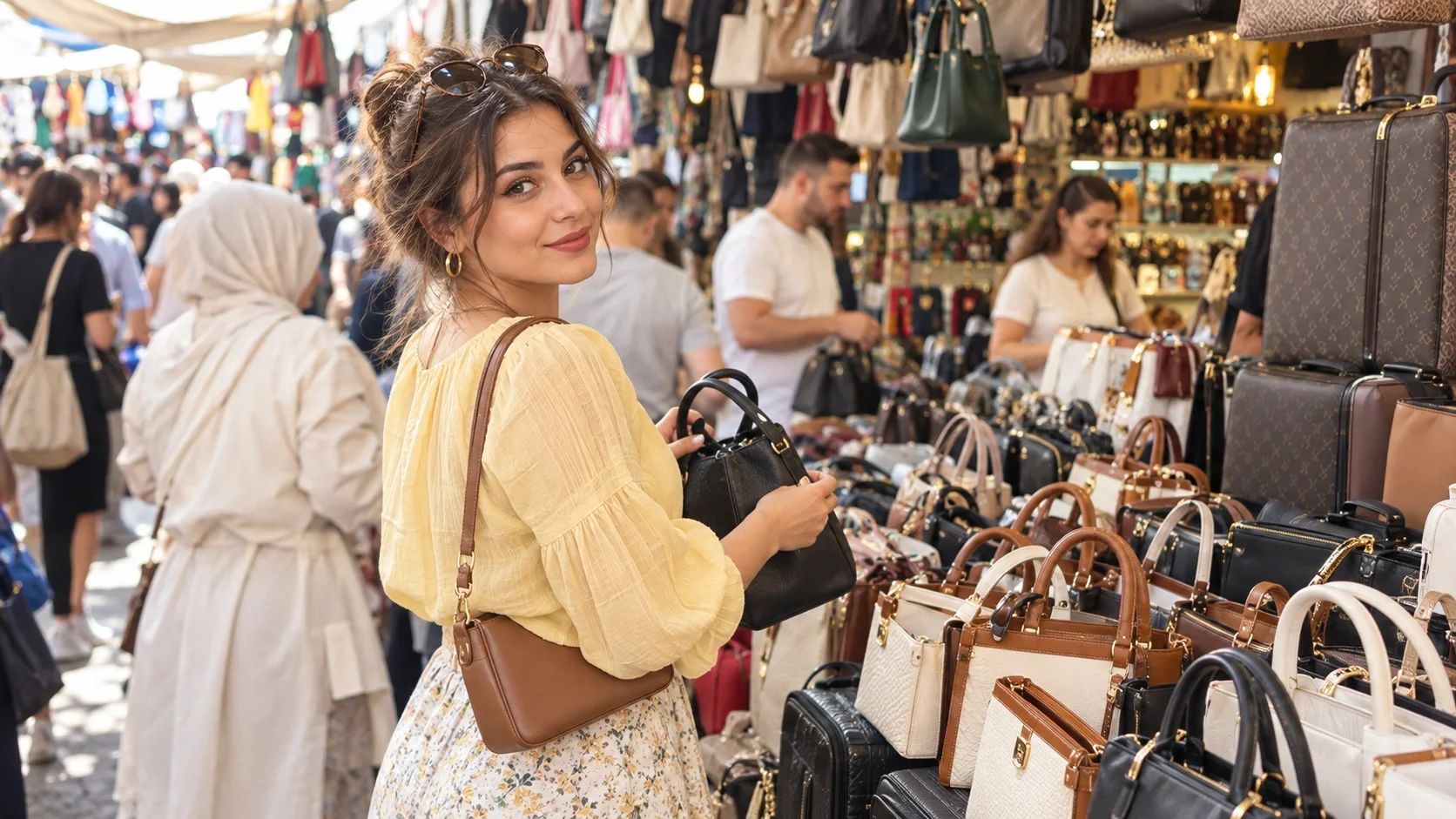
The Salı Pazarı (Tuesday Market) at the Hasanpaşa / Uzunçayır area runs every Tuesday with fresh vegetables, fruit, herbs, dairy, and eggs from Anatolian producers. A Friday textiles market at the same location sells fabric, clothing, and household goods. Both are genuine neighbourhood markets, not tourist bazaars.
Balık Pazarı — Fish Market
The covered Balık Pazarı in the Çarşı district is one of Istanbul's best-stocked fish markets. Seasonal Bosphorus and Marmara catches — lüfer (bluefish), hamsi (anchovy), çipura (sea bream), and levrek (sea bass) — fill the stalls. Adjacent meyhane-style restaurants offer lunch straight from the market.
The Food Corridor
Mühürdar Caddesi and Güneşlibahçe Sokak form Kadıköy's food corridor — fresh produce shops, specialist cheese vendors, pastırma sellers, pickle shops, and bakeries. Busiest on Saturday mornings when locals stock up for the week. One of Istanbul's best permanent neighbourhood markets.
The Kadıköy Eating Scene
Beyond the market stalls, Kadıköy has one of Istanbul's most varied restaurant and café scenes. The Çarşı lanes hold everything from traditional lokanta lunch counters to craft burger bars. Moda seafront has waterside terrace restaurants; Bahariye has international options. For traditional fish meyhane dining, the streets around Balık Pazarı are the best concentration.
The district is also one of Istanbul's leading craft beer destinations — both for on-tap bars on Kadife Sokak and specialist bottle shops throughout the market district. Several microbreweries have tasting rooms in the area.
Video: Kadıköy's Tuesday street bazaar — fresh produce, spices, and market culture on the Asian side.
Fenerbahçe Park & Kalamış Marina
Fenerbahçe Park
The Fenerbahçe peninsula is home to a large public park with mature pine and eucalyptus groves, walking paths along the Sea of Marmara shore, and picnic areas. Note: the Fenerbahçe lighthouse at the tip of the peninsula is located within a military zone and is not accessible to the public. The park itself is open year-round.
Setur Kalamış Marina
Setur Kalamış Marina currently has 1,288 berths — the largest marina on the Asian side. An expansion is underway to increase capacity to 2,120 berths by 2028. Waterside restaurants, chandlery services, and a hotel are on site. Departure point for private Bosphorus and Princes' Islands boat charters.
Kalamış Promenade
The Kalamış seafront promenade runs between the marina and the Fenerbahçe park entrance — a popular evening walking route with seafront café terraces along the inland side. The promenade connects to the Asian shore coastal trail extending south toward Caddebostan and Bağdat Avenue.
Caddebostan Beaches & Bağdat Caddesi
Bağdat Caddesi
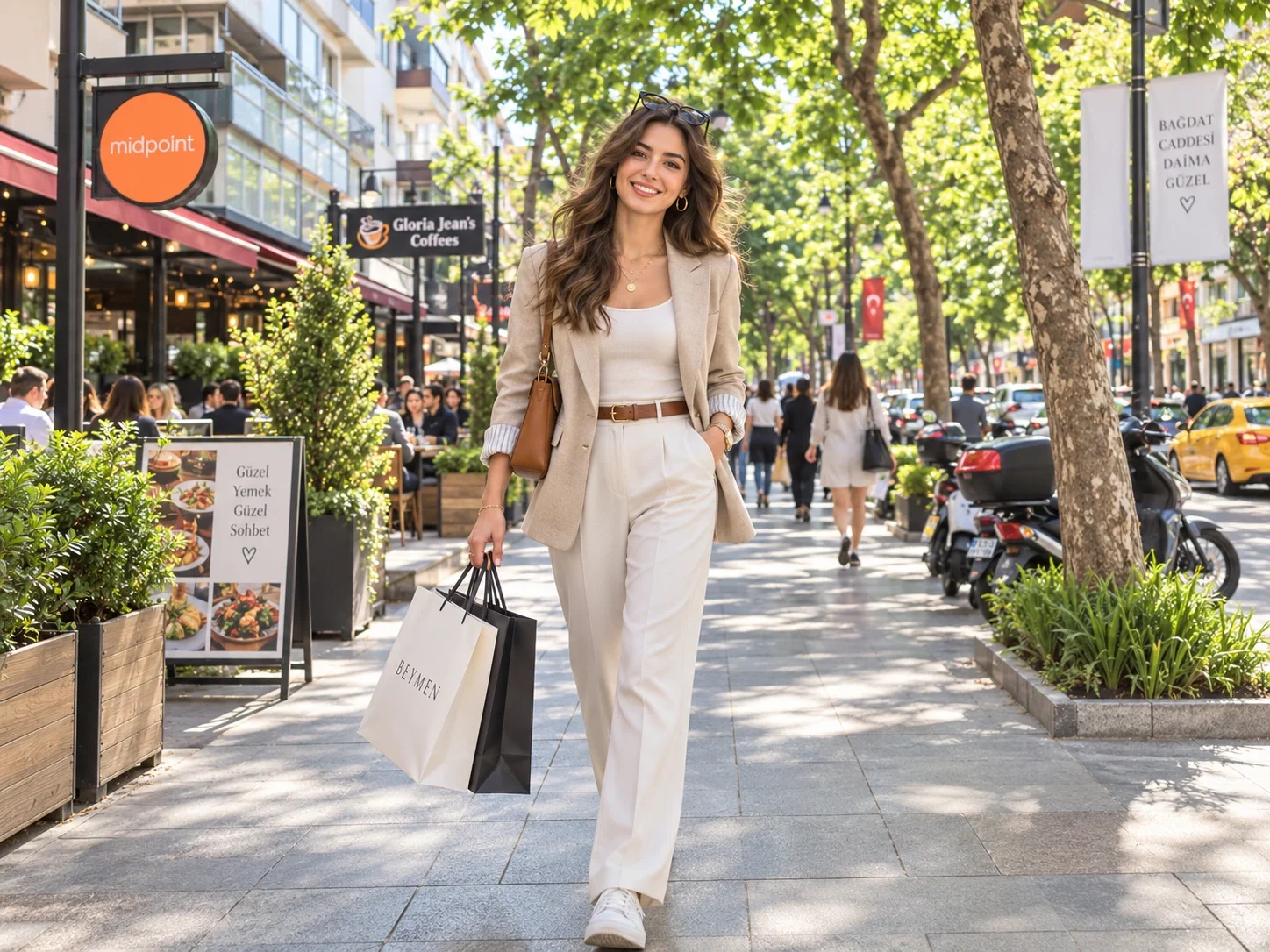
Bağdat Caddesi is Istanbul's most prestigious shopping boulevard — a tree-lined avenue running through Kadıköy's southern coastal suburbs. Flagship stores of Turkish and international brands, boutique designers, café chains, and restaurants line both sides. The seafront stretch between Caddebostan and Suadiye has sidewalk terraces popular on weekend afternoons.
For the full guide to the avenue's attractions, see Bağdat Street: Istanbul's Luxury Avenue.
Toy Museum (Oyuncak Müzesi)
The Istanbul Toy Museum is on Ömerpaşa Caddesi, Göztepe — a short walk from Göztepe metro station. Founded by poet Sunay Akın, it displays over 4,000 antique toys from more than 40 countries spanning 200 years of toy-making history. Open Tuesday–Friday, 10:00–18:00 (closed Monday). Admission: ₺350 (2026).
Caddebostan Beaches
Caddebostan has three public beaches on the Sea of Marmara shore, open from around 15 June each summer:
- Caddebostan 1. Plaj (paid) — entrance ₺300 (2026). Facilities: changing rooms, showers, sunbeds, café. Supervised swimming area.
- Caddebostan 2. Plaj (free) — open access, smaller, fewer facilities.
- Caddebostan 3. Plaj (free) — free access, quieter shoreline with a small sandy section.
Water quality at all three beaches is regularly tested by the municipality. All three are accessible by M4 metro (Göztepe or Suadiye stations) or by dolmuş from Kadıköy centre.
Walking Bağdat Caddesi
The most fashionable stretch of Bağdat Caddesi runs between Caddebostan and Suadiye. Seasonal events, outdoor art installations, and weekend street markets enliven the avenue throughout the year. Weekday afternoons and Sunday mornings are the best times to explore without heavy traffic.
Video: Walking Bağdat Caddesi — Istanbul's iconic Asian-side shopping boulevard.
One-Day Kadıköy Itineraries
Route A
Classic Kadıköy
Morning: Ferry from Eminönü → Kadıköy pier → Boğa Heykeli at Altıyol → Çarşı market lanes (Güneşlibahçe, Mühürdar Caddesi) → Balık Pazarı. Lunch: Bahariye lokanta or Çarşı café. Afternoon: Yeldeğirmeni murals → Moda promenade → Moda İskelesi (Beltur café). Evening: Kadife Sokak — Karga or Arkaoda.
Route B
Culture & History
Morning: Haydarpaşa exterior from ferry pier → Yeldeğirmeni murals. Midday: Müze Gazhane (free — MusikaMüze + Miks) → Karikatür Evi (adjacent, independent). Afternoon: Süreyya Opera House exterior → Çarşı market. Evening: Evening production at Süreyya (check programme) → dinner near Bahariye.
Route C
Seaside Kadıköy
Morning: Caddebostan beach (open from 15 Jun) → Bağdat Caddesi shopping → Toy Museum, Göztepe (Tue–Fri only, ₺350). Midday: Lunch at Bağdat Caddesi terrace café. Afternoon: Kalamış promenade → Fenerbahçe Park → Setur marina. Evening: Moda waterfront dinner → return ferry from Kadıköy pier.
Getting to & Around Kadıköy
| Route / Method | Duration | Notes |
|---|---|---|
| Ferry from Eminönü | ~22 min | IDO / BUDO ferries, every 30–60 min. Bosphorus crossing with sea views. Buy Istanbulkart at the pier. |
| Ferry from Beşiktaş | ~15 min | Shorter crossing; less frequent than Eminönü. |
| Ferry from Kabataş | ~25 min | Connects the Tram T1 terminus on the European side directly to Kadıköy pier. |
| M4 Metro from Sabiha Gökçen (SAW) | ~35 min | M4 runs Kadıköy–Sabiha Gökçen, 23 stations. Direct, no transfer required. Runs approx. 06:00–24:00. |
| M4 Metro (within Kadıköy district) | varies | Stops include Kadıköy, Ayrılık Çeşmesi, Acıbadem, Kozyatağı, Bostancı, Göztepe, Suadiye. Useful for Caddebostan and Bağdat Caddesi. |
| Private transfer from Istanbul Airport (IST) | 45–75 min | Door-to-door via Bosphorus Bridge (O-1). No direct metro from IST to Kadıköy (two transfers needed). Private car is the most direct option. Istanbul Airport Transfer → |
| Private transfer from Sabiha Gökçen (SAW) | 30–50 min | Closer to Kadıköy than IST. SAW Airport Transfer → |
- Istanbulkart (city transport card) covers all ferries, metro, tram, and bus — buy or top up at any pier or metro station.
- Most major Kadıköy sights are within 30 minutes on foot from the ferry pier.
- Dolmuş (shared minibus) routes connect Kadıköy centre to Moda, Bağdat Caddesi, and Caddebostan.
- For Bağdat Caddesi and Caddebostan, M4 metro is faster than a taxi during peak hours.
Arrive in Kadıköy by Private Car
Cab Istanbul provides private car and VIP van transfers from Istanbul Airport (IST) and Sabiha Gökçen Airport (SAW) directly to any hotel or address in Kadıköy, Moda, Caddebostan, or anywhere on the Asian side. English-speaking drivers, fixed prices, meet-and-greet at the terminal.
Kadıköy — Frequently Asked Questions
Is Kadıköy worth visiting from the European side of Istanbul?
Yes — the 20-minute ferry from Eminönü or Beşiktaş is itself a Bosphorus crossing experience. Kadıköy offers a completely different atmosphere from the tourist-heavy Sultanahmet and Beyoğlu areas: a working neighbourhood market, authentic meyhane culture, street art, a beach promenade, and noticeably fewer crowds. Most visitors rate it among Istanbul's best half-day or full-day excursions.
Can you visit Haydarpaşa Train Station in 2026?
No — Haydarpaşa Station is closed to the public as of 2026. No passenger train services operate from this terminal. The station has been under restoration since a fire in 2010. You can view the exterior from the Bosphorus and from the adjacent ferry pier. A planned cultural and archaeology museum is part of the approved redevelopment, but has not yet opened.
What is the best way to get from Istanbul Airport (IST) to Kadıköy?
The most direct route is a private transfer — approximately 45–75 minutes via the Bosphorus Bridge, depending on traffic. There is no direct metro from IST to Kadıköy; the M11/M1/M4 combination requires two transfers and takes 90–120 minutes. From Sabiha Gökçen Airport (SAW), the M4 metro runs direct to Kadıköy in ~35 minutes (23 stations), making it the fastest public transport option from the Asian-side airport.
Where is the Kadıköy Tuesday Market (Salı Pazarı)?
The Kadıköy Salı Pazarı (Tuesday produce market) is held every Tuesday at the Hasanpaşa / Uzunçayır area north of the main market district. A Friday textiles market runs at the same location every week. The Tuesday market sells fresh vegetables, fruit, eggs, dairy, and seasonal produce — it is a genuine neighbourhood market serving the Asian-side population, not a tourist bazaar.
Are there beaches in Kadıköy?
Yes — Caddebostan has three public beaches on the Sea of Marmara shore, open from around 15 June each summer. One beach (Caddebostan 1. Plaj) charges ₺300 entrance (2026) and has facilities including changing rooms, showers, and sunbeds. Two beaches (2. and 3. Plaj) are free of charge. All three are accessible by M4 metro (Göztepe or Suadiye stations) or by dolmuş from Kadıköy centre.
What is Müze Gazhane and is it free?
Müze Gazhane is a cultural complex built in the restored buildings of Istanbul's first gas factory (1890s) in the Hasanpaşa neighbourhood of Kadıköy. It has four active sections: Miks (performance and events space), MusikaMüze (Istanbul music history exhibition), a city archive, and workshop halls. All sections are free of charge. It is operated by the Istanbul Metropolitan Municipality. The adjacent Karikatür Evi is an independent institution with its own programme and is distinct from the Karikatür ve Mizah Müzesi in Fatih.
How old is the Boğa Heykeli (Bull Statue) in Kadıköy?
The bronze bull at Altıyol was cast in 1864 by French sculptor Isidore Jules Bonheur and sent from Paris to Istanbul. Before taking its current position at Altıyol in 1987, it passed through Beylerbeyi, Yıldız Palace, the Bilezikçi farm, the Spor ve Sergi Sarayı, Taksim Square, and the Şehremaneti building over more than a century. The sculpture is over 160 years old.
When did the Süreyya Opera House open?
The Süreyya Operası opened on 6 March 1927 — one of Turkey's earliest purpose-built opera venues, often cited as the country's sixth opera house. The 700-seat hall on Bahariye Avenue hosts productions by the Istanbul State Opera and Ballet throughout the season. The building is architecturally notable for its ornate neo-Ottoman exterior.
What is the best area for nightlife in Kadıköy?
Kadife Sokak (Velvet Street) and the surrounding Caferagğa Mahallesi are the centre of Kadıköy's nightlife. Key venues include Karga Bar (open since 1996), Arkaoda, and Dorock XL for live music. Most bars and venues are within walking distance of Kadife Sokak, and the area is busiest Thursday to Sunday from around 21:00.
Does Cab Istanbul offer transfers to Kadıköy hotels?
Yes — Cab Istanbul provides private car and VIP van transfers from Istanbul Airport (IST) and Sabiha Gökçen Airport (SAW) to any hotel or address in Kadıköy, Moda, Caddebostan, or anywhere on the Asian side. Service includes English-speaking drivers, terminal meet-and-greet, and fixed prices. Use the booking form on this page or visit Istanbul Airport Transfer for a quote.