
Beyazıt · Kapalıçarşı · Grand Bazaar · 2026
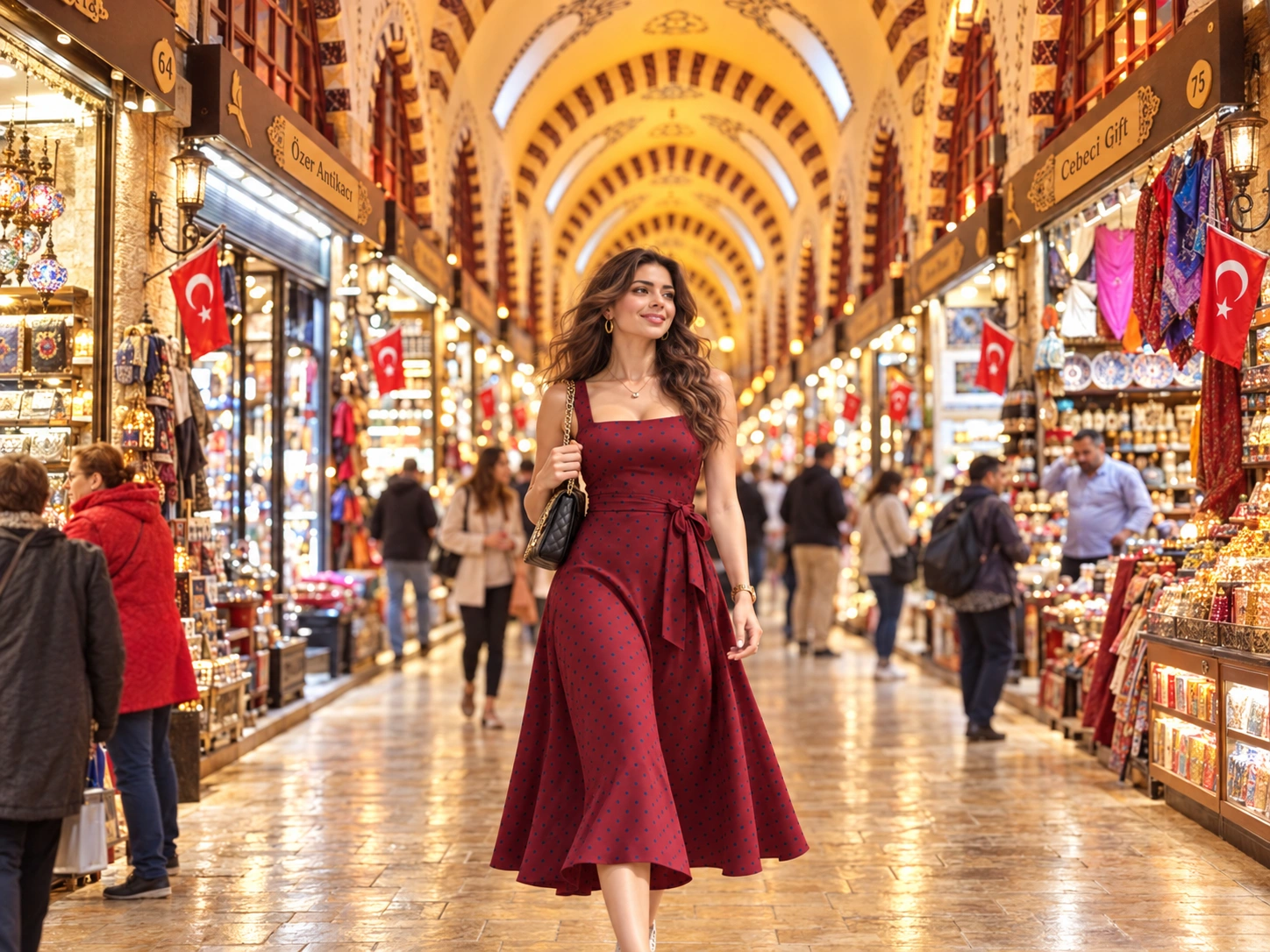
Kapalıçarşı — the Grand Bazaar in Istanbul — is a vast covered commercial complex between Beyazıt and Nuruosmaniye on the Historic Peninsula. Built up from fifteenth-century Ottoman bedestens and later covered streets, it remains one of the world’s best-known places to browse jewelry, carpets, ceramics, leather, textiles and antiques — and simply to walk a living market city under vaulted roofs.
This guide separates careful history (two bedestens, not one magic “1461 wooden mall”), soft size figures, major gates, trade streets, what to buy with authenticity caution, dining notes including Nusr-Et in Sandal Bedesten, nearby markets such as Sahaflar and the Spice Bazaar, verified opening hours (closed Sundays), and how to arrive by T1 tram or chauffeur. Cab Istanbul moves you to the Historic Peninsula; the driver is not a bazaar guide or authenticity expert.
Cab Istanbul provides chauffeur rides and airport transfers only — including Istanbul Airport (IST), Sabiha Gökçen (SAW), car with driver and VIP transfer. Cab does not negotiate prices, authenticate jewelry or carpets, or sell shopping tours.
At a glance
Essential Grand Bazaar facts
| Topic | Practical answer |
|---|---|
| Turkish / English names | Kapalıçarşı / Grand Bazaar (Istanbul) |
| Area | Fatih — Beyazıt–Nuruosmaniye corridor |
| Scale (soft) | Thousands of shops across dozens of covered lanes |
| Entry fee | Free to walk; shopping and dining paid separately |
| Hours (soft) | Typically Mon–Sat ~08:30–19:00; closed Sundays; holidays/bayrams often closed — verify day-of |
| Best tram stop | T1 Beyazıt-Kapalıçarşı (Beyazıt side); Çemberlitaş for Nuruosmaniye approaches |
For wider Historic Peninsula maps see Istanbul attraction places. For food-focused markets see the same-language Spice Bazaar / Egyptian Bazaar guide.
History · fact-checked
How the Grand Bazaar grew from bedestens
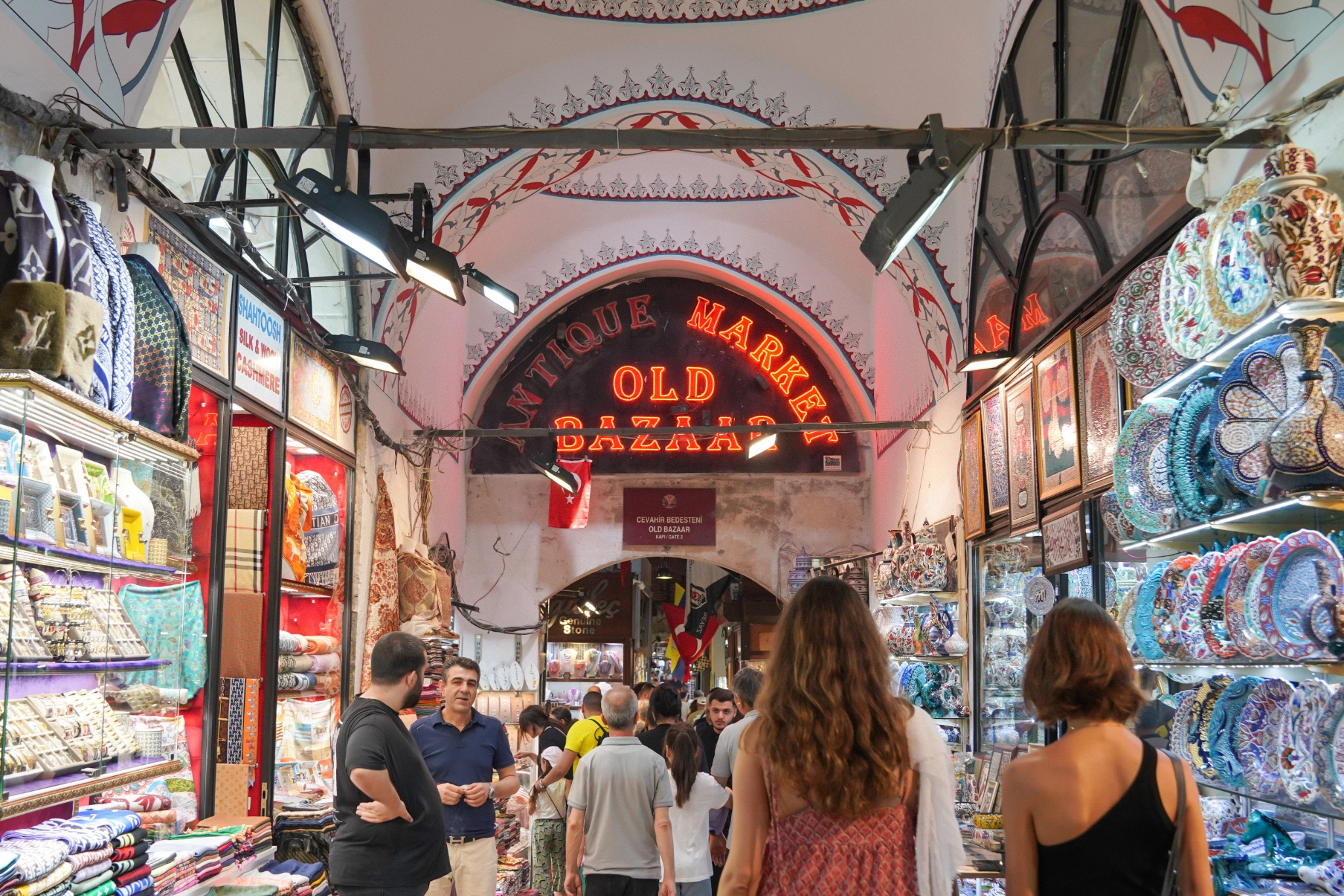
After the 1453 Ottoman conquest, Sultan Mehmed II (Fatih) invested in Istanbul’s commercial recovery. The secure core of what became Kapalıçarşı is the Cevahir Bedesteni — also called İç Bedesten or Eski Bedesten — a masonry hall for valuable goods. Reliable chronologies place its construction in the late 1450s with completion often given around 1460/61. The bedesten was commonly endowed to support the Hagia Sophia mosque complex (waqf). See also Hagia Sophia.
A second covered hall, the Sandal Bedesteni, was added later for textile trade (named for a sandalwood-coloured silk-cotton cloth). Dating varies by source — treat it as a later complementary bedesten, not a twin finished on the same day as Cevahir. Around these cores, streets of shops, hans and vaults expanded over centuries into the covered labyrinth visitors walk today.
Fires and earthquakes repeatedly damaged the complex. The 1894 earthquake reshaped much of what stands now; twentieth-century repairs followed later shocks, including work often associated with the 1954 earthquake. Guild organization once fixed crafts to named streets — a pattern still visible even when today’s products have shifted.
Avoid absolute slogans such as “the world’s oldest marketplace.” Safer: one of the world’s oldest and best-known covered market complexes.
Bedestens
Cevahir (İç) Bedesten and Sandal Bedesten
| Bedesten | Historic role | What visitors notice today |
|---|---|---|
| Cevahir / İç / Eski Bedesten | 15th-c. secure hall for valuables; Hagia Sophia waqf link | Domed core; antiques and specialty retail density nearby |
| Sandal Bedesteni | Later textile / silk-cloth hall | Historic hall reused for commerce and dining (incl. Nusr-Et) |
Gates
Which entrance should first-time visitors use?
Gate counts in guides range widely (teens to low twenties) because historic openings were added, closed or renamed. For visitors, a handful matter more than a locked total.
| Gate | Best for | Nearby landmark / street | Practical note |
|---|---|---|---|
| Nuruosmaniye Gate | First-time “main street” entry | Nuruosmaniye Mosque; Kalpakçılar Caddesi | Often the most photographed ceremonial gate |
| Beyazıt Gate | Tram arrival from Beyazıt square | Beyazıt Mosque / university side | Closest feel after T1 Beyazıt-Kapalıçarşı |
| Çarşıkapı approaches | Mixed retail sides | Toward Sandal / Nuruosmaniye corridor | Useful when meeting diners at Sandal Bedesten |
| Mercan / Mahmutpaşa sides | Linking to street commerce outside | Mercan slope; Mahmutpaşa district | Outside lanes ≠ inside covered Kapalıçarşı |
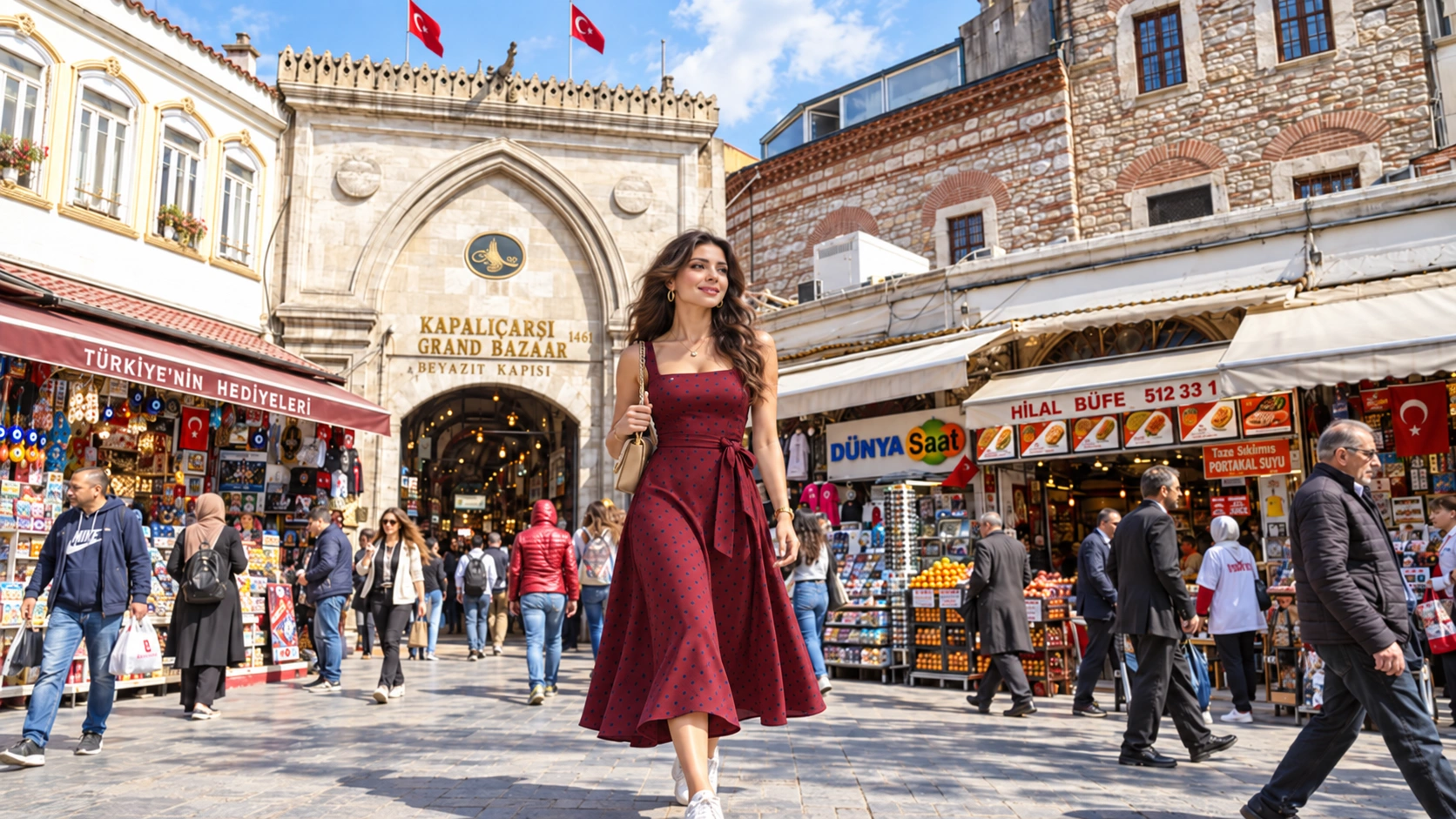
Note which gate you enter — exits look similar when you are tired and carrying bags.
Streets · architecture
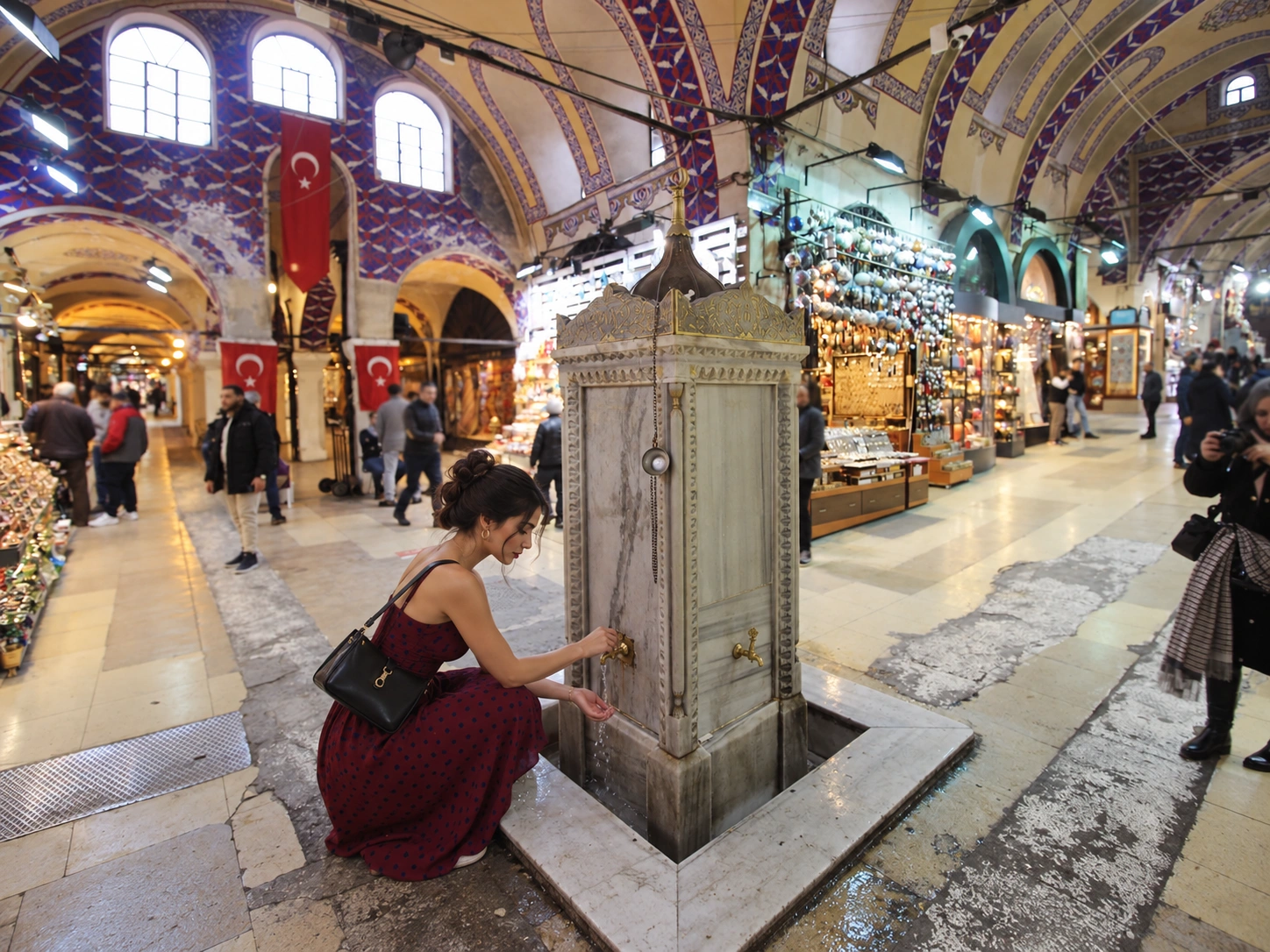
Trade streets, Halıcılar fountain and short routes
| Street / section | Historically known for | What you find today | Practical note |
|---|---|---|---|
| Kalpakçılar Caddesi | Main axis / headwear trade name | Jewelry density; busiest corridor | Nuruosmaniye ↔ Beyazıt spine |
| Kuyumcular / gold zone streets | Goldsmiths | Retail jewelry and gold shops | Ask karat, weight, workmanship, invoice |
| Halıcılar Caddesi | Carpet sellers | Rugs and kilims; courtyard fountain landmark | Compare several shops before committing |
| Yağlıkçılar and side lanes | Cloth / oilcloth trades | Mixed retail; café pauses | Good for slower wandering |
| Time available | Suggested focus | Good entry | Exit / next stop |
|---|---|---|---|
| 45–90 minutes | Main spine + İç Bedesten glance | Nuruosmaniye or Beyazıt | Sahaflar or Beyazıt Square |
| Half day | Jewelry → carpets → ceramics → leather | Nuruosmaniye | Mahmutpaşa streets or Spice Bazaar by tram |
| With dining | Shopping + Sandal Bedesten meal | Çarşıkapı / Nuruosmaniye side | Confirm restaurant hours separately |
What to buy
Jewelry, carpets, ceramics, leather — and authenticity caution
Kapalıçarşı is a broad craft-and-jewelry market, not a second Spice Bazaar. Spices and Turkish delight appear, but the signature categories are gold and silver jewelry, carpets and kilims, ceramics, leather, textiles, lamps and decorative metalwork, plus antiques from specialist dealers.
| Product | Where to look | What to check | Bargaining? | Travel / customs note |
|---|---|---|---|---|
| Jewelry & gold | Kalpakçılar / kuyumcu streets | Karat, weight, workmanship fee, invoice | Sometimes on workmanship; gold often closer to market | Keep paperwork; declare if asked |
| Carpets & kilims | Halıcılar and carpet shops | Hand-knotted vs machine; material; size; invoice | Common on discretionary rugs | “Antique” needs proof; export rules may apply |
| Ceramics | Ceramic lanes / gift shops | İznik-style vs historic pieces | Often negotiable on tourist ware | Pack for fragility |
| Leather & bags | Leather corridors | Stitching, lining, smell of finish | Often yes | Brand logos ≠ authenticity |
| Antiques | Bedesten / antique dealers | Provenance, invoice, age claim | Case by case | Cultural-property export restrictions can apply |
| Textiles / lamps / decor | Side streets | Quality vs novelty pricing | Often yes | Liquids/fragile items need packing care |
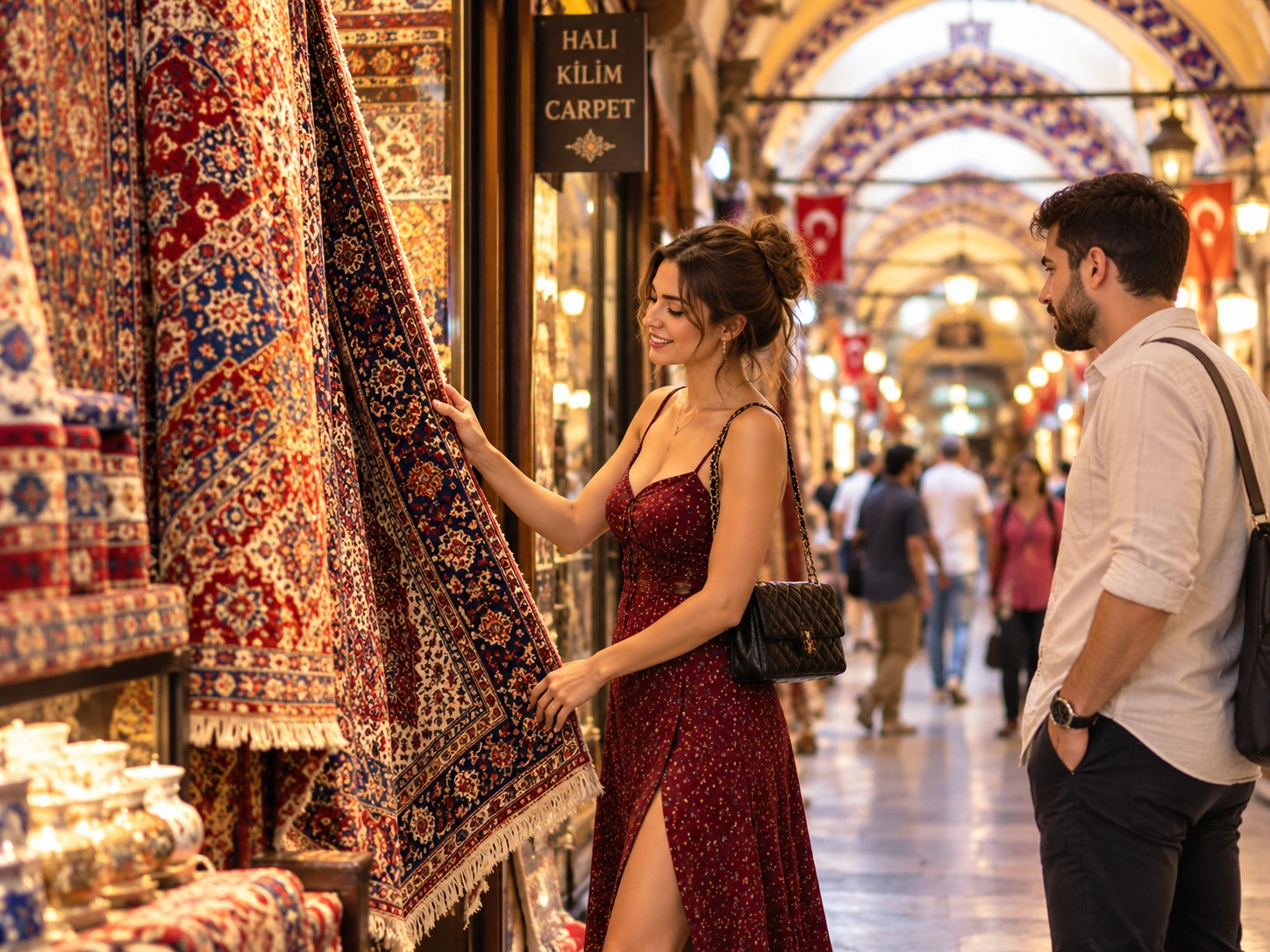
Jewelry: Confirm karat and gram weight, separate workmanship charges, and take a clear invoice. Gem certificates matter when stones drive the price. Kapalıçarşı remains a major jewelry destination; that does not make every shop equally careful.
Gold / FX: Turkish media often treats Kapalıçarşı gold prices as a market reference. This page does not repeat old unverified “$10 million / $40 million / $100 million a day” volume claims. For currency exchange as a visitor, use licensed exchange offices or banks — not informal verbal deals.
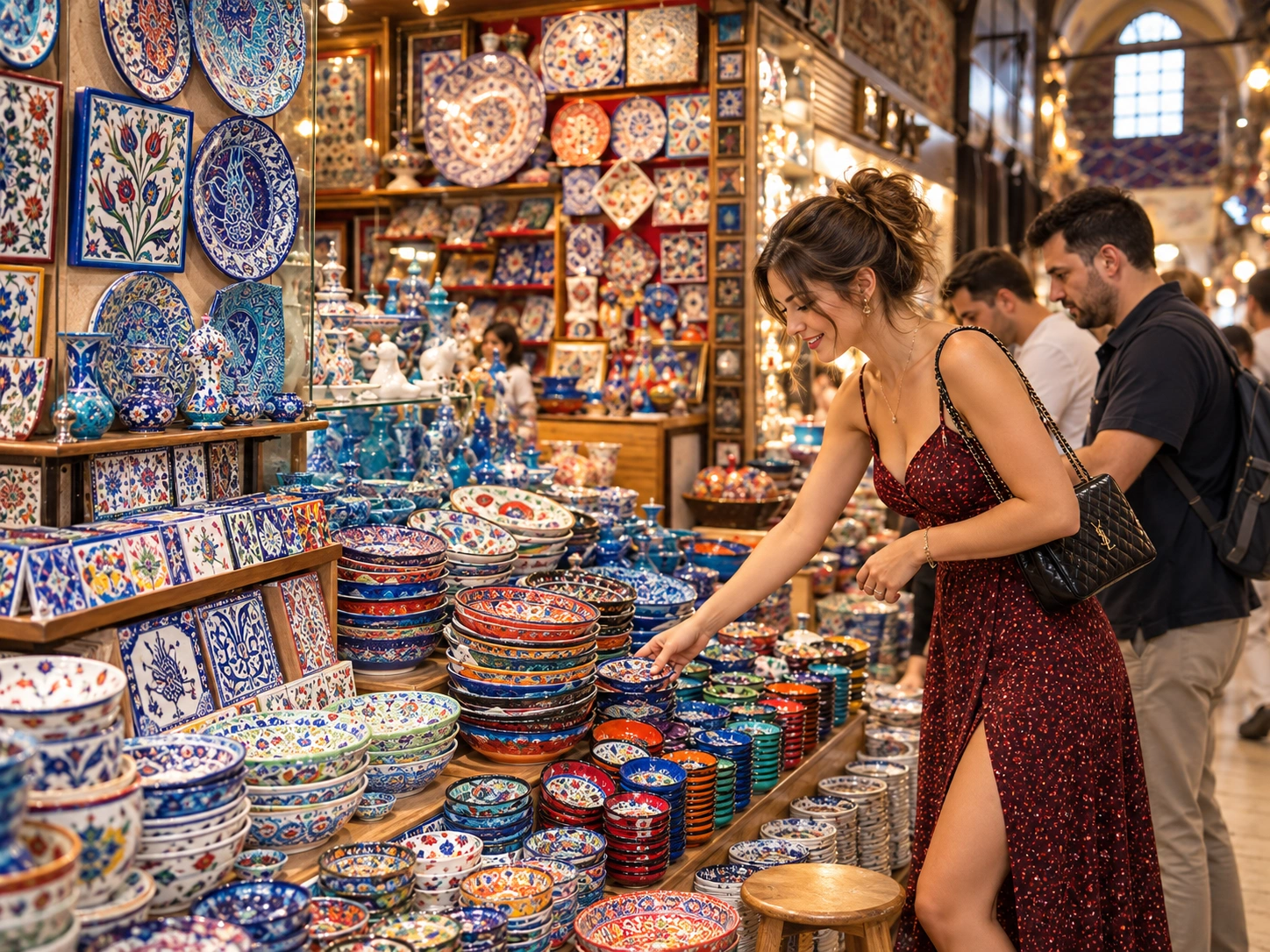
Leather goods sit in their own corridors a short walk from ceramic displays — compare stitching and linings the same way you compare glaze quality on plates.
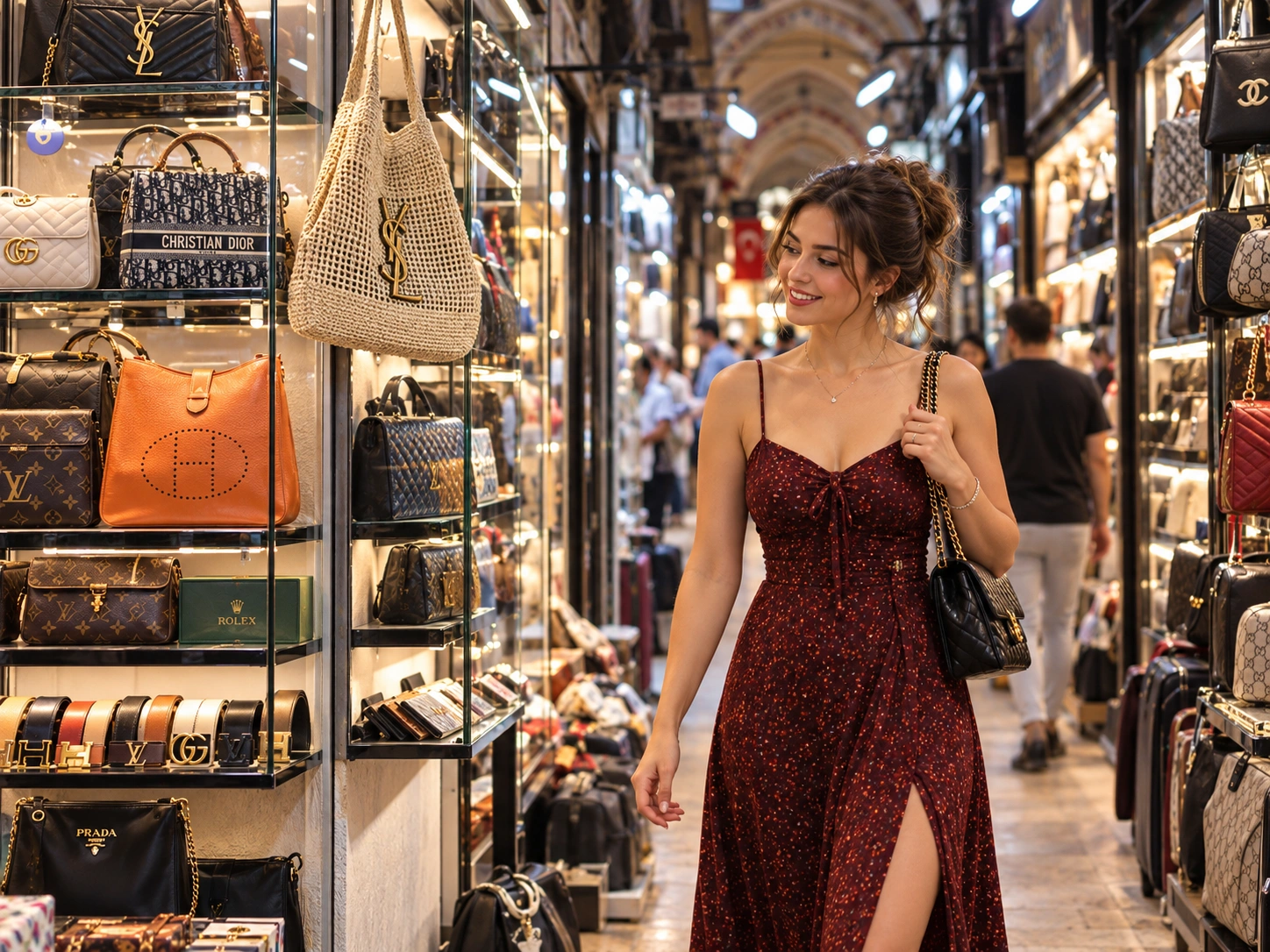
Counterfeits / branded lookalikes: Imitation designer goods may be encountered. This guide does not tell you where to buy replicas or which “hidden” quality to request. Trademark and customs rules can apply. Assume bold brand claims need independent verification; ask for invoices; walk away if the pitch feels wrong.
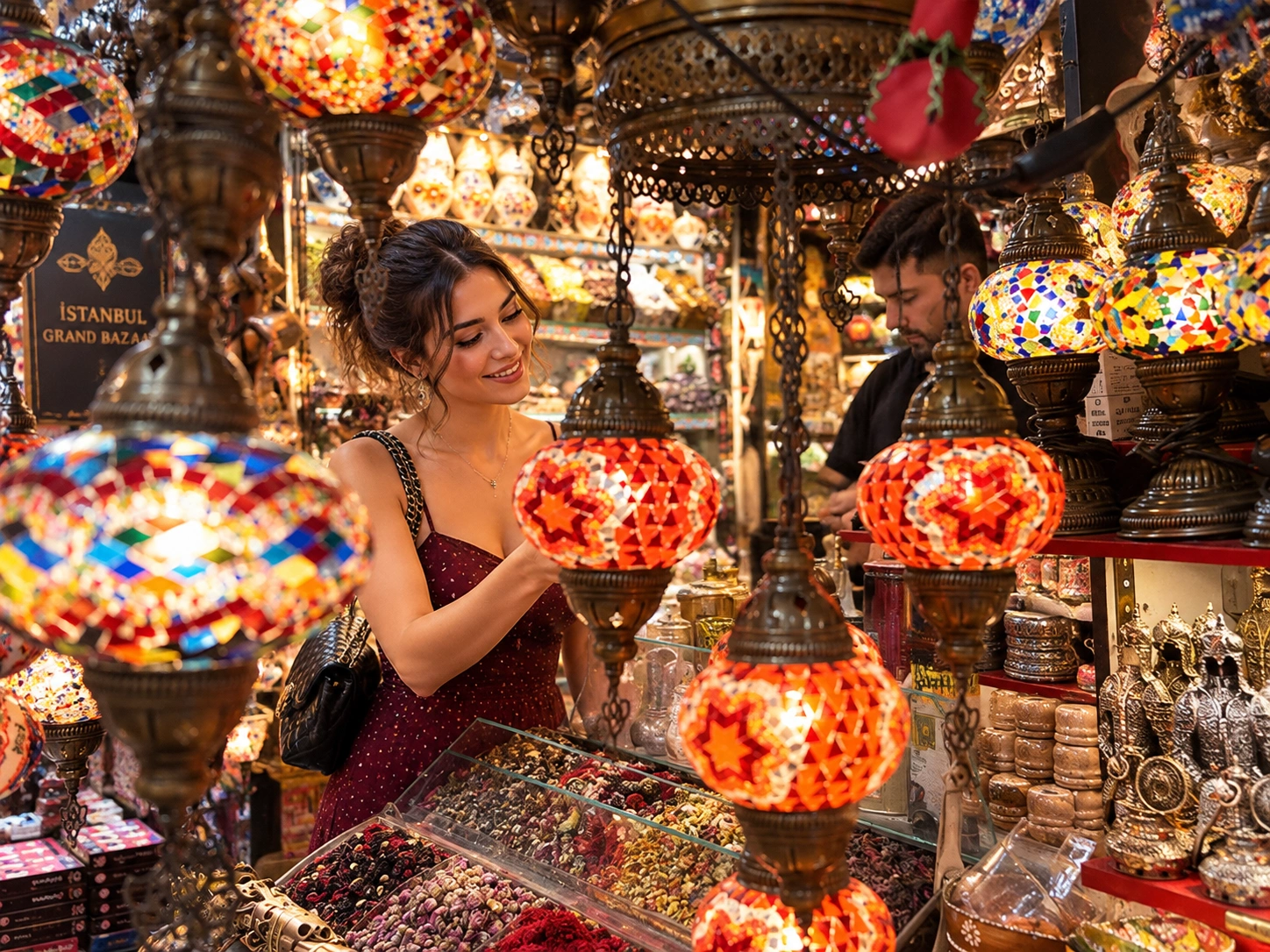
Decorative crafts and edible souvenirs share the same covered city, but they answer different shopping jobs — keep spice purchases secondary unless that is your main goal.
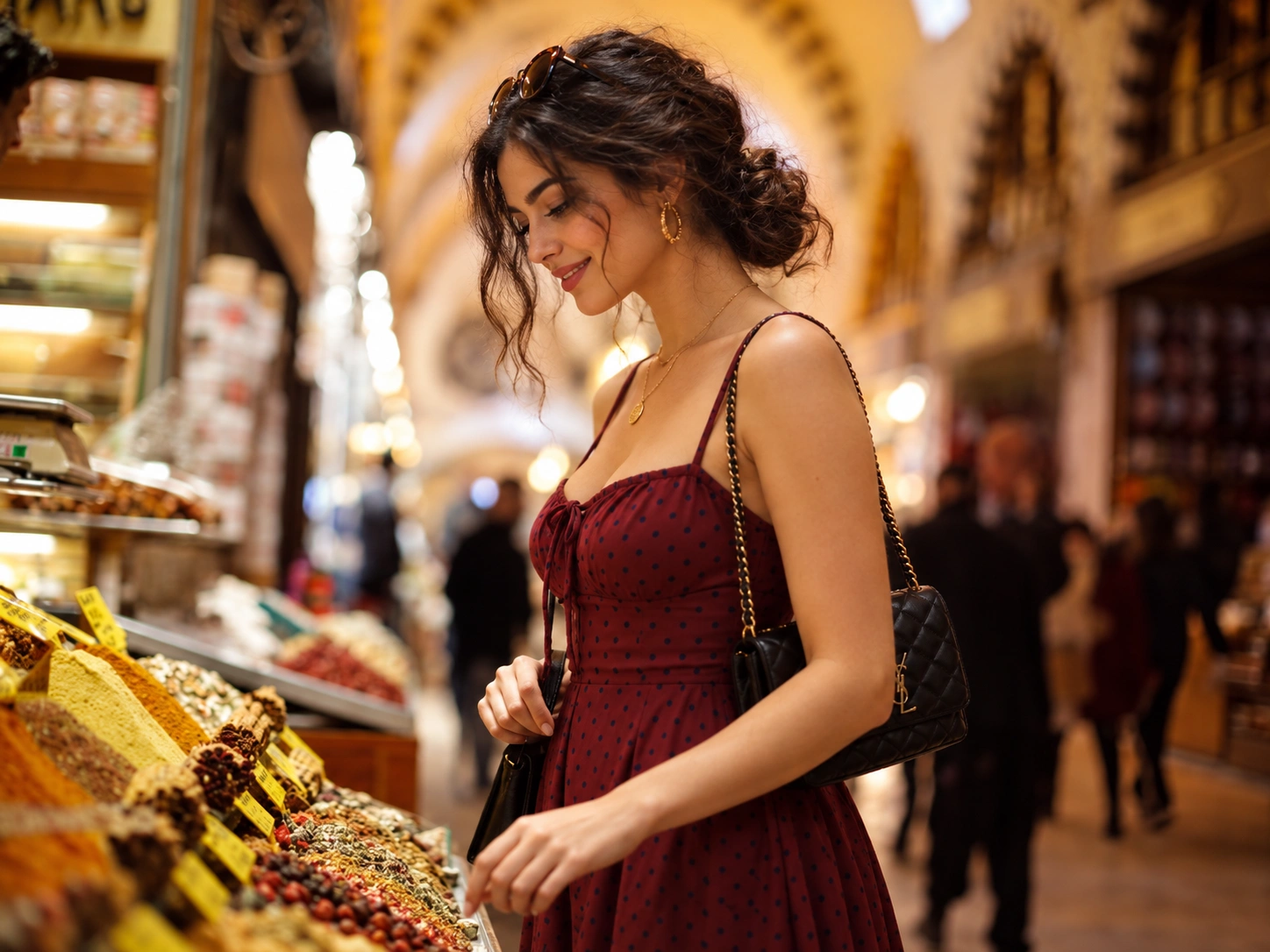
For lokum as a category, use the same-language Turkish delight page. Modern mall contrast: Istanbul shopping malls.
Bargaining · payments
How to shop without the old tourist clichés
Bargaining is common on many discretionary goods; it is not mandatory everywhere, and packaged or gold-weight sales may leave less room. Compare several shops. Agree the total and the currency before paying. Card acceptance varies; carrying some cash helps. Stay polite; walking away is a normal tool.
Do not treat “first price is always double” or “half of everything is fake” as rules. Scrutinize materials, ask for paperwork, and treat dramatic product stories as sales talk until proven.
Dining
Nusr-Et Grand Bazaar and coffee pauses
Nusr-Et Steakhouse Grand Bazaar (Kapalıçarşı) remains listed as ACTIVE on the brand’s official restaurant pages, inside the historic Sandal Bedesteni complex (Çarşıkapı / Nur-u Osmaniye Caddesi address line). Restaurant hours are commonly posted around midday to late evening daily — separate from Kapalıçarşı’s Mon–Sat shop-gate schedule. Confirm reservations and day-of opening yourself.
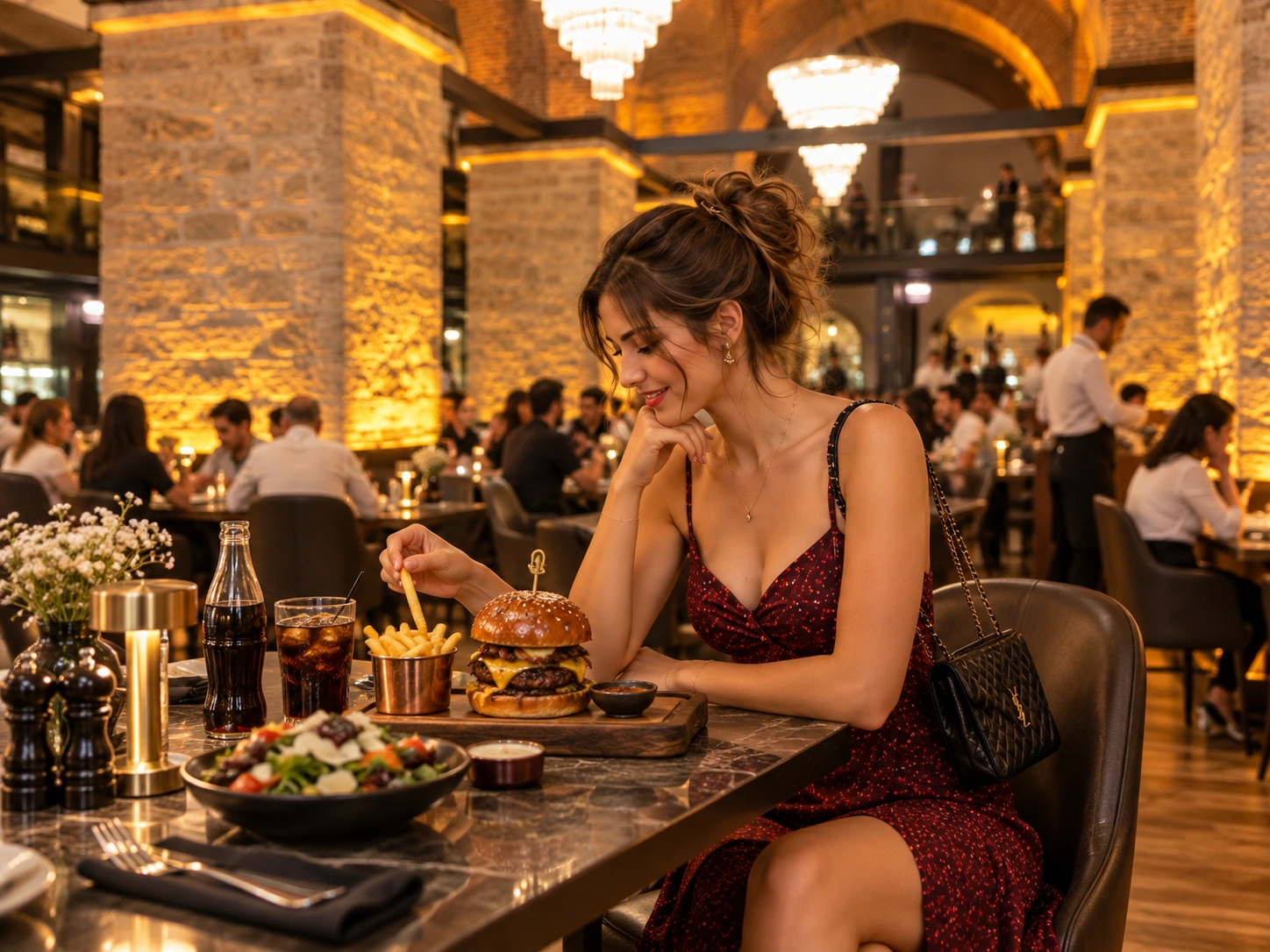
Long-running coffee and lokanta pauses such as Şark Kahvesi and Havuzlu Restaurant still appear in current listings inside the bazaar fabric — soft ACTIVE mentions for a break, not a full restaurant ranking. This page is not a dining directory.
Nearby markets
Sahaflar, Mahmutpaşa, Spice Bazaar and more
| Market / district | Type | Relation to Grand Bazaar | Best for | Current note |
|---|---|---|---|---|
| Sahaflar Çarşısı | Book market | Immediately beside Beyazıt / bazaar edge | Used & new books | Outside the covered L of Kapalıçarşı core |
| Mahmutpaşa | Street commercial district | Downhill retail corridor | Clothes, bargains, everyday retail | See Mahmutpaşa bazaar |
| Spice Bazaar (Mısır Çarşısı) | Covered food market | Separate Eminönü destination | Spices, lokum, nuts | Spice Bazaar guide |
| Tahtakale / Mercan streets | Wholesale–retail fabric | Adjacent commercial tissue | Household, local commerce | Not “inside” Kapalıçarşı |
| Arasta Bazaar | Smaller historic shopping street | Sultanahmet, not next door | Craft gifts near Blue Mosque | Plan as a separate stop |
| Laleli | Textile / wholesale district | Nearby Historic Peninsula | Bulk clothing trade | Different shopping logic |
More market maps: local bazaars in Istanbul. Upscale modern contrast: Nişantaşı.
Compare
Grand Bazaar vs Spice Bazaar
| Feature | Grand Bazaar (Kapalıçarşı) | Spice Bazaar (Mısır Çarşısı) |
|---|---|---|
| Main focus | Jewelry, carpets, leather, ceramics, broad crafts | Food, spices, sweets, packaged gifts |
| Area | Beyazıt–Nuruosmaniye | Eminönü / Yeni Cami |
| Scale | Much larger covered complex | Smaller L-shaped market |
| Best for | Longer shopping sessions | Edible souvenirs |
| Typical visit | Longer | Shorter |
| Sunday | Usually closed | Often open (confirm separately) |
Hours · access
Opening hours, Sundays, accessibility and photos
Authoritative visitor summaries (including Turkey’s Kultur Portali) describe Kapalıçarşı as open roughly 08:30–19:00 on ordinary weekdays and Saturdays, closed on Sundays, and closed on religious feast days / many official holidays. Individual shops may differ. Confirm the day you go — especially around bayrams and New Year.
Walking the corridors is free. Crowds, uneven historic floors and slopes make full wheelchair or stroller access uneven — do not expect a modern mall. Ask permission before close-up photos of shop staff or merchandise; architecture corridors are usually more relaxed.
Getting there
T1 tram, walking and chauffeur drop-off
| From | Best public transport | Stop | Practical note |
|---|---|---|---|
| Sultanahmet | T1 tram or short walk/chauffeur | Beyazıt-Kapalıçarşı or Çemberlitaş | Çemberlitaş suits Nuruosmaniye Gate |
| Eminönü / Spice Bazaar | T1 tram inland | Beyazıt-Kapalıçarşı | Two markets, two stops — plan time |
| Taksim | F1 + T1, or chauffeur | Beyazıt-Kapalıçarşı | Bags are easier with a chauffeur |
| Asian side | Ferry to Eminönü + T1 | Beyazıt-Kapalıçarşı | Confirm pier/day timetable |
| IST / SAW | Private transfer to hotel, then tram/car | — | Airport links below |
Use current line naming: T1 Kabataş–Bağcılar, stop Beyazıt-Kapalıçarşı. Historic Peninsula traffic and limited parking make a perimeter chauffeur drop-off more practical than hunting a free space. Vehicles do not drive through the covered bazaar.
Hotel pickup and airport links: car with driver, IST transfer, SAW transfer, VIP transfer.
FAQ
Grand Bazaar FAQs
What is Istanbul’s Grand Bazaar?
Kapalıçarşı — a large historic covered market complex in Fatih between Beyazıt and Nuruosmaniye, known for jewelry, carpets, crafts and dense Ottoman commercial architecture.
When was the Grand Bazaar founded?
Its commercial core began under Mehmed II after 1453, with the Cevahir (İç) Bedesten commonly completed around 1460/61; surrounding streets and Sandal Bedesten grew later.
Is it really the oldest market in the world?
It is one of the world’s oldest and best-known covered markets. Absolute “oldest marketplace on earth” claims are not locked here.
How many shops and entrances does it have?
Guides cite thousands of shops and many gates (counts vary). Use soft wording and focus on the main visitor gates rather than a single locked number.
Which entrance is best for first-time visitors?
Nuruosmaniye Gate for the ceremonial Kalpakçılar spine; Beyazıt Gate if you arrive by T1 at Beyazıt-Kapalıçarşı.
Is the Grand Bazaar open on Sunday? What are the hours?
Usually closed Sundays. Typical Mon–Sat hours are around 08:30–19:00; religious and public holidays often close the bazaar — verify day-of.
Is entrance free?
Yes. Shopping, dining and guided services are separate.
What should I buy? Is bargaining expected?
Jewelry, carpets, ceramics, leather and textiles are classic. Bargaining is common on many discretionary items but not universal — agree totals clearly.
How can I tell if jewelry or carpets are genuine?
For jewelry: karat, weight, workmanship, invoice, gem paperwork when relevant. For carpets: making method, materials, size, invoice — and skepticism toward unverified “antique” claims.
Are counterfeit designer goods sold there?
Imitation goods may be encountered. Do not assume brand authenticity; customs and trademark rules can apply. This page does not promote replica shopping.
Can I take antiques home?
Possibly with proper invoices and compliance with cultural-property / export rules — check current official guidance; no universal guarantee.
Are credit cards accepted? Is cash useful?
Many shops take cards; policies vary. Cash remains useful for smaller purchases and some negotiations.
Is currency exchange available?
Use licensed exchange offices or banks. Avoid informal unverified cash deals.
Where is Nusr-Et Grand Bazaar and is it still open?
Yes — official listings place Nusr-Et in Sandal Bedesteni inside the Grand Bazaar complex. Confirm restaurant hours separately from shop-gate hours.
What is the difference between Grand Bazaar and Spice Bazaar?
Grand Bazaar is the large Beyazıt craft/jewelry complex; Spice Bazaar is the smaller Eminönü food market. See the comparison table above.
Is Sahaflar Bazaar near Grand Bazaar?
Yes — the book market sits beside the Beyazıt edge, outside the main covered Kapalıçarşı core.
How do I get there from Sultanahmet, Taksim or the airport?
Sultanahmet: T1 to Beyazıt-Kapalıçarşı or Çemberlitaş. Taksim: funicular + T1 or chauffeur. Airports: private transfer to hotel, then tram or car to Beyazıt.
Is it wheelchair or stroller accessible? How long should I spend?
Access is uneven due to historic floors and crowds. Many visitors spend 1–3 hours; shopping-focused visits run longer.
Cab Istanbul
Historic Peninsula transport without parking stress
If you want a hotel pickup to Beyazıt or Nuruosmaniye and a later return with shopping bags, Cab Istanbul can arrange chauffeur service — or IST/SAW airport transfers before your bazaar day. Drivers provide transport only: they are not licensed bazaar guides, authenticity experts, personal shoppers or price negotiators.
Useful links: car with driver in Istanbul, Istanbul Airport transfer, Sabiha Gökçen transfer, VIP transfer.