
Fatih · Mahmutpaşa Yokuşu · Historic Peninsula · 2026
Mahmut Pasha Bazaar — Mahmutpaşa Çarşısı — is not one locked hall and not a weekly street market that appears on Sundays. It is the historic open-air commercial district along Mahmutpaşa Yokuşu, the steep pedestrian slope that ties the Grand Bazaar side of Beyazıt to Tahtakale and, further down, Eminönü and the Spice Bazaar.
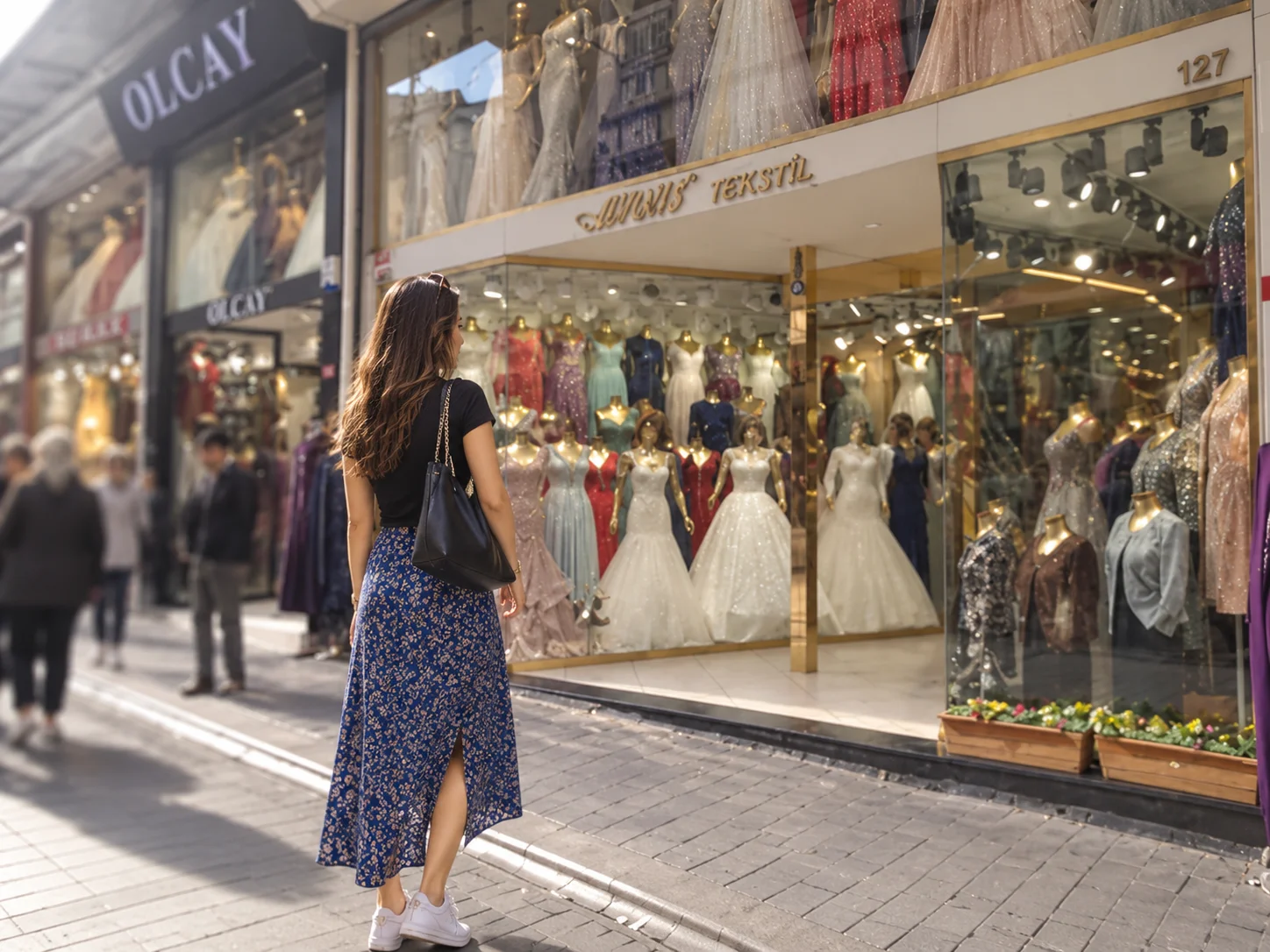
Shoppers come for clothing, modest fashion, evening dresses (abiye), bridal-adjacent textiles, çeyiz (dowry household linens), towels, fabrics and children’s wear. Many businesses lean wholesale; others sell retail. Prices vary by shop, quantity and quality — this is a budget-oriented, comparison-friendly district, not a guaranteed “cheapest place in Istanbul.”
Cab Istanbul provides chauffeur rides and airport transfers only — including Istanbul Airport (IST), Sabiha Gökçen (SAW), car with driver and VIP transfer. Drivers are not licensed bazaar guides, personal shoppers or wholesale sourcers, and they do not bargain on your behalf.
Identity
What Mahmutpaşa is — and what it is not
Keep the neighbouring names apart. They share one historic trade corridor; they are not the same market.
| Name | Type | Relation |
|---|---|---|
| Mahmutpaşa Çarşısı | Open-air commercial district | Shops lining the slope and side lanes |
| Mahmutpaşa Yokuşu | Steep pedestrian street | The main spine between Kapalıçarşı and Tahtakale |
| Mercan Yokuşu | Adjacent commercial slope | Bags, wallets, belts, accessories — separate identity |
| Tahtakale | Nearby wholesale district | Household, hardware, beauty-supply hans |
| Hasırcılar | Street toward Eminönü | Food/spice/household fabric — not a separate official bazaar |
| Grand Bazaar | Covered historic bazaar | Uphill / Beyazıt–Nuruosmaniye |
| Spice Bazaar | Covered food market | Downhill / Eminönü |
Clips show crowd and street character only. They are not proof of today’s prices, Sunday hours or which han is open.
Compare
Mahmutpaşa vs Grand Bazaar vs Spice Bazaar
| Feature | Mahmutpaşa | Grand Bazaar | Spice Bazaar |
|---|---|---|---|
| Main character | Budget-oriented clothing and household textiles | Historic covered bazaar | Food and spice market |
| Best for | Clothes, çeyiz, towels, modest wear, abiye | Jewelry, carpets, crafts, souvenirs | Spices, lokum, nuts, coffee |
| Shopping style | Local wholesale–retail mix | Tourist + specialist mix | Food / edible souvenirs |
| Setting | Open slope and hans | Covered streets | Covered L-shaped halls |
For a different, climate-controlled retail register see Istanbul shopping malls. For a city clothing overview see shopping for clothes in Istanbul.
History
Külliye first, then a growing trade district
The quarter takes its name from Veli Mahmud Pasha, grand vizier to Mehmed II. In the 1460s he endowed a külliye — mosque, hamam, tomb, madrasa, fountains and commercial shops — on this hillside. Authoritative chronologies do not collapse everything into one “the bazaar opened in 1462” slogan.
The mosque’s inscription dates completion to 867 / 1463. The double hamam is recorded around 1466–67, the madrasa around 1472–73, and the tomb around 1473–74. Vakıf descriptions mention an original commercial endowment of about 256–265 shops — a historic figure, not a modern shop count. Later subdivision and new lanes expanded the district far beyond that endowment.
Mahmud Pasha — short context only
After court rivalry and the death of Prince Mustafa, Mahmud Pasha was imprisoned at Yedikule and executed in 1474. He is buried in the octagonal tomb beside the mosque. Later stories about poisoning or a household scandal are disputed; they do not belong here as fact. This page stays with the commercial district he financed.
Mosque & tomb
Mahmutpaşa Mosque as a cultural pause
The Mahmutpaşa Mosque remains an active neighbourhood mosque at the heart of the slope. Visitors may enter quietly outside prayer times when dressed modestly. The adjacent tomb is a historic monument, not a shopping stop. Treat hours as soft and follow on-site guidance.
What to buy
Shopping categories on and around the slope
| Product Category | Best Area / Street | Wholesale / Retail | What to Check | Practical Note |
|---|---|---|---|---|
| Abiye / formalwear | Mahmutpaşa Yokuşu; Hürriyet Çarşısı | Both — ask | Size, lining, return policy | Strong evening-dress cluster |
| Modest wear / scarves | Slope + Çakmakçılar fabric lanes | Often wholesale-leaning | Fabric weight, colour lot | Retail possible in some shops |
| Çeyiz / home textiles | Slope; Hürriyet; Kürkçü Han | Both | Thread count claims, set contents | Towels, bedding, curtains |
| Children’s clothing | Mahmutpaşa lanes | Both | Seasonal stock | School / ceremony items in season |
| Bags / accessories | Mercan Yokuşu / Mercan İş Hanı | Often wholesale | Material, stitching, invoice | Separate street from clothing core |
| Fabrics / sewing supplies | Çakmakçılar / tülbent trade lanes | Mostly wholesale | Minimum cut or pack | Do not rely on old door numbers |
| Beauty / salon supplies | Zaza Han, Tahtakale | Mostly wholesale | Professional vs retail packs | Nearby district — not the slope itself |
| Household / hardware | Tahtakale | Wholesale-heavy | Voltage, warranty | Different street character |
How buying works
Wholesale and retail shopping in Mahmutpaşa
Some businesses sell by the pack or by a minimum quantity. Others will sell a single dress, towel set or scarf. A number on a window is not automatically a wholesale quote. Ask, before you start folding goods onto the counter:
- Is this price retail or wholesale?
- What is the minimum quantity, if any?
- Does the unit price change if I take more?
- Can I pay by card, and is there a receipt?
Displayed retail tags and verbal wholesale offers can differ. Agree the total before payment. Bargaining may be possible in some independent shops; it is not a rule of every door, and “always haggle” is the wrong advice.
Authenticity — consumer note
Some commercial streets in this part of the Historic Peninsula may offer goods that look like well-known brands. Do not assume a logo is authentic. Ask for an invoice where it matters; trademark and customs rules can apply when you travel. This guide does not point visitors toward imitation goods.
Çeyiz
Dowry textiles and home linens
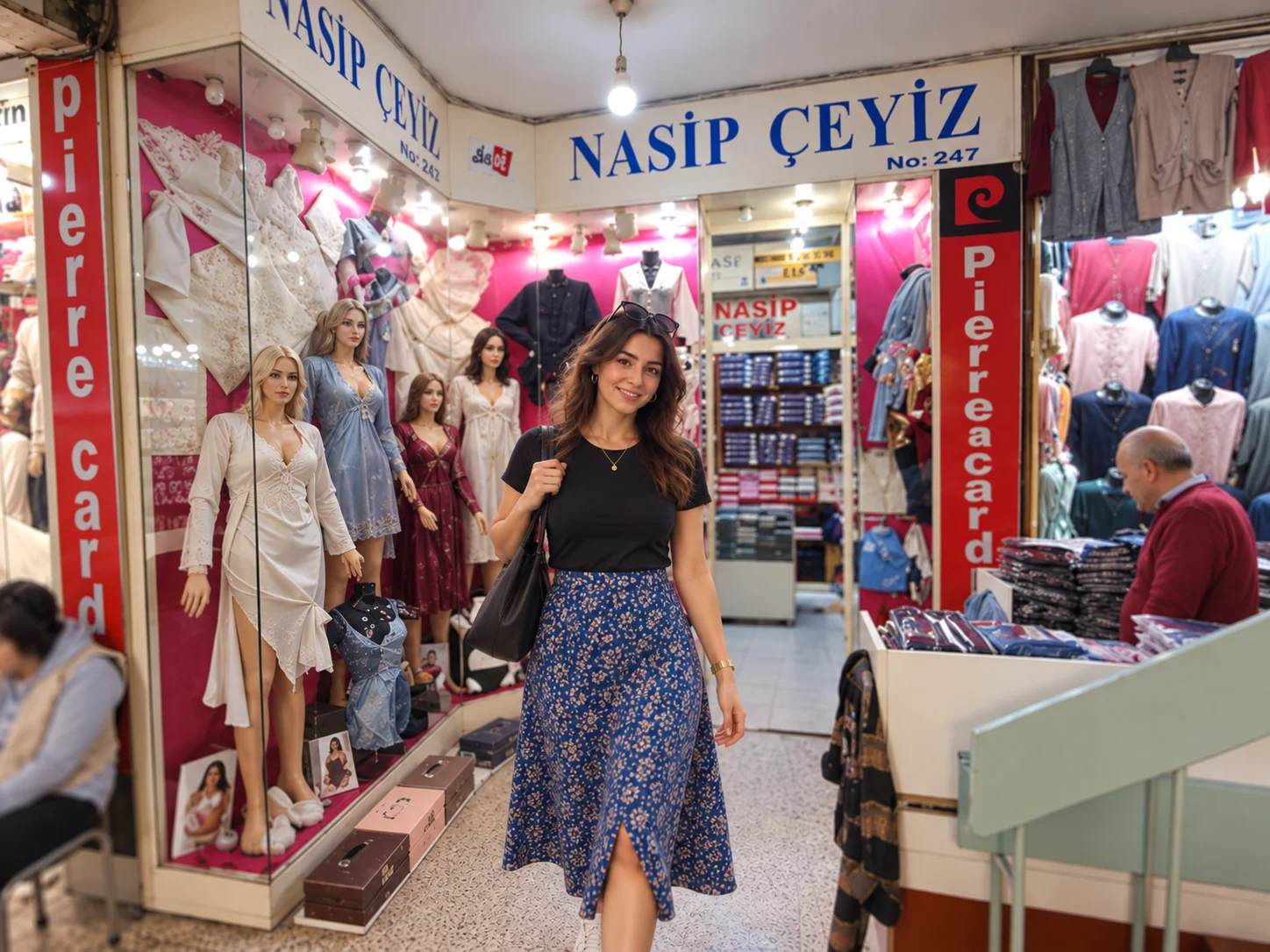
Mahmutpaşa’s long local reputation is household textile shopping: towel stacks, bedding, curtains, and boxed çeyiz sets used for wedding households. Quality and fibre content vary widely. Open the pack, count the pieces, and compare two or three shops rather than treating the first quote as a district-wide price.
Mercan
Mercan Yokuşu is not Mahmutpaşa itself
Mercan runs as a neighbouring commercial slope known for bags, wallets, belts and small accessories. Mercan İş Hanı and similar buildings concentrate wholesale-oriented accessory firms. Treat Mercan as a useful detour, not as another name for Mahmutpaşa Çarşısı.
Multi-storey market
Hürriyet Çarşısı — still operating
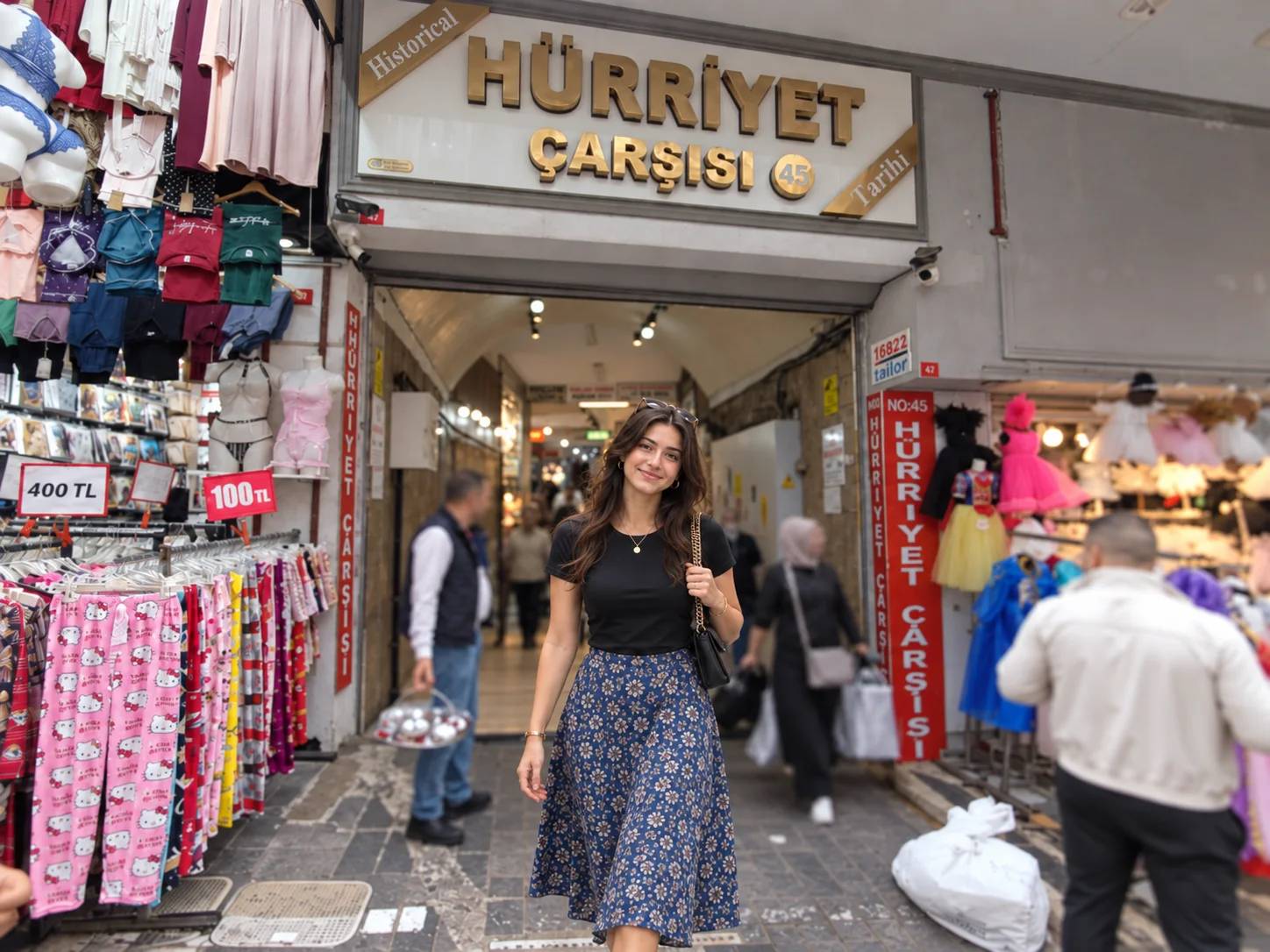
Hürriyet Çarşısı remains an active multi-level market on the Mahmutpaşa spine (official site: Mahmutpaşa Caddesi No:45). Current shop mix on the operator’s own pages includes lingerie, bridal/abiye, çeyiz, men’s and women’s clothing, baby wear and home textiles. The building lists Monday–Saturday about 09:00–19:00 — that schedule is for this çarşı, not for every shop on the slope.
Historic han · shopping
Kürkçü Han — yarn, tuhafiye and home textiles
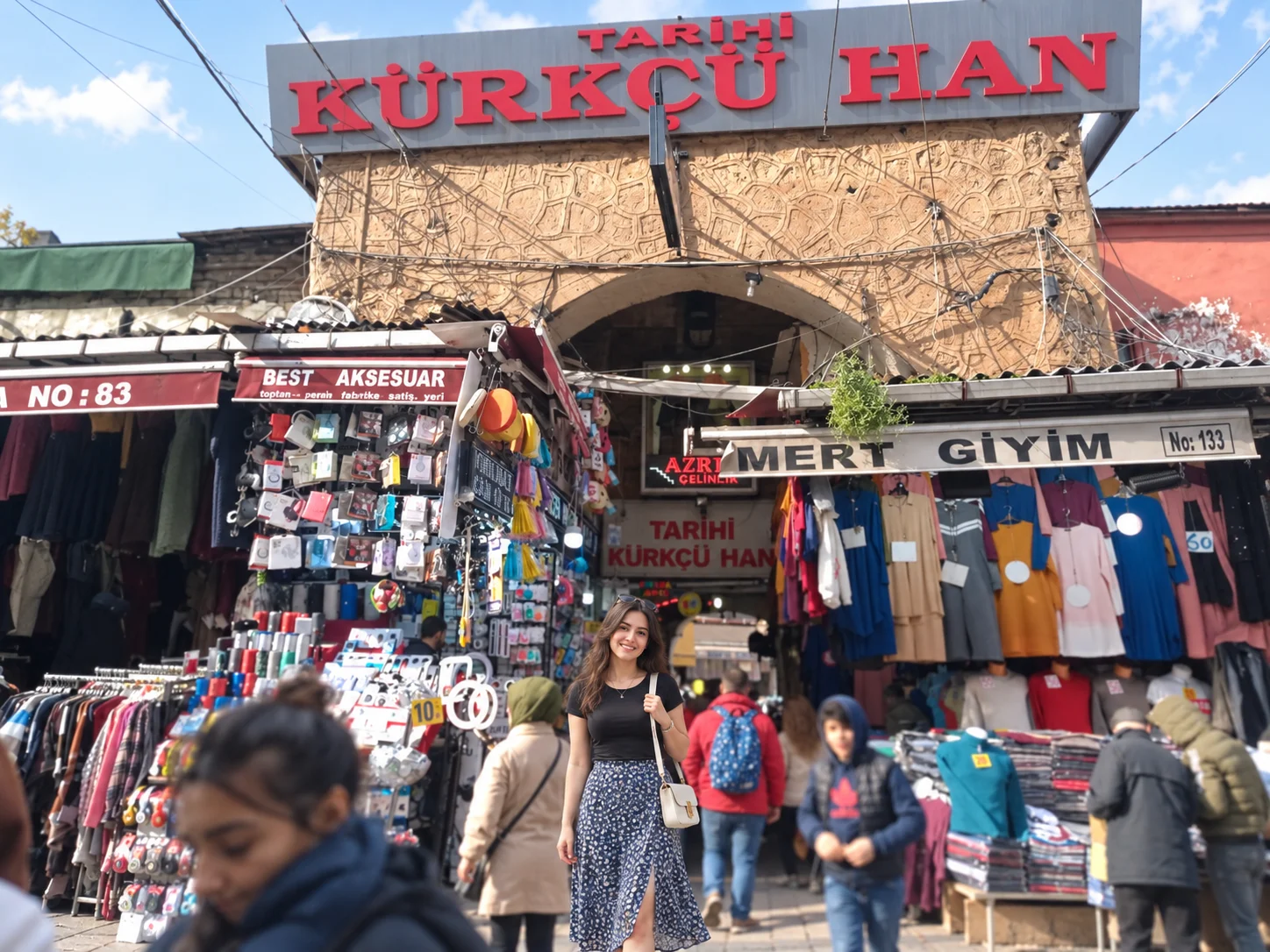
Kürkçü Han is a fifteenth-century vakıf han associated with Mahmud Pasha’s endowment (commonly dated around 1467). The fur-trade name is historical. Today the courtyards are used for knitting yarn, haberdashery, towels, çeyiz pieces and related household textiles. Visitor access is as an active commercial han — walk the courtyards during business hours, and treat individual shops as private businesses.
Hans
Historic hans in and near the corridor
Several famous hans sit near Mahmutpaşa, especially on Çakmakçılar Yokuşu toward Tahtakale. They are not all “inside Mahmut Pasha Bazaar.”
| Han | Period | Current Use | Area | Visitor Note |
|---|---|---|---|---|
| Kürkçü Han | 15th c. | Yarn, tuhafiye, home textiles | On/near the Mahmutpaşa fabric | Active commercial courtyards |
| Büyük Valide Han | 17th c. (Kösem Sultan) | Workshops / small trade | Çakmakçılar — nearby | Courtyards possible; roof not a public viewpoint |
| Büyük Yeni Han | 1763–64 (Mustafa III / Mehmed Tahir Ağa) | Silver ateliers, workshops | Çakmakçılar — nearby | Courtyards visitable in business hours, soft |
| Zaza Han | 20th-c. commercial han | Salon / beauty wholesale | Tahtakale | Nearby — not the clothing slope |
Other historic names in the wider Eminönü–Beyazıt band — Balkapanı, Vezir Han, Çuhacı Han, Zincirli Han — belong to the same Ottoman han geography. Include them only as nearby context when you are already walking Çakmakçılar or Tahtakale; they are not Mahmutpaşa shopfronts.
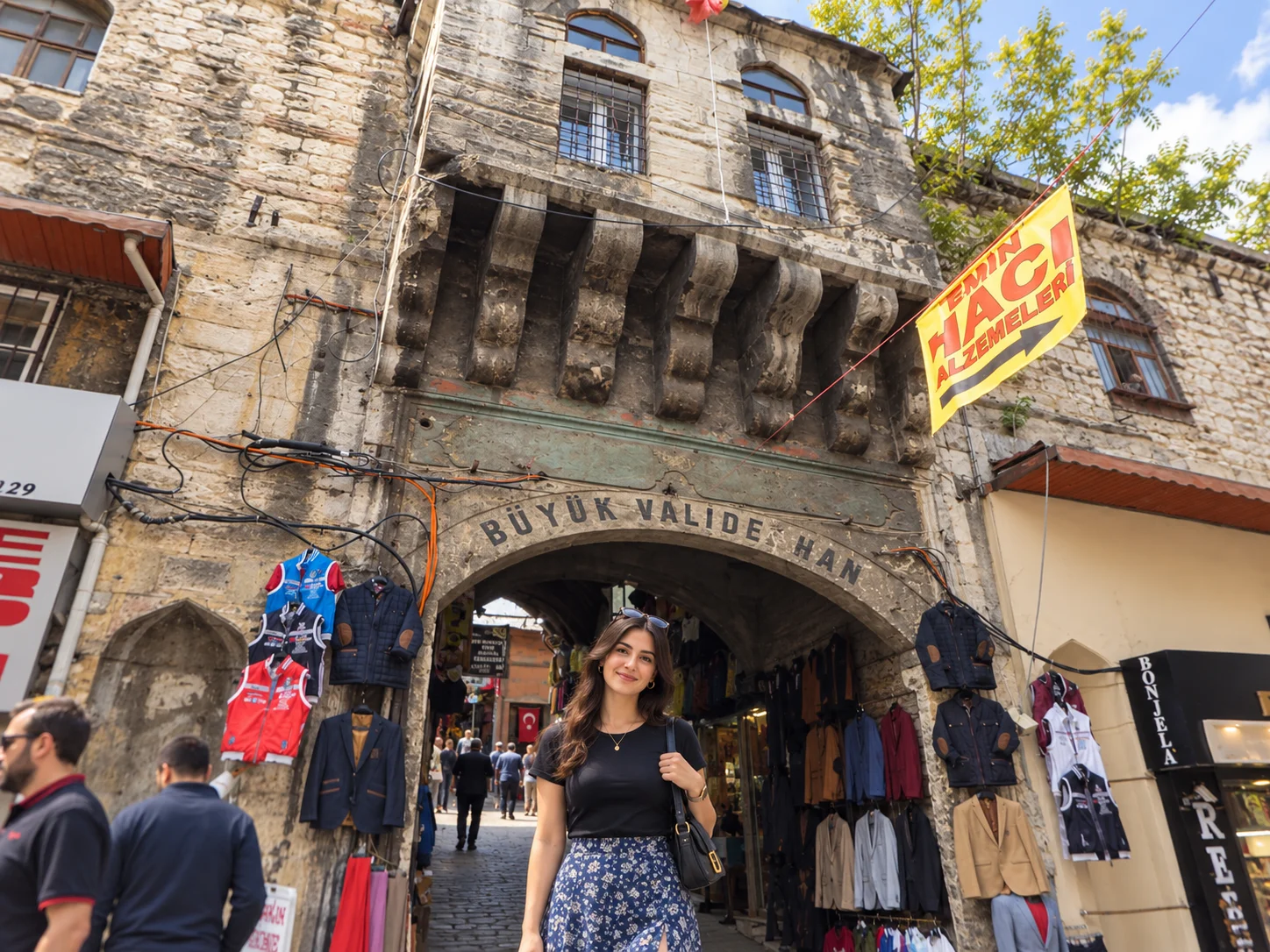
Büyük Valide Han roof — do not treat as a viewpoint
Older tourism copy sent visitors onto the brick domes for Golden Horn photographs. That access was restricted after structural damage (sealed in the mid-2010s). A roof-level fire was also reported in June 2026. Do not climb the roof or pay anyone for an unofficial ascent. Courtyard walking, when the han is open for trade, is the legitimate visit.
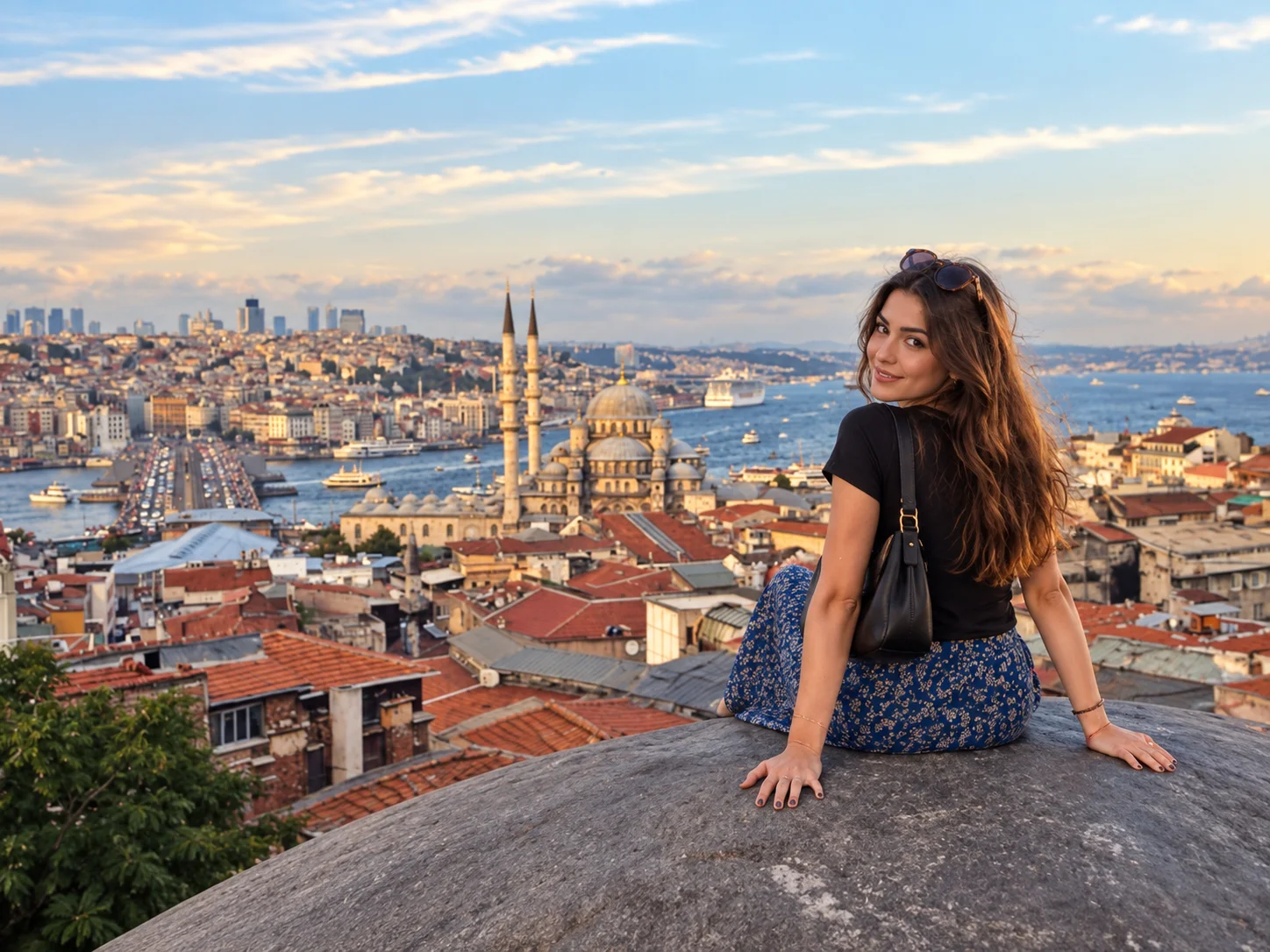
Büyük Yeni Han
Across the Çakmakçılar fabric, Büyük Yeni Han was built in 1763–64 under Sultan Mustafa III; the architect is recorded as Mehmed Tahir Ağa. Historic uses included merchant lodging and later money-changing / banking activity. Today silver workshops occupy many rooms. Courtyards can usually be entered during weekday trade; Sunday closure is common for hans. Treat film-location trivia as optional colour, not the reason to visit.
Nearby Tahtakale
Zaza Han and other trade streets
Zaza Han on Tahtakale Caddesi remains a specialist address for hairdressing, makeup and salon supplies — wholesale-leaning, with some retail. It is part of Tahtakale, downhill from the clothing slope. Old listings often give No:40; confirm the door on the street rather than treating one historic number as a permanent lock.
Hasırcılar Caddesi continues the walk toward the Spice Bazaar with food, spice and household shops. “Hasırcılar Bazaar” and “Sepetçiler Bazaar” are better read as historic trade-street names than as separately ticketed official markets. Basket and box trades survive in patches; do not plan a dedicated Sunday basket itinerary on old claims.
Çakmakçılar / tülbent lanes still concentrate scarves and light fabrics, often wholesale. Skip obsolete “No:66” directions unless a shop confirms them that day.
Beyazıt’s small Bakırcılar copper street is a shrinking craft remnant near Istanbul University — not Mahmutpaşa’s copper department, and not Istanbul’s “principal copper factory.” Mention it only if you are already walking Beyazıt.
Hamam building
Mahmutpaşa Hamamı today
The külliye hamam (1466–67) is among the city’s early Ottoman baths. For many years the building has been used as commercial space rather than a working hamam. Restoration discussions about returning a bath function surface from time to time — do not arrive expecting a steam session. Read it as a converted historic shell inside the shopping fabric.
Around the slope
Nearby historic places — without invented distances
| Place | Relation to Mahmutpaşa | Why Visit | Practical Note |
|---|---|---|---|
| Mahmutpaşa Mosque & tomb | In the commercial area | Active mosque; founder’s tomb | Modest dress; prayer-time respect |
| Grand Bazaar | Uphill / connected gate | Covered historic shopping | Different product mix |
| Spice Bazaar / New Mosque | Downhill Eminönü | Food market + waterfront mosque | Pair with Hasırcılar walk |
| Rüstem Pasha Mosque | Nearby Hasırcılar / Eminönü | Sinan mosque; İznik tiles | Active worship; shoes off |
| Rüstem Pasha Madrasa | Nearby Eminönü / Cağaloğlu | Sinan octagonal madrasa; museum use | Now Bediüzzaman / Risale-i Nur Museum — verify hours |
| Nuruosmaniye Mosque | Near Grand Bazaar | Ottoman baroque mosque | Uphill from the slope |
| Süleymaniye Mosque | Nearby Historic Peninsula | Sinan imperial mosque | Separate hill — not “inside” the bazaar |
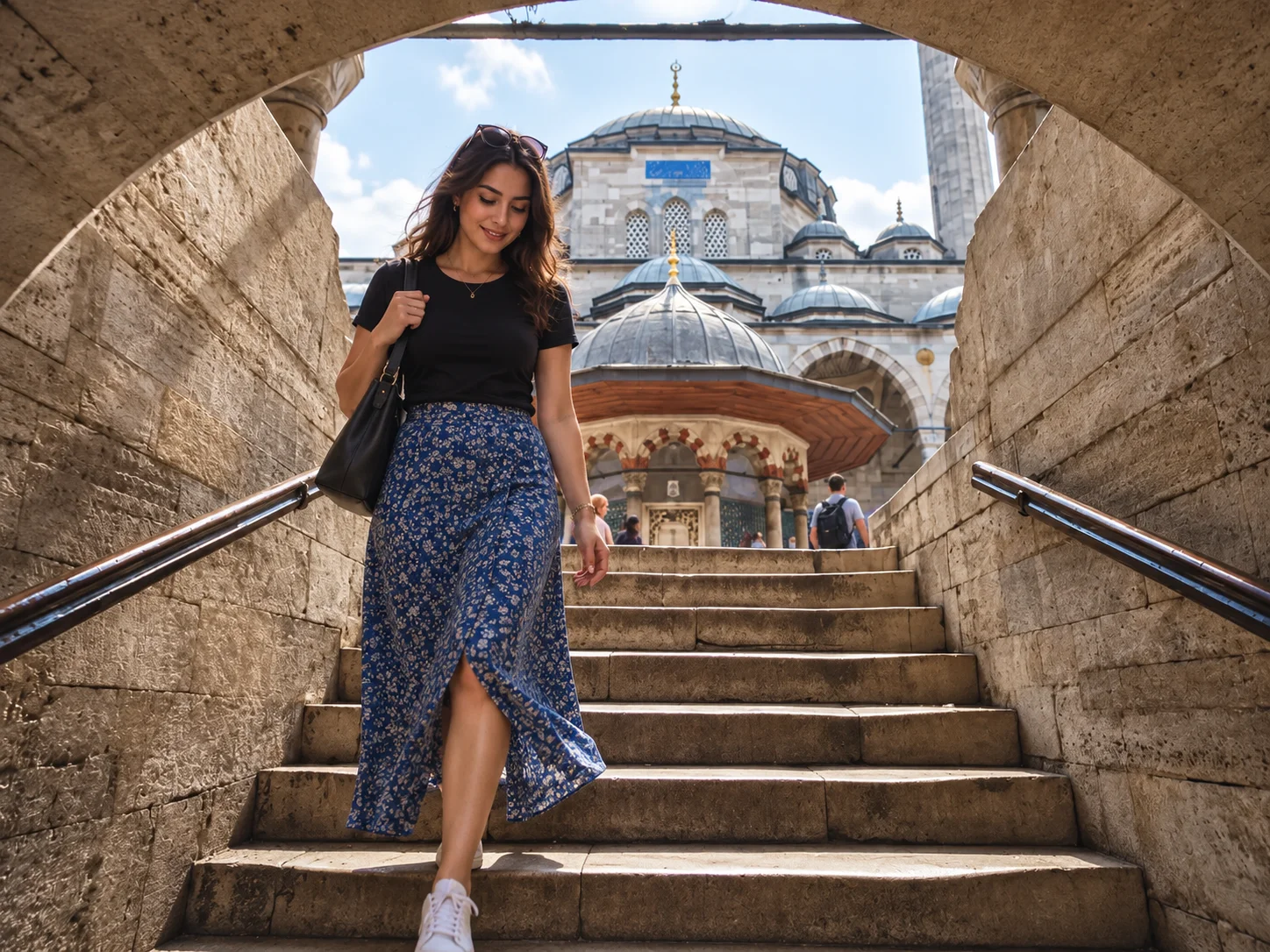
The octagonal Rüstem Pasha Madrasa is a Mimar Sinan building later reused as the Bediüzzaman / Risale-i Nur Museum. It is a nearby heritage stop, not a shop inside Mahmutpaşa Çarşısı. Confirm opening before a special detour.
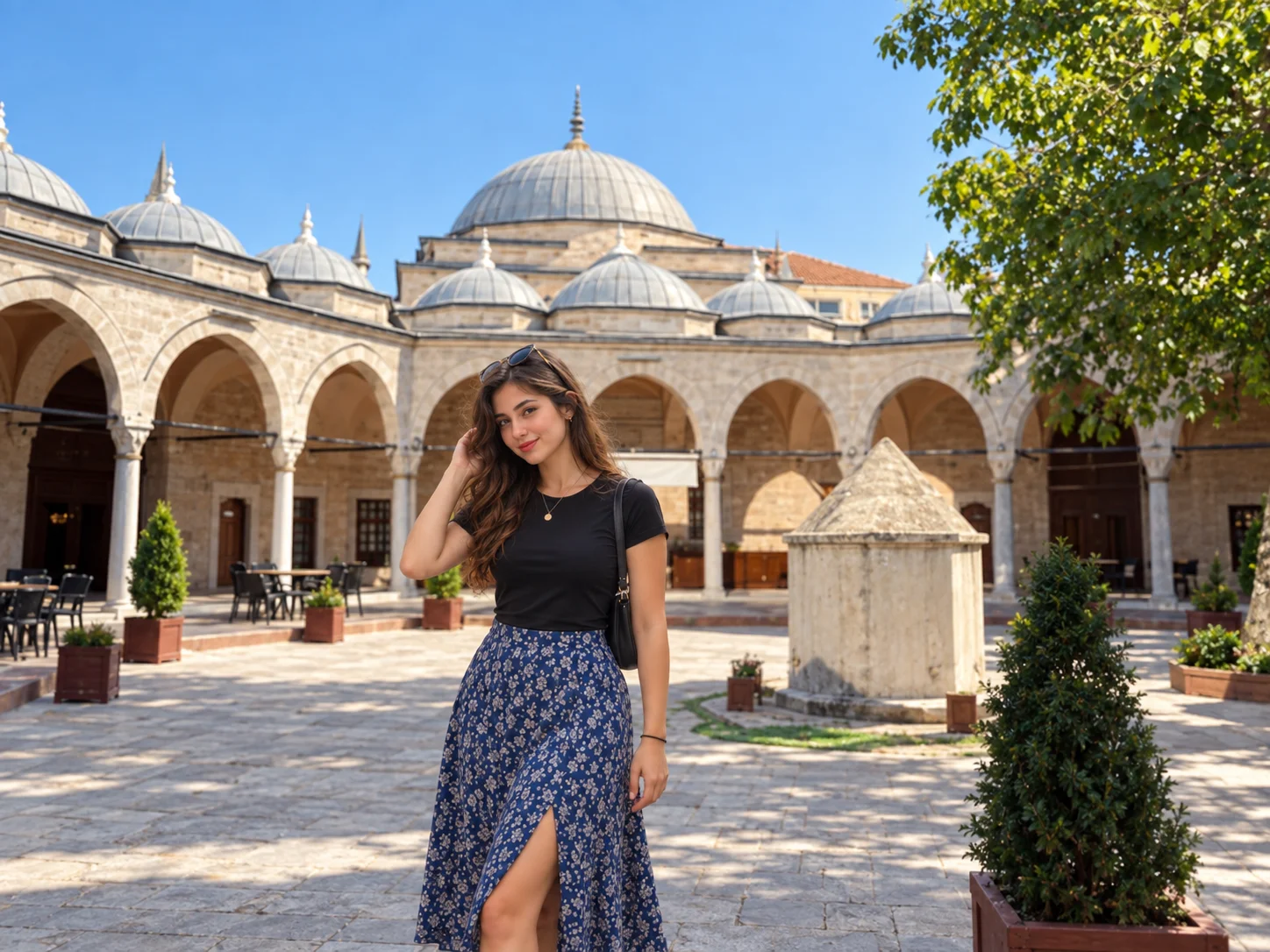
Wider Historic Peninsula maps: Istanbul attraction places. Spice-shopping follow-on: Turkish delight.
District map
Shopping areas around Mahmutpaşa
| Area | Type | Best For | Relation to Mahmutpaşa | Current Note |
|---|---|---|---|---|
| Mahmutpaşa Yokuşu | Open commercial slope | Clothes, çeyiz, abiye | Core | Pedestrian, steep |
| Mercan | Specialized slope / hans | Bags, accessories | Adjacent | Wholesale-leaning |
| Tahtakale | Wholesale district | Household, hardware, salon goods | Downhill nearby | Different product logic |
| Hasırcılar / Eminönü | Street + waterfront markets | Food, spices, everyday goods | Downhill continuation | Leads to Spice Bazaar |
| Grand Bazaar / Beyazıt | Covered bazaar | Jewelry, carpets, crafts | Uphill | Tourist-heavier mix |
| Sahaflar | Book market | Second-hand / religious books | Beyazıt nearby | Not a clothing market |
| Laleli | Fashion / export wholesale | Apparel export trade | Other district | Not next-door Mahmutpaşa |
| Merter | Textile wholesale hub | Production/wholesale garments | Other district | Context only |
Practical visit
Hours, Sunday, bargaining, cards
There is no single manager setting one timetable for every door. A realistic pattern: most clothing and han businesses work daytime Monday–Saturday; Sunday finds many shops and hans closed even though the street itself is still a public slope. A few vendors or Eminönü food streets may look busier. Do not copy old “08:30–19:00 summer / 09:00–18:00 winter / Saturday 10:00–18:00 for the whole bazaar” as a current official schedule.
Card acceptance varies; small shops may prefer cash. Ask about exchange or returns before you buy. Keep bags zipped in crowds. Commission “steerers” who walk you to a shop are not official guides — you can decline.
Slope and accessibility
Mahmutpaşa Yokuşu is steep, often crowded, and paved unevenly. Strollers and wheelchairs will find it difficult. Wear stable shoes. Do not expect step-free shopping through the core lanes.
Getting there
Grand Bazaar to Spice Bazaar via Mahmutpaşa
- Start at the Grand Bazaar’s Mahmutpaşa Gate side (T1 Beyazıt-Kapalıçarşı is the usual uphill tram stop).
- Walk down Mahmutpaşa Yokuşu through clothing and çeyiz shops.
- Optional detour: Hürriyet Çarşısı, Kürkçü Han, or Mercan for bags.
- Continue toward Tahtakale and Hasırcılar.
- Finish at the Spice Bazaar and Eminönü square (T1 Eminönü if you started from the water).
Reverse the walk if you arrive by ferry. Cars and chauffeurs drop at the edge — they cannot usefully drive the shopping slope in ordinary daytime pedestrian hours.
Other access: M2 Vezneciler plus a walk; Marmaray/Sirkeci plus a walk; buses to Eminönü or Beyazıt. From Taksim, metro/tram combinations or a chauffeur drop at Beyazıt or Eminönü are more practical than hunting a parking space on the slope.
FAQ
Mahmut Pasha Bazaar — FAQs
What is Mahmutpaşa Bazaar?
The historic open-air commercial district along Mahmutpaşa Yokuşu and its side lanes, between the Grand Bazaar and Tahtakale/Eminönü.
Is Mahmutpaşa a covered bazaar?
No. It is a slope of street shops and hans. The covered neighbours are Kapalıçarşı and Mısır Çarşısı.
Where is Mahmutpaşa Bazaar?
In Fatih, on the Historic Peninsula, starting from the Grand Bazaar’s Mahmutpaşa side and descending toward Tahtakale and Eminönü.
What is Mahmutpaşa famous for?
Budget-oriented clothing, modest fashion, abiye, çeyiz and home textiles, in a wholesale–retail mix.
Is Mahmutpaşa good for clothing?
Yes — that is the core trade. Compare quality; cheap is not automatic.
Can I buy wholesale in Mahmutpaşa?
Often, if the shop agrees a minimum. Ask before you assume a pack price.
Can tourists buy retail?
Yes. Many shops will sell single items; some will not. Ask first.
Is Mahmutpaşa good for bridal and dowry shopping?
Çeyiz textiles and ceremony wear are a real local use. Wedding-dress quality varies — inspect fabric and sewing.
Where can I find evening dresses?
Along the slope and inside Hürriyet Çarşısı’s abiye/bridal floors.
What is Mercan known for?
Bags, wallets, belts and accessories, often wholesale-oriented — a neighbouring slope, not the same street.
Is Kürkçü Han still open?
Yes, as a commercial han for yarn, haberdashery and home textiles. Confirm Sunday individually.
Is Hürriyet Çarşısı still operating?
Yes. The operator lists Monday–Saturday hours for that building.
Is Zaza Han still operating?
Yes, in Tahtakale, for salon and beauty supplies — nearby, not on the clothing slope.
Can visitors enter Büyük Valide Han?
Courtyards are often walkable during trade hours. It is a working han, not a ticketed museum.
Can visitors access Büyük Valide Han’s roof?
Treat the roof as closed to the public. Do not climb it for photographs.
What other historic hans are nearby?
Büyük Yeni Han (silver workshops), plus the wider Çakmakçılar–Tahtakale han belt. Kürkçü Han sits in the Mahmutpaşa fabric itself.
Is Mahmutpaşa open on Sundays?
The street is a public slope. Most shops and hans are typically closed Sunday. Do not plan a full clothing run on Sunday.
What time do shops usually open and close?
Daytime Monday–Saturday, shop by shop. There is no single official district timetable.
Can I bargain?
Sometimes, especially on independent counters. Ask the unit price and agree a total. Fixed-price behaviour also exists.
Are cards accepted?
Some shops yes, some prefer cash. Ask before you choose goods.
Is Mahmutpaşa cheaper than the Grand Bazaar?
It is often more budget-oriented for clothing and linens, but not automatically cheaper on every item. Compare.
What is the difference between Mahmutpaşa and the Grand Bazaar?
Open slope vs covered historic bazaar; clothes/textiles vs jewelry/carpets/crafts as the typical first stop.
What is the difference between Mahmutpaşa and the Spice Bazaar?
Clothes and household textiles vs spices, lokum and edible souvenirs in a covered market.
Can I walk from the Grand Bazaar to the Spice Bazaar through Mahmutpaşa?
Yes — downhill via Mahmutpaşa Yokuşu, then Tahtakale/Hasırcılar to Eminönü. Wear shoes for the slope.
What markets are near Mahmutpaşa?
Grand Bazaar, Spice Bazaar, Mercan, Tahtakale, Hasırcılar, Beyazıt/Sahaflar. Laleli and Merter are other wholesale districts, not next door.
How do I reach Mahmutpaşa from Sultanahmet?
Walk or take T1 toward Beyazıt-Kapalıçarşı, then use the Mahmutpaşa Gate side. A chauffeur can drop at Beyazıt.
How do I reach it from Taksim?
Metro/tram connections to the Historic Peninsula, or a hotel-to-Beyazıt/Eminönü chauffeur drop. Do not expect to drive the slope.
Is Mahmutpaşa suitable for wheelchairs or strollers?
Poorly. The yokuş is steep, crowded and uneven. Plan an alternative or a very short edge visit.
Is Mahmutpaşa useful for visitors looking for modest fashion?
Yes — the district concentrates modest clothing, scarves and wedding-related textiles used by many local and regional shoppers. Choose shops by quality, not by stereotype.
Transfers
Arrive at the edge — shop on foot
A chauffeur drop at Beyazıt or Eminönü saves the luggage-and-tram puzzle after an airport arrival; the slope itself is for walking. Cab Istanbul handles hotel pickup, Historic Peninsula transfers and airport rides only — not personal shopping, bargaining or wholesale sourcing. Book Istanbul Airport transfer, Sabiha Gökçen transfer, car with driver or VIP transfer when you want a fixed-price ride to the district edge.