
The Peninsula Istanbul is a 5-star luxury hotel that redefines opulence on the Bosphorus waterfront. Set in the historic Karaköy district, it brings restored heritage buildings together with a contemporary design language inspired by Turkish culture.
Gardens and Surroundings
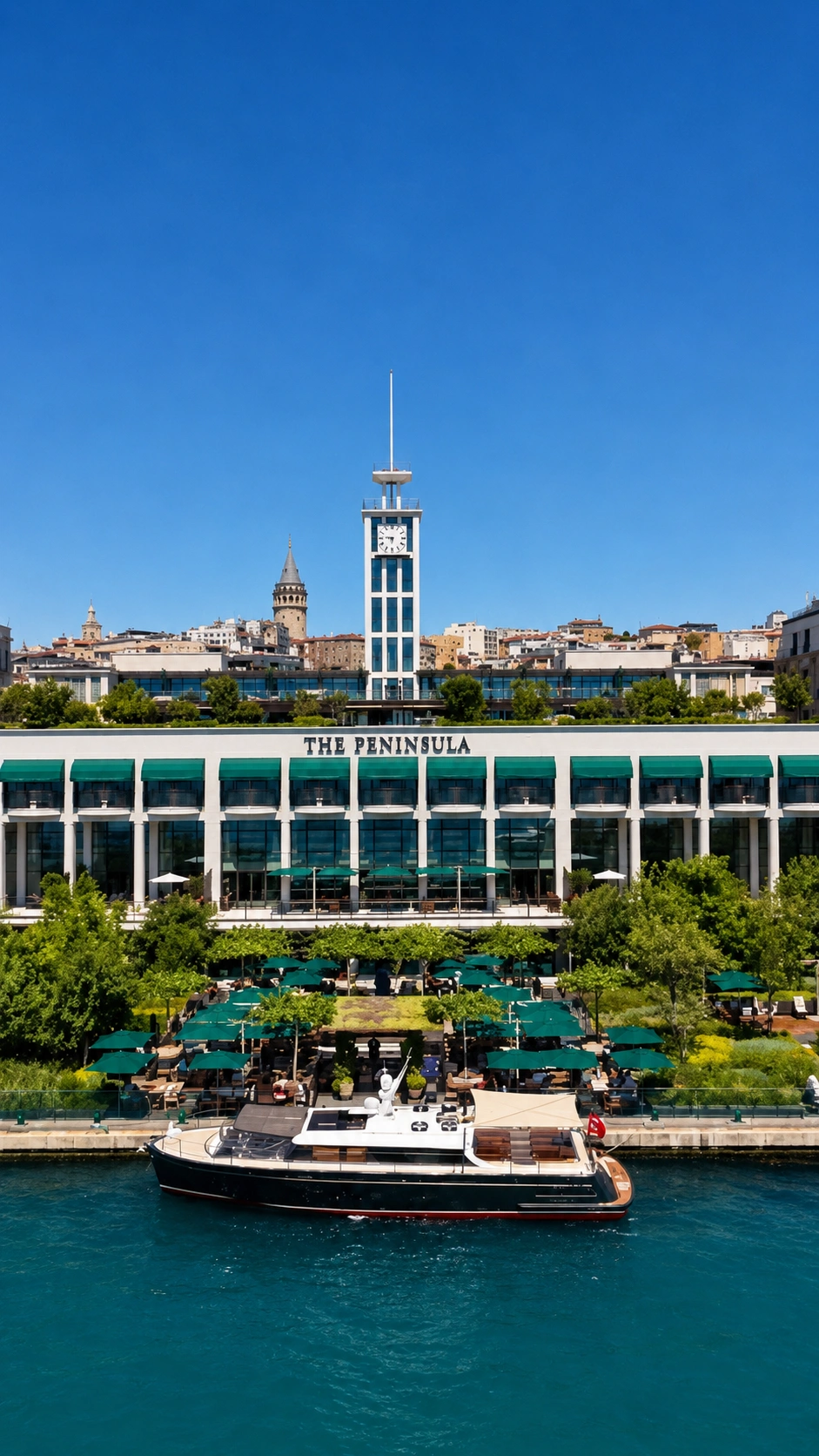
The Peninsula Istanbul stands directly on the Bosphorus waterfront, with sweeping views across the strait toward the Golden Horn and the Asian shoreline. Guests find an unusual balance here: the calm of the water on one side, and the energy of Istanbul’s skyline and maritime life on the other.
Karaköy, one of the city’s oldest neighbourhoods, wraps the hotel in centuries of history. From the front door it is a short walk to landmarks such as the historic Hagia Irene inside the Topkapı grounds, while the broader Galataport Istanbul development surrounds the property with art galleries, museums, and luxury shopping.
Waterfront promenades begin just steps away, lined with cultural events and exhibitions through the year. The surrounding streets mix stylish cafes, nightlife venues, and boutique shops, giving the area a modern urban energy that sits comfortably beside its older fabric.
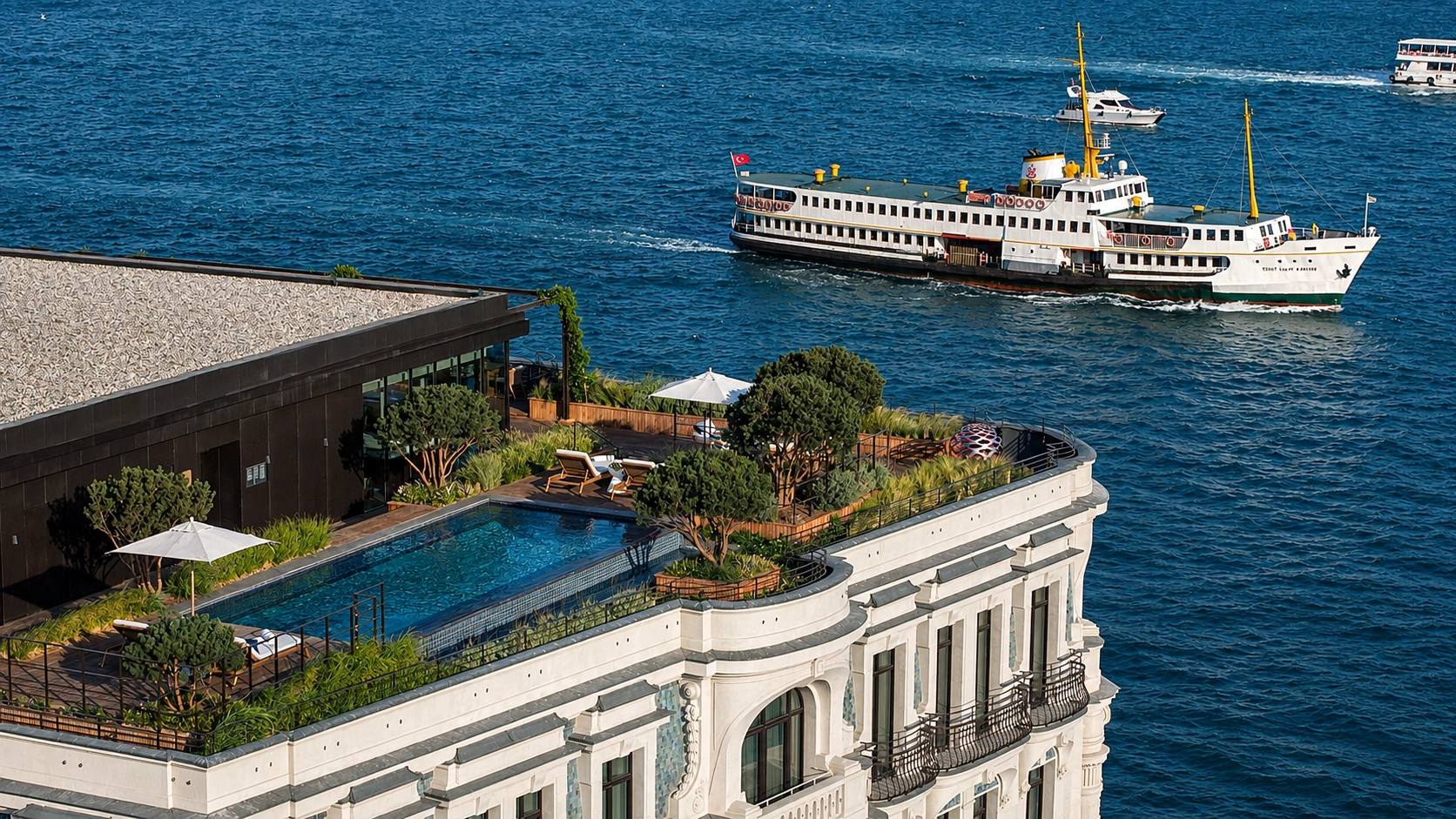
Within the property itself, the outdoor infinity pool terrace frames the ever-changing panorama of the strait. Watching ferries cross between Europe and Asia from the terrace is one of the simple pleasures of a stay here.
The neighbourhood’s Ottoman-era hans and warehouses now host contemporary galleries, so a short stroll doubles as a walk through the city’s layered past. The hotel’s gardens and terraces act as a quiet counterpoint to that bustle.
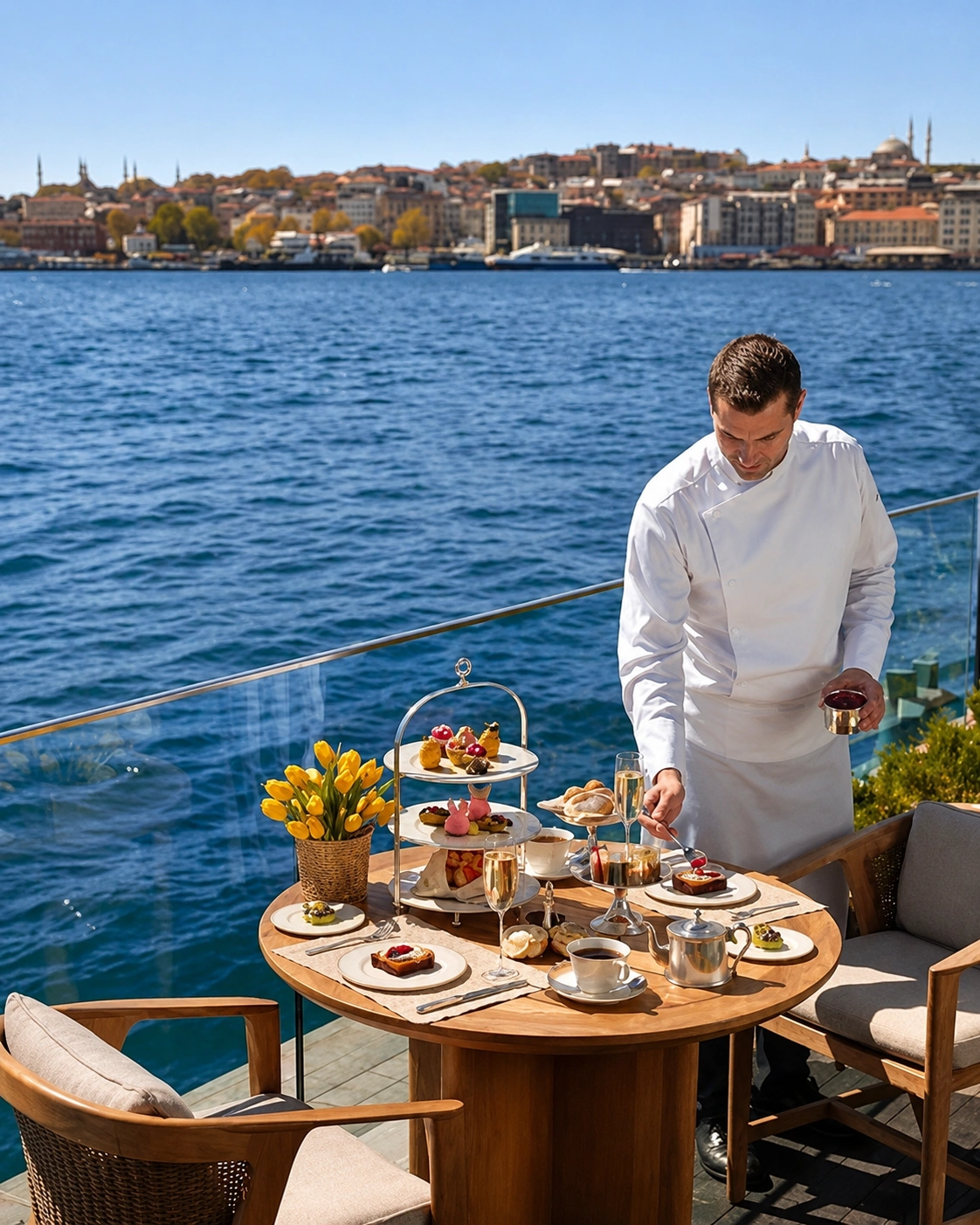
Whether you linger over tea above the water or head out along the shore, the setting makes the hotel feel like a vantage point over the whole city rather than simply a place to sleep.
Overview
As the first Peninsula Hotels property in Turkey, the hotel opened on Valentine’s Day 2023 and immediately attracted global attention, including being named “One to Watch” by The World’s 50 Best Hotels. That early recognition set the tone for what has followed.
Inside are 177 meticulously designed rooms and suites, including Bosphorus-view suites with private terraces, marble-clad bathrooms, and interactive in-room technology. Each space reflects a seamless balance of Ottoman heritage and modern luxury.
Guests wake to views of the Golden Horn or the city skyline, with personalised touches that elevate each stay. The overall effect is a hotel that feels rooted in Istanbul rather than imposed upon it.
The historic peninsula’s great sights are close at hand: the atmospheric Basilica Cistern and the other wonders of the old city can be reached in minutes, yet the hotel’s cocoon of calm makes it tempting to stay put.
Since opening, the property has drawn discerning travellers who value both heritage and innovation. It functions as a destination in its own right, not merely a base.
Whether the trip is a romantic escape, a business visit, or a cultural exploration, the hotel captures something essential about the city — its ability to hold past and present in the same frame.
Additional Context
Wellness and relaxation sit at the heart of the property. An outdoor infinity pool overlooks the Bosphorus, while the expansive spa and hammam create a genuine sanctuary within the city.
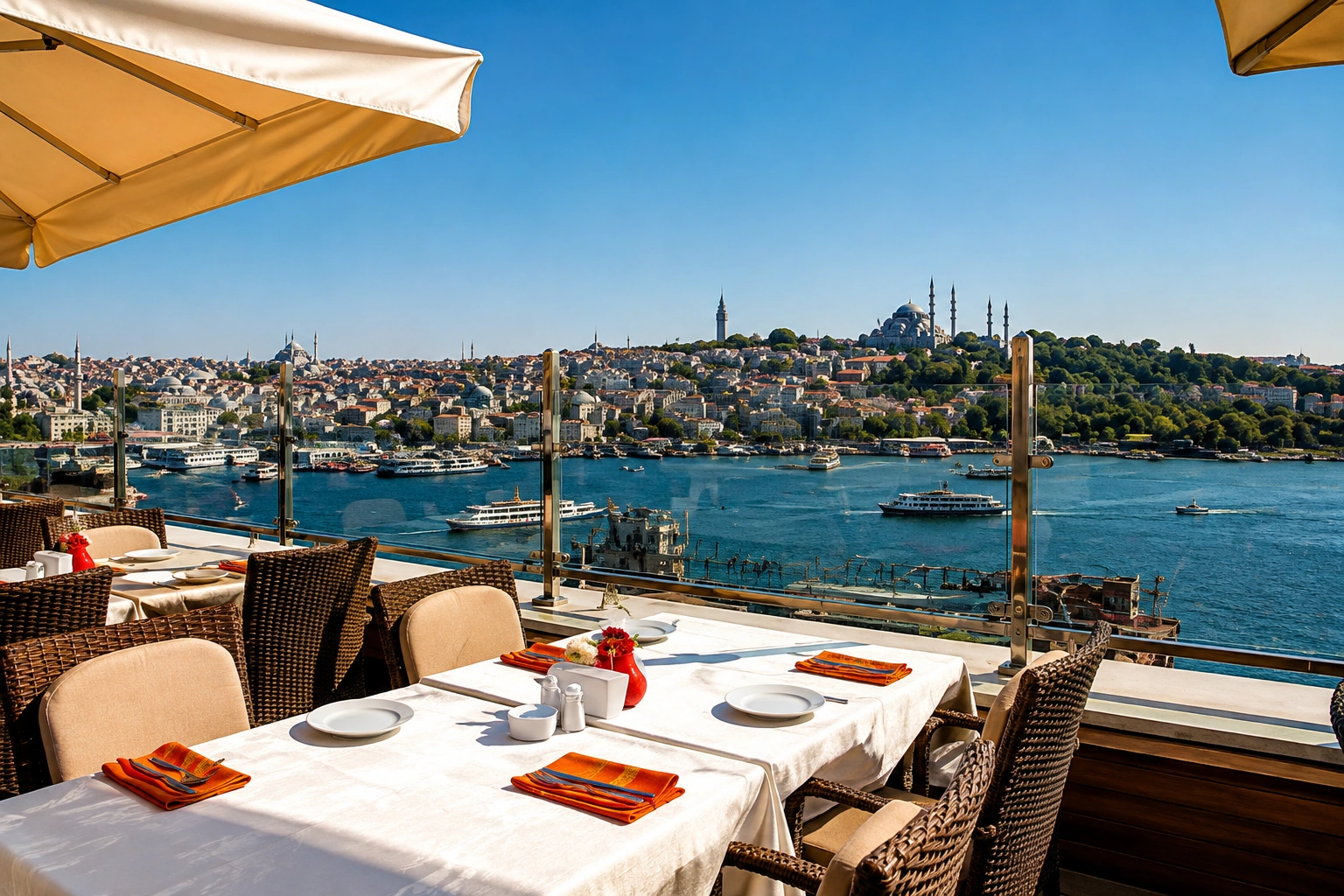
Dining is an event in itself. The rooftop restaurant serves panoramic views, Gallada introduces a distinctive Turkish-Asian fusion experience, and The Lobby provides all-day dining in a sophisticated yet welcoming atmosphere.
The hotel has quickly become a preferred address for travellers seeking elegance, innovation, and waterfront exclusivity. Guest feedback consistently praises the attentive staff, the elegant design, and the personalised touches throughout the stay.
That said, visitors do note some trade-offs: food and beverage costs run high, the Karaköy streets can feel crowded with heavy traffic, and the hotel’s waterfront wall has drawn criticism for restricting public access to the Bosphorus shoreline.
For an outing across the strait, a visit to Beylerbeyi Palace on the Asian shore makes an easy half-day excursion, showing a very different face of the city’s imperial past.
Even with those caveats, the consensus is that the experience justifies the investment. The combination of setting, design, and service has raised expectations for luxury hospitality on this stretch of the Bosphorus.
History and Origins
The Peninsula Istanbul marks the brand’s first venture into Turkey, and it chose a district steeped in maritime history. Karaköy was for centuries one of the great trading ports of the eastern Mediterranean, and that heritage provided the canvas for the new hotel.
The opening on Valentine’s Day 2023 was symbolic — a statement of affection for the city and of confidence in a new era of luxury hospitality on the Bosphorus. From the outset, the ambition was to be a gateway to Istanbul’s character rather than just another high-end address.
The site sits within reach of the old city’s greatest monuments, including the Blue Mosque across the Golden Horn, so every stay unfolds against a backdrop of layered civilisations.
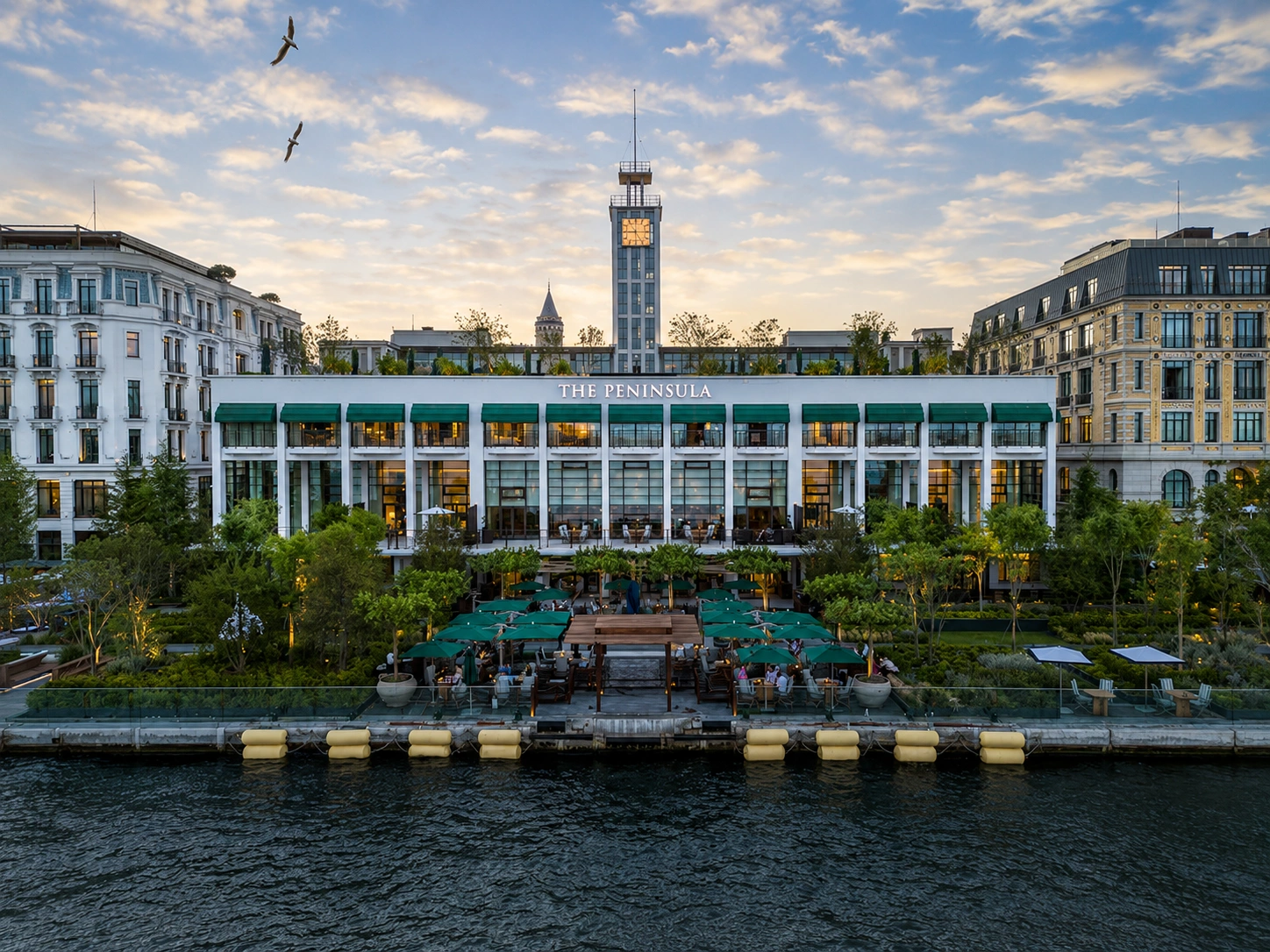
Restored heritage buildings anchor the complex, their old stone walls standing beside contemporary additions. The approach respects the architectural legacy of the neighbourhood while introducing a fully modern hotel experience.
Recognition arrived quickly. Being singled out by The World’s 50 Best Hotels in its first year confirmed that the formula — heritage setting, contemporary design, exacting service — resonated far beyond Turkey.
The property’s story is still young, but it is already bound up with the wider revival of Karaköy, a district that has re-emerged as one of Istanbul’s most creative quarters.
Architecture and Interiors
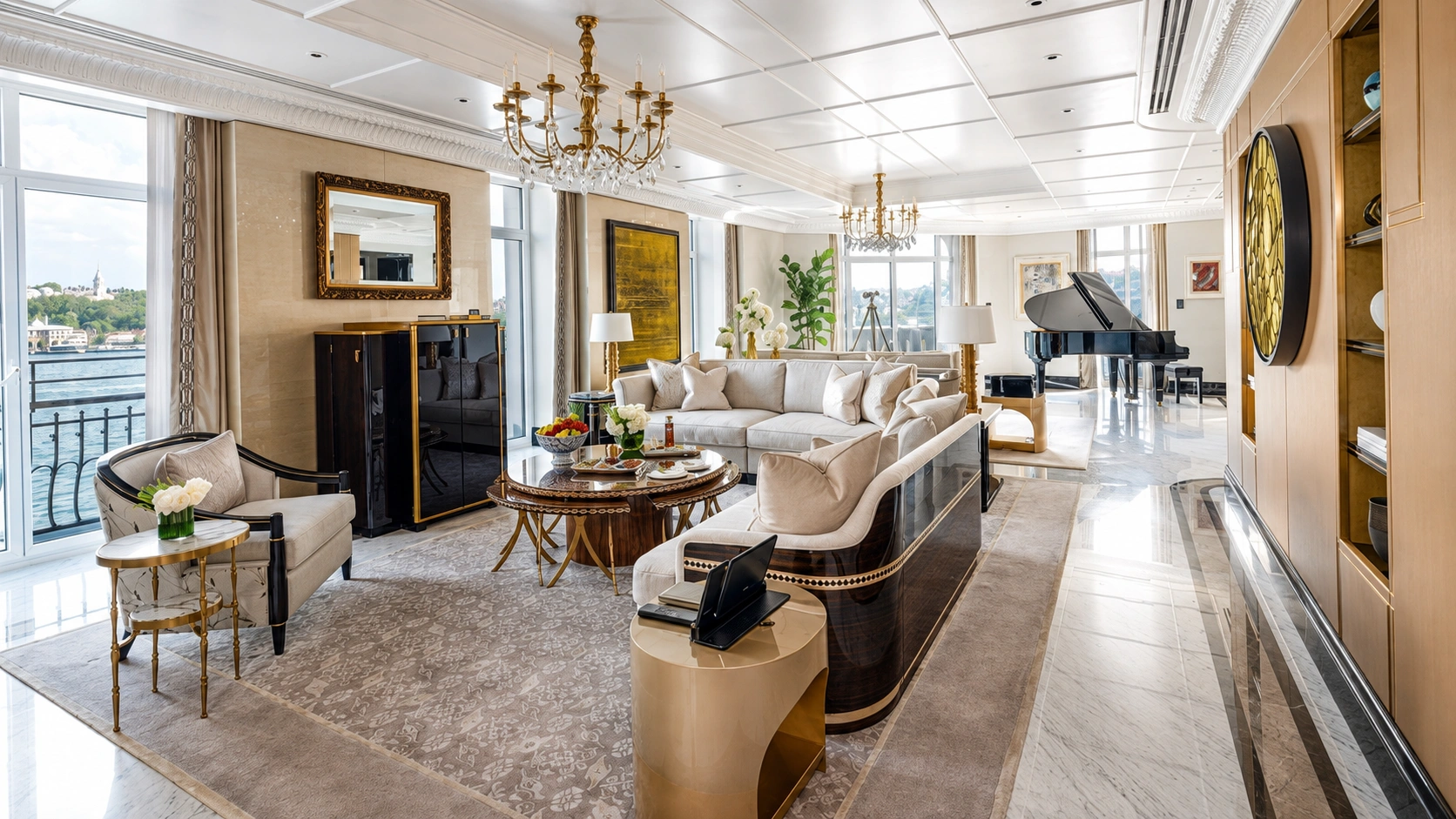
Each of the 177 rooms and suites is designed as a study in understated luxury. Bosphorus-view suites add private terraces, marble-clad bathrooms, and interactive in-room technology, while every space balances Ottoman heritage with modern comfort.
Interiors lean on Turkish-inspired detailing, custom furnishings, and generous windows that frame either the Golden Horn or the city skyline. The effect is to keep guests visually connected to Istanbul even in their most private moments.
Public spaces continue the narrative, moving from grand arrival areas to intimate corners such as the lobby café. Materials and craftsmanship carry the design story consistently from room to room.
Exploring beyond the hotel is easy to arrange; many guests prefer a car with driver in Istanbul so they can move between the historic peninsula, the bazaars, and the waterfront districts without watching the clock.
The architecture integrates with the wider Galataport Istanbul masterplan, so the hotel reads as part of a coherent new waterfront quarter rather than an isolated statement.
Taken together, the interiors amount to a portrait of the city itself: layered, cosmopolitan, and equally at ease with tradition and innovation.
Notable Residents and Events
Since its debut, the hotel has attracted an international clientele of business leaders and cultural figures drawn by its waterfront setting and discretion. Being named “One to Watch” by The World’s 50 Best Hotels placed it firmly on the global luxury map within months of opening.
The Valentine’s Day 2023 launch set the tone: a property conceived as a stage for the city’s social life as much as a place to stay. Its event spaces and waterfront terraces have since hosted private celebrations and gatherings that take full advantage of the Bosphorus backdrop.
For many guests, the arrival is part of the occasion. A smooth airport transfer into the city sets up the first reveal of the skyline and the strait before check-in.
Guests consistently highlight the attentive staff and the personalised experiences that distinguish one stay from another. The atmosphere of quiet luxury suits travellers who value privacy as much as polish.
The hotel’s rise has also focused fresh attention on Karaköy, reinforcing the neighbourhood’s status as a must-visit district rather than a pass-through between older attractions.
As its reputation consolidates, the property functions as a meeting point between global hospitality culture and the city’s own traditions of welcome.
Visiting and Practical Information
The hotel sits within the Galataport Istanbul complex, steps from museums, art galleries, and luxury shopping. Its position bridges Europe and Asia, with straightforward access to Topkapı Palace, Hagia Sophia, the Grand Bazaar, and the Galata Tower.
The Galataport Cruise Terminal is next door, making the property a natural choice for travellers arriving by sea. Ferries, trams, and city transport from Karaköy connect guests to both the European and Asian sides of the city.
On foot, the historic peninsula lies within easy reach, while a short ferry ride opens up the Asian shore. The concierge can arrange tailored itineraries and private guides for guests who want structure around their exploring.
Travellers landing at the city’s airports typically complete the journey by road, with the approach offering a first taste of Istanbul’s dramatic geography. Once settled, the neighbourhoods of Karaköy and Galata reward unhurried wandering.
Whether the visit lasts a weekend or a fortnight, the hotel works as a base from which the whole city unfolds — with the Bosphorus itself as the constant reference point.
Construction and Commission
The hotel occupies a site that once held historic port buildings in Karaköy. As part of the broader Galataport Istanbul development, those heritage structures were carefully restored and folded into the new complex rather than cleared away.
The design blends restored façades and traditional Turkish motifs with contemporary construction, so century-old masonry now sits beside clean modern lines. The intent was to honour the neighbourhood’s past while creating a confident new landmark on the strait.
Not every aspect escaped debate. The development’s waterfront wall has been criticised for limiting public access to the Bosphorus shoreline, a controversy that continues to colour discussion of the project even as the hotel itself wins praise.
Within the complex, old and new are integrated deliberately: heritage volumes carry new uses, and the contemporary sections defer to the scale of what survived. The result reads as a single composition rather than a collision of eras.
The commission reflects the wider transformation of this stretch of waterfront from working port to cultural and hospitality district. The hotel is both a product of that change and one of its most visible symbols.
For guests, the practical effect is a stay surrounded by genuine historic fabric — a reminder that in Istanbul, even the newest luxury address rests on very old foundations.