
Boukoleon Palace in Istanbul
Boukoleon Palace rises from the Marmara Sea shore, built directly onto the coastal fortifications east of the Little Hagia Sophia. As part of the Great Palace of Constantinople, the complex served Byzantine emperors as a summer residence, a venue for diplomatic receptions, and a private gateway to the imperial harbour.
Today the ruins offer an extraordinary window into the lost coastal splendour of Byzantium.
From the water's edge, the surviving masonry and columned halls hint at the scale of the vanished palace. What remains — arches, sea walls, and the recently uncovered monumental imperial staircase — quietly tells of its former importance.
Nearby, the later Ottoman layer is showcased by the Topkapi Palace, while Boukoleon evokes a deeper maritime Byzantium. The ongoing restoration is reconnecting the site with the city's heritage narrative, linking the colossal monuments of the Ottoman era with the older, fragmentary traces of the Eastern Roman Empire.
Boukoleon Palace History
The palace's history stretches back to the fifth century, when it formed part of the sprawling Great Palace complex that stretched across the historic peninsula towards the nearby Basilica Cistern.
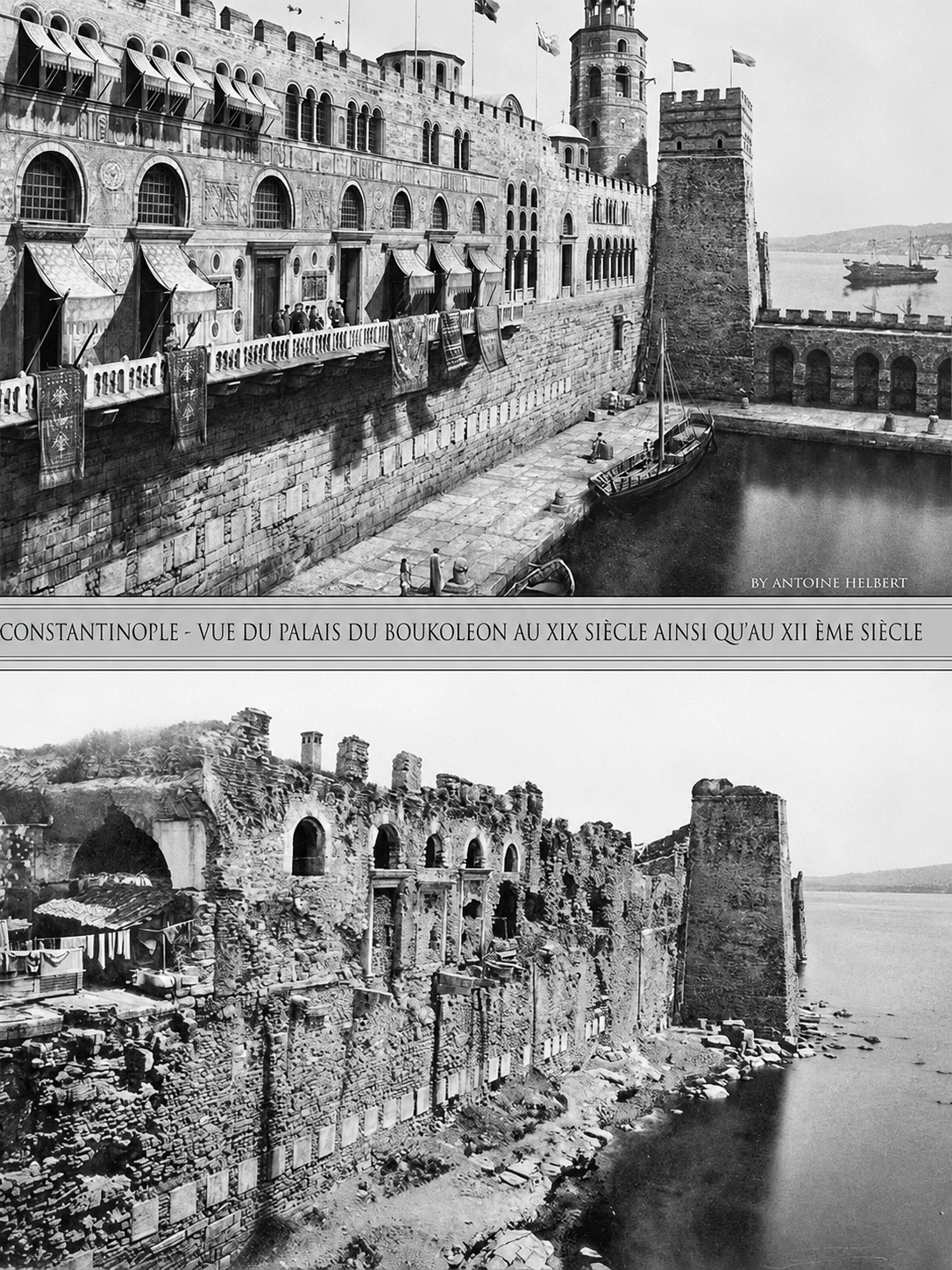
Imperial Patronage and the Latin Sack
Emperors Theodosius II, Justinian I, and Theophilos used its sea-facing halls and balconies for ceremonies, receptions, and naval departures. Its defensive strength was enhanced by Emperor Nikephoros II Phokas, who reinforced the surrounding walls, cementing Boukoleon's role as a diplomatic centre.
Foreign envoys were received in ornate halls and terraces that overlooked the harbour, giving vivid impressions of Byzantine imperial protocol. The palace also served as a seasonal retreat for empresses and aristocracy. Empress Theodora and members of the Middle Byzantine court enjoyed the seaside setting, while the grand stairways and halls symbolised the ceremonial heartbeat of the empire.
In 1204 the Latin invasion dramatically reversed its fortunes. Crusader forces looted treasures, repurposed chambers for Latin nobility, and stored gold, icons, and relics inside the palace.
After the restoration of Byzantine rule, the Palaiologos court progressively abandoned Boukoleon for the Blachernae district. Brick vaults, sections of the sea facade, and the newly uncovered monumental imperial staircase all bear witness to the palace's former scale.
Rediscovery and Modern Restoration
The palace's walls rise directly from the water, creating a seamless blend of fortification and elegance. The surviving arches and decorative masonry still evoke the sophistication of Byzantine craftsmanship.
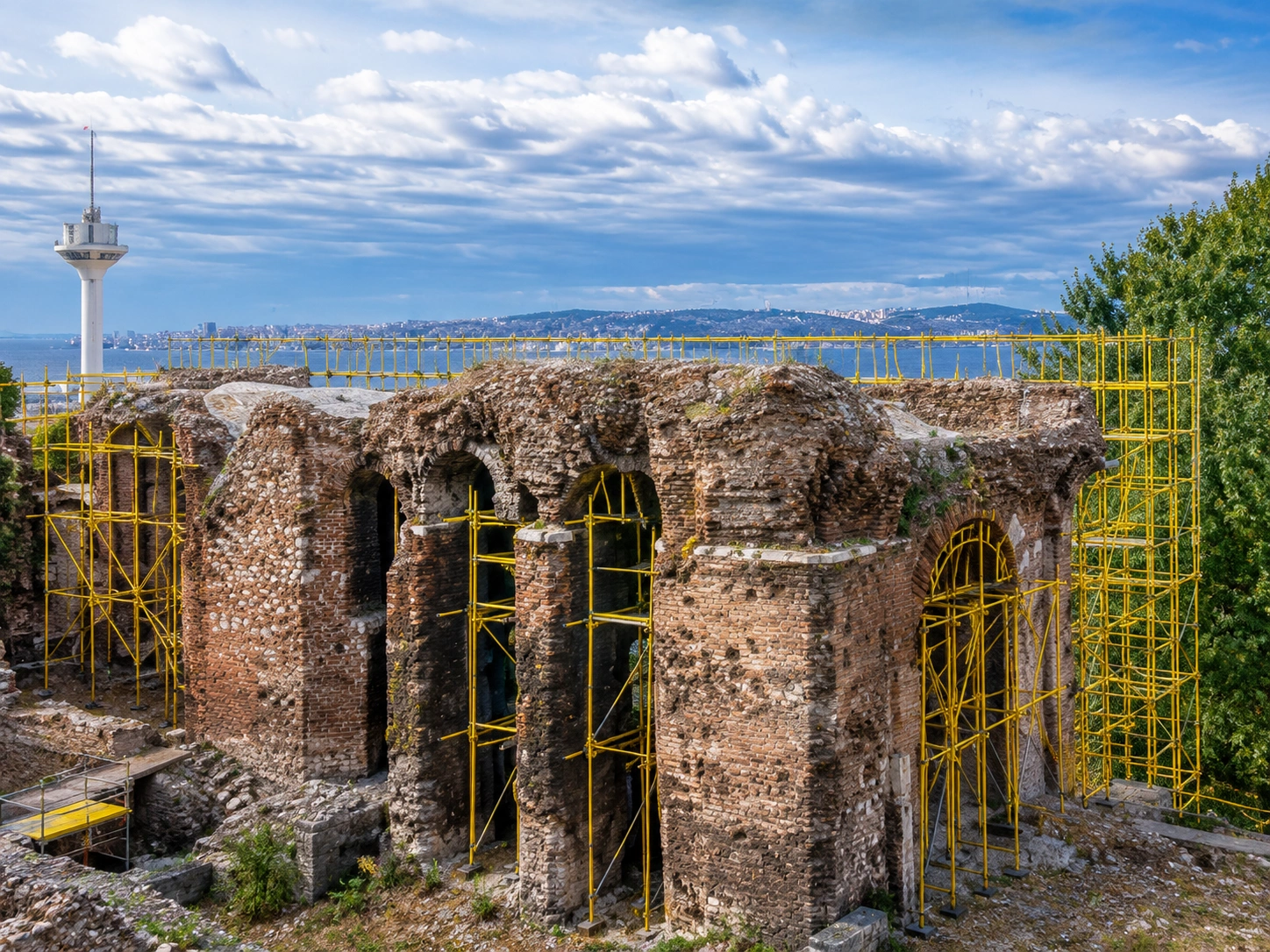
Surviving Architecture and Ongoing Restoration
For decades the ruins lay neglected, partially buried and at risk. Now a major transformation is under way.
Visitors can nonetheless view the ruins from the outside and along the Marmara shore, where the silhouette of the sea walls and the exposed brickwork are most dramatic. Information panels, where present, help interpret the surviving structures.
The restoration is reconnecting the site with the city's heritage narrative, linking the colossal monuments of the Ottoman era with the older, fragmentary traces of the Eastern Roman Empire. The palace's shoreline setting encourages visitors to imagine the missing grandeur of the Byzantine capital.
For those looking for a comfortable base, the best Sultanahmet hotels are within walking distance, allowing easy exploration of this and other historic sites.
An Imperial Seaside Residence
Boukoleon was more than a residence; its sea-facing halls and balconies were stages for imperial ceremony, and empresses sought the sea breezes here during summer.
A Palace of Ceremony and Retreat
The imperial harbour below the terraces received ships carrying emperors, diplomats, and goods, defining Constantinople's maritime character.
Today, the surviving masonry and columned halls hint at the vanished splendour, while the recently uncovered monumental imperial staircase adds a new dimension to the site.
The Palace Today
It is a short walk from the historic peninsula's main cluster of monuments, including the Blue Mosque. Combining a visit here with a stroll along the Marmara shore offers a glimpse of Byzantine Constantinople.
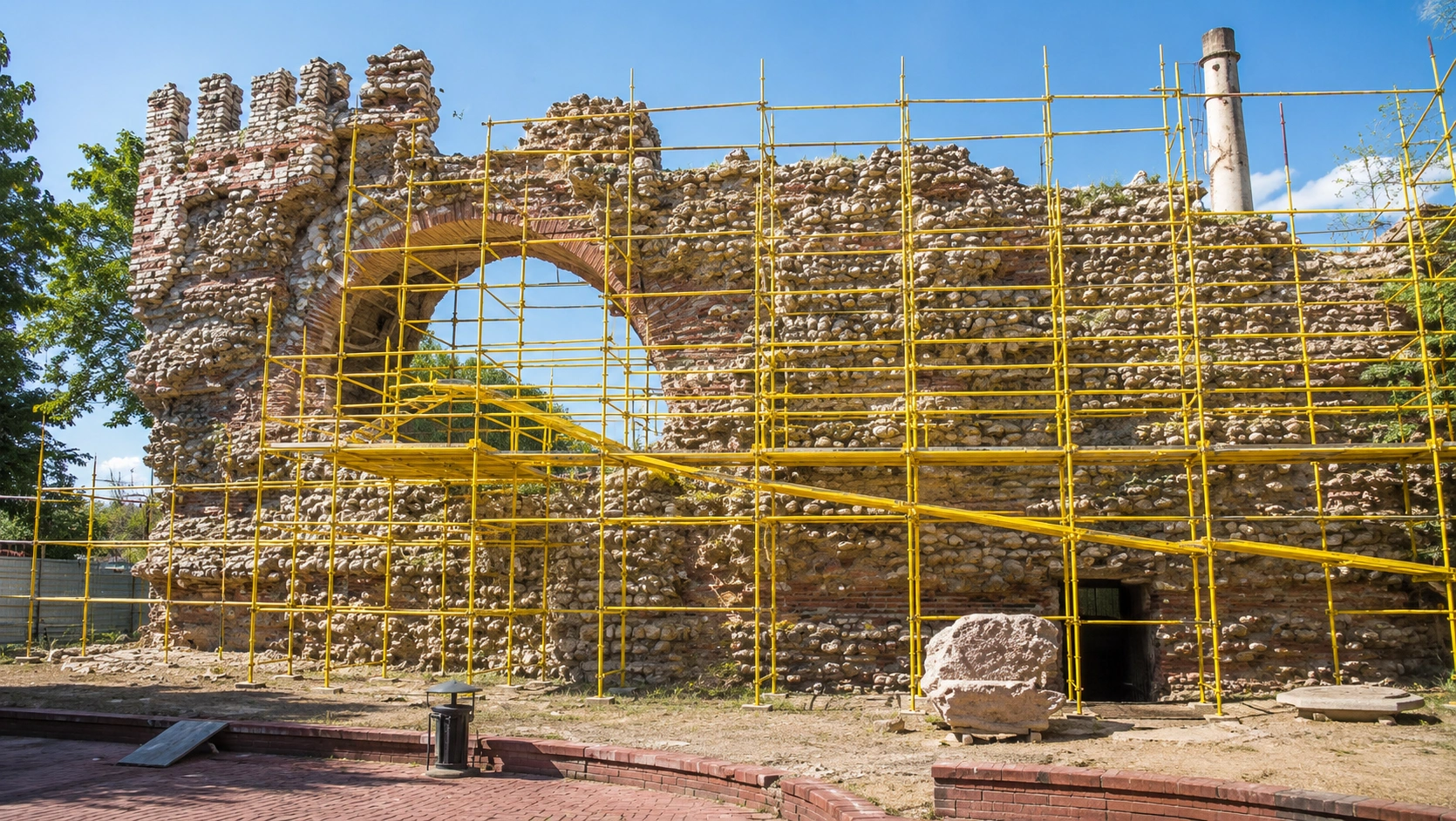
Getting There and Planning Your Visit
The palace stands east of the Little Hagia Sophia, along the coastal road that links Sultanahmet with the Kumkapı neighbourhood, making it easy to combine a waterfront stroll with visits to other major sites.
Location and Access
From the shore path, the remains of the imperial landing stages and the arched openings that once gave onto the sea are clearly visible.
Reaching the site is straightforward from the Sultanahmet area. The coastal road (Kennedy Caddesi) runs directly past the palace, and public buses and trams stop nearby at Cankurtaran and Kumkapı.
Transportation
While the site awaits full opening, the best way to experience Boukoleon is on foot, wandering the seaside promenade and looking up at the ancient walls. For those interested in Byzantine history, combining a visit here with the nearby Little Hagia Sophia and the remains of the Great Palace offers a compelling morning of exploration.
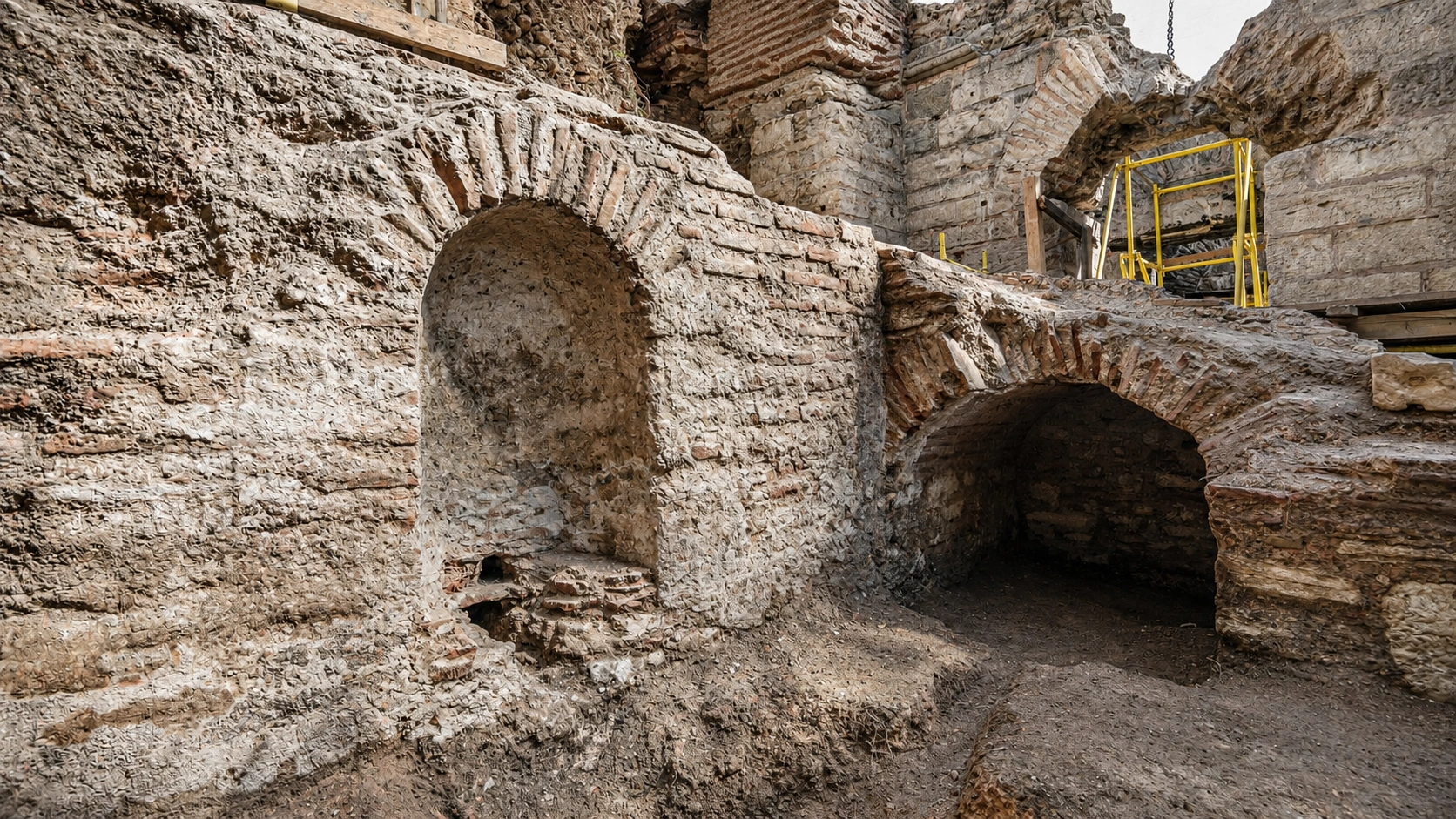
Visiting Boukoleon Palace — Practical Context
Currently Boukoleon Palace is not yet fully open to the public, and conservation work is ongoing. For now, visitors can view the ruins from the outside and along the seaside promenade, where the silhouette of the sea walls and exposed brickwork are most dramatic.
What to Expect
The palace is easily reached on foot from Sultanahmet. The coastal road offers views of the sea walls, and information panels help interpret the surviving structures.
For those who prefer a comfortable ride, a private Car With Driver in Istanbul allows you to explore multiple sites without worrying about public transport schedules.
Getting Around
An airport transfer from Istanbul Airport or Sabiha Gökçen can bring you directly to the historic peninsula, ensuring a smooth start to your visit.
Combining Boukoleon with nearby historic sites, such as the Little Hagia Sophia and the Blue Mosque, makes for a rich half-day excursion.
Frequently Asked Questions
Where is Boukoleon Palace in Istanbul?
It stands on the Marmara Sea shore, east of the Little Hagia Sophia, built directly onto the coastal fortifications. The site lies along Kennedy Caddesi, within walking distance of the Sultanahmet historic core.
What remains of Boukoleon Palace today?
Surviving elements include monumental arches, stretches of sea wall, decorative brickwork, hidden corridors, columned halls, and the recently rediscovered imperial staircase.
Why is Boukoleon Palace historically important?
As part of the Great Palace of Constantinople, it represented imperial authority and aristocratic culture, hosting diplomatic meetings and serving as a summer residence for emperors such as Theodosius II, Justinian I, and Theophilos. Its dramatic history, including the 1204 Latin sack, makes it a key witness to Byzantine political and military history.
Can visitors currently enter Boukoleon Palace?
Not yet. For now, the ruins can be viewed from the outside and along the seaside promenade.
What nearby historic sites are close to Boukoleon Palace?
The Little Hagia Sophia stands immediately to the west, and the remains of the Great Palace of Constantinople lie nearby. The Ottoman monuments of Sultanahmet, such as the Blue Mosque and Topkapi Palace, are within a short walk.
Car with driver — or airport transfer when you arrive
A private car with driver keeps multi-stop heritage days simple. Airport transfer is available when you need luggage-friendly arrival to the peninsula.