
Istanbul · eat standing · 2026
The city’s best cheap meals are often one hand, one napkin, one ferry ride away — a sesame ring on the quay, grilled fish in bread at Eminönü, a lemon-cut stuffed mussel, a wet burger after İstiklal, a loaded potato in Ortaköy.
This is an Istanbul street-food page first. Turkey’s regional plates still appear, but as specialist shops you can find in the city, not as if every cart sells büryan. For a sit-down list use best Istanbul restaurants. For boxed sweets after the Spice Bazaar see Turkish delight.
Cab Istanbul is airport transfer and a car with driver between hotels and scattered food districts — IST and SAW included. Drivers are not food guides. Bookings, tastings, vendor discounts and hygiene guarantees are not part of a car hire.
Quick guide
Must-try street food in Istanbul
| Food | What it is | Where to try in Istanbul | Best time | Typical style |
|---|---|---|---|---|
| Simit | Sesame bread ring | Any quay, bakery, metro mouth | Breakfast | Cart or fırın |
| Balık ekmek | Grilled fish in bread | Eminönü boats, Karaköy shore | Lunch | Boat / grill kiosk |
| Midye dolma | Rice-stuffed mussel + lemon | Beyoğlu, Kadıköy, Beşiktaş | Evening | Tray vendor |
| Midye tava | Battered fried mussels | Waterfronts, fish streets | Lunch–night | Sandwich or plate + tarator |
| Kokoreç | Chopped grilled intestine | Taksim, Kadıköy, Beşiktaş | Late | Ekmek or porsiyon |
| Döner / dürüm | Vertical spit meat | Citywide; Hatay-style shops | Anytime | Bread, wrap, plate |
| Islak hamburger | Small steamed sauced burger | Taksim / Sıraselviler | Late night | Tiny counter |
| Kumpir | Baked potato + toppings | Ortaköy row, also parks | Afternoon | Stall |
| Nohutlu / tavuklu pilav | Rice, chickpeas, optional chicken | Pilavcı shops + carts | Lunch | Box + ayran |
| Köfte ekmek | Meatball sandwich | Çarşı streets | Lunch | Bread + greens |
| Lahmacun | Thin minced-meat flatbread | Ocakbaşı / fast pide shops | Lunch–dinner | Rolled with onion |
| Tantuni | Finely chopped sac meat | Mersin-style shops citywide | Lunch–night | Lavaş or half loaf |
| Börek / gözleme | Filled pastry | Bakeries, some carts | Morning | Cheese, spinach, minced meat |
| Çiğ köfte dürüm | Spiced bulgur wrap | Chains + stalls | Anytime | Street version is meatless |
| Kestane / mısır | Roast chestnut / corn | İstiklal, squares | Seasonal | Cart |
| Lokma / dondurma | Syrup fritters / stretchy ice cream | Squares, tourist streets | Afternoon | Street sweet |
Clips are mood, not a price list and not proof that a stall is licensed this week.
Istanbul “street food” is a habit more than a cart type. The same döner can come from a window, a basement dönerci or a sit-down shop. Bakeries sell simit; Vefa sells boza at a counter; baklava lives behind glass. If you only hunt sidewalks you miss half the city’s fast eating.
Istanbul core
The eats that actually belong to the street
Simit is the daily ring — sesame, chew, tea. Calling it a “Turkish bagel” is a tourist shortcut, not an exact twin. Buy from a busy bakery if you want a hotter crust than the last cart of the afternoon.
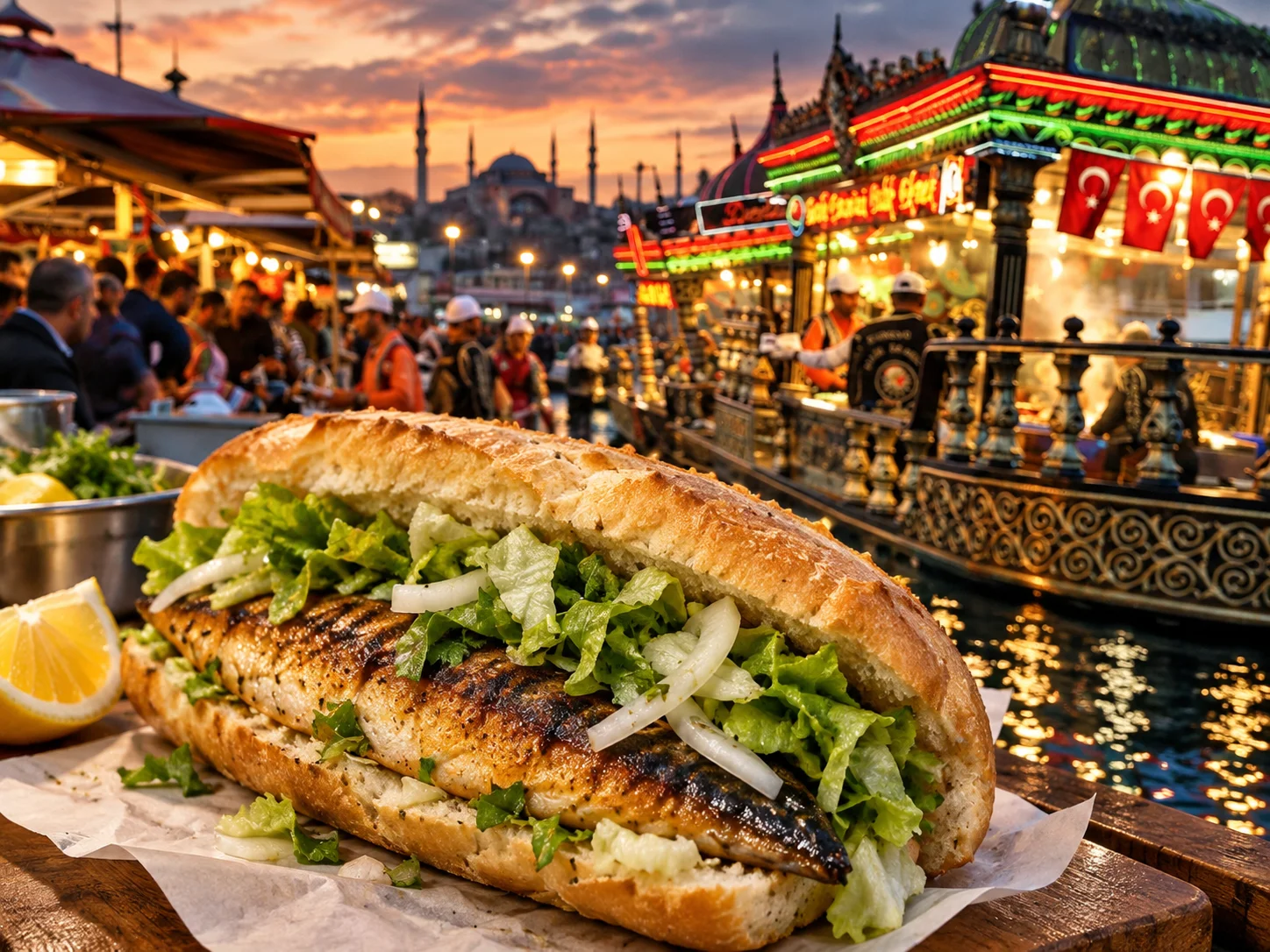
Balık ekmek at Eminönü is still a working waterfront habit: remaining historic-style boats and nearby grills. The fish on those boats is typically imported frozen mackerel, not a daily rotation of bonito and anchovy. Karaköy and the Golden Horn shores sell versions too. Do not treat one boat as “the best.” Under the Galata Bridge restaurants you are in a different, sit-down economy.
Midye dolma is the piece Istanbul visitors skip in old lists and should not. Each shell holds spiced rice; you pay by the piece and finish with lemon. Choose a vendor whose tray turns over. Shellfish left warm in the sun is the risk — that is storage, not a city-wide ban.
Midye tava is not “roasted mussel innards.” It is battered, fried mussel meat, as a sandwich or a portion, usually with a garlic–walnut tarator. Same family as dolma only in the animal.
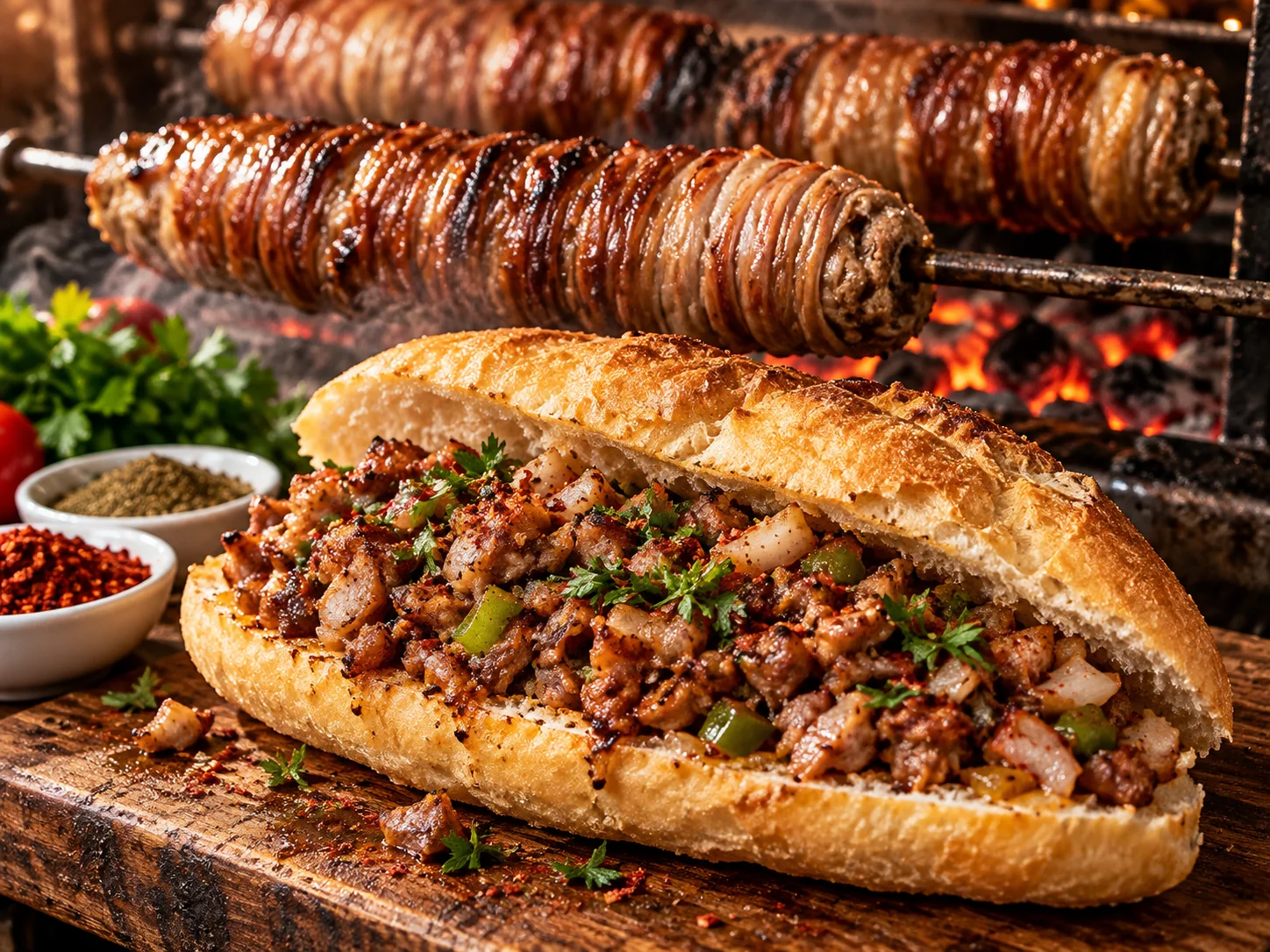
Kokoreç is an offal classic, not a controversy caption. Ask for ekmek arası or a plate; spice levels vary. A packed late-night grill on İstiklal or in Kadıköy is the practical test. Şampiyon Kokoreç on Sahne Sokak off İstiklal is a known Taksim-area shop — confirm the day’s hours; it is a brand, not the only legal grill.
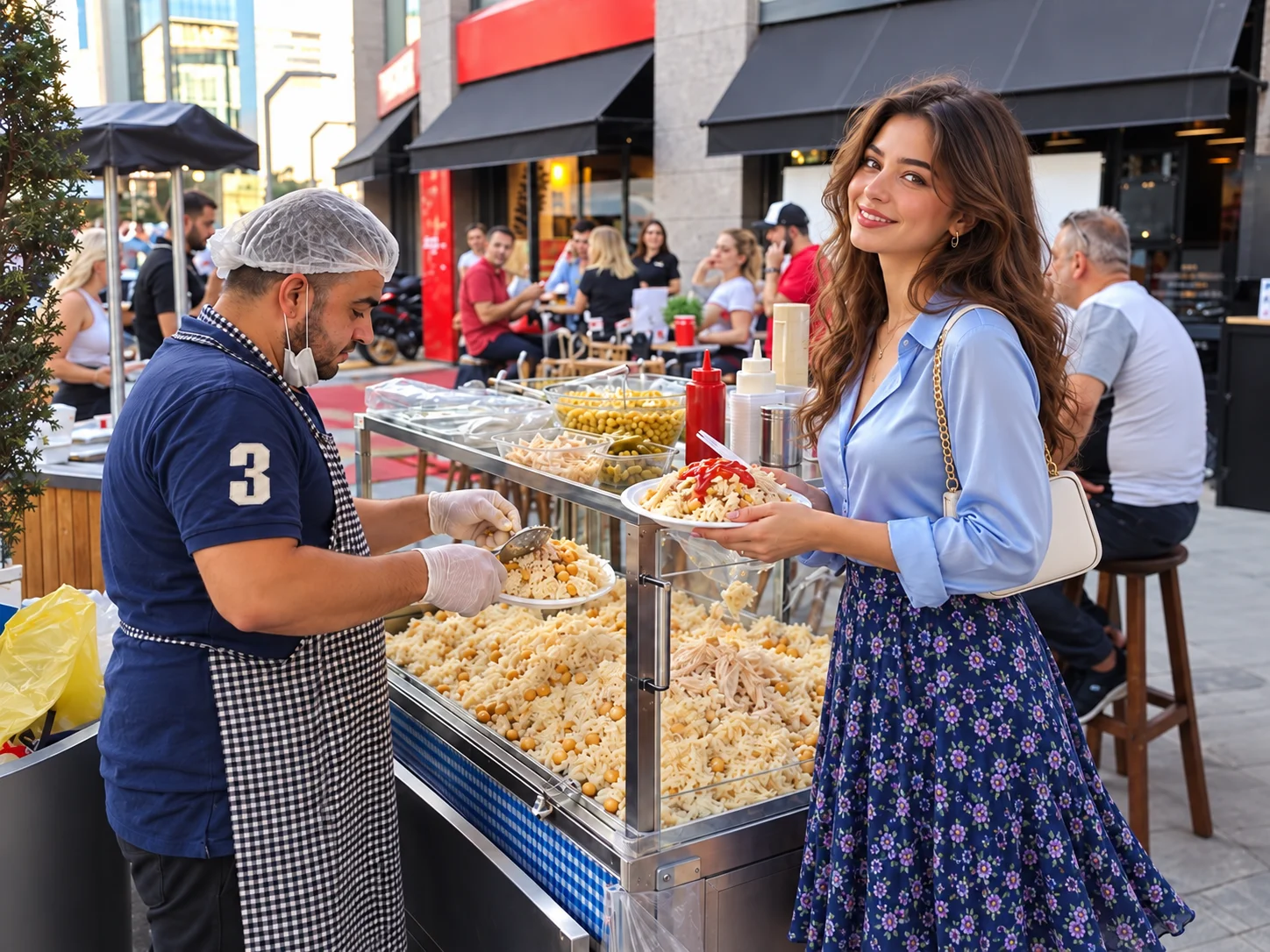
Pilav is Istanbul lunch more than folklore. Chickpeas are the cheap add-on; chicken is the usual upgrade. Unkapanı is not “Turkey’s premier destination” as a locked slogan. Tarihi Unkapanı Pilavcısı is one active brand with several shops (Beşiktaş among them). Other pilavcıs exist. Eat where the rice is hot and the queue is local.
Islak hamburger is a Taksim late-night object: a small patty in a bun steamed with tomato–garlic sauce until the bread goes wet. Kızılkayalar on Sıraselviler Caddesi 2/C is the shop most visitors mean — a tiny counter, not a dining room. Hours run late; check the day you go. It is not the only wet burger in Beyoğlu.
Kumpir is a split baked potato mashed with butter and kaşar, then loaded. Ortaköy is one of Istanbul’s best-known stall rows — not a certified “finest.” Waffles share that square; they are a tourist habit, not Ottoman street law.
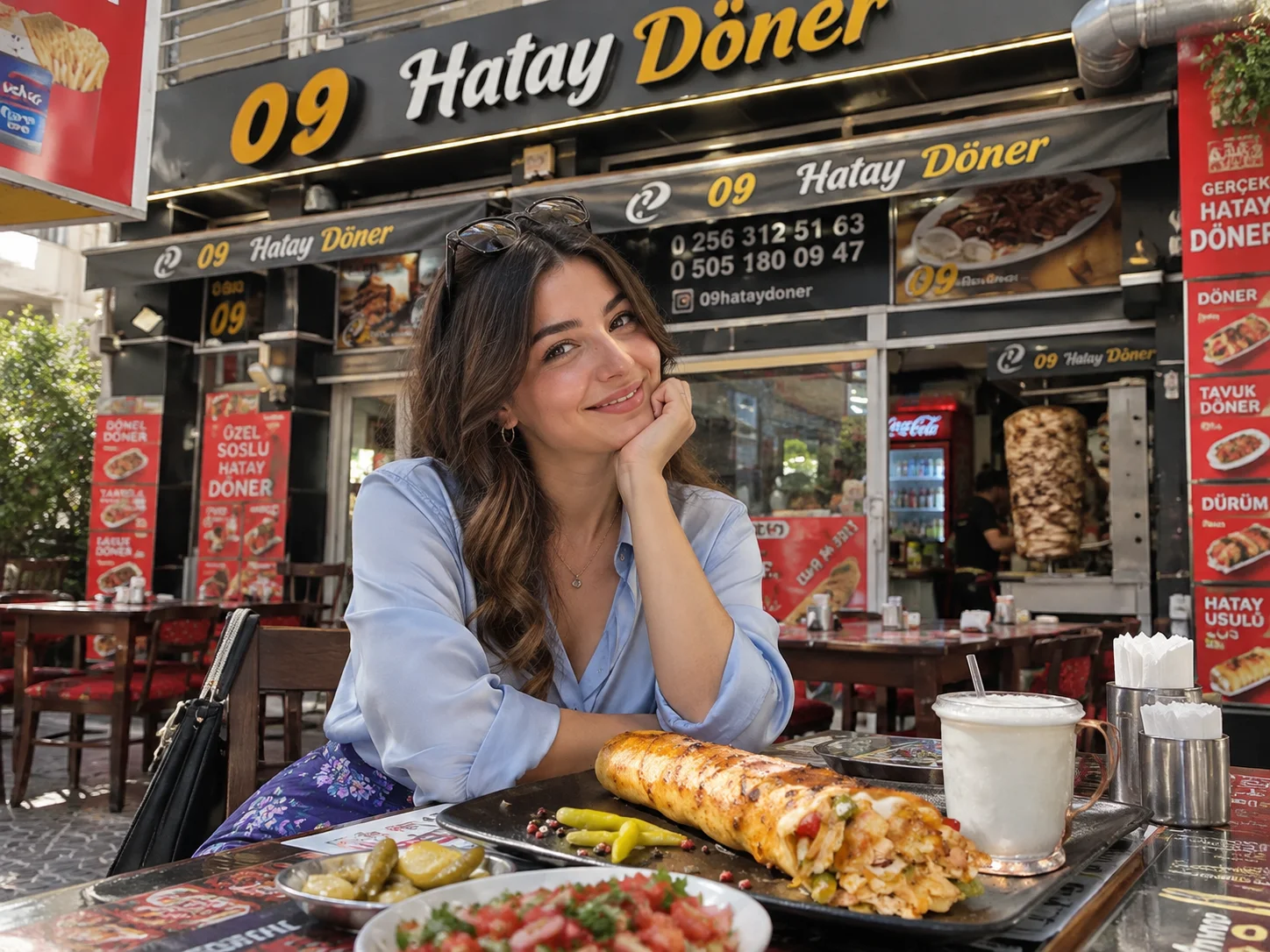
Plain döner is still the vertical spit: beef, mixed, or chicken; ekmek, dürüm or porsiyon. Hatay-style shops add fried potato, pickle, tomato sauce and often garlic mayonnaise in a thin wrap. That is an Istanbul-adapted fast format, not a lecture on Antakya versus İskenderun. For a sit-down Hatay table see Hatay Medeniyet restaurant — a restaurant, not a cart.
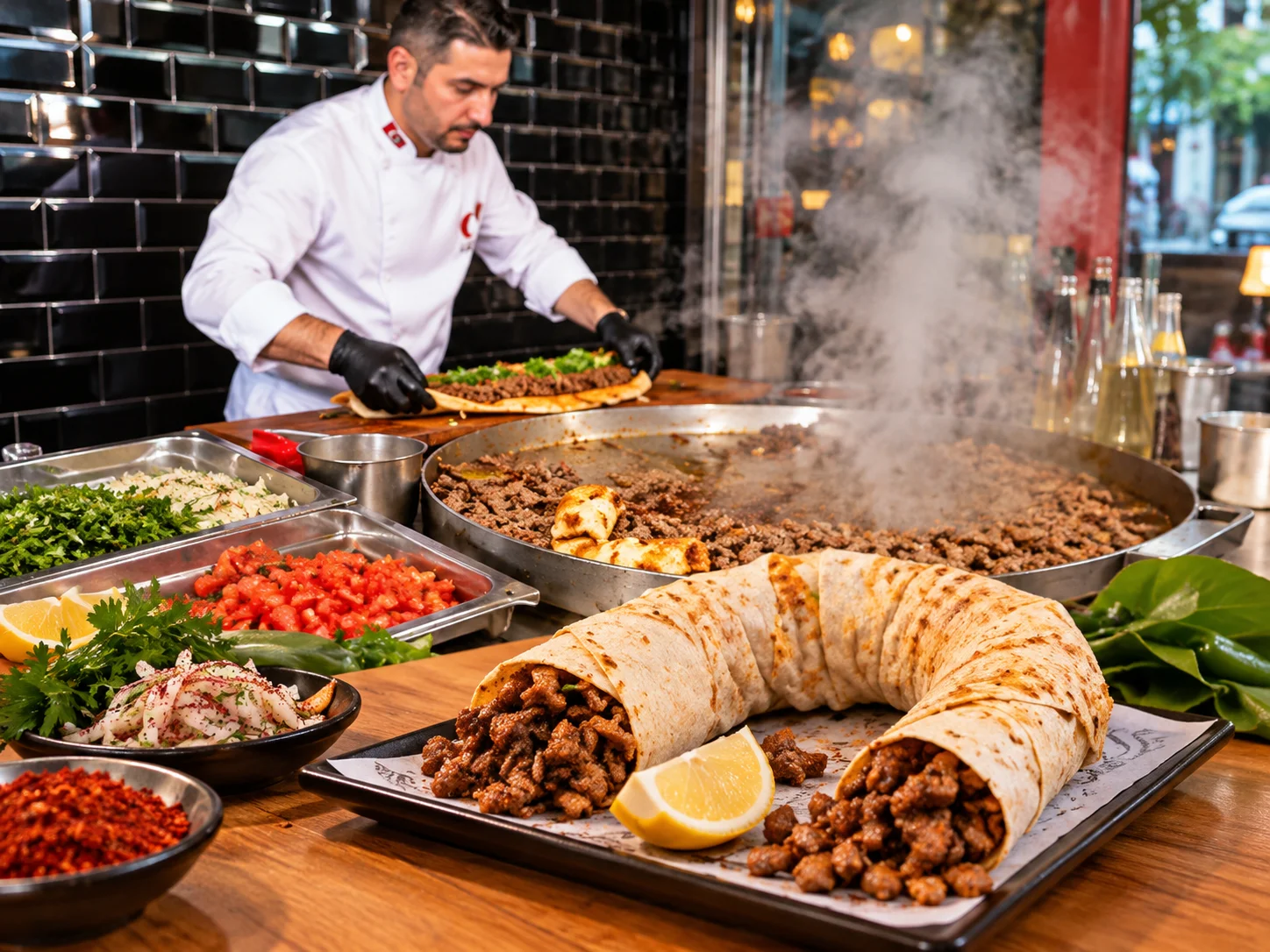
Tantuni stays on the sac: small pieces of beef or lamb, onion, tomato, parsley, sumac or pepper. Lavash or a short loaf. Recipes shift by shop; do not freeze one “authentic gram.”
Lahmacun and kebab dürüm are usually ocakbaşı or pide windows, not roaming carts. Roll lahmacun with onion and lemon. Çiğ köfte on the street today is etsiz — bulgur, isot, spices — because commercial rules and practice pushed raw meat out of the wrap. A lettuce–lemon–pomegranate-molasses dürüm is the street recommendation. Do not hunt raw-meat street çiğ köfte.
Chestnuts belong to cold months; corn is year-round, boiled in a cup or roasted on the cob. Ayvalık toast is a stuffed toasted sandwich you will see citywide — an Aegean export, not an Istanbul invention.
Neighborhoods
Where to eat street food in Istanbul
| Area | What to try | Atmosphere | Best time |
|---|---|---|---|
| Eminönü | Balık ekmek, simit, corn, chestnuts, sweets near the Spice Bazaar | Ferry crush | Late morning–afternoon |
| Karaköy | Fish bread nearby, baklava shops, modern counters | Water + offices | Afternoon |
| Taksim / İstiklal | Islak burger, döner, kokoreç, kestane, late windows | Night pedestrian | Evening–late |
| Beşiktaş | Pilav, döner, çarşı snacks; breakfast is mostly indoor | Local rush | Lunch, match days |
| Ortaköy | Kumpir, waffle, square snacks | Tourist waterfront | Afternoon–evening |
| Kadıköy | Kokoreç, mussels, pickle shops, bakeries, döner | Market town | Anytime |
| Fatih / around the bazaars | Büryan specialists, pilav, börek, boza in Vefa | Old-city errands | Lunch |
| Balat | Cafés more than carts; some mussels and bakeries | Photo streets | Morning |
| Üsküdar | Simit on the ferry pier, modest döner, tea | Asian commute | Breakfast |
İstiklal Street is late-night fuel, not a tasting menu. Eminönü pairs naturally with the Spice Bazaar — lokum and spices are shop goods, not street grills. The Grand Bazaar is shopping first; eat on the edges, not from a “secret court” promise.
Regional, in Istanbul
Regional Turkish flavors you can find in Istanbul
These plates keep the old nationwide scope. Most are specialist restaurants or fast-casual rooms, not carts that appear on every corner.
| Regional dish | Origin | What it is | Where it fits in Istanbul |
|---|---|---|---|
| Siirt büryan | Siirt (GI); Bitlis also GI | Pit / tandoor meat | Fatih-area buryancı shops |
| Cağ kebabı | Oltu, Erzurum (GI) | Horizontal spit lamb | Named cağ houses |
| Ciğer kebabı | Southeast (shared culture) | Liver skewers | Breakfast / late ciğerci |
| Şırdan | Adana | Stuffed sheep abomasum | Adana-style shops |
| Adana kebab | Adana | Hand-minced hot kebab | Ocakbaşı |
| İnegöl köfte | Bursa / İnegöl | Grilled meatballs | Köfteci chains |
| Edirne tava ciğeri | Edirne | Thin fried liver | Specialist fry shops |
| İçli köfte | Adana–Hatay–Antep belt | Bulgur shell, meat core | Shop / home style |
| Etli ekmek | Konya | Long meat pide | Konya pide salons |
| Tokat kebabı | Tokat | Bone-in lamb kebab | Rare specialists |
| Van breakfast | Van | Spread with otlu peynir | Kahvaltı evi, not a cart |
| Kumru / boyoz | İzmir | Stuffed bun / oily pastry | Izmir bakeries in town |
| Hatay döner | Hatay / İskenderun style | Sauced wrap + potato | Fast döner windows |
Kebab footage is not a booking and not a proof of wood fire.
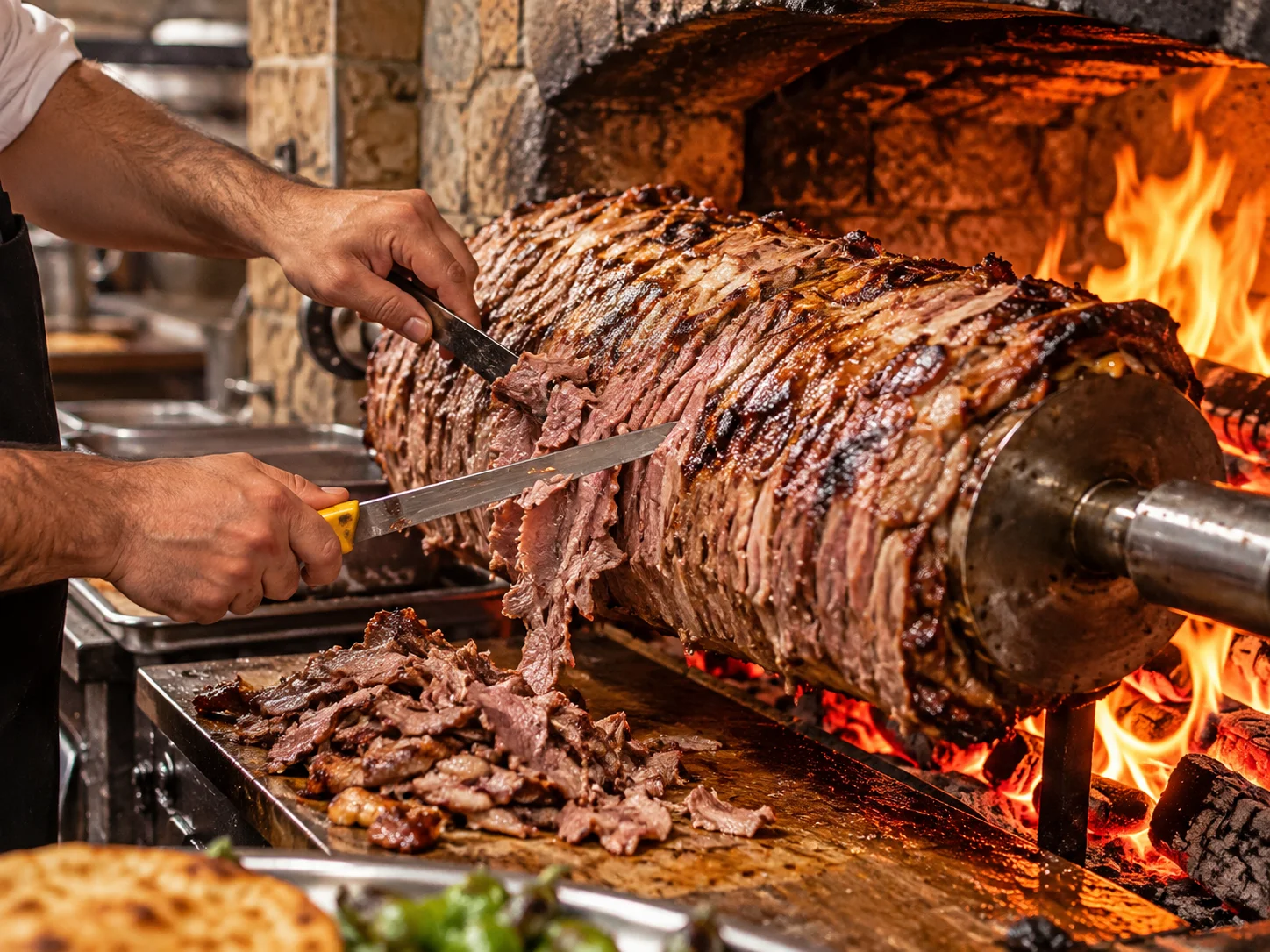
Büryan is pit-roasted meat. Türk Patent lists Siirt Büryan Kebabı as a mahreç mark; Bitlis later registered its own büryan mark. Istanbul shops usually write Siirt. Lamb is the common Siirt telling; goat appears in Bitlis talk. Do not referee the two cities. Eat it in a buryancı, often in Fatih, with bread and a sharp pickle — not from a simit cart.
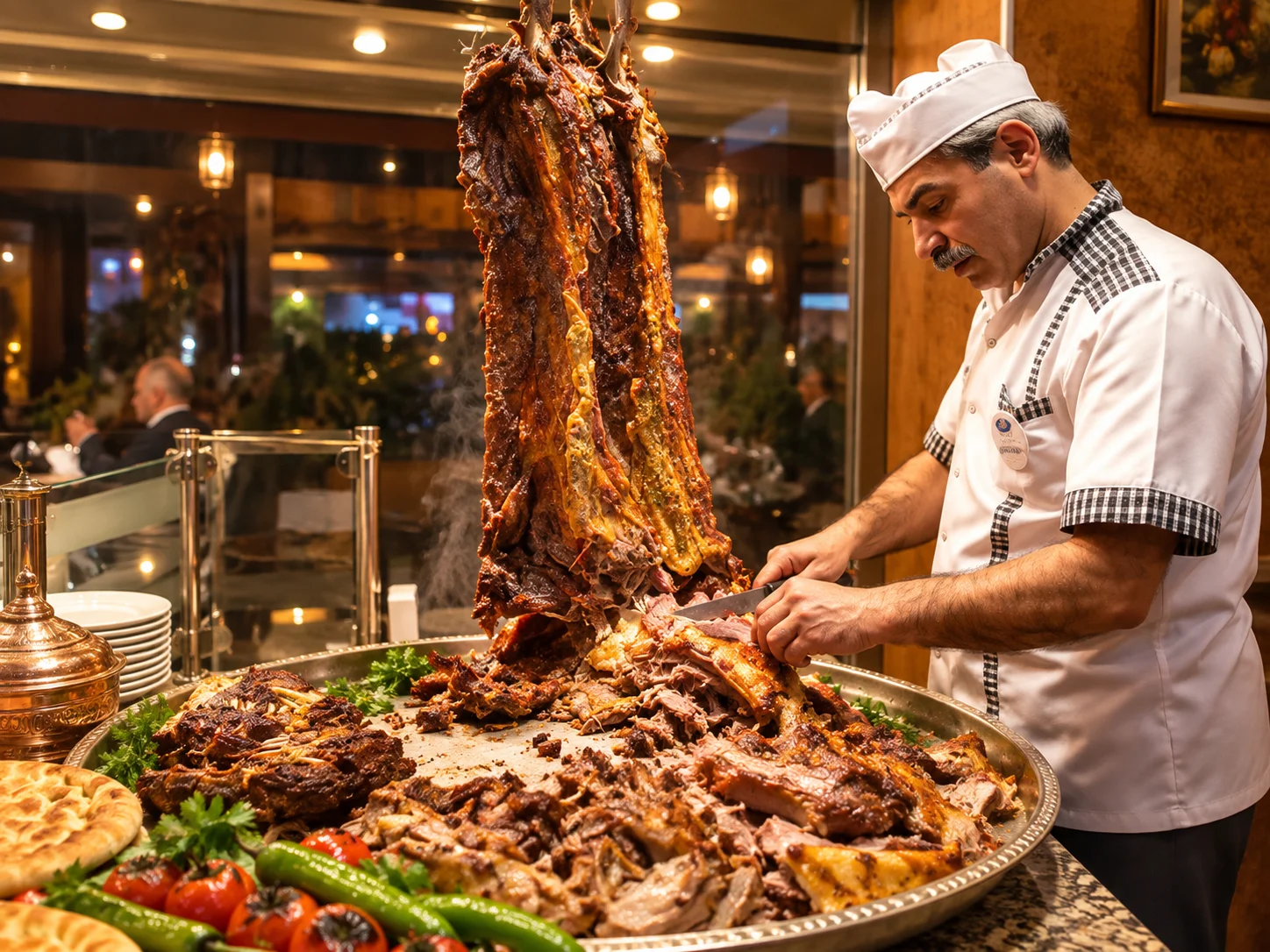
After büryan, the next southeast plate people hunt in Istanbul is liver — a different animal, a different clock, still a shop rather than a cart.
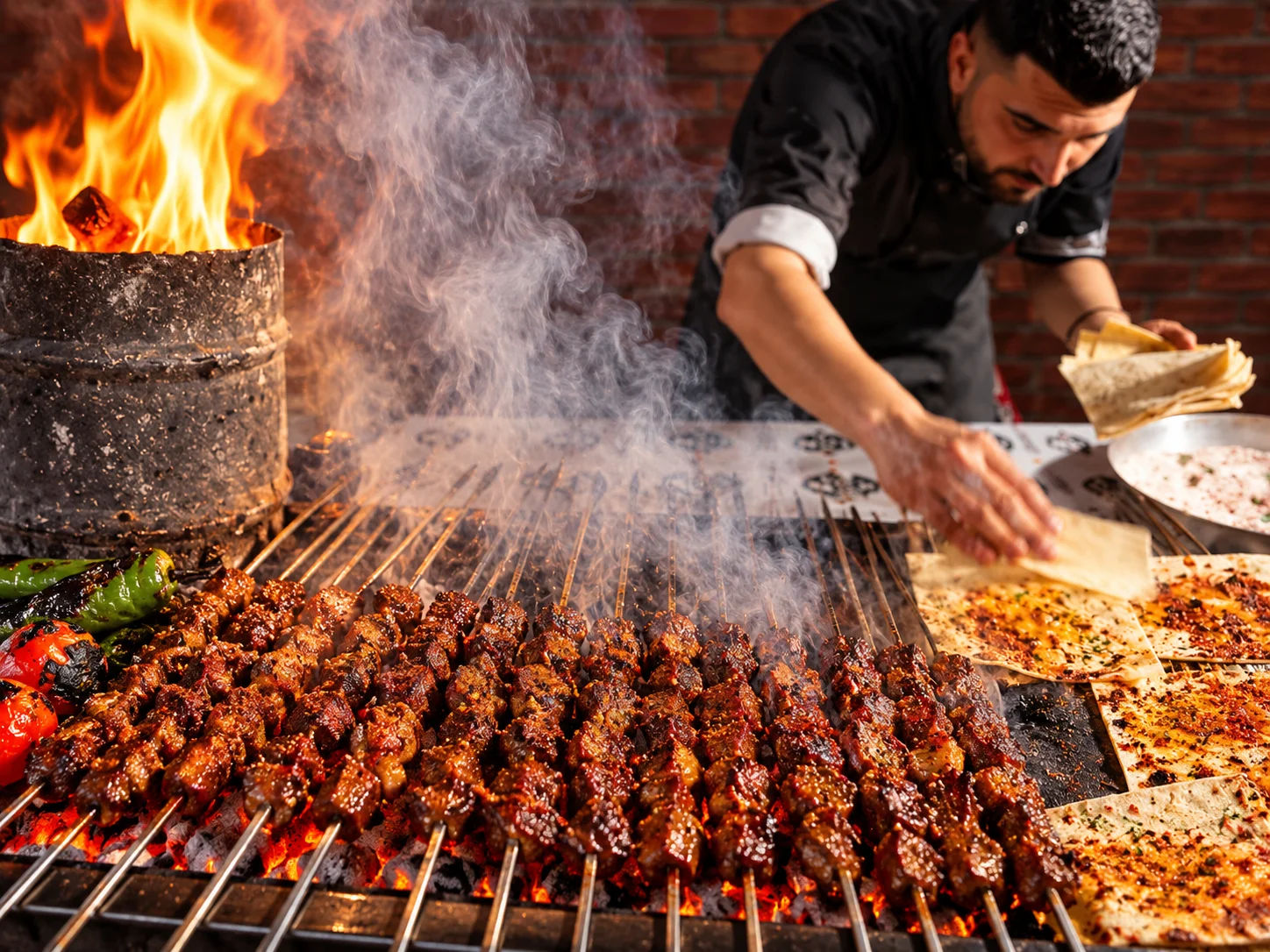
Liver culture is loud in Diyarbakır and Şanlıurfa; Istanbul ciğercis copy the skewer, the raw onion and the all-day clock. Edirne tava ciğeri is a different plate: thin floured fried liver from Thrace.
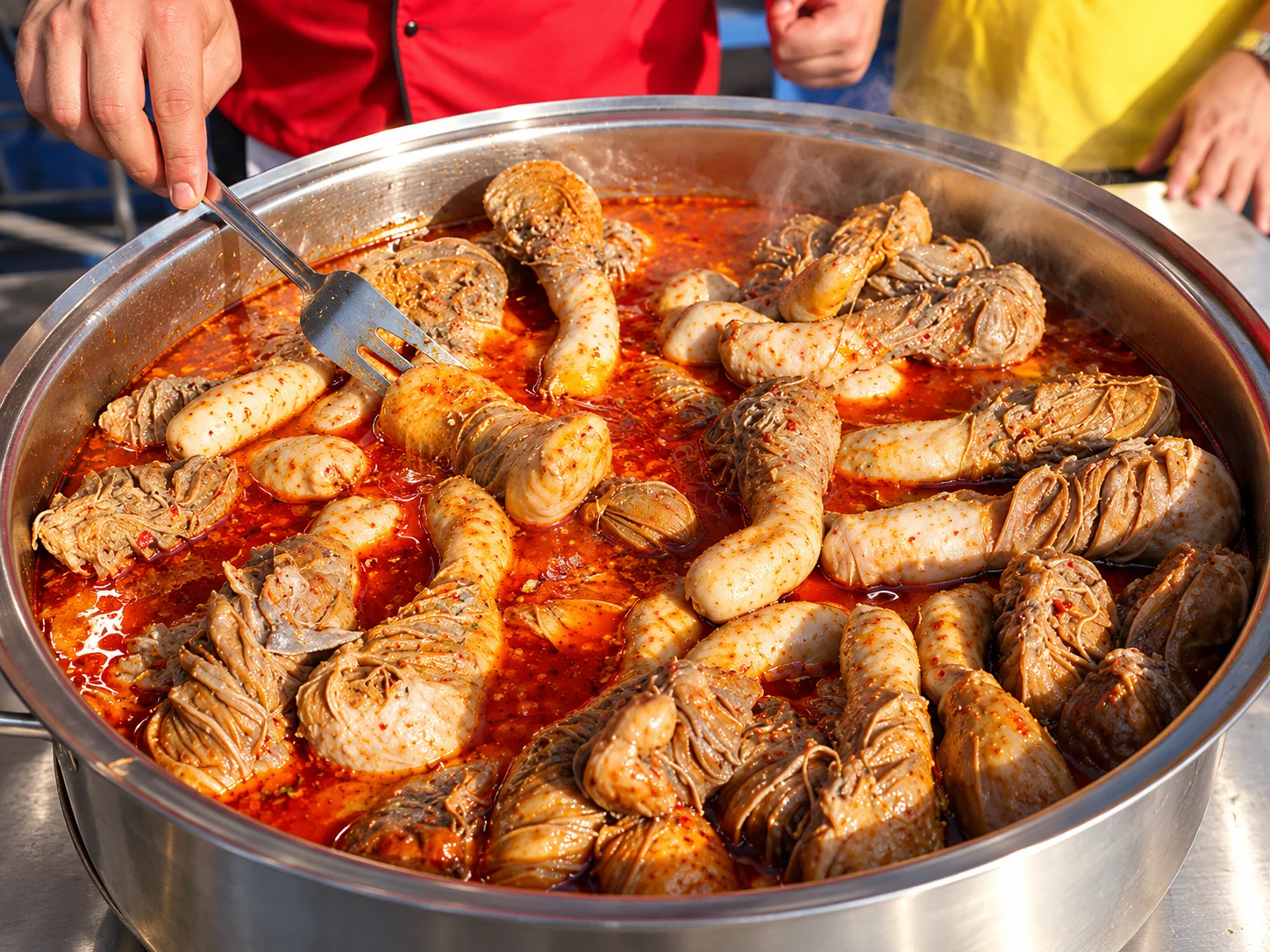
Adana kebab and mumbar sit in the same family of specialist rooms. A national street-food clip can show the wider map; it still does not turn şırdan into a Taksim cart.
A Turkey-wide street-food reel is background. Your walk is still Eminönü, Kadıköy or Taksim, not a national food tour sold with a car.
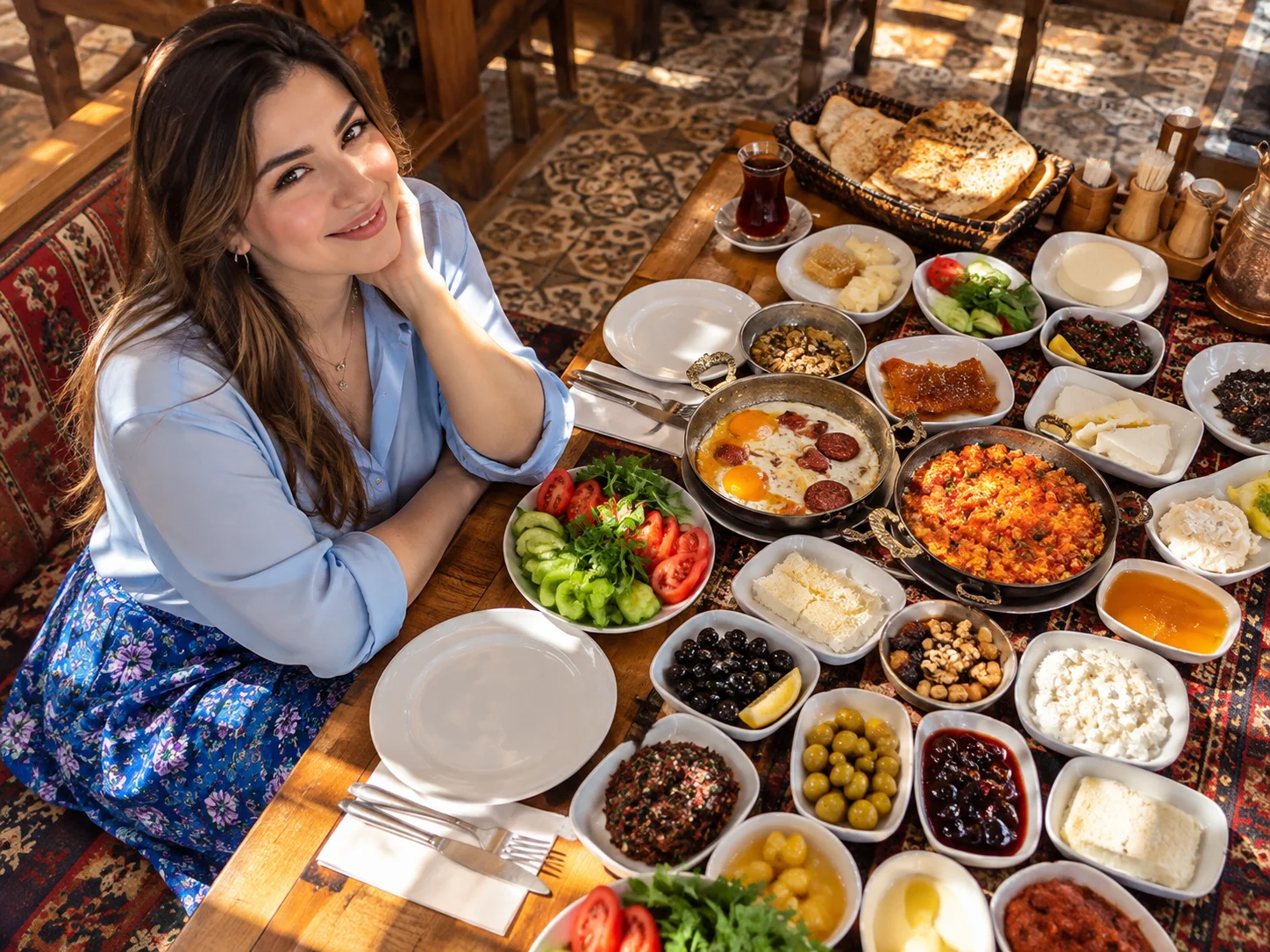
Do not label Van breakfast as street food. İnegöl köfte, etli ekmek and Tokat kebabı stay in their shop types. İçli köfte is a fried or boiled bulgur dumpling; buy from a place that fries to order.
Morning
Breakfast and bakery foods
Simit plus tea is the street breakfast. Poğaça and açma are bakery morning rolls. Su böreği is a layered, boiled-then-baked pastry — more vitrine than cart. Boyoz is İzmir’s oily folded pastry; Istanbul Izmir fırıns sell it. A Beşiktaş breakfast street is mostly indoor tables, not sidewalk grills.
Sweets
Turkish sweets and desserts to try in Istanbul
Most of these are pastry-shop or lokanta desserts. Street sweets are lokma, tulumba trays, seasonal dondurma and the occasional kağıt helva.
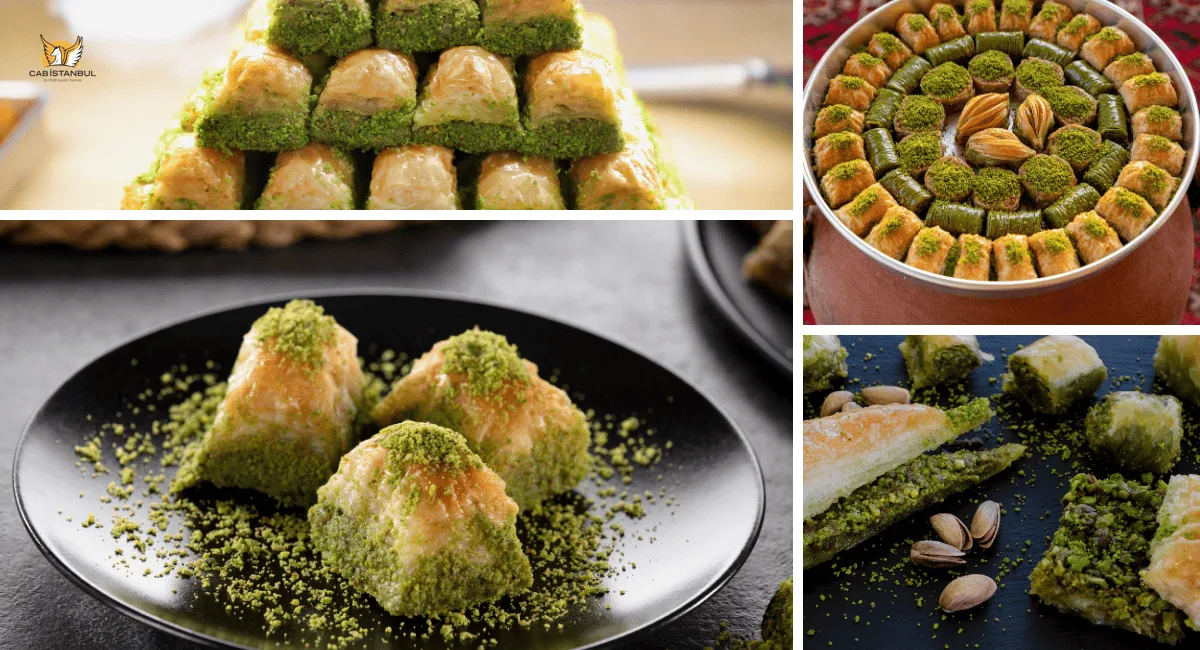
Karaköy Güllüoğlu is a useful baklava stop after a Karaköy walk, not a municipal cart. Pistachio or walnut, syrup, phyllo — sit or take a box. Prices move; do not travel with a dollar memory from an old brochure.
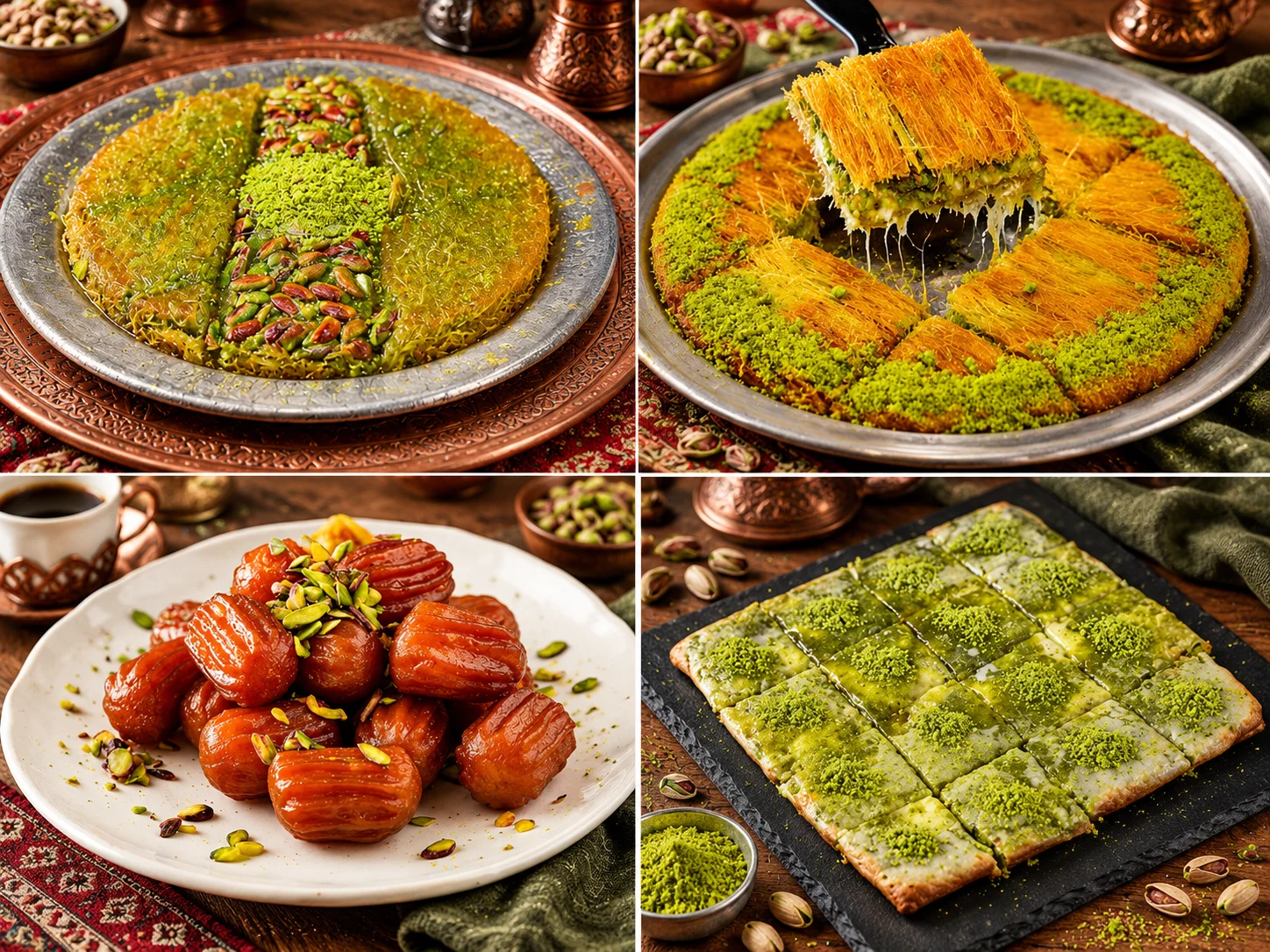
Künefe is Hatay’s hot cheese-and-kadayıf, finished with syrup and usually pistachio. Kadayıf also appears as dry or syrupy nests without cheese. Tulumba is piped, fried and soaked — closer to a syrup churro than to baklava. Katmer (Gaziantep or Kilis versions) is a layered pastry, often pistachio and kaymak in the Antep telling — a shop or breakfast sweet.
Maraş ice cream stretches because of how it is beaten; salep and mastic show up in many recipes. Goat milk is a Maraş story, not a rule for every tourist cone. The vendor’s theatrical scooping is a show, not a quality seal.
Sütlaç is rice pudding, sometimes baked. Aşure is Noah’s pudding — grains, dried fruit, nuts; recipes vary; it is tied to Muharram tables, not a daily cart. Cezerye is a carrot-and-nut confection. Pişmaniye is pulled-sugar “cotton” from the Kocaeli tradition, sold in boxes. Höşmerim is a Balıkesir cheese–semolina dessert — describe it, do not call it health food. Mesir macunu is a historic Manisa spice paste, now mostly a packaged souvenir, rarely a street smear. Lokma is the bite-size syrup doughnut; in some cities it is also a charity tray — join a queue if you see one, without inventing a price.
Diet
Allergens and vegetarian notes
No dish is universally vegan, halal-certified or nut-free. Ask. Most meat windows in Turkey serve meat that is treated as halal in ordinary practice; that is not the same as a certificate on the glass.
| Food | Common allergens / ingredients | Vegetarian? | Notes |
|---|---|---|---|
| Simit | Gluten, sesame | Usually yes | May share bakery butter surfaces |
| Midye dolma / tava | Shellfish; tarator may have walnut, garlic, dairy | Pescatarian | Storage matters |
| Kokoreç / şırdan / büryan | Meat, offal | No | Not mild introductions |
| Kumpir | Dairy in the mash; toppings vary | Possible | Skip sausage / Russian salad if needed |
| Çiğ köfte dürüm | Gluten; sauces vary | Usually vegan-leaning | Ask oil and sauce; street is meatless |
| Börek / gözleme | Gluten, often dairy or egg | Cheese/spinach versions | Meat fills exist |
| Baklava / künefe | Nuts, gluten, butter; künefe = cheese | Baklava vegetarian; künefe has cheese | Shop desserts |
| Döner / tantuni | Meat; wraps may have sauce, dairy | No | Chicken vs beef on request |
Vegetarian street habits that usually work: simit, roast chestnuts, corn, meatless çiğ köfte, some börek, kumpir without meat toppings, gözleme, lokma. Vegan only item by item — butter, cheese and shared fryers are common.
Practical
Street food safety, seasons and markets
A municipal sticker is not a laboratory result. Choose busy, hot, turning-over food. Cooked meats and pilav should be steaming. For mussels, prefer a vendor whose tray is not sitting in full sun. If you are cautious, drink sealed water — that is preference, not a claim that Istanbul tap water is inherently unsafe. People with allergies should ask; recipes are not labeled like a supermarket.
Do not bargain a posted sandwich price. Carts and pencereler have fixed tags. Old “most items $1–2” copy is obsolete. Portions and districts now differ enough that a single dollar or lira band would mislead — check the board in front of you.
| Food area / market | Best for | Area | Current note |
|---|---|---|---|
| Kadıköy Çarşı | Pickles, bakeries, kokoreç, mussels | Kadıköy | Walk, do not rush |
| Spice Bazaar | Lokum, spices, nuts | Eminönü | Shop goods, not grills |
| Beşiktaş Çarşı | Pilav, döner, snacks | Beşiktaş | Match-day crush |
| Balık pazarı (Beyoğlu / Kadıköy) | Fish, meze streets nearby | Beyoğlu or Kadıköy | Sit-down more than carts |
| Ortaköy square | Kumpir row | Beşiktaş | Evening queues |
Winter: kestane, salep, hot corn, Vefa boza. Vefa Bozacısı on Vefa Caddesi is a historic shop — millet boza, usually with roasted chickpeas — not a roaming cart; hours are seasonal and should be checked. Summer: dondurma, colder drinks, extra care with shellfish sitting out. Late night is Taksim, Beşiktaş after matches, Kadıköy after the ferry — ıslak burger, kokoreç, dürüm. Do not lock a 24/7 hour unless the shop’s own board says so that night.
Half-day walks that keep geography honest: Eminönü boats → Karaköy baklava → up toward Galata / Taksim for a wet burger. Or Kadıköy Çarşı → Moda on the Asian side, using the ferry, not a promised guided tasting. Cab Istanbul can move you between those clusters after a flight; it does not run a food tour.
Ferries, tram T1 to Eminönü, the M2 to Taksim and a walk down İstiklal cover most of this page. Distant specialist shops (a Beykoz wood-fire döner, a far Fatih buryancı) are easier with a chauffeur than with three transfers and a nap.
FAQ
Istanbul street food questions
What street food should I try in Istanbul?
Simit, balık ekmek, midye dolma, a döner or dürüm, and then one “Istanbul-only habit” — ıslak hamburger or Ortaköy kumpir. Add kokoreç only if offal is your idea of fun.
What is the most iconic Istanbul street food?
Simit is the everyday icon. Balık ekmek is the postcard waterfront bite. Neither needs a trophy ranking.
Where can I eat street food in Istanbul?
Eminönü, Karaköy, Taksim–İstiklal, Beşiktaş çarşı, Ortaköy, Kadıköy. Fatih is stronger for specialist regional shops than for carts.
What should I eat in Eminönü?
Fish in bread on the water, simit, a tea. Sweets inside the Spice Bazaar are boxes, not grills.
What food is Taksim famous for?
The wet burger, late döner and kokoreç, chestnuts in winter. İstiklal is a corridor, not a single kitchen.
What should I eat in Kadıköy?
Market walking food: pickles, bakeries, mussels, a kokoreç or döner, then Moda if you still have room.
Where can I try kumpir?
Ortaköy’s stall row is the famous picture. Other parks sell it. No stall is officially “the finest.”
What is an ıslak hamburger?
A small burger steamed in tomato–garlic sauce so the bun is wet. Kızılkayalar on Sıraselviler is the shop most people name; confirm hours.
What is balık ekmek?
Grilled fish in a quarter loaf, onion and salad. On Eminönü boats the fish is usually mackerel, often imported frozen — still the city’s classic waterfront sandwich.
Is midye dolma safe to eat?
It is shellfish. Prefer high-turnover vendors and lemon. Heat and poor storage raise risk. There is no honest city-wide “always safe” stamp.
What is kokoreç made from?
Cleaned lamb or sheep intestines, seasoned, grilled and chopped. Eat it hot from a busy shop.
What is tantuni?
Mersin chopped meat cooked on a sac, wrapped with onion, tomato, parsley and spices.
Is çiğ köfte made with raw meat?
Traditional home versions could include raw meat. Commercial street wraps in Turkey today are overwhelmingly meatless. Order etsiz.
Is Istanbul street food halal?
Most meat shops operate in a halal-default food culture. Certification is business-specific. If it matters, ask. Do not assume pork-free or alcohol-free at every café nearby.
What vegetarian street food is available?
Simit, corn, chestnuts, meatless çiğ köfte, some börek and gözleme, kumpir without meat toppings, lokma.
What vegan street food can I find?
Possible, never guaranteed: etsiz çiğ köfte, plain simit, corn, chestnuts, some lokma. Confirm butter, cheese and fryer oil.
Is Istanbul street food cheap?
Cheaper than a hotel restaurant, not a 2015 dollar menu. Tourist squares cost more than a back-street pilavcı.
How much does street food cost?
Read the board. This page does not lock TRY or convert to USD. A midye piece, a döner dürüm and a kumpir are different economies.
Should I bargain for food prices?
No on posted food. Bargaining belongs to some souvenir stalls, not a simit or a wet burger.
What are the best late-night foods?
Islak burger, kokoreç, dürüm, sometimes midye. Taksim, Kadıköy and Beşiktaş stay useful after midnight more often than Sultanahmet.
What foods are seasonal?
Chestnuts and salep in the cold; boza as a winter shop drink; ice cream in the heat; extra caution with summer shellfish sitting out.
What desserts should I try?
Baklava in a shop, künefe hot, lokma or tulumba if you want street sugar, Maraş-style ice cream for the stretch.
Where can I eat baklava?
Pastry shops. Karaköy Güllüoğlu is a verified Karaköy address. Other Güllüoğlu names are other companies.
What is the difference between baklava and künefe?
Baklava is layered phyllo, nuts and syrup, usually room temperature. Künefe is hot shredded pastry around melted cheese, then syrup.
Is Van breakfast street food?
No. It is a long table in a kahvaltı evi. The original breakfast street is in Van.
Can I find regional Turkish foods in Istanbul?
Yes — büryan, cağ, şırdan, tava ciğer, etli ekmek — in specialists, not on every simit route.
Which food markets are worth visiting?
Kadıköy Çarşı for eating while walking; Spice Bazaar for sweets to pack; Beşiktaş çarşı for a local lunch crush.
Is Istanbul street food safe for children?
Simit, pilav, kumpir and bakery börek are the easy start. Skip shellfish and offal if you want fewer variables. Choose busy, hot food.
What should people with allergies watch for?
Sesame on simit, nuts in baklava and tarator, dairy in kumpir and künefe, gluten almost everywhere, shellfish in midye. Ask; do not trust a smile as an ingredient list.
Before you go
One waterfront, one late window, one shop dessert
Do not eat twenty names in a day. Take the fish sandwich where the water is, the wet burger where the night is, and baklava where the trays are behind glass. Leave raw-meat street myths and dollar menus in the old copy. If the next neighborhood is a long hop, a car with a driver only moves you — it does not order, taste or reserve.