
FDI · Incentives · 2026
Türkiye remains on many foreign investors’ shortlists because of its manufacturing base, logistics position between Europe and Asia, and a reshaped investment-incentive architecture. This page maps investment opportunities in Turkey in 2026 — sectors, incentive families, company-setup basics, taxes/thresholds, and risks — without ranking any product as universally “safest” or promising returns.
Informational content only — not investment, legal, or tax advice. Incentive eligibility is project-specific. Rules and rates change. Confirm with competent Turkish authorities and qualified independent advisers. Cab Istanbul provides private transportation only (airport, hotel, factories, OIZ visits, meetings, bank, lawyer, trade-registry logistics). We do not advise on investments, incentives, company formation, tax, or citizenship.
“Safest investment?”
There is no universal safest investment in Turkey
Search interest around “safest investments Turkey” deserves a direct answer: no investment class is risk-free. Relative “safety” depends on capital preservation needs, liquidity, inflation and FX exposure, leverage, counterparty quality, regulation, sector cycles, and exit horizon. A deposit, a factory, a software company, and an Istanbul flat all fail differently.
| Investment type | Liquidity | FX / market exposure | Operational complexity | Main risks (illustrative) |
|---|---|---|---|---|
| Operating company / greenfield plant | Lower | Medium–higher | Higher | Execution, labor, regulation, demand cycle |
| Export manufacturing in OIZ | Lower | Higher (inputs + FX revenues) | Higher | Supply chain, energy cost, customs/compliance |
| Renewable energy project | Lower | Medium–higher | Higher | Licensing, grid, offtake, construction delay |
| Software / R&D in a TDZ | Medium | Medium | Medium–higher | Talent, IP, client concentration, incentive compliance |
| Real estate (own use / rental) | Lower–medium | Medium–higher | Medium | Location, liquidity, tenant, earthquake, FX valuation |
| Bank deposit / bonds (where eligible) | Higher (instruments vary) | Depends on currency | Lower | Rate, issuer, holding locks, inflation in real terms |
Qualitative labels are planning aids — not personalized risk ratings or suitability advice.
Where capital goes
Sector opportunities investors watch in 2026
Official priority lists and HIT-30 themes emphasize high-tech manufacturing, mobility, green energy, digital technologies, semiconductors, and advanced industry — not every historically “hot” niche. The table below is a balanced watchlist, not a profitability ranking.
| Sector | Why investors watch it | Typical profile | Key risks / constraints |
|---|---|---|---|
| Advanced manufacturing / automotive–EV / machinery / electronics | Export base, OIZ infrastructure, priority-product lists | Capex-heavy; often incentive-certificate driven | Capex overrun, supplier quality, cyclical demand |
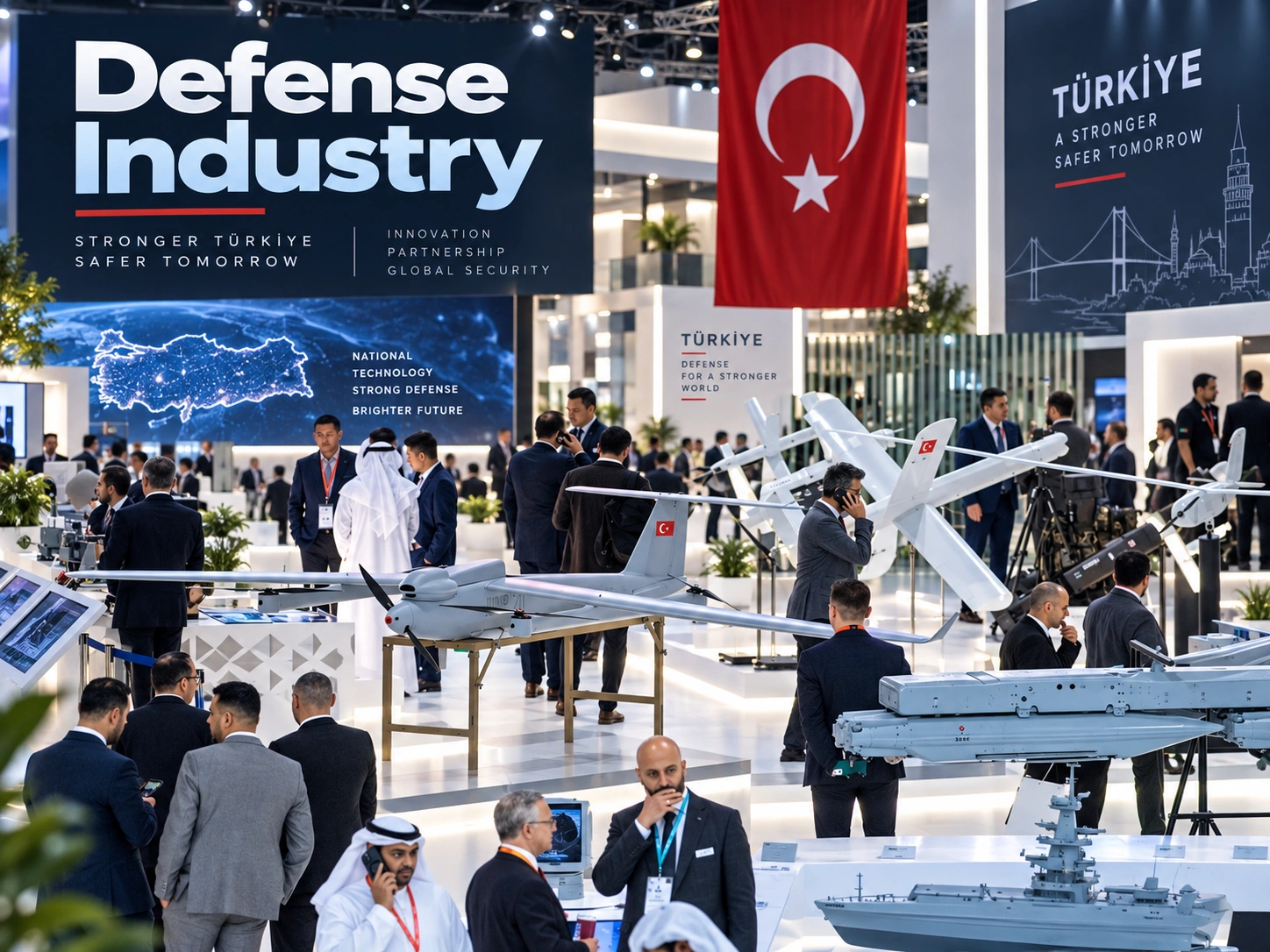
| Defense & aerospace | Public programs and export growth narratives | Licensed, security-sensitive supply chains | Procurement cycles, export controls, restricted technologies — not “unlimited opportunities” |
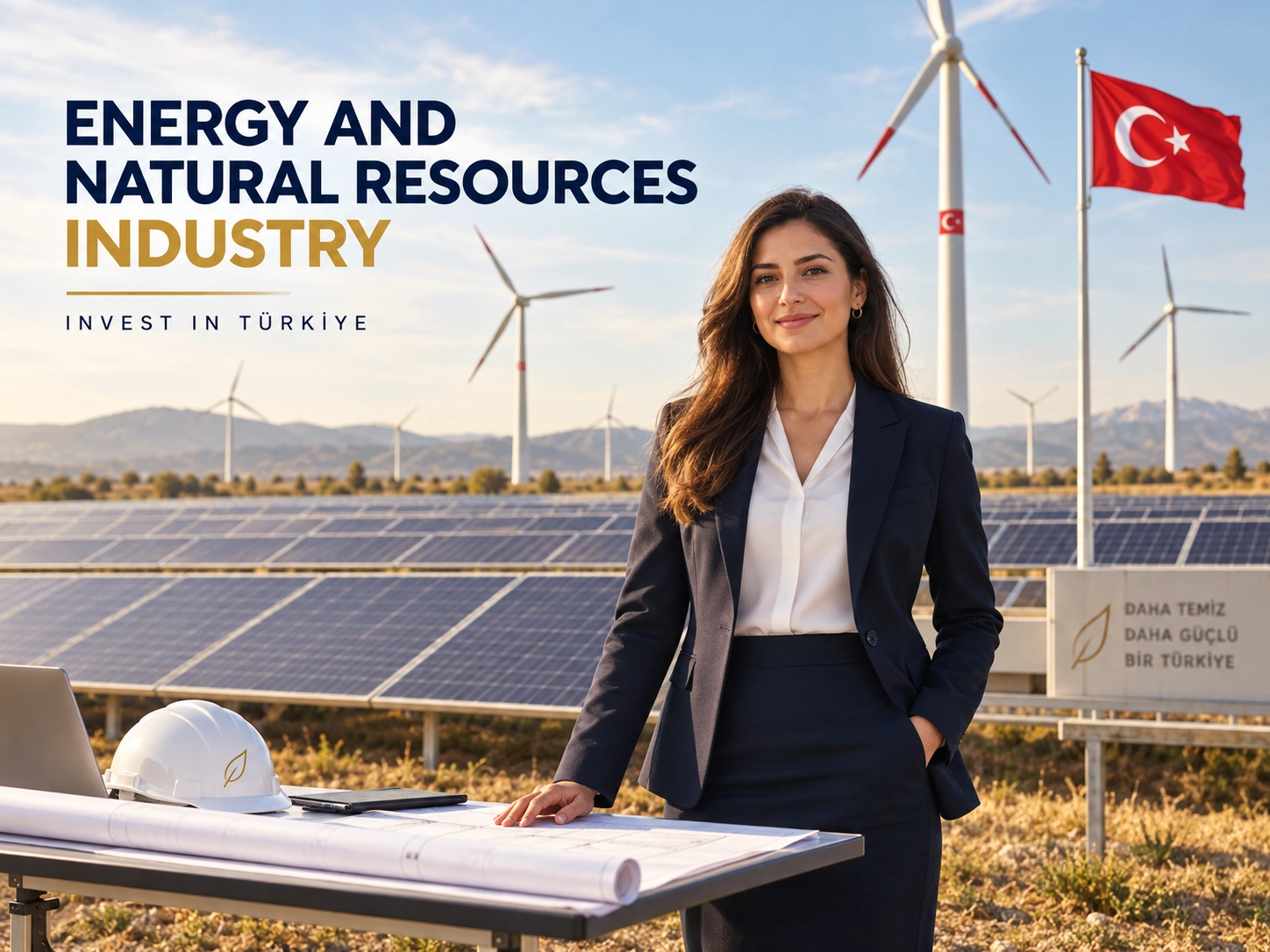
| Renewable energy & storage | Energy transition and green-priority themes | Project finance; licensing and grid access | Permit timing, curtailment, offtake, construction |
| Software, AI, data, fintech | TDZ/R&D regimes; HIT-30 digital themes | Talent-intensive; scalable exports | Hiring, IP, regulation for regulated fintech |
| Recycling / circular economy | Industrial compliance and green-transition pressure | Plant + logistics + permits | Feedstock, environmental licensing, margin volatility |
| Textile & apparel | EU proximity and established clusters | Working-capital intensive manufacturing | Energy/labor costs, sustainability standards, competition |
| Real estate & industrial land | Operating assets, logistics nodes, housing demand | Asset purchase or development | Zoning, liquidity, FX, earthquake, foreign-buyer limits |

Videos on this page are atmospheric. Tax rates, capital thresholds, and incentive percentages must come from current official sources and advisers — not from video narration.
Incentives 2026
Current investment incentive system — not the old brochure
Older blogs still quote a single “energy package” with a flat 40% tax discount, a fixed 7-year SGK benefit, or interest support capped at TRY 700,000. Those marketing shortcuts are not how the January 2026 Investment Office summary describes the live architecture. Supports are program- and project-specific, often routed through an Investment Incentive Certificate and digital application (commonly E-TUYS for certificate tracks).
| Incentive / program | Who may qualify (high level) | Current benefit types (examples) | Key conditions |
|---|---|---|---|
| Technology Incentives | Medium-high / high-tech products on Ministry priority lists | VAT & customs exemptions; tax reduction; SGK employer support; interest/machine support; land | Call / evaluation; certificate; contribution rates per scheme (e.g. 50% contribution / 60% reduction in Jan 2026 PDF examples) |
| Local Development Incentives | Province-specific local development topics | Similar development-incentive toolkit | Call-based; Ministry/agency evaluation |
| Strategic Incentives | High value-add / import-substitution criteria (e.g. value-add, equity, import/export tests) | Development-incentive toolkit (contribution example 40% in Jan 2026 PDF) | Must meet published strategic filters |
| Priority Incentives | Priority-product investments meeting minima | VAT/customs; tax reduction; regional SGK periods; land; limited interest support | Jan 2026 PDF minima: TRY 627m high-tech / TRY 1.25bn medium-high tech (confirm live with Ministry) |
| Target Incentives | Regional/sectoral target investments | VAT/customs; tax reduction; SGK by region; interest mainly Regions 4–6 | Region map 1–6; OIZ/district nuances |
| HIT-30 / project-based | Large high-tech projects on HIT-30 product lists | Cashback, VAT, customs, tax reduction, SGK, energy, interest, land, tailored supports | Minimum fixed investment TRY 2 billion; Presidential decree path; then certificate |
| R&D / Design Centers | Approved centers meeting staff minima | 100% R&D/design deduction; VAT/customs; withholding relief; SGK employer share support | ≥15 R&D staff or ≥10 design staff (Jan 2026 PDF) |
| Technology Development Zones | Software / R&D / design activities in TDZs | Income/corporate tax exemption on qualifying profits; software VAT exemption; related supports | Zone admission + activity rules (92 TDZs cited in Jan 2026 PDF) |
| Free Zones | Export-oriented manufacturing and listed activities | VAT/customs/SCT and other zone exemptions; income-tax relief if export tests met | 19 free zones; e.g. ≥85% FOB export of produced goods for certain income-tax exemption |
HIT-30 (Ministry of Industry and Technology) targets high-priority technology areas such as mobility, semiconductors, green energy, healthy-life technologies, digital technologies, communications/space, advanced manufacturing, and value-chain investments. It is negotiation-based and not an automatic entitlement for every foreign investor.
Zones
Organized Industrial Zones, technoparks, and free zones
| Zone type | Typical use | Potential advantages | Key conditions |
|---|---|---|---|
| Organized Industrial Zone (OIZ / OSB) | Manufacturing plants and industrial campuses | Shared infrastructure; often better incentive positioning | Plot availability, zone rules, environmental permits |
| Technology Development Zone (TDZ / technopark) | Software, R&D, design | Tax exemptions on qualifying activities | Admission criteria; activity must fit TDZ rules |
| Free Zone | Export-oriented production and logistics-related activities | Customs/VAT and other zone incentives | Export orientation and activity list compliance |
Company setup
Company formation is common — not always the first step
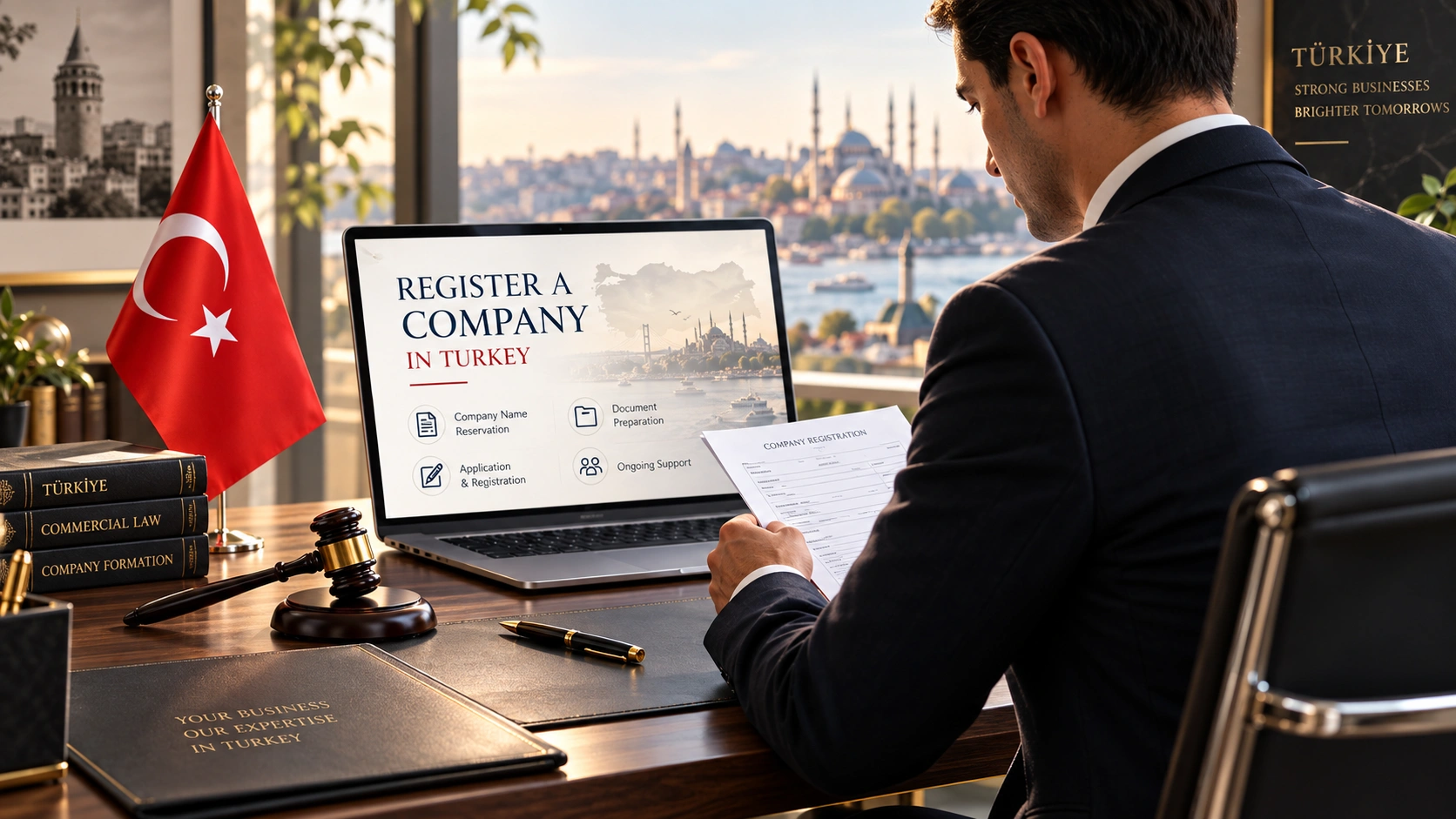
Foreign investors may establish a Turkish company, acquire shares, invest through funds, or acquire assets (including property) depending on the structure. Company formation is frequent for operating businesses, but it is not a universal legal prerequisite for every investment type.
Under Turkish Commercial Code practice summarized by the Ministry of Trade’s 2026 company guide, foreigners generally face the same corporate forms as locals. Invest.gov.tr also states equal treatment of international and local investors for incentives access — while regulated sectors can still require licenses, approvals, or ownership conditions.
| Structure | Typical use | Minimum capital (current) | Governance note |
|---|---|---|---|
| Limited company (Limited Şirket) | Most SME operating companies | TRY 50,000 | Cash capital may be paid within 24 months after registration |
| Joint-stock company (Anonim Şirket) | Larger or more formal capital structures | TRY 250,000 | ≥25% of cash shares before registration; remainder within 24 months |
| Non-public JSC with registered capital system | Flexible capital board authorizations | TRY 500,000 initial | Separate registered-capital rules |
Practical setup usually involves MERSIS drafting, Trade Registry registration, tax office steps, signature declarations, bank/capital handling, and sworn translations/apostilles for foreign documents. Professional fees and notary costs are variable — do not treat minimum capital as the total incorporation budget.
Costs & rates
Current thresholds, taxes, and verified figures (2026)
| Item | Current 2026 amount / rate | Context |
|---|---|---|
| LLC minimum capital | TRY 50,000 | Statutory floor — not total setup cost |
| JSC minimum capital | TRY 250,000 | TRY 500,000 if non-public registered-capital system |
| Corporate tax (general) | 25% | GİB tables; 30% for certain financial/BOT-PPP entities; other conditional rates exist |
| Standard VAT | 20% | Reduced 10% / 1% lists apply to designated supplies |
| HIT-30 minimum fixed investment | TRY 2 billion | High-tech product list + project evaluation |
| Priority incentive minima (Jan 2026 PDF) | TRY 627m (high-tech) / TRY 1.25bn (medium-high) | Confirm live with Ministry before budgeting |
| Citizenship — real estate route | USD 400,000 + 3-year annotation | Exceptional route; Presidential decision — see dedicated guide |
| Citizenship — other investment routes | USD 500,000 tiers or 50 jobs | Deposit, bonds, funds, capital, pension, jobs — Invest.gov.tr |
| Trade registry / notary / translation / lawyer | Variable | City, document set, and provider dependent — no invented package price |
Check date: 12 September 2026. Do not convert USD thresholds into a “today’s TRY” figure on this page.
Sector notes
Manufacturing, defense, energy, digital, recycling, textile
Manufacturing and advanced industry
Automotive and supplier networks, machinery, electronics, white goods, and EV/battery-related value chains remain core FDI themes. Additive manufacturing / 3D printing belongs here as a process technology — older 2012–2017 growth percentages are too stale to quote as current Turkey-specific evidence.
Defense and aerospace
The sector attracts attention because of public procurement and export programs, but it is highly regulated. Foreign participation may face licensing, security, and controlled-technology constraints. Avoid marketing language such as “unlimited opportunities.”
Energy and renewables
Solar, wind, geothermal, hydro, and storage themes appear in green-priority and HIT-30 narratives. Licensing, YEKA-style tenders where applicable, grid connection, and offtake structures dominate diligence. Do not treat energy projects as automatic recipients of any single historic incentive percentage.
Software, AI, and digital economy
Technoparks, R&D/design centers, and HIT-30 digital themes support software exports, AI applications, cybersecurity, cloud/data-center projects, and fintech — each with different licensing overlays. Incentives depend on zone admission and activity qualification.
Recycling and circular economy
Waste management and industrial recycling remain policy-relevant under environmental and EU-linked trade pressures (including carbon-border dynamics for some exporters). Do not rely on outdated multi-billion-euro “coming years” forecasts from old marketing copy.
Textile and apparel
Clusters, logistics to the EU, and quality reputation still matter. Claims such as a fixed global rank from older years, or a “new incentive program expected in 2018,” are removed. Current decisions turn on energy costs, labor, sustainability compliance, and whether a project fits today’s regional/sectoral incentive maps.
Real estate
Property and land — relevant, but not this page’s full CBI guide
Real estate can be an operating asset, a logistics node, or a personal residence strategy. Yields, vacancy, earthquake resilience, zoning, and foreign-buyer limits are property-specific. Istanbul land or apartments are not automatically citizenship-eligible or incentive-eligible.
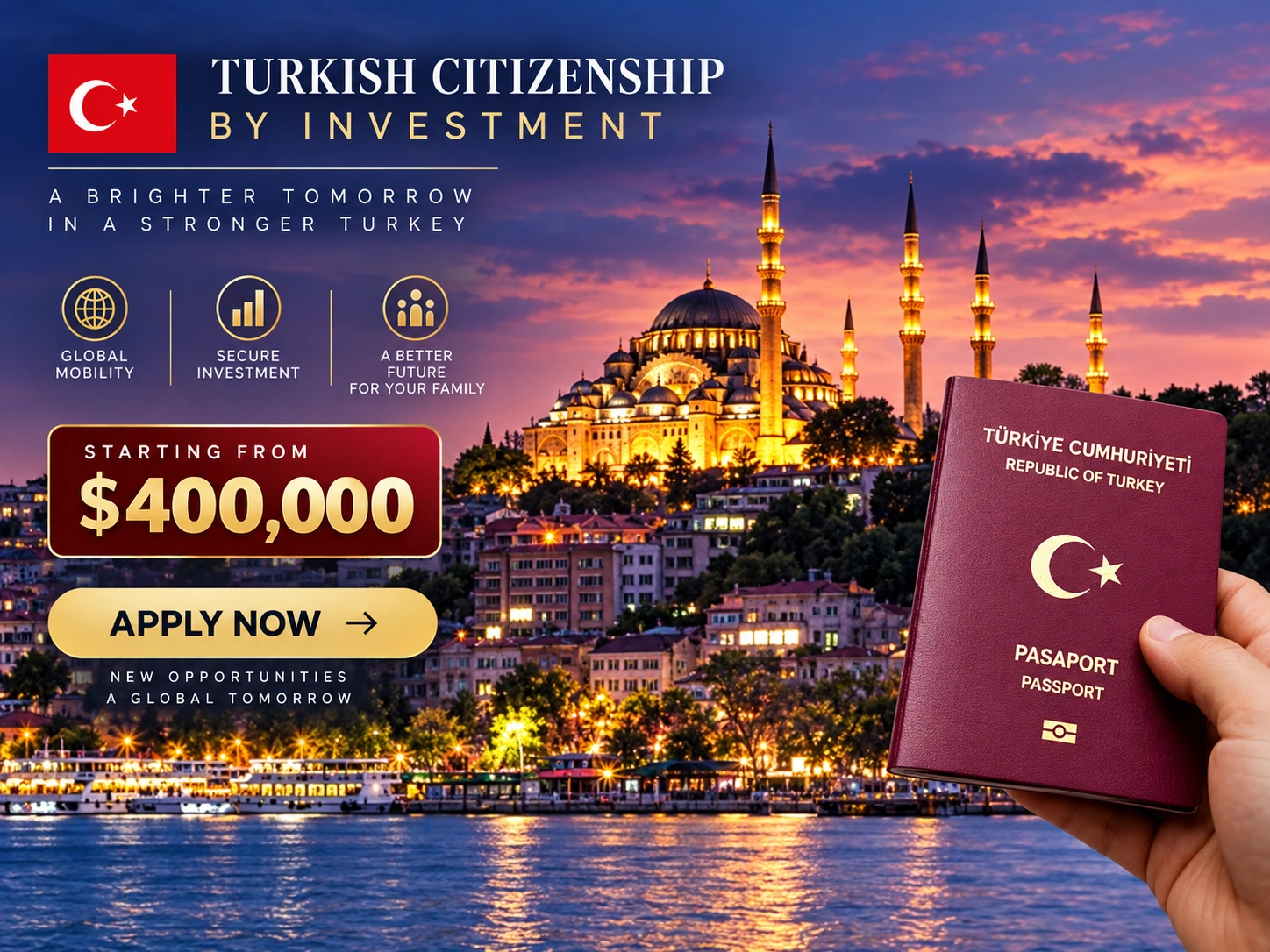

For Turkish citizenship by investment through property (USD 400,000 threshold, three-year annotation, eligibility certificate, discretionary Presidential decision), use the dedicated guide: Citizenship by Investment in Turkey — real-estate requirements.
Citizenship context
Citizenship by investment — concise 2026 snapshot
Exceptional citizenship via investment is a separate legal track from ordinary FDI incentives. Meeting a published investment condition may allow an application; it does not guarantee approval or a fixed processing time. Current Invest.gov.tr framing includes a real-estate route at USD 400,000 with a three-year no-sale annotation, plus other routes (capital, deposits, bonds, funds, private pension, jobs) at their own minima.
Details, eligibility traps, payment evidence, and documents belong on the citizenship-by-investment article — this page stays focused on broader investment opportunities.
Currency & diligence
FX, inflation, and due-diligence basics
TRY volatility can change acquisition cost, imported inputs, debt service, and repatriated returns — in either direction over an investor’s horizon. Do not treat lira weakness as a guaranteed “cheap entry.” Inflation affects real returns and working capital. Build scenarios; do not publish exchange-rate forecasts here.
- Confirm sector licenses and foreign-ownership limits early
- Model incentive eligibility only after counsel reviews the live certificate rules
- Separate statutory capital from true cash need
- Stress-test FX on revenues, costs, and debt
- For property: title, zoning, encumbrances, earthquake context, foreign-buyer rules
- Refuse “guaranteed return + passport” marketing packages without independent review
Transport logistics
How Cab Istanbul fits — logistics only
Investors who already work with lawyers, accountants, and sector advisers often need reliable private transport between IST/SAW, hotels, factories, organized industrial zones, banks, and Trade Registry appointments. That is Cab Istanbul’s role.
- Istanbul Airport (IST) transfer
- Sabiha Gökçen (SAW) transfer
- Car with driver in Istanbul for multi-stop business days
- CBI deep dive: real-estate citizenship requirements
Drivers do not evaluate investments, negotiate deals, or select “best” sectors. Transport bookings do not endorse any project, developer, or incentive outcome.
FAQ
Investing in Turkey — frequently asked questions
Is Turkey a good place for foreign investment in 2026?
It can be for investors whose strategy fits manufacturing, exports, energy transition, digital services, or assets they understand — after legal, tax, and FX due diligence. “Good” is project-specific, not a slogan.
What are the main investment opportunities in Turkey?
Advanced manufacturing, mobility/EV-related industry, renewables and storage, software/AI and TDZ activity, logistics-linked real assets, and selected consumer-export industries such as textiles — each with different capital and licensing profiles.
What is the safest investment in Turkey?
None is universally safest. Compare liquidity, FX, inflation, leverage, regulation, and exit needs. Anyone selling a single “safest” product without risk disclosure is marketing, not analysis.
What incentives does Turkey currently offer?
Development incentives (technology, local development, strategic), priority/target regional schemes, HIT-30/project-based packages, R&D/design centers, TDZs, and free zones — with VAT/customs, tax reduction, SGK, financing, and land tools depending on the program.
What is an Investment Incentive Certificate?
A project-specific authorization that unlocks eligible support items. Not every investment receives one; applications commonly run through E-TUYS for certificate tracks after Ministry evaluation.
What is HIT-30?
A Ministry of Industry and Technology high-tech investment program under project-based incentives, with a TRY 2 billion minimum fixed investment and tailored supports for listed priority technologies.
Are foreign investors treated the same as Turkish investors?
Equal treatment is the general FDI/incentives principle, but regulated sectors can impose licenses, approvals, or ownership limits. Do not assume zero extra steps.
Can a foreigner own 100% of a Turkish company?
In many ordinary commercial sectors, yes. Restricted or licensed sectors may differ — verify before capitalizing the company.
Do I need to establish a company to invest in Turkey?
Not always. Company formation is common for operations, but share deals, asset purchases, and some financial routes use different structures.
What is the minimum capital for a Turkish limited company?
TRY 50,000 under current Ministry of Trade guidance (effective from the 2024 capital reform, still the 2026 floor for new LLCs).
What is the minimum capital for a joint-stock company?
TRY 250,000 generally; TRY 500,000 initial for non-public JSCs using the registered capital system.
What is Turkey’s corporate tax rate in 2026?
General rate 25% per GİB tables, with 30% for certain financial/BOT-PPP entities and other conditional rates (e.g. export-related). Confirm classification with a tax adviser.
What is the standard VAT rate?
20%, with official reduced bands at 10% and 1% for listed goods and services.
Are renewable-energy investments incentivized?
They may qualify under green-priority themes and general/project-based incentive tools if criteria are met — not via an automatic historic “40% + 7 years + TRY 700,000” package.
What opportunities exist in AI and software?
TDZ and R&D/design regimes, exportable software services, and HIT-30 digital themes. Eligibility depends on activity location and compliance — not on using the word “AI” in a pitch deck.
Is Turkish real estate a safe investment?
It can preserve or grow capital in some cases and destroy it in others. Location, building quality, liquidity, FX, and legal title drive outcomes more than national slogans.
Does property investment qualify for Turkish citizenship?
Only if the acquisition meets the exceptional citizenship rules (currently framed around USD 400,000+ with a three-year annotation and further compliance). See the dedicated real-estate citizenship guide.
What is the current citizenship investment threshold?
Real estate: USD 400,000 or equivalent FX with a three-year restriction. Other routes commonly use USD 500,000 minima or job-creation tests — always re-check Invest.gov.tr.
How does currency risk affect an investment?
It can change the TRY cost of foreign capital, the hard-currency value of local revenues, debt burdens, and dividend repatriation. Hedge and structure consciously; do not bet on a one-way FX story.
Can Cab Istanbul advise which investment to choose?
No. Cab Istanbul is a transportation company. Use independent licensed advisers for investment, tax, and legal decisions.
Can Cab Istanbul provide transportation for business and site visits?
Yes — airport transfers and chauffeur-driven cars for factories, OIZ tours, meetings, banks, and registry appointments.
This FAQ is informational and does not create an advisory relationship.