
Eminönü · Mısır Çarşısı · Spice Bazaar · 2026
Mısır Çarşısı — known in English as the Spice Bazaar or Egyptian Bazaar — is Istanbul’s historic covered market beside the New Mosque (Yeni Cami) in Eminönü. Built in the seventeenth century as part of the mosque complex’s commercial endowment, it remains one of the easiest places in the city to shop for spices, Turkish delight, dried fruit, nuts, tea and small packaged food gifts.
This guide separates naming, verified history (without mixing it with the Grand Bazaar), what to buy, saffron caution, a soft directory of shops that still lean active, nearby streets such as Hasırcılar and Tahtakale, a clear Spice Bazaar vs Grand Bazaar comparison, soft hours, and how to arrive by tram, ferry or chauffeur. Cab Istanbul moves you to Eminönü; the driver is not a bazaar guide.
Cab Istanbul provides chauffeur rides and airport transfers only — including Istanbul Airport (IST), Sabiha Gökçen (SAW), car with driver and VIP transfer. Cab does not negotiate with merchants, pick your saffron or sell shopping tours.
Names
Spice Bazaar, Egyptian Bazaar and Mısır Çarşısı — same place
Three names point to one L-shaped covered market in Eminönü. Turkish speakers say Mısır Çarşısı. English travel writing usually prefers Spice Bazaar or Egyptian Bazaar. Older Ottoman labels include Yeni Çarşı and Valide Çarşısı. “Egyptian Market” appears in older English copy; it is the same building family, not a second market.
The “Egyptian” nickname is tied to long-standing trade and revenue stories linked to Egypt — spices, customs and endowment income — that became fixed in common speech by the eighteenth century. It does not mean the bazaar was built in Egypt or that every stall still imports only from Egypt.
| Name | Language / context | Use it for |
|---|---|---|
| Mısır Çarşısı | Turkish (canonical local) | Signs, locals, maps in Turkish |
| Spice Bazaar | English travel English | Food / spice shopping intent |
| Egyptian Bazaar | English historical nickname | Same place; pairs with Yeni Cami stories |
History · fact-checked
When was the Spice Bazaar built?
Mısır Çarşısı belongs to the Yeni Cami (New Mosque) complex in Eminönü. It was commissioned as a commercial arasta whose rents supported the mosque endowment (waqf). The key patron usually named in reliable accounts is Hatice Turhan Sultan, mother of Mehmed IV. Construction is commonly placed in the early 1660s, with completion often given around 1664. Architect attributions in secondary sources often mention Kazım Ağa and Meremmetçi Mustafa Ağa — treat names as traditional attributions, not a locked modern plaque.
Do not confuse this with the Grand Bazaar. Kapalıçarşı’s early core is tied to the mid-fifteenth century under Mehmed II (Fatih). Claims that the Spice Bazaar was “built under Fatih in 1461” mix two different markets. The Spice Bazaar is a seventeenth-century Yeni Cami endowment market; the Grand Bazaar is the older, much larger covered complex inland toward Beyazıt.
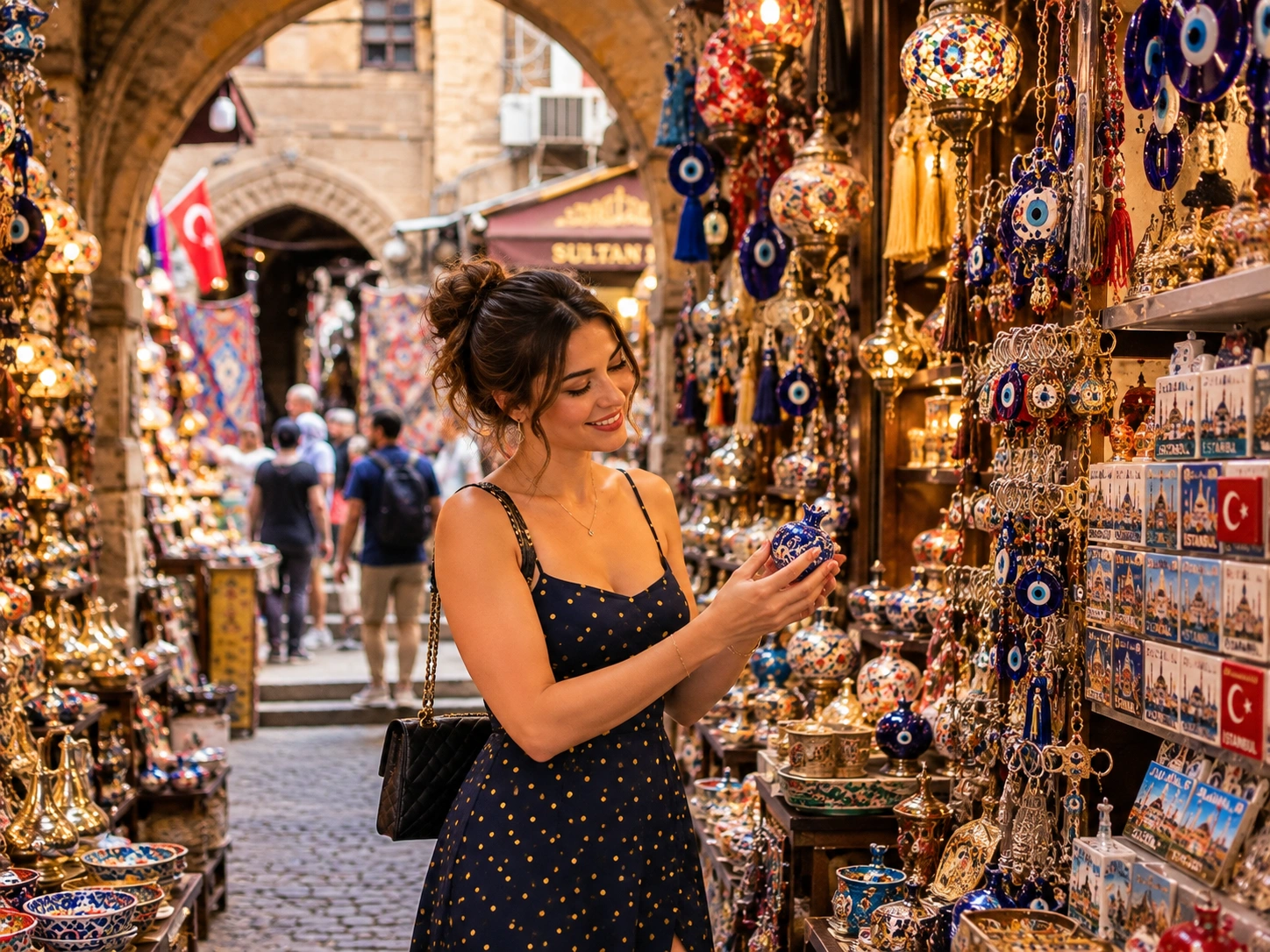
The building later suffered fires (including episodes cited around 1691 and again in the twentieth century) and major municipal restoration work after the 1940 fire, often dated 1940–1943. Later conservation campaigns continued into recent decades. What visitors walk today is a restored, still-commercial L-shaped hall, not an untouched 1660s interior.
Video atmosphere is useful orientation; it is not a substitute for checking stall hours or product labels on the day you visit.
Architecture · place
L-shaped corridors, gates and Eminönü setting
Plan the visit as a covered L-shaped market with vaulted corridors and multiple gates toward Yeni Cami, the flower-market side, Hasırcılar and the wider Eminönü waterfront. Gate names have shifted over time in local speech; what matters for visitors is that you can enter from the mosque square side or from the denser commercial streets behind.
Inside, stalls open onto shared corridors rather than a single courtyard “souk square.” Shop counts vary by census and decade — soft wording of around eighty to a hundred-plus units is safer than locking an old “113 shops” figure. The market is free to enter; you pay only for what you buy (and separately for any restaurant upstairs).
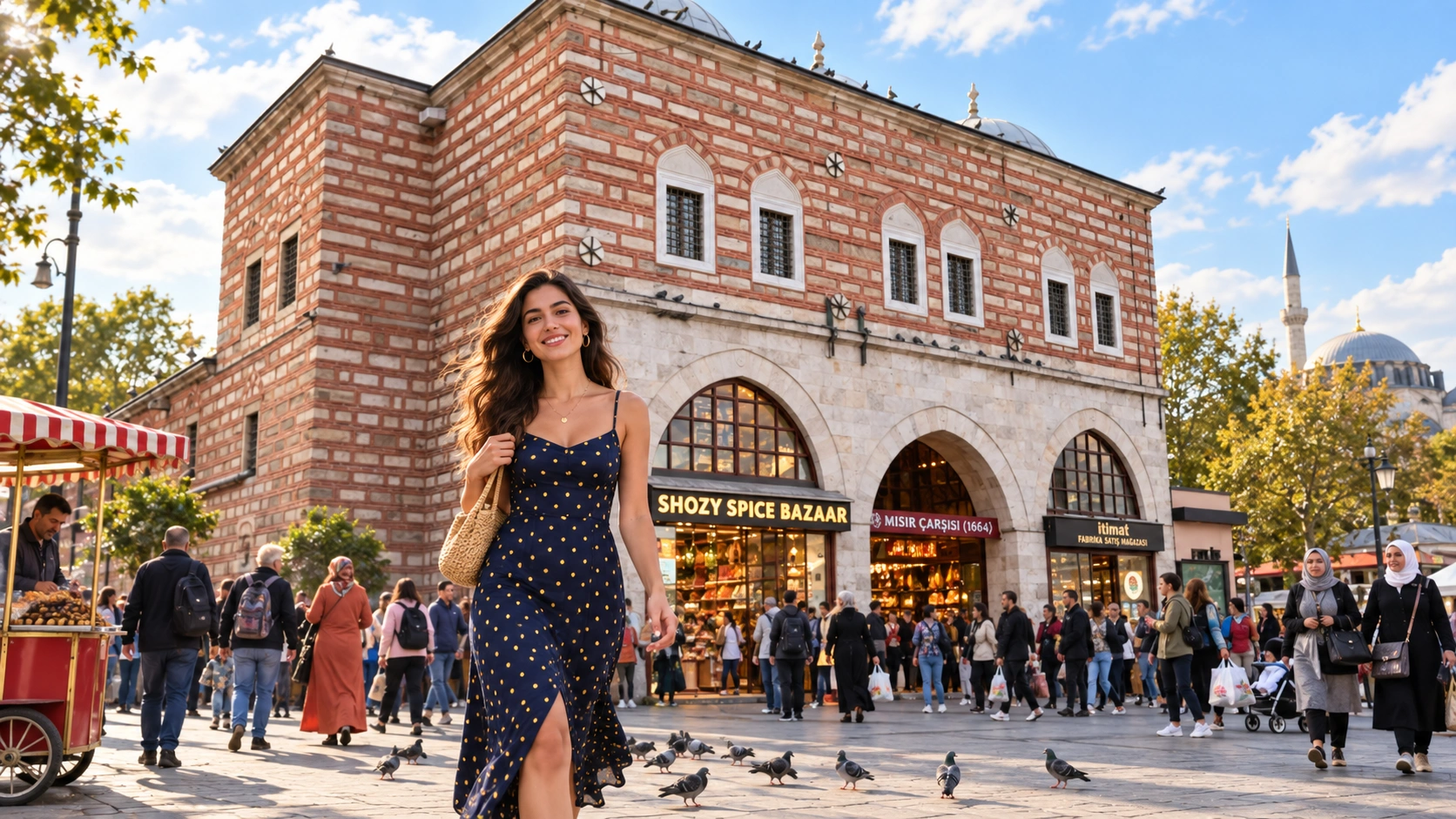
Urban context: Galata Bridge and the Golden Horn ferry piers sit a short walk away; Rüstem Pasha Mosque is nearby in the Tahtakale fabric; the Grand Bazaar is a separate inland walk or short transit hop toward Beyazıt, not the next corridor of this building. Broader Istanbul maps: Istanbul attraction places.
What to buy
Spices, sweets, nuts and food gifts — not “everything imaginable”
The Spice Bazaar is a food-and-gift market with a jewelry and souvenir fringe. It is not the Grand Bazaar’s leather-and-carpet universe. Focus shopping time on culinary products first.
| Product | What it is | What to check | Good for travel? | Practical note |
|---|---|---|---|---|
| Sumac, pul biber, isot, cumin, nigella, cinnamon | Everyday Turkish spices and chili flakes | Price per 100 g / kg; aroma; sealed pack | Yes — dry goods pack well | Compare weight before accepting a filled bag |
| Saffron | High-value stigma threads | Weight, origin story, price realism | Yes if sealed and clearly labelled | Extremely cheap “saffron” is a red flag; see saffron section |
| Turkish delight (lokum) | Starch-gelled sweets; pistachio, rose, mixed | Freshness, nut content, vacuum option | Yes — box or vacuum pack | Taste samples; see Turkish delight guide |
| Nuts & dried fruit | Pistachios, hazelnuts, almonds, apricots, figs | Roast date feel, oiliness, sealed bags | Yes | Allergens matter; declare if asked at customs |
| Tea & Turkish coffee | Black tea, herbal/fruit blends, ground coffee | Grind date; sealed packets | Yes | For iconic coffee queues, see Tahmis Sokak below |
| Honey, molasses, oils | Food products, some liquid | Seal integrity; airline liquid rules | Cabin vs checked baggage | No universal customs guarantee |
| Ceramics, small textiles, jewelry | Souvenir fringe | Fixed vs negotiable price | Depends on fragility | Not the main reason most food shoppers come |
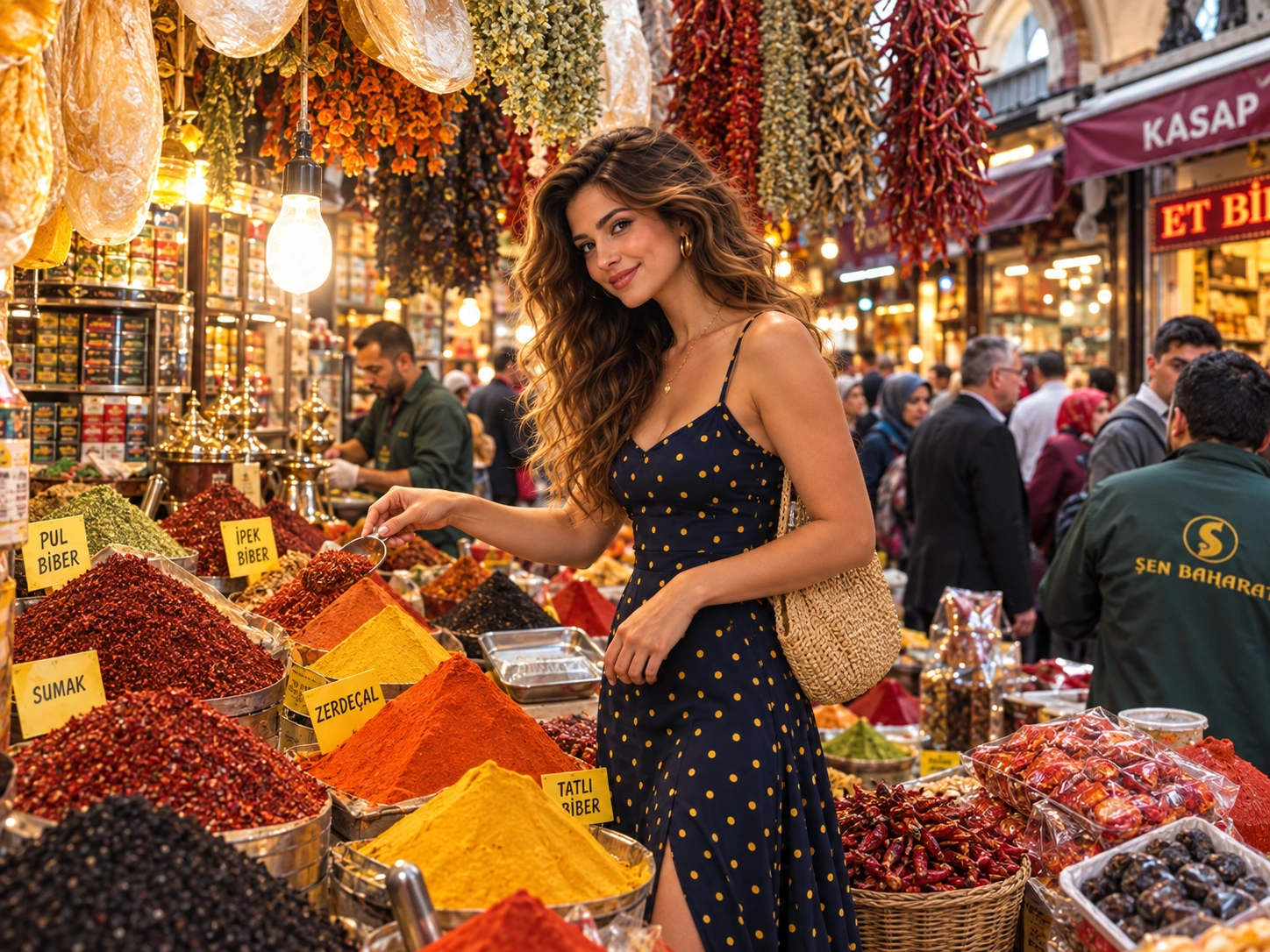
Historic aktar (herbalist) shops belong to culinary and traditional-product culture: dried herbs, teas and oils. That is not a medical clinic. Do not treat stall talk as disease treatment; for health questions, ask a qualified professional.
Saffron
Buying saffron at the Spice Bazaar — practical caution
Real saffron is expensive because it is labor-intensive stigma threads. Origin can vary by season and supplier. Ask for the weight you are paying for, and whether the pack states origin. Extremely cheap “saffron” should make you pause.
Travellers also confuse saffron with cheaper yellow colouring products such as safflower. Colour alone is not proof. Look for thin red threads (often with trumpet-shaped tips), a deep aroma, and packaging that matches the weight quoted. This page does not accuse any named shop of selling fakes — it only flags buyer checks that apply in any spice market.
Sweets · nuts
Turkish delight, baklava boxes and kuruyemiş
Lokum is one of the easiest edible souvenirs from this market: pistachio, rose, pomegranate and mixed boxes are common. Prefer shops that let you taste, confirm nut content if allergies matter, and offer vacuum or sealed gift packs for travel. Baklava, cezerye, pestil and köme appear in some food stalls; treat them as optional extras, not the whole reason for the visit. For a deeper lokum reading, use the same-language Turkish delight page.
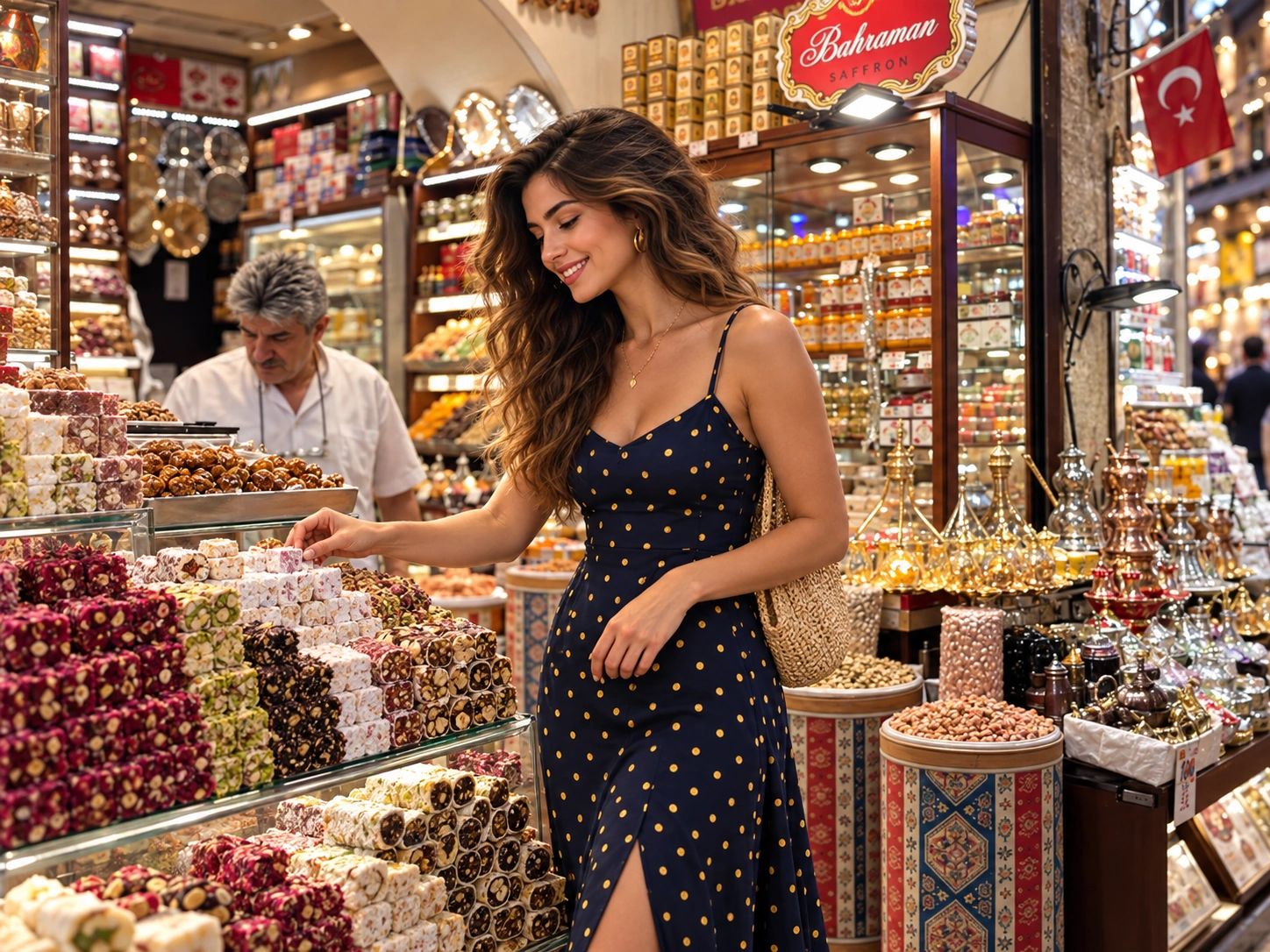
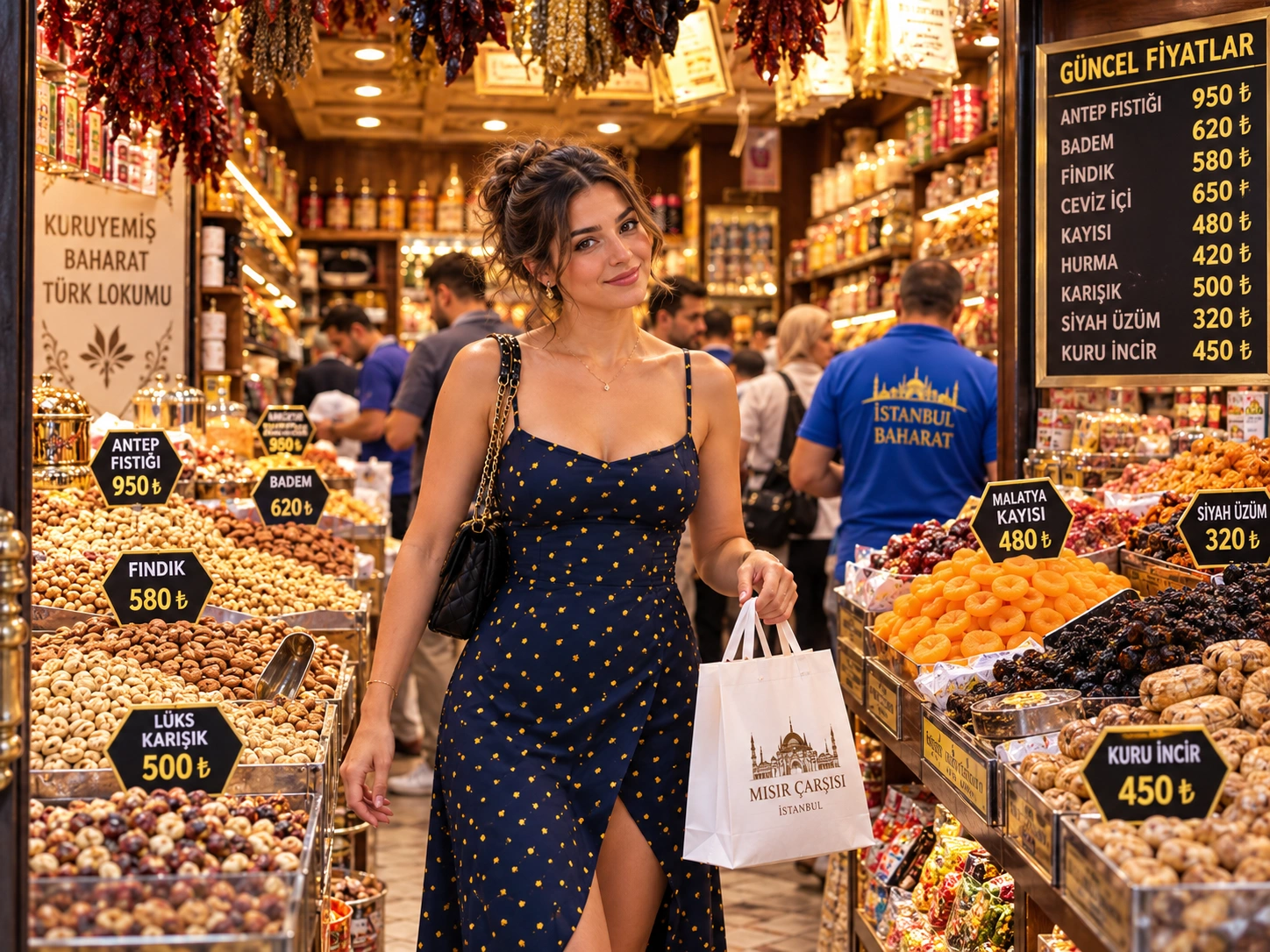
Nuts and dried fruit (kuruyemiş) fill many counters: Antep-style pistachios, hazelnuts, almonds, dried apricots, figs and raisins. Smell for rancid oil, ask for sealed packs, and confirm the total before packaging. Honeycomb honey and cheeses or cured meats may appear; liquids and dairy-filled sweets need airline and customs attention.
Shops · audited soft
Current-leaning shops and nearby businesses
Directories change. The table below uses company sites and recent Istanbul listings for soft ACTIVE status. It is not a paid ranking and not a guarantee every stall number stays fixed.
| Shop / business | Location context | Known for | Current status | Practical note |
|---|---|---|---|---|
| Hazer Baba | Inside (multiple stall numbers on company site) | Lokum, packaged sweets, tea gifts | ACTIVE | Confirm which stall you enter; vacuum packing often offered |
| Arslan Baharat (Arslan Baba) | Inside — company lists No:39 | Spices, teas, lokum lines | ACTIVE | Culinary herbs, not medical prescriptions |
| Malatya Pazarı | Inside (directory listings) | Dried fruit, nuts, honey lines | ACTIVE soft | Do not confuse with Malatya city’s separate markets |
| Marmara Lokum | Inside (directory listings) | Lokum / sweets | ACTIVE soft | Taste before large boxes |
| Acar Baharat | Inside (directory listings) | Ground spices, pul biber, sumac | ACTIVE soft | Ask price per weight |
| Attar İstanbul | Inside (directory listings) | Oils, aromatic blends | ACTIVE soft | Fragrance / culinary framing — no cure claims |
| Mişmiş Kuruyemiş | Inside (directory listings) | Nuts and snacks | ACTIVE soft | Sealed packs for travel |
| Hayfene | Inside (directory listings) | Spices, flower teas, blends | ACTIVE soft | Saffron — use weight/price checks |
| Zen Diamond | Jewelry zone listings | Gold / silver / stones | ACTIVE soft | Jewelry pricing ≠ spice shopping |
| Kocaoğlu Gift | Gift / gallery listings | Textiles and gifts | ACTIVE soft | Souvenir fringe |
| Pandeli | Upper floor at bazaar entrance (Mısır Çarşısı içi) | Historic restaurant | ACTIVE | Meal reservation culture — not a spice stall |
| Kurukahveci Mehmet Efendi | Outside — Tahmis Sokak | Fresh-ground Turkish coffee | ACTIVE | Adjacent classic — not inside the L-shaped hall |
Compare
Spice Bazaar vs Grand Bazaar
Visitors often do both in one Historic Peninsula day. Keep the jobs separate.
| Feature | Spice Bazaar (Mısır Çarşısı) | Grand Bazaar (Kapalıçarşı) |
|---|---|---|
| Main focus | Food, spices, sweets, packaged gifts | Jewelry, textiles, leather, wider souvenirs |
| Area | Eminönü / Yeni Cami | Beyazıt / inland Historic Peninsula |
| Scale | Smaller L-shaped covered market | Much larger multi-street covered complex |
| Best for | Edible gifts and spice shopping | Broader retail browsing |
| Typical visit | Shorter (often 45–90 minutes shopping) | Longer if you explore deep |
| History caution | 17th-c. Yeni Cami endowment (~1660s) | Earlier Ottoman covered-bazaar core (15th c. onward) |
Full Grand Bazaar guide: Grand Bazaar. Other market maps: local bazaars in Istanbul and Mahmutpaşa bazaar.
Nearby shopping
Hasırcılar, Tahtakale, Mahmutpaşa — outside the L-hall
These areas sit around Eminönü–Tahtakale commercial fabric. They are not rooms inside Mısır Çarşısı.
| Shopping area | Relation to Spice Bazaar | Best for | Important note |
|---|---|---|---|
| Hasırcılar Caddesi | Immediate commercial streets beside / behind | Everyday retail density, spillover shopping | Outside the covered L |
| Tahtakale | Short walk into wholesale/retail lanes | Kitchenware, household, local commerce | Busy pedestrian streets — not a tourist “souk brand” |
| Mahmutpaşa | Uphill toward Grand Bazaar routes | Clothing and bargain retail | Separate shopping logic — see Mahmutpaşa guide |
| Grand Bazaar | Separate destination inland | Jewelry / textiles / souvenirs | Different building, different history |
| Tahmis Sokak | Adjacent coffee street | Kurukahveci Mehmet Efendi and coffee culture | Outside the bazaar hall |
Nearby landmarks
What to combine with a Spice Bazaar stop
| Nearby place | Why combine it | Approx. walk / transit note |
|---|---|---|
| Yeni Cami (New Mosque) | Same complex story; exterior photos | Immediate — beside the bazaar |
| Eminönü Square / waterfront | Ferries, street food energy | 2–5 minutes walk |
| Galata Bridge | Golden Horn views; cross to Karaköy | ~5–10 minutes walk |
| Rüstem Pasha Mosque | Compact tiled mosque in Tahtakale fabric | Short walk inland |
| Grand Bazaar | Second shopping stop | Uphill walk or short tram/taxi; plan extra time |
Hours · entry · money
Opening hours, free entry, bargaining and packing tips
Entry to walk the corridors is free. Products and restaurant meals are paid separately. Guided tours are optional, not required.
Hours are soft. Many visitor sources cite roughly 08:00–19:30 on ordinary days, with Sunday sometimes opening later or closing earlier depending on the listing you read. Individual shops may differ. Religious and national holidays can close or shorten trading. Confirm the day-of schedule rather than trusting an old summer/winter split copied from a previous article.
Bargaining: packaged food shops often show listed prices; souvenir and jewelry talk may allow negotiation. There is no rule that you must “always cut 50%.” Compare price per 100 g or kilo, and confirm the total before a bag is sealed.
Packing: ask weight and total first; prefer vacuum or sealed packs; check dates; mind nut and dairy allergens; airline liquid rules apply to honey and oils; destination customs for food vary — no universal guarantee.
Best time soft tip: weekday mornings are often calmer than weekend mid-afternoons; lunch and late afternoon can feel denser. Crowd feel is observational, not a scientific ranking.
Getting there
Tram, ferry, walk and chauffeur to Eminönü
| From | Best option | Stop | Practical note |
|---|---|---|---|
| Sultanahmet / Old City | T1 tram or short chauffeur | Eminönü | Walk from tram stop to Yeni Cami side |
| Taksim | F1 funicular + T1, or metro/tram mix, or chauffeur | Eminönü | Direct driving avoids stair transfers with bags |
| Kadıköy / Üsküdar | City ferry to Eminönü (common routes) | Eminönü pier | Confirm current pier and timetable; do not assume every Asian pier runs direct |
| Sirkeci / Marmaray | Walk | — | Short walk toward Eminönü square |
| IST / SAW airports | Private transfer | Hotel or Eminönü drop-off | See airport transfer links below |
Eminönü traffic and parking are difficult. A chauffeur drop-off near Yeni Cami / Galata Bridge approaches is usually easier than hunting a free space. The driver waits or returns for pickup; they do not escort you stall to stall or bargain for spices.
Hotel → Eminönü shopping runs and airport links: car with driver, IST transfer, SAW transfer, VIP transfer.
FAQ
Egyptian Bazaar / Spice Bazaar FAQs
What is the Spice Bazaar in Istanbul?
It is Mısır Çarşısı — a historic covered market in Eminönü beside Yeni Cami, known for spices, lokum, nuts, tea and packaged food gifts.
Why is it called the Egyptian Bazaar?
English and older Ottoman usage link the name to Egypt-related trade and revenue stories that stuck by the eighteenth century. Same building as the Spice Bazaar / Mısır Çarşısı.
Is Mısır Çarşısı the same as the Spice Bazaar?
Yes. One place, three common names.
When was the Spice Bazaar built?
As part of the Yeni Cami complex under Turhan Sultan, commonly dated to the early 1660s with completion often around 1664 — not 1461.
Is the Spice Bazaar older than the Grand Bazaar?
No. The Grand Bazaar’s early covered core is older (fifteenth-century Ottoman development). The Spice Bazaar is a seventeenth-century endowment market.
What can I buy at the Spice Bazaar?
Spices, saffron (with caution), Turkish delight, nuts, dried fruit, tea, coffee packs, honey/oils and some souvenirs or jewelry.
Is Turkish delight good to buy there?
Yes for sealed gift boxes — taste first, check nuts, prefer vacuum packing for flights. See also the Turkish delight guide.
Can I buy real saffron at the Spice Bazaar?
Reputable packs exist, but quality varies. Ask weight and origin; treat extremely cheap offers with caution. This page does not accuse specific shops.
How can I tell saffron from safflower?
Saffron is thin red stigma threads with a strong aroma; safflower is a cheaper yellow colouring flower product. Colour alone is not proof — check weight, price realism and labelling.
Are prices fixed? Can I bargain?
Many food packs show listed prices; some souvenir deals may allow negotiation. Compare per 100 g / kg. No “always 50% off” rule.
Is the Spice Bazaar free to enter?
Yes. Shopping and restaurant meals are paid separately.
What are the current opening hours? Is it open on Sundays?
Hours are soft — often cited around 08:00–19:30, with Sunday sometimes different. Confirm the day you go; holidays may close shops.
Is Kurukahveci Mehmet Efendi inside the Spice Bazaar?
No. It is on Tahmis Sokak, immediately outside / adjacent — a classic coffee stop after the bazaar.
What is near the Spice Bazaar? How far is the Grand Bazaar?
Yeni Cami, Eminönü ferries, Galata Bridge and Tahtakale streets are adjacent. The Grand Bazaar is a separate inland destination — plan a walk or short transit, not a next-door door.
How do I reach it from Sultanahmet, Taksim or Kadıköy?
Sultanahmet: T1 tram to Eminönü. Taksim: funicular/tram combinations or chauffeur. Kadıköy: city ferry to Eminönü when that route is running — check the day’s pier.
Is it suitable for families? How long should I spend?
Yes for most families — crowded aisles, watch children near carts. Many visitors shop 45–90 minutes; add time for Pandeli or Tahmis coffee.
What food products can I take home?
Dry spices, sealed lokum and nuts usually travel well. Liquids and fresh dairy need airline/customs checks. Rules vary by destination.
Cab Istanbul
Hotel to Eminönü without parking stress
If you prefer a direct hotel pickup to Yeni Cami / Eminönü, Cab Istanbul can arrange a chauffeur car for the shopping stop and a later return — or connect IST and SAW airport arrivals to your hotel before you walk the bazaar. Drivers provide transport only: no personal-shopper service, no merchant negotiation and no licensed guiding inside the market.
Useful links: car with driver in Istanbul, Istanbul Airport transfer, Sabiha Gökçen transfer, VIP transfer.