
Fur & Leather Shopping in Istanbul: What Smart Buyers Need to Know
Istanbul has been producing leather and fur for centuries. Today, Zeytinburnu holds one of the world's largest concentrations of leather and fur showrooms in a single district — and visitors who arrive prepared leave with excellent value. Those who do not can pay tourist prices for inferior goods. This guide explains the difference.
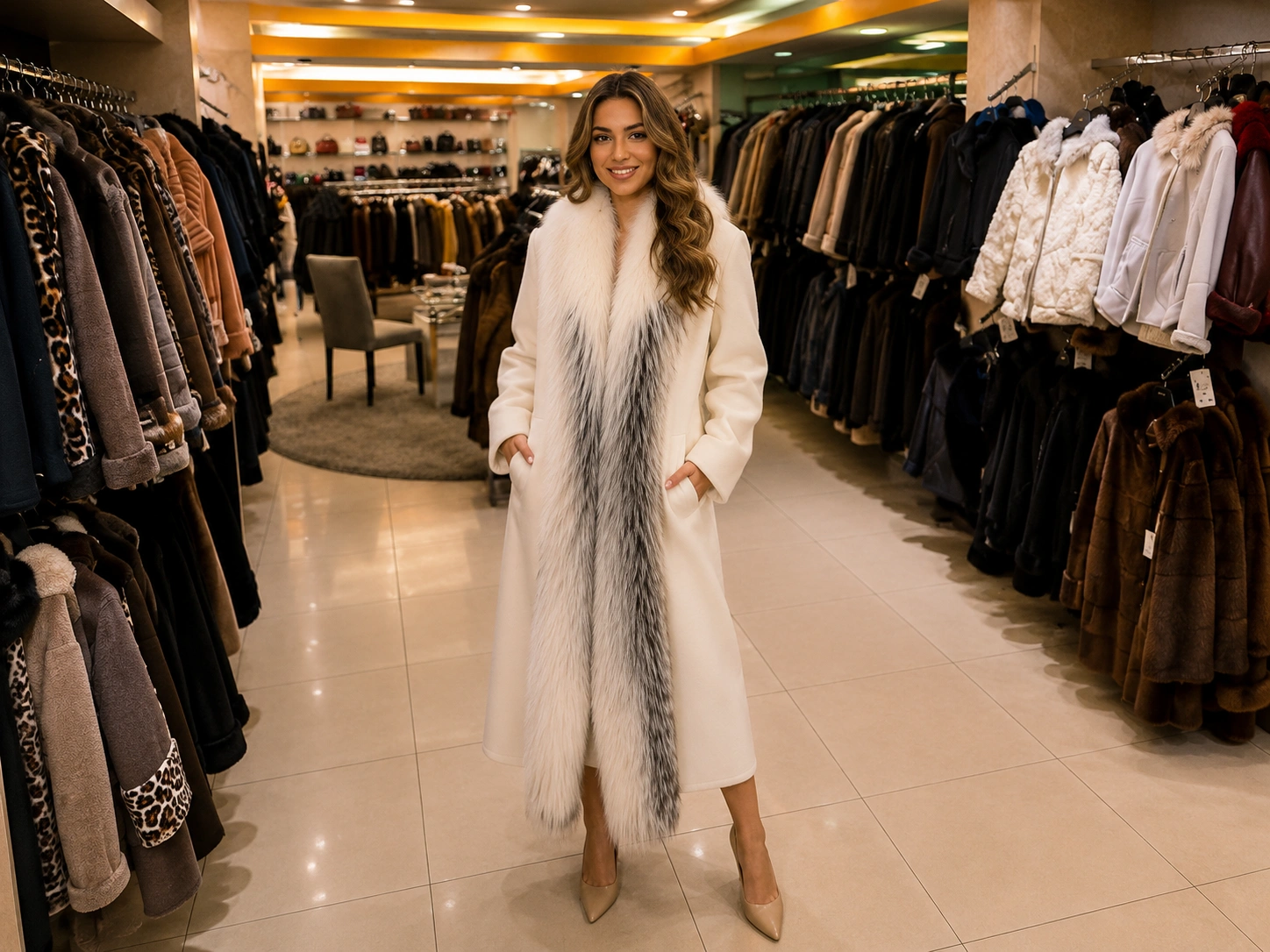
Where Should You Buy Fur and Leather in Istanbul?
Zeytinburnu for quality and value at production-level prices. The Grand Bazaar for atmosphere and active bargaining. Nişantaşı for international luxury brands — not for Turkish-made leather. Here is the practical breakdown before we go further.
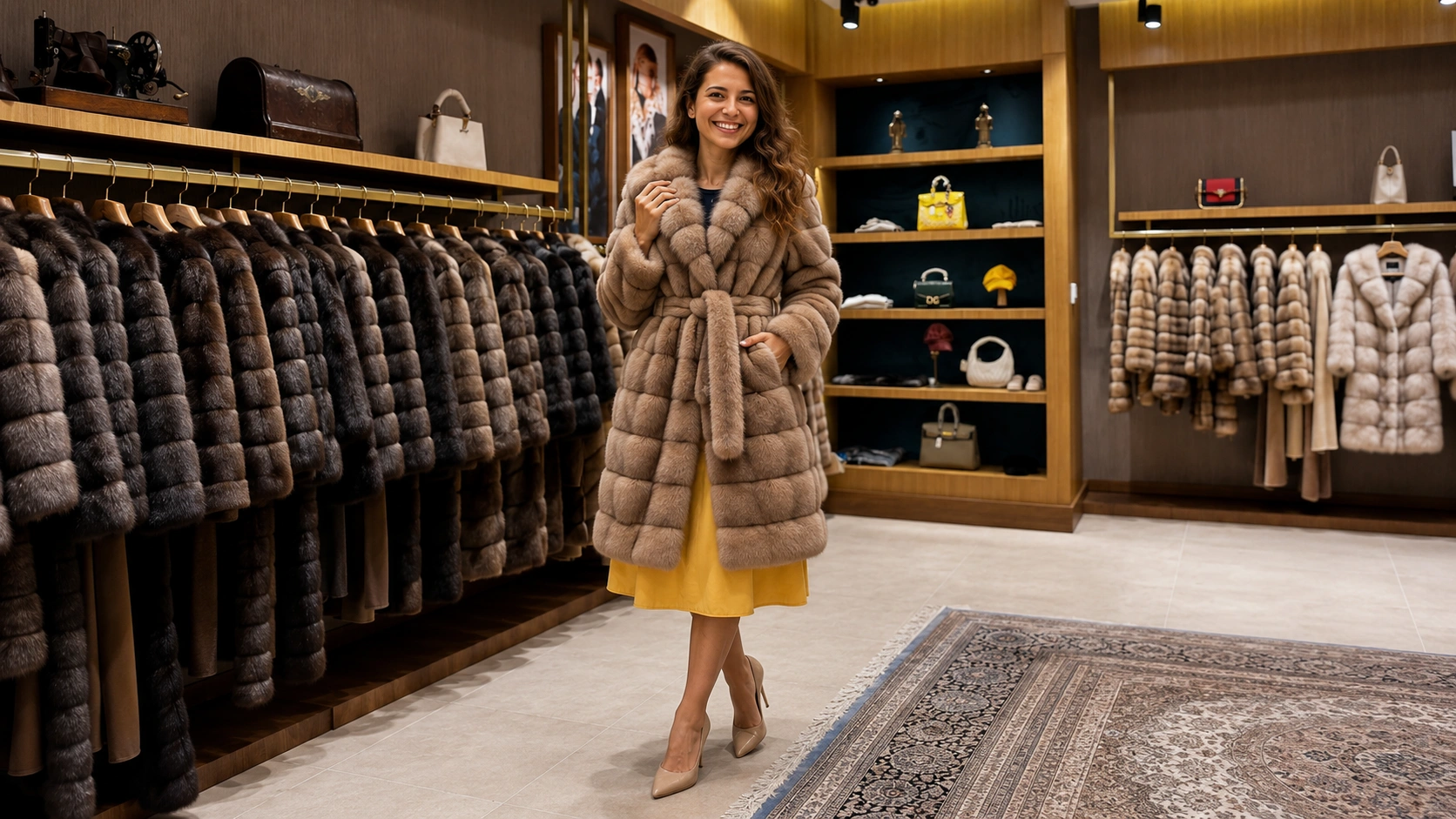
Zeytinburnu
Factory showrooms with fixed prices. Istanbul's largest and most professional leather and fur retail hub. Best for jackets, shearling, fur coats, and leather goods at direct-production prices. Prices are set — no haggling — but generally competitive and lower than European retail for comparable quality.
Grand Bazaar
Hundreds of leather stalls, active bargaining culture, wide quality range. Best for experienced buyers or those who want the negotiation experience. Quality varies sharply between stalls — careful inspection is required. See our Grand Bazaar guide before visiting to orientate yourself.
Laleli District
Primarily wholesale but generally open to retail buyers. Lower prices and a business-oriented atmosphere with minimal tourist pressure selling. Worth visiting if you want to compare manufacturing-level prices or are buying multiple items.
Istanbul Fur & Leather Shopping Areas Compared
| Shopping Area | Best For | Pros | Watch Out For |
|---|---|---|---|
| Zeytinburnu (Beşkardeşler) | Leather jackets, shearling, fur coats, leather goods at production prices | Fixed prices, professional showrooms, wide selection, established names, composition certificates available on request | No direct public transport to the showroom doors (short walk from Marmaray); some tour-group commission arrangements operate — compare at least 2–3 stores before buying |
| Grand Bazaar | Leather bags, belts, wallets, accessories; atmospheric experience | Central location, huge variety, genuine bargaining culture, historic setting | Highly variable quality; pressure selling common; tourist opening prices can be several times the acceptable final price; fake labelling risk is higher here than in specialist showrooms |
| Laleli | Wholesale or bulk purchases; fashion buyers; budget-first shoppers | Lower prices than tourist areas; minimal pressure selling; business-like atmosphere | Primarily wholesale — some sellers prefer minimum quantities; quality checking still required |
| Nişantaşı | International luxury brand clothing and accessories | Authentic flagship stores for global brands; reliable quality and brand guarantees | Not a Turkish leather or fur destination — no Istanbul-produced leather at reduced prices here. Prices are European boutique level. See our Nişantaşı guide for what the district actually offers. |
| Shopping Malls | Chain leather brands (Derimod, accessories chains); standardised quality | Fixed prices, returns policies, air-conditioned, major payment options accepted | Mass-market retail — not specialist production showrooms. See our Istanbul shopping malls guide for the full picture. |
Zeytinburnu: The Beşkardeşler Leather and Fur District
Zeytinburnu’s leather and fur industry has roots stretching back to the Ottoman period, when tanneries and leather workshops were first clustered on the western edge of the city. Today, the Beşkardeşler sub-district — centred on a cluster of streets near the coast — holds over 200 showrooms, workshops, and wholesale outlets. It is one of the densest concentrations of leather and fur retail in the wider region and a significant source of export production for European, Russian, and Gulf markets.
What distinguishes Zeytinburnu from tourist shopping areas is the business model: these are production-adjacent showrooms, not souvenir stalls. Pricing is generally fixed, professional, and reflects actual manufacturing costs rather than inflated tourist opening figures. The quality range runs from affordable mid-market jackets to premium fur coats and luxury leather goods. The key difference is that you need to arrive knowing how to assess what you are looking at — sellers here may be experienced exporters who know their buyers well.
Getting There
- From Sultanahmet: Marmaray suburban rail from Sirkeci station to Zeytinburnu, then approximately a 5-minute walk toward the coast. Journey time: 15–20 minutes.
- From Taksim: Funicular to Kabatatş, then tram (T1 line) toward Bağcılar, exit at Zeytinburnu stop. Journey time: 25–35 minutes.
- By taxi: Approximately €8–12 from Sultanahmet; €12–18 from Taksim on a metered licensed taxi. Prefer a booked private car if you are concerned about commission-based routing to specific shops.
How Long to Allow
Plan 2–4 hours minimum for a comparison shopping trip. For a significant fur purchase, a full half-day is more realistic — visiting three or four showrooms before committing gives you reliable market context and reduces the risk of overpaying.
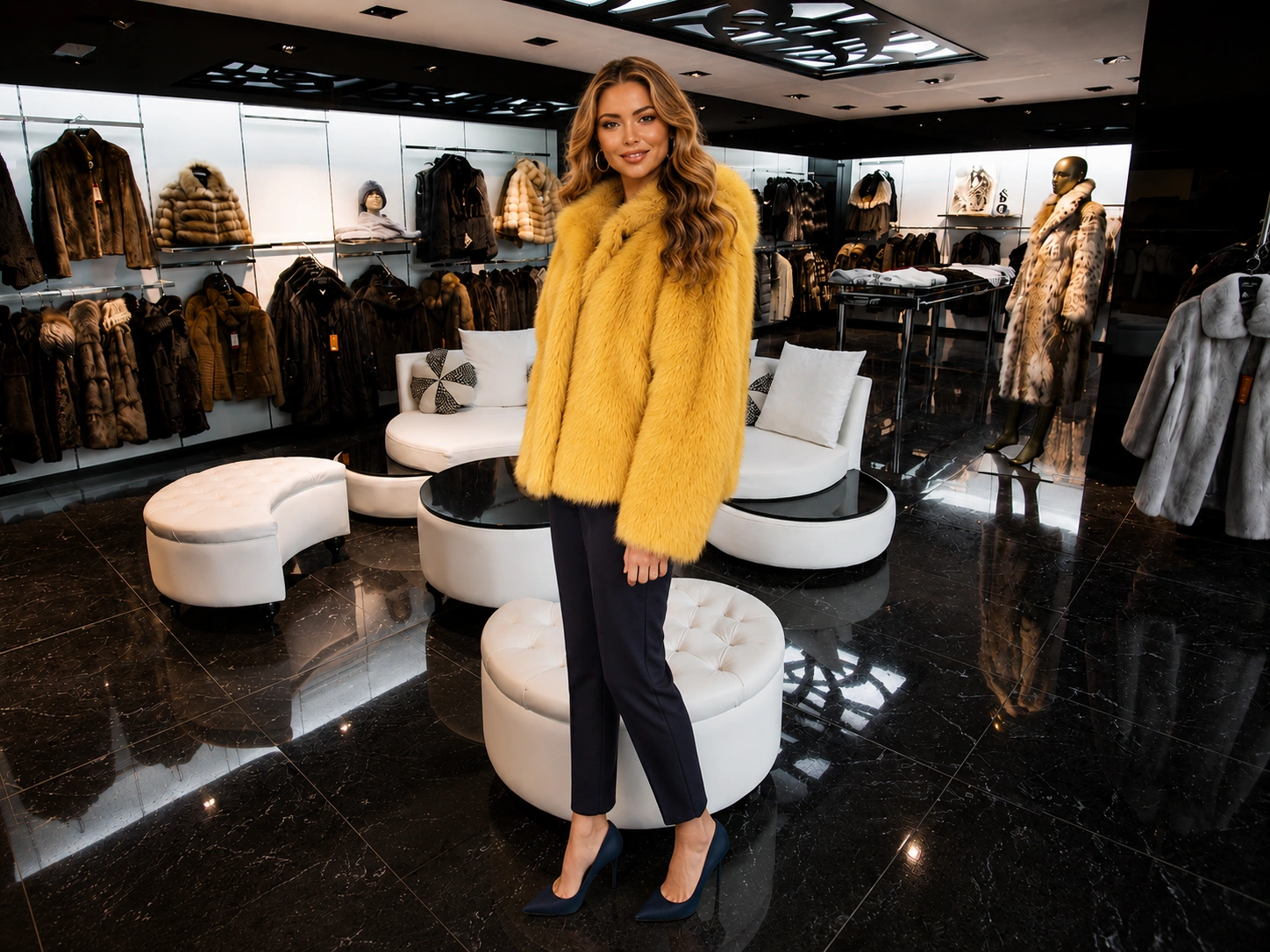
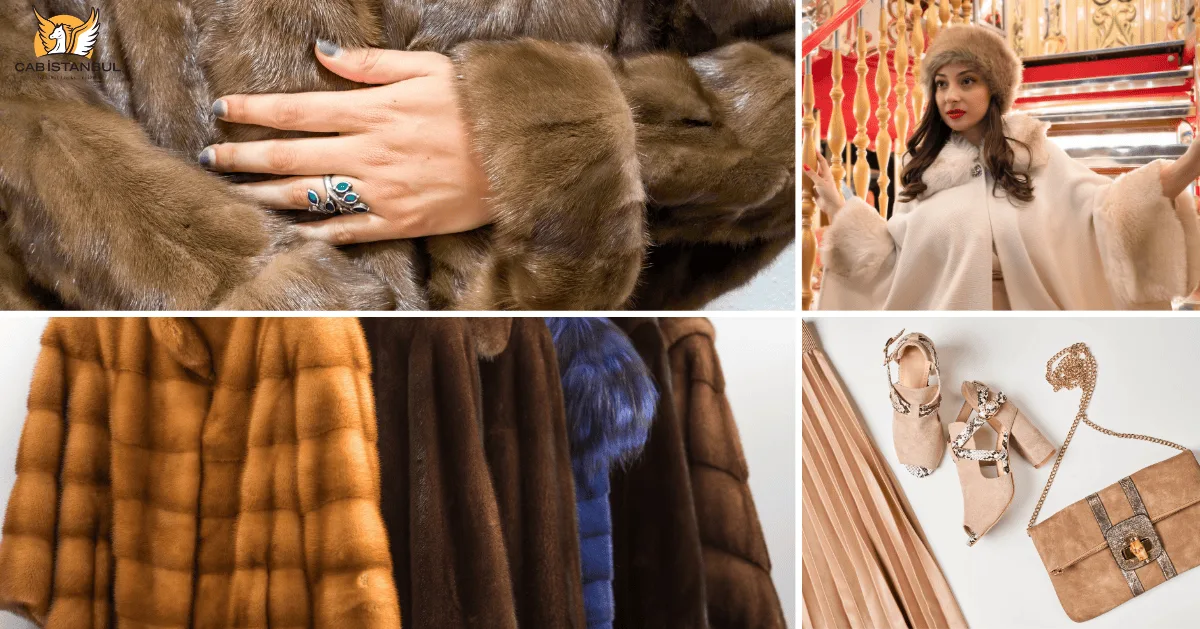
Leather Jackets, Shearling, Suede, Faux Fur and Real Fur
Istanbul’s leather and fur showrooms cover a broad range of product types. Here is what to expect in each category and what to keep in mind as a buyer:
- Leather jackets (men’s and women’s): The most competitive category. Turkish lambskin and nappa leather jackets are well-regarded in European export markets. Styles range from classic biker cuts to tailored blazers and long coats. Quality varies significantly even within the same showroom; always inspect stitching, zipper weight, and lining quality before committing.
- Shearling coats: Genuine shearling uses sheepskin with the wool still attached — the outer leather and the inner wool come from the same hide. It is warm, durable, and represents one of the more consistent values in Istanbul. Faux shearling pairs a synthetic wool lining with a separate leather or suede outer; not necessarily inferior, but structurally different and worth distinguishing.
- Suede jackets and coats: Suede is split-grain leather — softer than full-grain but less water-resistant. Both genuine suede and suede-effect synthetic alternatives are available. Ask and confirm which you are looking at before purchase.
- Faux fur coats: Growing in range and quality. A practical alternative for buyers concerned about animal welfare, customs complications, or destination-country import rules. High-quality faux fur has improved considerably and some pieces require close inspection to distinguish from real fur.
- Real fur and mink coats: Istanbul has historically been a significant market for real fur, with product sourced from international auctions. Before purchasing, read the ethical and legal considerations below carefully.
- Leather bags, belts and accessories: The Grand Bazaar and Laleli offer more competitive prices on accessories than Zeytinburnu, which focuses primarily on outerwear. For leather bags, compare both areas.
- Made-to-measure and alterations: Several Zeytinburnu showrooms offer alterations and made-to-order options, particularly for fur coats. Delivery within a few days is common for straightforward modifications. Confirm lead times and costs in writing.
What to Expect to Pay: USD Price Ranges
All figures below are approximate market estimates compiled from tourism reports, visitor forums, and trade sources from 2024–2026. No Istanbul leather or fur retailer publishes current USD price lists publicly. Turkish lira fluctuation means any TRY-denominated price from more than a few months ago is unreliable for planning. Treat these ranges as expectations — not as current quotes. Always compare at least two or three stores before committing to a significant purchase.
| Product | Approx. USD Range | What Affects Price | Buyer Caution |
|---|---|---|---|
| Women’s leather jacket | $200–$500 (mid-range); $600+ (premium) | Leather type (lambskin vs. nappa vs. cowhide), stitching detail, lining quality, brand | Below approximately $150 almost certainly indicates bonded leather or PU synthetic — verify composition before purchase |
| Men’s leather jacket | $250–$500 (mid-range); $700+ (premium) | Same factors as women’s; heavier cowhide styles typically cost more than softer lambskin equivalents | Quality zippers (YKK brand is a reliable indicator) and consistent stitching are minimum signals of a solid purchase |
| Suede jacket or coat | $180–$450 (estimate) | Suede type and grade, lining, length, hardware quality | Current price could not be verified from a reliable current source; treat as a market estimate and compare several stores before purchase |
| Shearling coat | $900–$2,000 (mid-length); $1,500–$3,500+ (full-length) | Wool grade and density, hide origin, coat length, leather finishing quality | The price gap between genuine and faux shearling is significant; confirm material composition before negotiating |
| Faux fur coat | $120–$500 (estimate) | Pile depth and quality, lining, length, brand positioning | Current price could not be verified from a reliable current source; treat as a market estimate |
| Real fur coat (mink, fox) | $1,500–$8,000 (entry to mid-range); $10,000+ (luxury, full-length premium) | Fur species and grade, farm origin, colour uniformity, coat length, lining quality, documentation included | Prices vary dramatically by type and quality. A coat offered substantially below the lower range without documentation warrants serious scrutiny. Read the customs section before purchasing. |
| Leather handbag (mid-range) | $80–$350 | Leather type, hardware quality, lining, size, brand | Grand Bazaar and Laleli may offer lower prices than Zeytinburnu for accessories; compare both if this is your priority |
| Leather belt or wallet | $20–$80 | Leather type, hardware, stitching | Entry-level leather accessories in tourist areas frequently use bonded or PU leather; check edge texture carefully |
Off-season discounts: Leather and fur outerwear is primarily a winter product. Shopping between March and October typically yields 20–40% reductions compared to peak winter pricing in showrooms. Ask directly whether a promotional price is currently available.
VAT refund (KDV iade): Tourists can reclaim approximately 10–12% Turkish VAT on qualifying purchases above a minimum threshold (verify the current minimum threshold before your trip, as it changes periodically). Request a Global Blue or Tax Refund Point invoice from participating shops, and ensure it is stamped at Turkish customs before departure. Leather clothing falls in the 10% VAT bracket.
Mink Coats in Istanbul: A Showroom View
This video provides a visual introduction to the range of fur coats typically available in Istanbul’s showrooms — styles, lengths, and production quality at the upper end of the market. It originates from a commercial source and represents one showroom’s perspective, not an independent market overview or an endorsement.
Before purchasing any real fur coat, read the ethical and customs sections of this guide. Import restrictions for real fur vary by destination country and are changing in several markets as of 2025–2026.
How to Judge Leather Quality Safely In-Store
You do not need to perform any destructive tests to assess leather quality. Do not cut, pierce, flame-test, or damage merchandise you have not yet purchased — this will not end well, and you are unlikely to learn anything more reliable than the non-destructive checks below.
- Smell test: Genuine leather has a warm, earthy, faintly musky scent. Warm the material between your hands for a few seconds and then smell it. Synthetic leather releases a chemical or plastic-like odour under the same test.
- Touch and flex: Real leather warms quickly to body temperature, bends with subtle natural creases, and springs back softly. PU or PVC alternatives feel cooler, stiffer, or artificially rubbery when bent.
- Surface variation under light: Hold a large leather panel under direct light and look across the surface at an angle. Genuine leather has natural grain variation, visible pore patterns, and minor irregularities. Synthetic leather has a perfectly uniform, machine-stamped texture repeated identically across the entire surface.
- Edge inspection: Ask to examine the edge of a seam or the back of a strap. Genuine leather shows fibrous, slightly rough texture at the cut edge. Synthetic material shows a fabric substrate with a thin coating — often clearly visible as two distinct layers.
- Water drop test: Apply two drops of water to an inconspicuous area (inside facing, back panel, seam allowance). Genuine leather absorbs the water within a few seconds, leaving a small darker patch that dries cleanly. Synthetic leather repels the water, which beads on the surface.
- Label reading: Look for “Hakiki Deri,” “Genuine Leather,” “Full Grain,” or “Top Grain” on the product label. The presence of “PU,” “PVC,” or “Eco Leather,” or the complete absence of any material declaration, is informative.
- Stitching: Quality jackets have 8–10 stitches per inch, consistent spacing, and no loose threads at stress points (shoulders, cuffs, pockets, collar). Uneven or crossing stitches at these points indicate construction quality issues regardless of material.
- Zipper weight: Quality leather outerwear uses solid metal zippers. The pull should feel heavy and glide without catching. Hollow chrome-plated pulls or light plastic zippers suggest cost-cutting in the manufacturing process.
- Lining inspection: Open the garment and feel the lining. Quality lining is smooth (often acetate satin), cool to the touch, and stitched cleanly where it meets zipper tape and hem. A lining that crinkles, feels rough, or appears to be glued rather than stitched is a low-quality indicator.
- Request the composition certificate: Reputable Zeytinburnu showrooms can provide a product composition card specifying all materials. An itemised invoice stating the materials is also required if you plan to claim a VAT refund or need customs documentation. A seller who hesitates at this request is worth questioning.
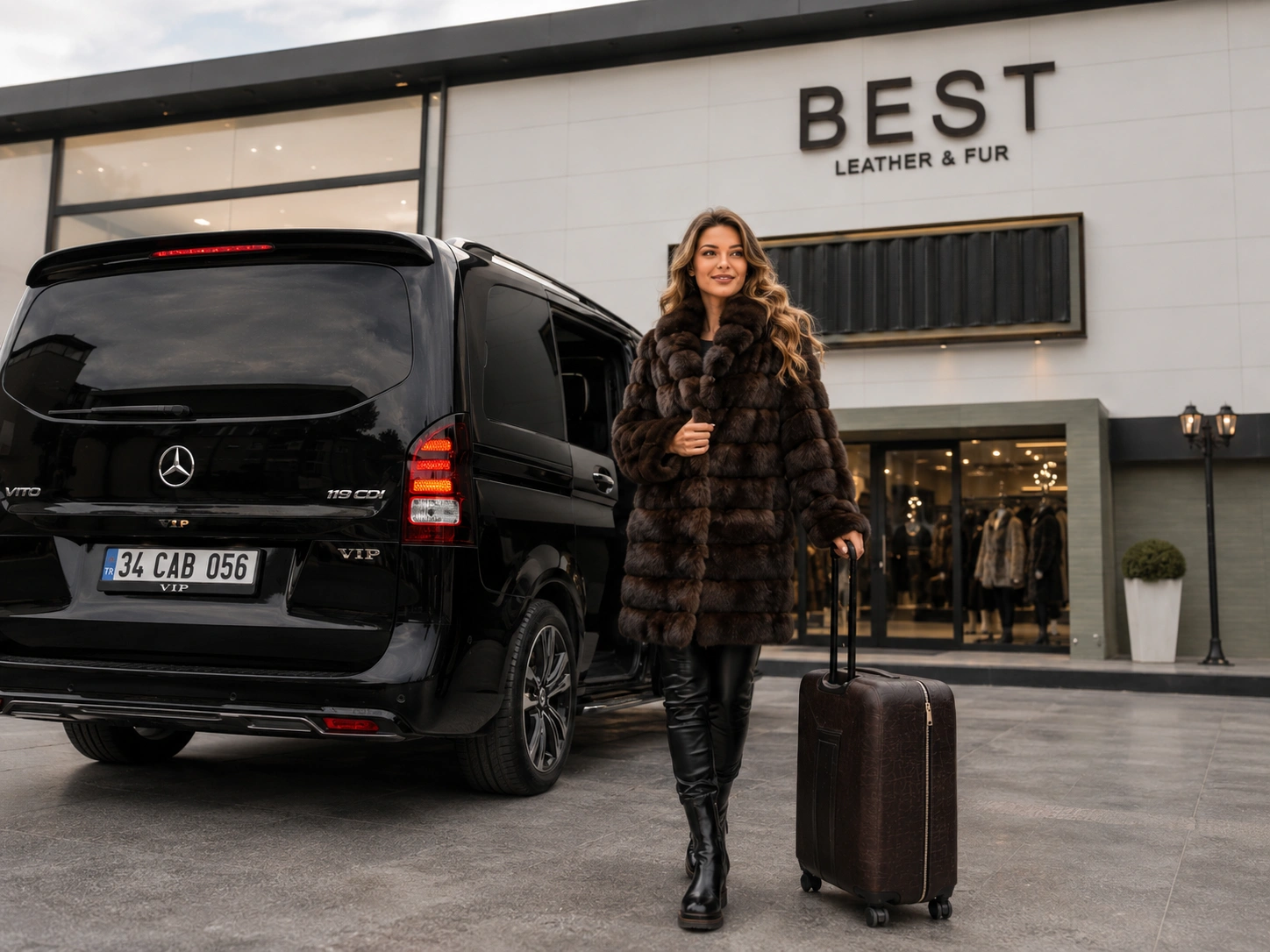
Product Quality Signals at a Glance
| Product | Good Signs | Red Flags | Price Logic |
|---|---|---|---|
| Leather jacket | Earthy leather scent; natural grain variation; supple flex; solid YKK-type zipper; consistent stitching; smooth acetate lining | Chemical or plastic smell; perfectly uniform surface; stiff or rubbery feel; lightweight zipper; loose or crossing stitches | Quality lambskin has a real production cost floor; a price below ~$150 is a signal to check the composition carefully before paying |
| Shearling coat | Dense, warm wool on the inside from the same hide as the outer leather; supple outer; seams show no separation between layers; substantial weight for its size | Wool appears too uniform or suspiciously clean; outer and inner appear glued rather than naturally joined; unusually light for its size | Genuine shearling requires full-hide processing and represents a significant material cost; a shearling coat priced similarly to a leather jacket of equivalent size warrants scrutiny |
| Real fur coat | Skin or leather backing visible when fur is parted; fine underwool beneath guard hairs; naturally tapered hair tips; species documentation available from seller | Fabric mesh backing when fur is parted; blunt-cut, uniform hair tips; no underwool layer; seller cannot produce species or origin documentation | Real mink, fox, or sable requires fur farming, auction purchase, and skilled furriery — the cost floor is significant. Very low prices for a claimed real fur coat require explanation. |
| Leather bag | Fibrous edge texture; natural grain variation; solid brass or steel hardware; even interior stitching; leather scent | Smooth cut edges with no visible fibres (bonded leather); surface peeling at corners or seams; hollow or chrome-plated light hardware; glued lining | A genuine full-grain leather bag in Istanbul typically costs $80–$350 depending on size; below $30 in a tourist area almost certainly means synthetic material |
Real Fur, Faux Fur, and What You Need to Know Before Buying
Istanbul’s fur market is substantial and long-established. Before purchasing, it is worth understanding both how to identify what you are looking at and what legal or ethical context applies once you leave Turkey.
How to Distinguish Real Fur from Faux — Without Destructive Tests
- Part the fur to the base (most reliable): This is the definitive test and requires no damage. Part the pile with your fingers and look at what the hairs attach to. Real fur grows from a soft, flexible, tanned skin or leather backing — it looks like the underside of an animal hide. Faux fur attaches to a woven or knitted textile backing — you will see fabric weave or mesh. This distinction is immediate and conclusive.
- Hair tip examination: Look closely at the tips of individual guard hairs in good light. Real fur has naturally tapered, pointed tips — the hairs thin to a fine end. Faux fur is cut during manufacturing and has blunt, flat-cut, uniform tips visible under examination.
- Underwool check: Gently part the outer guard hairs and look for a second, finer layer beneath. Real fur has a dense, soft underwool or underfur below the visible guard hairs. Faux fur has no secondary layer — the hairs go directly to the fabric backing.
- Blow test: Blow gently across the surface. Real fur parts into layers — guard hairs move away to reveal the denser underwool below. Faux fur tends to move as a unified surface without separating.
- Price as a signal: Real mink, sable, fox, and chinchilla require fur farming, international auction sourcing, and skilled furriery. These costs have a floor. A coat presented as “genuine mink” at a price that seems implausibly low should prompt a close inspection of the material.
- Label: EU regulations require real fur to be labelled with animal species. While Turkish domestic labelling law is less prescriptive, reputable exporters follow EU labelling standards for export-oriented products. Ask to see the label.
Ethical and Regulatory Context
The global real fur market has contracted significantly — from an estimated peak of USD $14.7 billion in 2013 to approximately $3.4 billion in 2023. Major fashion brands including Gucci, Prada, Burberry, Giorgio Armani, Chanel, Versace, and Moncler have committed to fur-free collections. Both Condé Nast and Hearst Magazines banned real fur promotion across all their publications in late 2025.
Switzerland enacted import restrictions on fur produced under specific welfare conditions, effective July 2025 with a transition period. A broader EU-wide fur farming and import ban is under European Commission review (as of July 2026 — a decision has not yet been published). Buyers planning to carry real fur into EU countries should monitor this situation and verify current rules before travel.
High-quality faux fur and bio-based alternatives (from plant-derived polymers) are available from many Istanbul showrooms alongside real fur, and carry no customs documentation requirements. This guide presents these facts neutrally — the purchase decision is the buyer’s own.
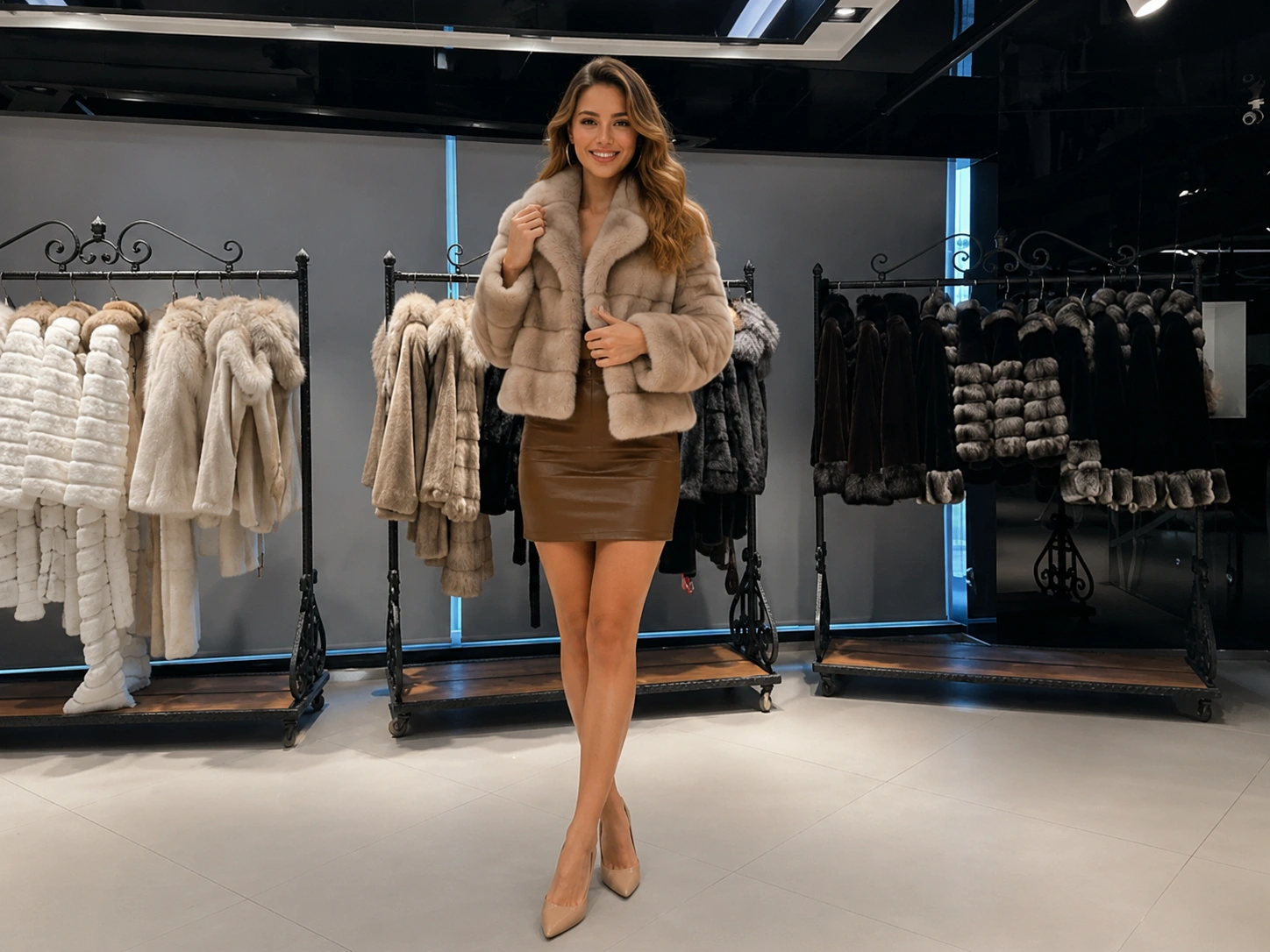
Istanbul Leather and Fur Brands: Starting Points for Research
The following brands are established names in Zeytinburnu and can serve as useful starting points for comparison. We have verified their existence and product categories from publicly available sources. We are not sponsored by, affiliated with, or paid by any of them. Their inclusion here is not an endorsement — prices, quality levels, and service vary. Always compare before committing to a purchase.
Adamo Fur & Leather
One of the larger showrooms in Zeytinburnu, operating a dedicated “mega store” format in the Beşkardeşler area. Carries a broad range of fur and leather outerwear across price points. Offers a written care guarantee certificate for fur products. Verified as active on official site and multiple aggregator sources.
Levinson Leather & Fur
Factory-backed showroom with a substantial production facility. Offers both standard and made-to-measure fur items with relatively fast turnaround. The scale of the production operation is larger than many comparable showrooms, which may be reflected in pricing consistency.
Shaky Leather & Fur
Long-established exporter to European and Russian markets. Known for premium fur items including fox and mink. Products are available at Istanbul store prices, which are typically lower than the equivalent in buyer home markets. Verified active via industry directory listings.
Emelda Leather & Fur
Multi-store leather retailer with a network of showrooms across Turkey and an international presence. Focuses on leather garments with strong export market credentials. One of the longer-established names in the district.
Kırcılar Leather & Fur
Established showroom with a focus on leather and fur design. Has expanded into resort markets across Turkey, which suggests an orientation toward international buyers as well as local retail. Verified in multiple aggregator sources.
Punto Fur & Leather
Specialises in leather, fur, and ready-to-wear garments and accessories. Positions itself toward the upscale end of the Zeytinburnu cluster. Multiple verified locations in the Beşkardeşler area confirmed via official site and mapping sources.
Bilgins Leather & Fur
A Zeytinburnu showroom with particular emphasis on luxury-segment and exotic leather goods — crocodile, python, and high-grade skins alongside mainstream leather and fur. If you are considering exotic leather, read the customs section of this guide carefully before making a purchase. All exotic leather purchases should be accompanied by CITES documentation from the seller.
Derimod: A Different Category
Derimod is a nationally recognised Turkish leather retail chain with stores in shopping malls across Istanbul (İstinyePark, Emaar, airport outlets) — not a Zeytinburnu specialist showroom. It offers accessible, standardised leather clothing, bags, and accessories at fixed mall prices. Derimod is a practical option if you prefer mall shopping with returns policies, but it is not a factory showroom in the same category as the names above.
Research before you visit: Opening hours, current product range, and pricing are best confirmed directly with each showroom. This guide was written in mid-2026 — always verify before travelling specifically to a named location. None of the stores above have been inspected or quality-assessed by Cab Istanbul directly.
Bargaining, Invoices, Warranties and Alterations
Understanding when to negotiate and what paperwork to insist on is the difference between a satisfying purchase and a frustrating one.
Bargaining: Where and When
Zeytinburnu showrooms: Prices are generally fixed. Multiple visitor sources confirm that established showrooms in Zeytinburnu operate on fixed-price models — attempting to haggle aggressively is likely to be unproductive. However, asking about seasonal promotions, end-of-season reductions, or discounts for purchasing multiple items is reasonable and may yield results, particularly between March and October.
Grand Bazaar and independent shops: Bargaining is culturally expected. The first quoted price is typically an opening figure substantially above what the seller will accept. Countering at 40–50% of the first price and working toward a middle point is a normal dynamic. Do not accept the first counter-offer and do not feel pressured to decide quickly.
Useful principle: Never volunteer your budget. Mention what you are looking for, not how much you plan to spend. A stated budget becomes a floor for the seller.
Paperwork to Request Before You Pay
- Itemised invoice: Shows product description, materials, quantity, and price per item. Required for VAT refund and customs declarations. A receipt showing only a total amount is insufficient for either purpose.
- Composition certificate: States the specific materials used in the garment. Legitimate showrooms provide these without hesitation. If a seller cannot or will not specify what material you are buying, this is a significant warning.
- Written warranty or care guarantee: If a seller offers a guarantee verbally, ask for it in writing. A verbal guarantee has no practical value once you are on a plane home.
- CITES export certificate (exotic leather only): If you are buying crocodile, python, or other exotic skin products, request the CITES export certificate before paying. Without it, the item may be seized at your home country’s customs. See the customs section for detail.
Questions to Ask Before Buying
| Question to Ask | Why It Matters | Good Answer | Red Flag |
|---|---|---|---|
| “What material is this made from?” | Establishes product composition before investing time or money | “Full-grain lambskin” / “Top-grain nappa” / “Genuine cowhide” with confirmation on the label | Vague answer; refusal to show label; label showing “PU” or “eco leather” for a product presented as genuine leather |
| “Can I see the composition certificate?” | Reputable sellers have documentation; provides material for customs and VAT refund | Immediate provision of a printed product card or label specifying materials and care instructions | Confusion, delay, or “we don’t need to provide that” response |
| “Can I have an itemised invoice?” | Required for VAT refund; useful for customs declaration; proves what you paid | Invoice listing product description, materials, and price per item | “We only give a total receipt” — this makes VAT refund impossible |
| “What is the return or exchange policy?” | Clarifies your position if a defect appears later | A specific written policy on the invoice or a shop card you can keep | “No returns once bought” with no alternative — particularly risky on high-value fur purchases |
| “Where was this fur sourced from?” | For real fur, ethical provenance and CITES compliance both depend on origin | Named fur auction (Kopenhagen Fur, Saga Furs) or country of origin with supporting documentation | Vague or evasive answer; inability to produce any origin documentation for a premium-priced fur item |
| “Do you have CITES documentation for this?” (exotic leather only) | Required for legal export and import of any CITES-listed species | An export certificate issued by Turkey’s CITES Management Authority ready to accompany the purchase | Blank stare, avoidance, or “you won’t need that” — if you are buying crocodile or python, you will |
Customs, Airline Baggage and Import Restrictions
Purchasing expensive leather or fur in Istanbul and then having it seized at your home country’s customs is an avoidable problem. The key is knowing the rules for your destination before you buy, and carrying the right paperwork when you leave.
Standard Leather and Fur Outerwear
Genuine leather jackets, shearling coats, faux fur, and standard fur coats made from non-endangered species (mink, fox, rabbit, lambskin) are generally permissible as personal purchases in most countries, subject to your destination’s duty-free import allowance:
- Carry an itemised invoice showing purchase price — required for any customs declaration above your allowance threshold.
- Check your destination’s current personal import allowance (EU: approximately €430 by air; US: approximately $800 — both subject to change, verify before travel).
- Fur coats can be worn, packed in carry-on luggage, or checked as baggage. No airline restricts the carriage of fur clothing specifically — standard weight and size limits apply.
- If your purchases exceed the duty-free threshold, declare them at customs. Duty rates on leather clothing vary: EU typically 3–6%; US rates depend on product classification.
CITES and Exotic Leather — Read Carefully
Products made from crocodile, python, alligator, lizard, snakeskin, or other exotic species are governed by CITES (Convention on International Trade in Endangered Species). Turkey is a CITES signatory.
- Request the CITES export certificate from the seller before completing any exotic leather purchase. This is a permit issued by Turkey’s CITES Management Authority (Ministry of Agriculture and Forestry). Without it, the sale itself may be irregular.
- At your destination, an import permit will be required. The US (US Fish & Wildlife Service), EU, and UK all enforce CITES actively. Items without documentation are seized and not returned.
- If a seller cannot immediately produce CITES documentation for exotic leather goods, walk away. There is no way to obtain permits retrospectively once goods are at customs.
- Seal skin cannot be imported into the EU (banned since 2009). Dog and cat fur is banned from import in both the EU and the United States.
EU Fur Import Context (2025–2026)
Switzerland introduced import restrictions on fur produced under specific welfare conditions, effective July 2025 with a transition period. The European Commission is currently reviewing a broader EU-wide ban on fur farming and fur imports — a decision was expected in 2026 but had not been published at the time this guide was written. Buyers planning to bring real fur into EU countries should verify current regulations before purchasing.
Practical Customs Preparation
Before you travel home: keep all invoices and certificates together in your hand baggage. For significant purchases, photographing the product alongside its invoice and any certificates creates a useful backup record. If declaring at customs, have the Turkish invoice and any CITES certificates physically ready — not on a phone, since some customs points do not accept digital copies.
Half-Day Zeytinburnu Shopping Plan
This plan is designed for a buyer who wants to do proper comparison shopping rather than walk into the first showroom they see. Allow 4–5 hours total.
Zeytinburnu showrooms typically open between 09:00 and 10:00. Arriving at the start of the day means more attentive service, more time for comparison, and you are ahead of tour group arrivals that tend to appear from late morning. Travel by Marmaray from Sirkeci (15 min) or by private car.
Before buying anything, visit at least three showrooms and inspect equivalent products in each. Note prices, leather or fur quality, zipper weights, lining quality, and ask each seller about composition certificates. Write down what you see. Do not commit on this first pass — this is comparison research.
Local neighbourhood restaurants are within a few minutes’ walk of the showroom streets. Use this time to review your notes, decide which product and which showroom you prefer, and consider whether any of the items you inspected meet your quality requirements and price expectations.
With comparison data in hand, return to the showroom you identified as the best option. Request the composition certificate, discuss fit and any alteration requirements, ask for the itemised invoice, and confirm any warranty or CITES documentation if relevant. Finalise payment only after all paperwork is in order.
A private car is practical for departure if you have a bulky purchase — a full-length fur coat or multiple leather items are awkward on public transport. Your driver can assist with loading and take you directly to your hotel or next destination without the need for luggage management on a tram.
Matching Your Shopping Approach to Your Buyer Profile
| Buyer Type | Best Shopping Plan | Why It Fits | Watch Out For |
|---|---|---|---|
| First-time visitor, leather jacket | Zeytinburnu half-day, compare at least 3 showrooms before buying | Fixed prices remove negotiation pressure; production showrooms carry a wider range than tourist shops | Do not buy from the first showroom you enter without comparing; check the composition certificate and zipper quality before paying |
| Experienced shopper, major fur investment | Zeytinburnu full half-day with private car; 3–4 showroom comparisons; documentation review before payment | Higher-value purchases justify more comparison time; a private car makes travel between showrooms with bulky items more manageable | Confirm CITES documentation if buying exotic leather or certain fur types; request written warranty before payment; no verbal-only guarantees |
| Tourist on a tight schedule, leather accessories | Grand Bazaar; leather accessories (bags, belts, wallets) rather than major outerwear | Central location; negotiation culture suits time-limited browsing; lower-value items make comparison easier | Open at 40–50% of the first quoted price; check edge texture on leather goods; avoid urgency pressure |
| Wholesale or fashion buyer | Laleli first for price context; Zeytinburnu for specialist outerwear brands | Laleli is the wholesale hub; Zeytinburnu bridges between production and retail pricing | Wholesale minimum quantities may apply; confirm whether a single-item retail purchase is accommodated before travelling |
| Gulf visitor, premium fur purchase | Zeytinburnu premium showrooms (Adamo, Punto, Shaky, or comparable); allow a full afternoon | Istanbul prices for equivalent premium fur items are reportedly 25–35% below European and Gulf retail for comparable quality | Request full documentation including species declaration for customs on return; verify your destination country’s fur import rules before travelling |
Scams, Fake Labels and Inflated Tourist Prices: What to Watch For
Istanbul has well-documented patterns of tourist-oriented pricing, commission-based shop referrals, and counterfeit labelling. None of these are unique to leather and fur shopping, but high-value purchases make them particularly worth understanding before you spend significant money.
Hotel, Taxi and Guide Commission Referrals
Some hotel concierges, taxi drivers, and tour guides in Istanbul receive commissions from specific shops for delivering customers. The cost of that commission is incorporated into the price you pay. If a driver or guide suggests a specific leather shop “as a favour” or volunteers an unsolicited recommendation, the connection is likely commercial. This is not illegal, but it inflates the price you pay for equivalent goods.
A reliable booked private transfer driver should take you where you ask to go — not redirect you to partner retailers. For more detail on how this pattern operates, see our guide on common taxi and guide scams in Istanbul.
Pressure Selling Tactics
High-pressure tactics in tourist-oriented shops include: artificial urgency (“this price is only until today”), excessive hospitality with social obligation (tea, compliments, family atmosphere), and physical crowding of multiple staff around a single customer. These tactics are effective because they create social discomfort around saying no. The practical response is polite directness: “I need to compare a few more shops before I decide.” In a legitimate showroom, this is always accepted. In a shop built around pressure selling, the response will be intensified pressure — which is itself a useful signal.
Fake or Misleading Material Labels
- Labels stating “genuine leather” on garments that are predominantly bonded or PU leather. Turkish domestic labelling is less rigorously enforced than EU export requirements.
- Labels describing faux fur as real fur, or using animal species names on garments that are entirely synthetic or made from a cheaper species than labelled.
- “Made in Turkey” on items assembled elsewhere or using primarily imported synthetic materials. Legitimate Turkish leather production exists and is export-quality — but so does import-and-relabelling of lower-quality goods at tourist prices.
Additional Warning Signs
- No composition certificate available — the seller cannot or will not specify what material you are purchasing
- Price dramatically below market range — particularly for fur coats, where material costs have a realistic floor
- Refusal to provide an itemised invoice — makes VAT refund impossible and prevents a proper customs declaration
- Verbal-only guarantees — a care or return guarantee that exists “in principle” but is not written anywhere
- Mismatch between price and weight — a claimed mink coat that is suspiciously light may be rabbit fur, raccoon dog fur, or faux fur mislabelled as a premium species
- Exotic leather without CITES documentation — a seller who cannot immediately produce the certificate should not be selling the product commercially
- Cash only with no invoice — legitimate showrooms accept card payments and issue itemised invoices as a matter of course
A Private Car Makes a Zeytinburnu Shopping Day More Practical
Zeytinburnu is reachable by metro and tram, but a private car with a driver has specific advantages for a comparison shopping day: flexibility to move between showrooms without managing bulky coats on public transport, a reliable return to your hotel when you are carrying a large fur coat or multiple bags, and the ability to extend the trip or add a stop at the Grand Bazaar or Laleli without timing constraints.
Cab Istanbul is not connected to any fur or leather store, brand, showroom, factory, shopping guide, sales agent or commission arrangement. Our driver provides transport only — purchase decisions, quality checks, price comparisons, and negotiations remain entirely yours. We do not direct customers to specific shops or receive any referral income from retailers.
For a guided shopping day across multiple districts — Zeytinburnu, Grand Bazaar, and Laleli — our Private Istanbul Tour service can include a custom shopping itinerary with a professional driver.
Frequently Asked Questions: Buying Fur and Leather in Istanbul
Where is the best place to buy a leather jacket in Istanbul?
Zeytinburnu — specifically the Beşkardeşler area — is the most practical destination for leather jacket shopping in Istanbul. It contains over 200 showrooms with fixed prices and production-grade inventory, making it easier to compare quality at equivalent price points than in tourist shopping areas. For leather accessories (bags, belts, wallets) at lower price points, the Grand Bazaar is a more central alternative, though quality varies significantly between stalls.
How do I get to Zeytinburnu from Sultanahmet or Taksim?
From Sultanahmet: take the Marmaray suburban rail from Sirkeci station to Zeytinburnu — approximately 10–15 minutes. From the station, the Beşkardeşler showroom cluster is about a 5-minute walk toward the coast. From Taksim: funicular to Kabatatş, then tram T1 toward Bağcılar, exit at Zeytinburnu. A metered taxi costs approximately €8–12 from Sultanahmet. A private car with driver is the most practical option if you plan a full comparison shopping day or expect to carry bulky purchases.
How can I tell if leather is genuine without damaging it in-store?
The most reliable in-store checks are: the smell test (genuine leather has an earthy, warm scent; synthetic smells chemical or plastic-like when warmed between your hands), the surface variation test (real leather has natural grain irregularities visible under light; synthetic is perfectly uniform), and the water drop test (apply two drops to an inconspicuous area — genuine leather absorbs them in seconds; synthetic beads them on the surface). Also check the label, request the composition certificate, and inspect zipper weight and stitching consistency. Do not attempt any flame-based or destructive tests (cutting seams, using a lighter, piercing the lining) — these damage merchandise you have not purchased and are entirely inappropriate in a retail setting.
How can I tell real fur from faux fur without destructive tests?
Part the fur down to the base and look at what the hairs attach to: real fur attaches to a soft, flexible, skin-like leather backing; faux fur attaches to a woven or knitted textile. This distinction is definitive and requires no damage. Additional checks: real fur has naturally tapered, pointed hair tips; faux fur has blunt, uniform, cut tips. Real fur also has a dense underwool layer beneath the visible guard hairs; faux fur goes directly to the backing fabric. Price is also a signal — real mink, fox, and sable have a significant material cost floor.
Can I bring a fur coat home from Istanbul? What are the customs rules?
Standard fur coats (mink, fox, rabbit, lambskin from non-endangered species) can generally be imported as personal purchases in most countries, subject to your destination’s duty-free allowance threshold. You must carry an itemised invoice. Products made from CITES-listed species (crocodile, python, alligator, and others) require an export certificate from Turkey AND an import permit for your destination country — without both, items are seized at customs and not returned. Seal skin cannot be imported into the EU. The EU Commission is also reviewing a broader fur import restriction; verify current rules for your destination before purchasing. Fur coats can be worn, packed in carry-on, or checked as baggage — no airline prohibits them specifically.
Is bargaining expected in Zeytinburnu leather showrooms?
Generally no — established showrooms in Zeytinburnu operate with fixed prices, and aggressive bargaining is not the norm or an expected part of the transaction. You can reasonably ask about seasonal promotions, multiple-item discounts, or off-season reductions. In contrast, the Grand Bazaar and smaller independent shops actively expect negotiation — you should always counter-offer there and never accept the first quoted price. The culture is genuinely different between the two environments.
What paperwork should I request when buying leather or fur?
Always request: (1) an itemised invoice showing product, materials, and price per item — needed for VAT refund and customs declarations; (2) a composition certificate specifying all materials in the garment; (3) a written warranty or care certificate if one is offered verbally; and (4) a CITES export certificate if you are purchasing any exotic leather products (crocodile, python, etc.). A legitimate seller has no reason to refuse any of these. Hesitation or refusal on documentation is a meaningful warning signal.
Can I claim a VAT refund on leather and fur purchases in Istanbul?
Yes, tourists can reclaim Turkish VAT (KDV) on qualifying purchases from shops displaying Global Blue or Tax Refund Point decals. Leather clothing is in the 10% VAT bracket. You need an itemised tax-free invoice from a participating retailer, your passport, and a Turkish customs stamp on the invoice before departing Turkey. Check the current minimum purchase threshold before travel — this figure changes periodically. A total receipt (not itemised) is not sufficient for a VAT refund claim.
What is bonded leather and why does it matter?
Bonded leather is a composite material made from leather fibres and scraps bonded with polyurethane and applied to a fabric backing. It can look similar to genuine leather and is sometimes marketed simply as “leather” in less regulated markets. It is significantly less durable — bonded leather typically peels, cracks, and deteriorates within two to three years of regular use. Genuine full-grain or top-grain leather lasts for decades with basic care. The edge inspection (fibrous texture on genuine leather; smooth cut with visible fabric backing on bonded) and the composition certificate are the most reliable ways to distinguish them before purchase.
Are there ethical alternatives to real fur available in Istanbul showrooms?
Yes. Many Istanbul showrooms now stock faux fur alongside or in place of real fur, and the quality of high-end faux fur has improved substantially. Bio-based faux fur made from plant-derived polymers is emerging as a premium alternative. Shearling — genuine sheepskin with the wool attached, which is a byproduct of the lamb meat industry rather than fur farming — is another widely available alternative. For buyers concerned about animal welfare, customs complications, or destination-country import restrictions on certain fur types, these alternatives are worth exploring.
How do I avoid being directed to commission-paying shops by my taxi or hotel?
The most reliable way is to book transport independently through a licensed transfer company rather than relying on recommendations from hotel concierges or random taxis, both of which may have commercial arrangements with specific retailers. Cab Istanbul does not accept referral commissions from shops and will drive you to the destinations you choose, not ones that benefit our business. See our guide on Istanbul taxi and shopping scams for more detail on how commission referral schemes typically operate. When in doubt, plan your destination in advance and ask the driver to take you there directly.