
Istanbul · historical places · 2026
Istanbul’s historical places are not one district and not one ticket. The Historic Peninsula holds the Byzantine core and the first Ottoman palace. The Bosphorus holds later palaces and fortresses. Fatih and Eyüp hold mosques and walls that still shape the street plan. Galata and the Asian shore add a Genoese tower, a restored station silhouette and islands reached by ferry.
This page is a working map of those layers: which sites are museums, which are active mosques with tourist routes, which are façades only, and which need a boat. Ticket prices in TL or euros are not printed here — they move. Closed weekdays, prayer pauses and restoration zones do too. Confirm the day’s rules at the official booth or site page before you queue.
Cab Istanbul provides chauffeur service and airport transfers (car with driver, IST, SAW, VIP transfer). A driver is not a licensed museum guide and does not sell site tickets. This guide does not turn a transfer into a tour package.
Start here
Quick guide to core historical places
Use the table to pick area and era before you stack three interiors in one morning. “Ticketed” means check the official channel; nothing here locks a price.
| Site | Area | Era | Best for | Visit note |
|---|---|---|---|---|
| Hagia Sophia | Sultanahmet | Byzantine → mosque | Architecture and city identity | Active mosque; foreign visitors use paid upper-gallery Visiting Area; Museum Pass not valid; prayer pauses; Friday midday tourist closure |
| Topkapı Palace | Sultanahmet | Ottoman (15th c. core) | Imperial courts and treasury route | Ticketed museum complex; soft closed day — check official |
| Blue Mosque | Sultanahmet | Ottoman (17th c.) | Working mosque interior | Dress code; tourist pauses around prayers |
| Basilica Cistern | Sultanahmet | Byzantine | Underground waterworks | Ticketed; busy midday |
| Hagia Irene | Topkapı first court | Byzantine | Church that stayed a church | Museum; soft hours; sometimes used for concerts |
| Kariye Mosque | Edirnekapı | Byzantine mosaics | Late Byzantine art | Active mosque; tourist route Sat–Thu; Friday closed to tourists; mosaics largely visible |
| Archaeology Museums | Gülhane edge | Museum complex | Sculpture and classical finds | Ticketed complex; soft hours |
| Grand Bazaar | Beyazıt | Ottoman commercial | Covered market landmark | Shops and lanes; not a museum ticket |
| Süleymaniye Mosque | Fatih | Ottoman (1550s) | Sinan complex and skyline | Working mosque; quieter than Sultanahmet at midday |
| Dolmabahçe Palace | Beşiktaş | Ottoman (mid-19th c.) | Ceremonial state rooms | Ticketed; usually one closed weekday |
| Rumeli Fortress | Rumelihisarı | Ottoman (1452) | Strait control walls | Open-air museum; Mondays often closed; towers/upper walls may be limited in restoration |
| Galata Tower | Galata | Genoese (~1348) | View over the Golden Horn | Museum / observation; Genoese tower, not “since 528” |
| Maiden’s Tower | Üsküdar offshore | Restored museum | Island view of both shores | Boat from Üsküdar / Salacak; confirm boats and tickets |
| Yedikule Fortress | Yedikule | Theodosian + Ottoman | Walls and fortress courts | Open with ongoing restoration; confirm restricted zones on the day |
| Beylerbeyi Palace | Asian shore | Ottoman (mid-19th c.) | Summer palace interiors | Ticketed; pairs with Üsküdar more than with Topkapı |
The clip below is orientation across historic districts, not a status bulletin for any single mosque or museum.
Atmosphere and street scale only. Confirm tickets, closed days and prayer pauses separately.
Historic Peninsula · Sultanahmet and around
Hagia Sophia, Topkapı and the square
Most first-time itineraries start here because the density is real: a former cathedral that is again a mosque, the Ottoman palace that replaced the Byzantine court, a mosque facing the square, cisterns under the streets and museums along the park edge. Treat the area as a half-day minimum, not a checklist you finish before lunch.
Hagia Sophia
Hagia Sophia is an active mosque. It is not a museum-only site. Foreign tourists use the paid upper-gallery Visiting Area (official DEM / muze channels). The ground floor is for worship. The Museum Pass is not valid for that gallery ticket. Expect pauses around prayer times and a longer tourist closure around Friday midday. Dress code applies. The building’s Byzantine volume and Ottoman additions are why people come; the visit rules are why you check the day before you go.
Interior atmosphere. Video titles may still say “museum”; current status is an active mosque with a ticketed Visiting Area for foreign tourists.
Topkapı Palace
Topkapı Palace grew from a mid–late 15th-century core after 1453 into a sprawling imperial complex: courtyards, kitchens, Harem route and treasury displays. It is a ticketed museum, not a free square walk. Give it a half day if you want more than a courtyard photograph. Soft closed weekday — use the palace’s own notice, not a copied blog clock.
Palace setting. Not an opening-hours or fee notice.
Hagia Irene
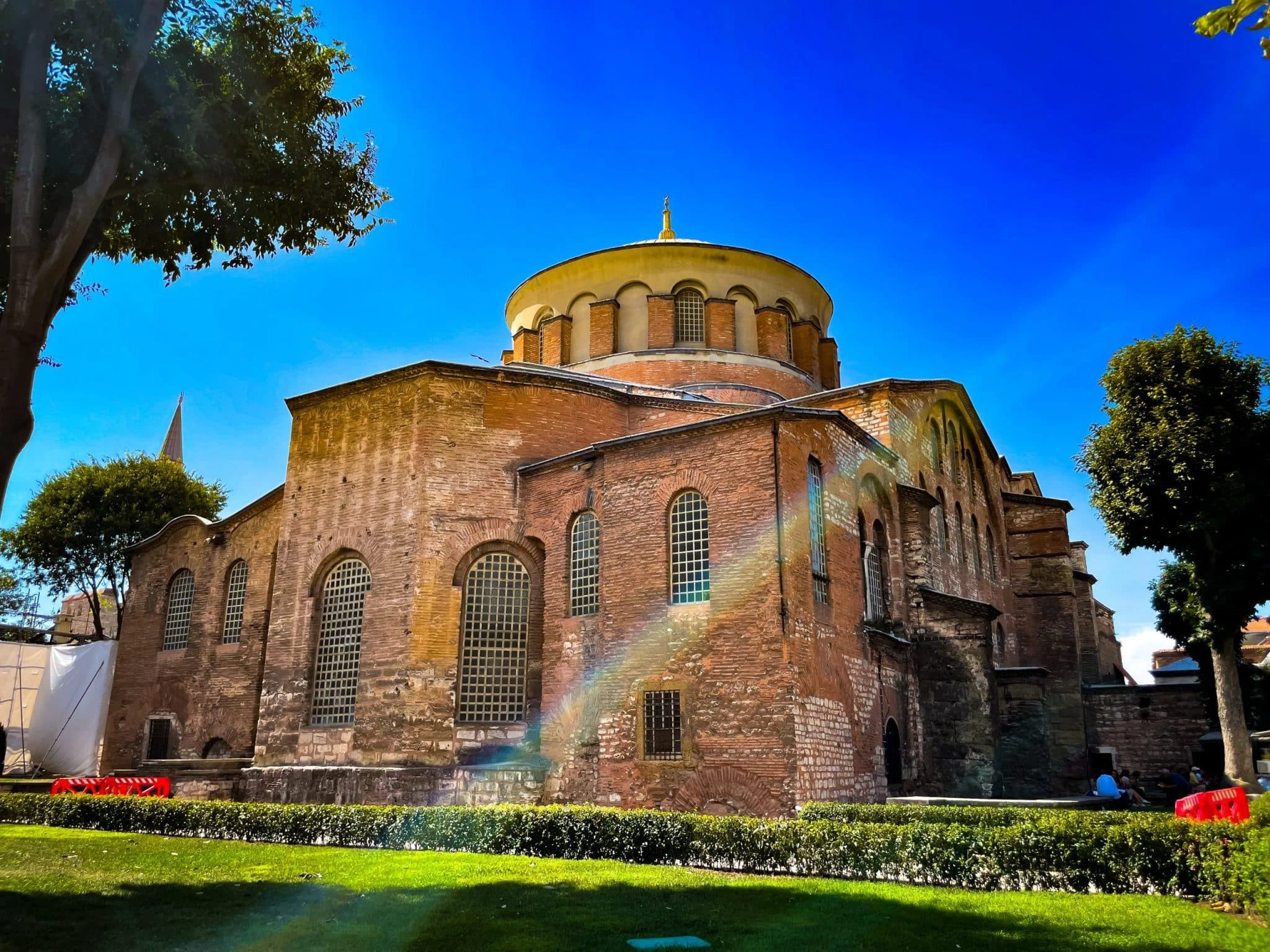
Hagia Irene stands in the first courtyard of Topkapı. It was never converted into a mosque and operates as a museum. The brick volume is quieter than Hagia Sophia next door. Soft hours; occasional concert use. Pair it with the palace court rather than as a separate cross-city trip.
Blue Mosque (Sultanahmet Mosque)
The Blue Mosque faces Hagia Sophia across the square. It is a working mosque from the early 17th century, not a palace museum. Tourists enter between prayer times with covered shoulders and legs; shoes off. The courtyard and dome are the point. Do not expect a timed “show” — expect a living prayer space with tourist pauses.
Hippodrome, obelisks and the German Fountain
The Hippodrome is the long public space between the two mosques: racing track under later paving. What you see now are markers — the Egyptian Obelisk, the Serpent Column remains, the Walled Obelisk and the German Fountain at the north end. No ticket. Use it as orientation between interiors, not as a half-hour lecture stop unless you want the Byzantine sport history.
Basilica Cistern and Binbirdirek
The Basilica Cistern (Yerebatan) is the famous underground forest of columns a short walk from the square. Ticketed, cool, and crowded at midday. The Medusa bases are the usual photograph; the engineering is the reason it exists. Nearby, the Cistern of Philoxenos (Binbirdirek) is a second Byzantine reservoir with a different scale and usually lighter crowds. Soft hours for both; no fee printed here.
Cistern atmosphere. Confirm tickets on the official channel.
Istanbul Archaeology Museums and Gülhane
The Archaeology Museums sit just outside Topkapı’s walls toward Gülhane: classical sculpture, Near Eastern finds and the museum campus as a quieter counterweight to the palace queues. Soft artifact counts — do not trust a locked “number of pieces” from an old brochure. Gülhane Park itself is the public green slope down to the water: shade, paths and a break between ticketed rooms. Soğukçeşme Street, along the palace outer wall, is a short lane of restored wooden houses — a walk, not a separate museum ticket.
Caferağa Medrese, Hürrem Sultan Bath and Çemberlitaş
Caferağa Medrese, attributed to Mimar Sinan in the mid-16th century (commonly around 1559), sits near Hagia Sophia as a small courtyard complex of workshops and quiet rooms — not a 1599 foundation date. Hürrem Sultan Bath on the square edge is a historic hamam building used commercially; treat it as a bath experience if you book one, not as a free palace tour. Çemberlitaş is the burned Column of Constantine and the traffic node around it: a Roman landmark in an Ottoman street, and a practical transfer point toward the Grand Bazaar.
Street and column setting. Not a shopping itinerary.
Grand Bazaar as a commercial landmark
The Grand Bazaar is a historic covered market, not a museum. Soft shop counts — avoid a locked “4,000 shops” claim. Go for the vaulted lanes and the fact that trade still happens there. Pair it with Beyazıt and the nearby mosques if you have energy left after Sultanahmet; do not treat it as a substitute for Topkapı or Hagia Sophia.
Byzantine and Eastern Roman survivors
Walls, aqueduct, Kariye and Zeyrek
Beyond the square, Eastern Roman fabric is scattered: land walls, an aqueduct bridge in traffic, palace fragments and mosaic churches that later became mosques. You do not need a second Hagia Sophia essay here — you need the places that fill the map between the peninsula and the Golden Horn.
Land walls, Valens Aqueduct and Tekfur Palace
The Theodosian land walls still cut across the western edge of the old city. Sections are walkable; others are fractured or under work. The Valens Aqueduct (Bozdoğan Kemeri) is late 4th-century water infrastructure that still spans Atatürk Boulevard — a Roman/Eastern Roman bridge in modern traffic, not a climbable attraction. Tekfur Palace (Palace of the Porphyrogenitus) is a late Byzantine palace fragment near the walls at Edirnekapı: brick façades and limited interiors when open. Soft access — confirm on the day.
Zeyrek
Zeyrek holds the former Pantokrator monastery complex (Zeyrek Mosque) and a steep neighbourhood of wooden houses. It is a UNESCO-linked historic fabric more than a single ticketed room. Go for the hill, the mosque silhouette and the sense that Byzantine monastic planning still shapes the streets. Combine with Kariye only if you have transport and time; they are related eras, not adjacent doors.
Kariye Mosque (Chora)
Kariye — also still called Chora in older English — is an active mosque (Kariye Camii), reopened after restoration. It is not “Chora Museum only.” Foreign visitors follow a timed tourist route Saturday through Thursday; Friday is closed to tourists. Narthex mosaics and parekklesion frescoes are largely visible; some naos images may be curtained. Museum Pass is not the right assumption — check the official fee page. The art is late Byzantine; the visit rules are mosque rules.
Mosaic and fresco atmosphere. Not a museum-status claim — Kariye is an active mosque with a tourist route on set days.
Ottoman palaces and imperial houses
From Topkapı to the Bosphorus shore
Topkapı is the early imperial seat on the peninsula. Later courts moved to the Bosphorus: Dolmabahçe for ceremony, Beylerbeyi for summer, Yıldız for a hillside complex, and façades that are hotels or private views rather than public tours.
Dolmabahçe Palace
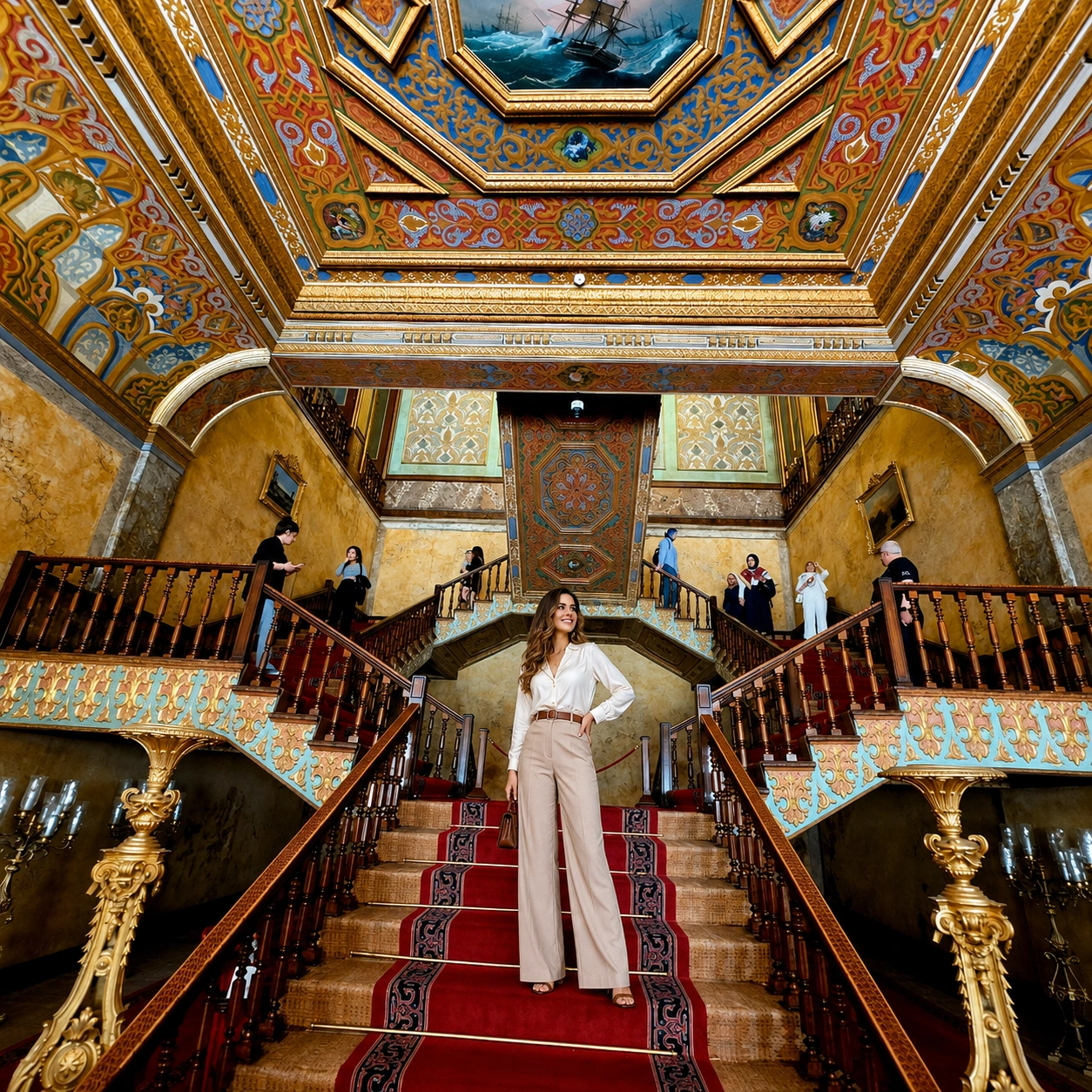
Dolmabahçe is the mid-19th-century palace on the Beşiktaş waterfront under Abdulmecid I: state rooms, crystal and a European-facing ceremonial plan. Ticketed museum; usually one closed weekday. Boat views show the façade; the ticket shows the interiors. Do not stack it with a full Topkapı morning unless you have two clear halves of the day and a car between them.

Reserve a clear half-day for the interiors if you care about the ceremonial halls; a drive-by from the water is not the same visit.
Palace atmosphere. Confirm routes and closed days on the official notice.
Beylerbeyi, Yıldız, Çırağan and smaller pavilions
Beylerbeyi Palace is the mid-19th-century summer palace on the Asian shore (Abdulaziz). Ticketed interiors; it pairs naturally with Üsküdar and Maiden’s Tower more than with Sultanahmet. Yıldız Palace is a National Palaces complex on the European hill behind Çırağan — public museum sections exist; check nationalpalaces.gov.tr or the day’s notice for which buildings and which closed day. Çırağan is a luxury hotel (Kempinski), not a public palace museum tour: guests use historic rooms; everyone else gets the façade from the promenade or a boat. Hidiv (Khedive) Pavilion above Çubuklu is an early 20th-century Abbas Hilmi house with a park setting when open. Küçüksu Pavilion is a smaller Bosphorus imperial stop — soft access and soft hours; do not treat it as Dolmabahçe’s equal in scale.
Mosques and religious heritage
Imperial mosques, Eyüp and minority houses of worship
Worship and tourism share many of these buildings. Dress modestly, expect prayer pauses and treat active congregations as the primary users — visitors second.
Süleymaniye Mosque
Süleymaniye is Sinan’s large 1550s complex for Süleyman the Magnificent: mosque, courtyards and a hilltop view over the Golden Horn. It is a working mosque, usually calmer than the Blue Mosque at peak tourist hours. Go for the proportion of the dome and the surrounding külliye fabric, not for a staged light show.
Eyüp Sultan
Eyüp is the pilgrimage district at the Golden Horn’s end: mosque, tomb complex and a steep climb toward the Pierre Loti viewpoint. It is living religious geography more than a museum ticket. Fridays and religious holidays are crowded. Combine with a Golden Horn ferry if you want the water approach; do not expect Sultanahmet’s multilingual museum desks.
Fener Patriarchate, Ahrida and island churches
The Ecumenical Patriarchate at Fener is the centre of Orthodox life in the city — a working patriarchal seat, not a tourist theme park. Ahrida Synagogue in Balat is a historic Jewish house of worship; access is typically arranged, not a walk-in museum hour. On the Princes’ Islands, Aya Yorgi on Büyükada is a hilltop pilgrimage church reached on foot; Heybeliada’s Halki Seminary is a significant Orthodox school site with soft public access — do not assume an open daily tour without checking current rules.
Bosphorus fortresses and waterfront
Rumeli, Anadolu Hisarı, Maiden’s Tower and views only
The strait’s military and lighthouse history sits on both shores. For a wider shore-by-shore plan, use the Istanbul Bosphorus guide; this section stays with the historic cores.
Rumeli Fortress and Anadolu Hisarı
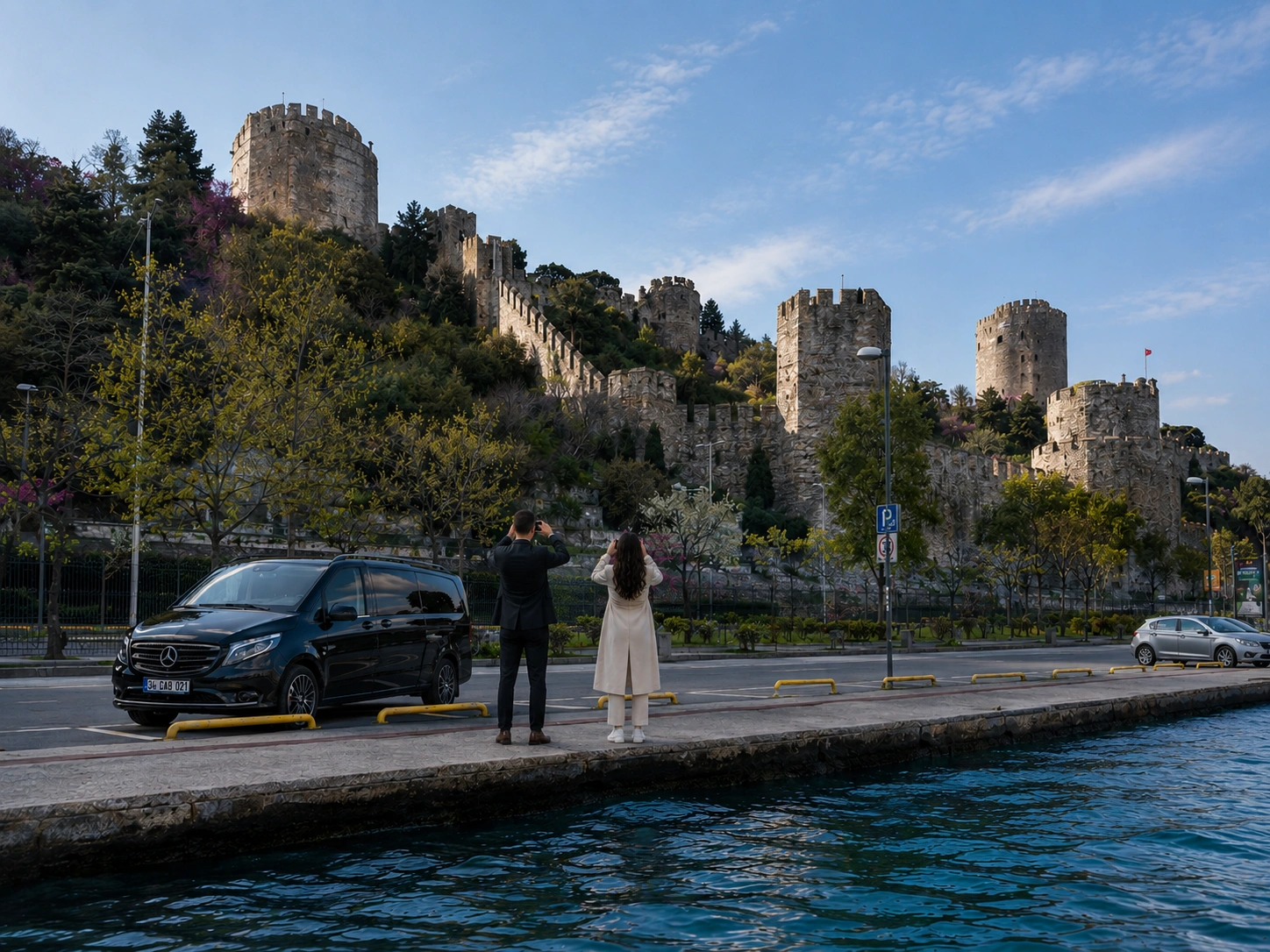
Rumeli Fortress (Rumelihisarı) was built in 1452 to control the strait before the conquest. It is an open-air museum: walls, towers and a view to Asia. Mondays are often closed per museum listings. Restoration may restrict towers and upper walls — the courtyard and garden walk are frequently the main visit. Confirm on arrival. Anadolu Hisarı opposite is older and smaller; most visitors see it from the road or boat rather than as a full museum twin.
Maiden’s Tower
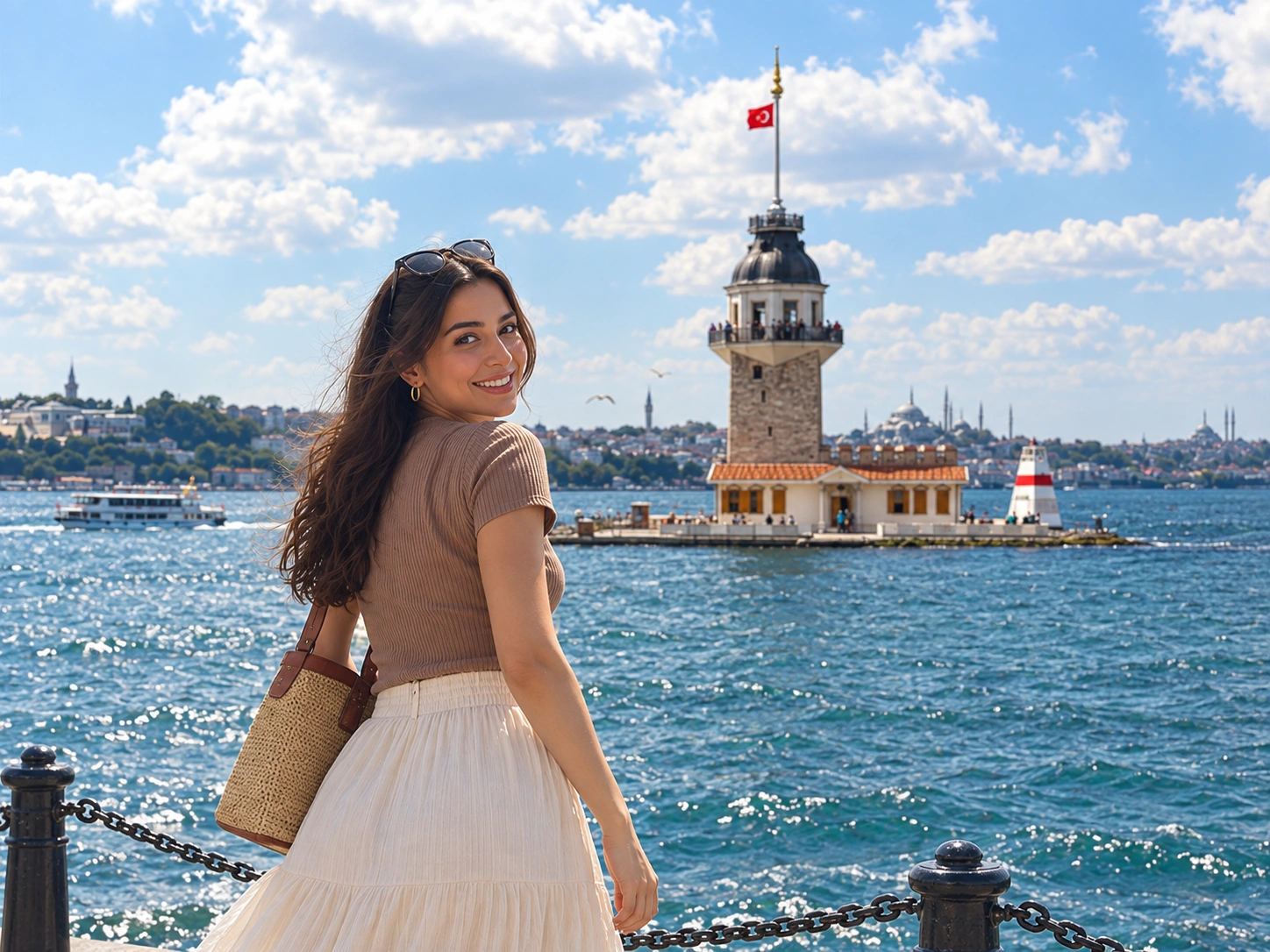
Maiden’s Tower stands offshore from Üsküdar / Salacak as a museum after restoration. Reach it by boat; confirm boats and tickets before you cross the city for it. Folklore about a princess is not the visitor plan — the boat and the ticket are.
Kuleli — view from the water
Kuleli Military High School on the Asian shore is a landmark façade. There is no public palace-style tour. Photograph it from a boat or the opposite shore; do not arrive expecting an interior ticket.
Galata Tower
Galata Tower is the Genoese tower generally dated to about 1348. Claims that it has stood “since 528” are false — do not repeat them. Today it works as a museum and observation stop over the Golden Horn and the peninsula. Soft hours and queues; soft fees — check official.
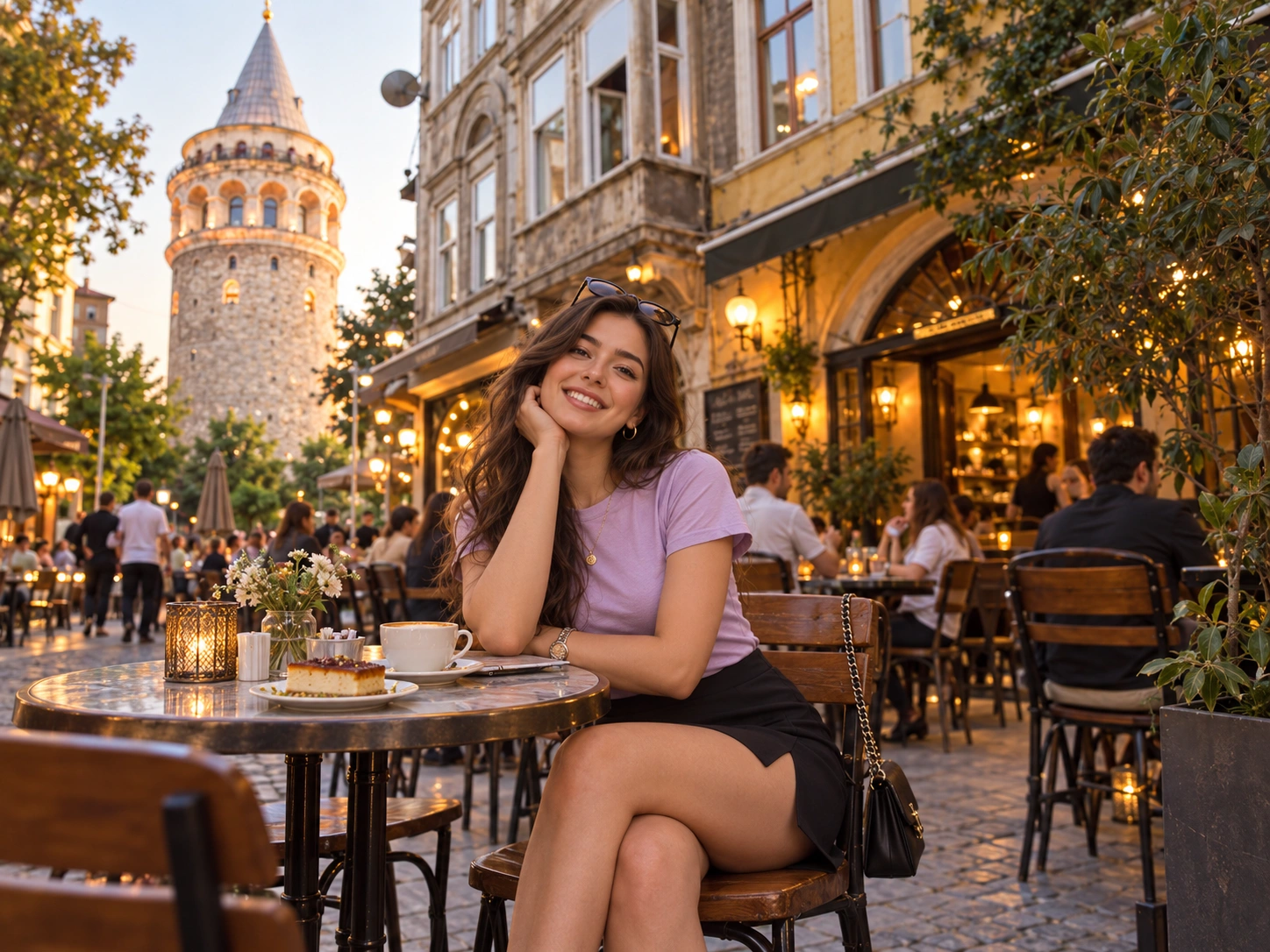
Fortifications
Theodosian walls and Yedikule
The land walls are a line, not one gate. Walk selected stretches near Belgratkapı, Edirnekapı or Yedikule rather than trying to “do the walls” end to end in an afternoon. Yedikule Fortress sits on the Marmara end of that system: Ottoman towers grafted onto Theodosian fabric. The site is open with ongoing restoration — guided daytime visits continue while works (including areas such as the Treasury Tower) proceed. It is not “closed waiting to reopen.” Confirm which courts and towers are restricted on the day you go.
Asian side and Princes’ Islands
Haydarpaşa silhouette and car-free island days
Asian-shore history is not only Beylerbeyi. Haydarpaşa Station’s exterior silhouette has been largely recovered in mid-2026 restoration work; treat the building as not yet a fully open walk-through attraction. A soft cultural reopen has been targeted for late 2026 — confirm before you plan an interior visit. The Princes’ Islands are a cultural landscape of Ottoman houses, churches and car-free streets. There are no phaetons as a current activity. Reach the islands by ferry; move on foot, by bicycle or by electric vehicles according to each island’s rules. See the Princes’ Islands page for ferry logic and island choice.
Island and ferry atmosphere. No phaeton rides; confirm ferry times separately.
If you have more time
Other historic places
These sit just outside the core table. Useful when a second day opens up; not required on a first morning in Sultanahmet.
| Place | Why go | Note |
|---|---|---|
| Little Hagia Sophia (Küçük Ayasofya) | Early Byzantine church form later used as a mosque | Near the Marmara shore; quieter than the main square |
| Rüstem Pasha Mosque | Sinan mosque with dense İznik tilework | Above the Spice Bazaar edge; working mosque |
| Museum of Turkish and Islamic Arts | Carpets, calligraphy and palace-facing galleries | On the Hippodrome; ticketed museum |
| St. Stephen of the Bulgars | Cast-iron church on the Golden Horn | Fener / Balat shore; soft hours |
| Miniatürk | Modern miniature park of Turkish heritage models | Heritage park, not a medieval site; do not call it “the world’s largest” without hard proof |
Sample plans
One- and two-day itineraries
These are realistic stacks, not promises that every interior will be open. Swap the closed weekday; do not add a third palace “because it is nearby on the map.”
| Plan | Morning | Afternoon | Watch-out |
|---|---|---|---|
| 1 day — peninsula | Hagia Sophia Visiting Area + Hippodrome walk | Topkapı courts (or Basilica Cistern if the palace is closed) | Friday midday tourist pause at Hagia Sophia; dress code at mosques |
| 1 day — Bosphorus | Dolmabahçe interior | Rumeli Fortress or Maiden’s Tower (not both) | Monday fortress closures; boat timing for the tower |
| 2 days — classic | Day 1: peninsula mosques, cistern, Topkapı | Day 2: Kariye (Sat–Thu) + Galata Tower or Süleymaniye | Kariye closed to tourists on Friday; leave buffer for traffic |
| 2 days — shores + islands | Day 1: Dolmabahçe + European shore walk | Day 2: ferry to Princes’ Islands (walk / bike / electric) | No phaeton; last ferry back matters more than another café |
A late overview clip is useful after you have chosen a plan — it will not replace the closed-day check.
General attractions overview. Status of individual mosques and museums can change — verify before you go.
Questions
Historical places in Istanbul FAQ
Is Hagia Sophia a museum?
No. It is an active mosque. Foreign tourists use the paid upper-gallery Visiting Area. The Museum Pass is not valid for that gallery. Expect prayer pauses and a longer tourist closure around Friday midday. See the Hagia Sophia page for visit shape, not for a locked fee.
Is Kariye still the Chora Museum?
No. It operates as Kariye Mosque. Tourists follow a timed route Saturday through Thursday; Friday is closed to tourists. Mosaics and frescoes are largely visible. Do not plan it as a museum-only stop. The Kariye / Chora page is the closer look.
Does the Museum Pass cover Hagia Sophia and Kariye?
Do not assume so. For Hagia Sophia’s foreign Visiting Area and for Kariye’s tourist route, Museum Pass is not the right default. Confirm each site’s official channel. Other museums on the pass list may still apply — check the current pass rules separately.
Is Yedikule closed for restoration?
No. It is open with ongoing restoration. Guided daytime visits continue while works proceed. Confirm restricted towers and courts on the day; do not wait for a fictional “full reopen” before going.
Can I tour Haydarpaşa Station inside?
Treat it as not a normal walk-through attraction yet. The exterior silhouette has been largely recovered; a soft cultural reopen has been targeted for late 2026. Confirm before you build a day around an interior.
When is Rumeli Fortress closed?
Mondays are often closed. Restoration may limit towers and upper walls even on open days. The courtyard walk is frequently the main visit. Use the Rumeli Fortress page and the day’s museum notice.
How old is Galata Tower?
The present tower is Genoese, generally dated to about 1348. Claims that it dates from 528 are wrong. See the Galata Tower page for the observation visit.
Is Çırağan Palace open to the public as a museum?
No. It operates as a Kempinski hotel. Guests use historic rooms; the public view is the waterfront façade. Read the Çırağan hotel page if you are staying, not touring.
Can I visit Kuleli Military School?
No public interior tour. View it from a boat or the opposite shore only.
Are there phaetons on the Princes’ Islands?
No. Current movement is ferry arrival, then walking, cycling or electric vehicles per island rules. The Princes’ Islands page covers how a day works.
What are typical ticket prices?
Not listed here. Fees change. Use official booths or site pages for Hagia Sophia, Topkapı, Dolmabahçe, cisterns, fortresses and towers. Soft wording beats a stale TL or euro figure.
Is Hagia Irene part of Topkapı?
It stands in the first courtyard and is visited with that geography in mind, but it is its own museum church — never converted to a mosque. Soft hours. Details on the Hagia Irene page.
Blue Mosque or Süleymaniye if I only have time for one?
Blue Mosque if you are already on the square facing Hagia Sophia. Süleymaniye if you want Sinan’s large hilltop complex and fewer midday tour groups. Both are working mosques — dress code and prayer pauses apply. The Blue Mosque page covers the square visit.
Basilica Cistern or Binbirdirek?
Basilica Cistern for the famous column forest and Medusa bases. Binbirdirek (Philoxenos) for a second Byzantine cistern with a different scale, often quieter. Links: Basilica Cistern and Cistern of Philoxenos.
How do I reach Maiden’s Tower?
By boat from Üsküdar / Salacak. It is a museum on a small island after restoration. Confirm boats and tickets; no fee is printed here. See the Maiden’s Tower page.
Does Cab Istanbul sell museum tickets or provide a licensed guide?
No. Cab Istanbul provides chauffeur service and airport transfers — car with driver, Istanbul Airport, Sabiha Gökçen and VIP transfer. The driver is not a licensed guide and does not sell museum or mosque tickets.
Topkapı or Dolmabahçe first?
Topkapı for Ottoman court life on the Historic Peninsula. Dolmabahçe for 19th-century ceremonial rooms on the Bosphorus. They are different eras and different parts of the city. Links: Topkapı and Dolmabahçe.
Is Miniatürk a historical monument?
It is a modern miniature park of heritage models, useful for orientation, not a substitute for the real sites. Do not call it the world’s largest without hard proof. See the Miniatürk page.
Where does a Bosphorus day fit among historical places?
Palaces, fortresses and Maiden’s Tower sit on the strait; the peninsula holds the Byzantine and early Ottoman core. Use the Bosphorus guide for shore logistics and this page for which interiors are museums, mosques or façades only. Beylerbeyi is the Asian palace pair to Dolmabahçe.
Is the Grand Bazaar a historical place worth the time?
Yes as a commercial landmark and covered street plan — not as a museum with a single ticket. Soft shop counts. Pair it after Sultanahmet if you still have energy. The Grand Bazaar page is the shopping-focused read.
Historical places in Istanbul reward a clear split between mosque rules, museum tickets and façades you only photograph — check the day’s official notice, then walk the layer you actually came for.