
Gallipoli · 25 April
Anzac Day is observed every year on 25 April — the anniversary of the 1915 landings on the Gallipoli Peninsula. ANZAC stands for the Australian and New Zealand Army Corps. In Australia and New Zealand it is a national day of remembrance for all who served and died in wars, conflicts, and peacekeeping — not only those who fought at Gallipoli.
On the peninsula itself, the date gathers Australians, New Zealanders, Turks, and visitors from many countries for quiet ceremony at places where the campaign still shapes national memory. This guide covers what Anzac Day means, how the Dawn Service works at the Anzac Commemorative Site, the fuller Gallipoli campaign story, honest 2027 registration status (as of September 2026), practical overnight advice, and how to reach the battlefield from Istanbul.
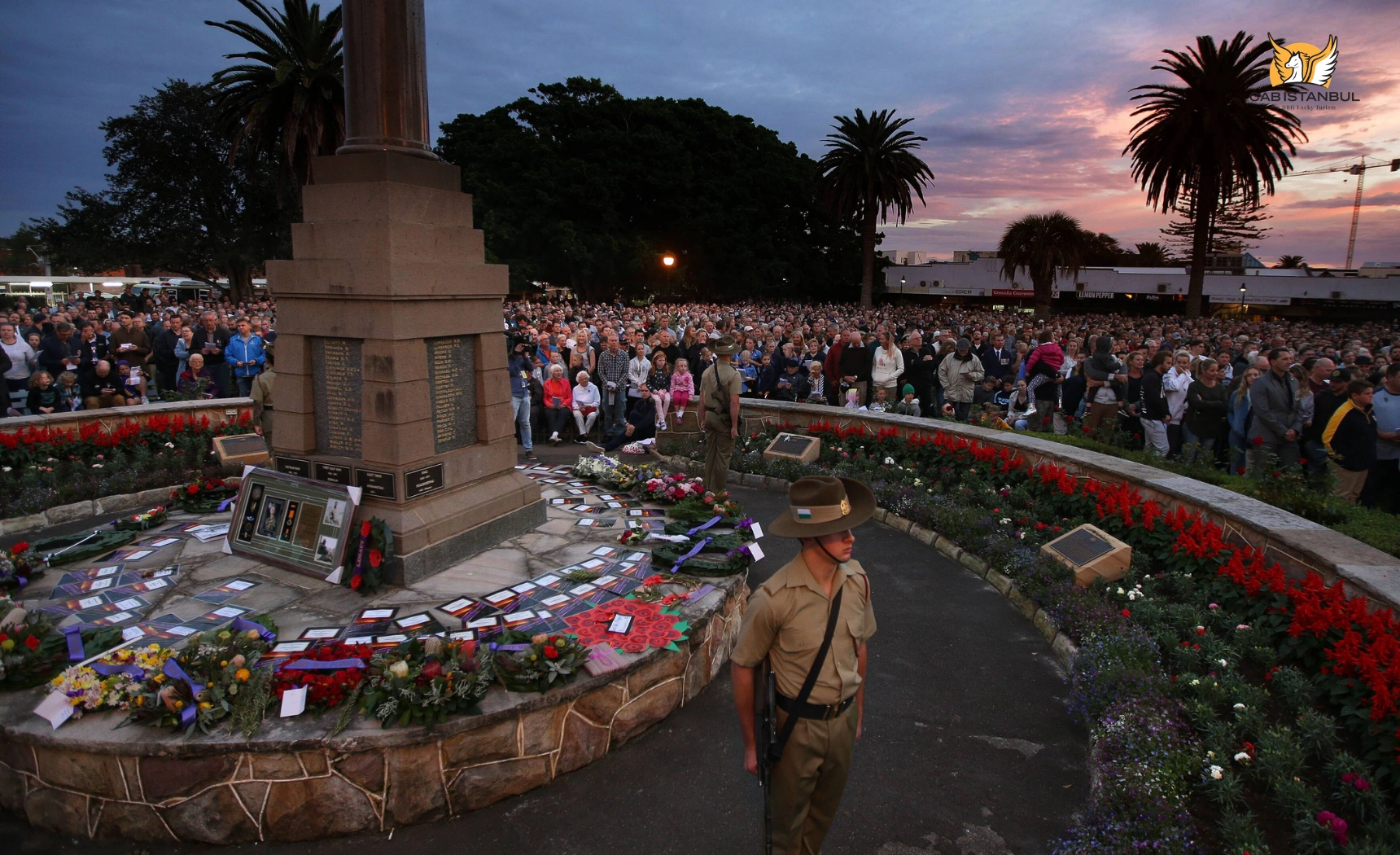
Atmosphere video only — not an official DVA timetable or registration source.
Dawn Service
Why the Dawn Service matters — and where it is held
The Dawn Service echoes the hour of the original landings and the wider Anzac tradition of gathering at first light. At Gallipoli it is the emotional centre of the commemorative day: wreaths, readings, the Last Post, a minute’s silence, and a crowd that often includes veterans’ descendants, serving personnel, and first-time visitors who have travelled overnight for the moment.
Modern official ceremonies for Australia and New Zealand are held at the Anzac Commemorative Site (ACS) on North Beach, a short walk from the cove shoreline rather than on the narrow beach strip itself. The ACS was developed around the turn of the millennium so larger gatherings could take place with safer access, clearer sightlines, and cooperation between Australian, New Zealand, and Turkish authorities.
Later in the morning, separate national ceremonies traditionally continue at Lone Pine (Australian focus) and Chunuk Bair (New Zealand focus). In recent years, attendees with a day pass have typically been able to join the Dawn Service and then one of those later services — not both in a rushed circuit. Exact 2027 clock times are not yet published; see the 2026 example times further below, clearly labelled as historical reference only.
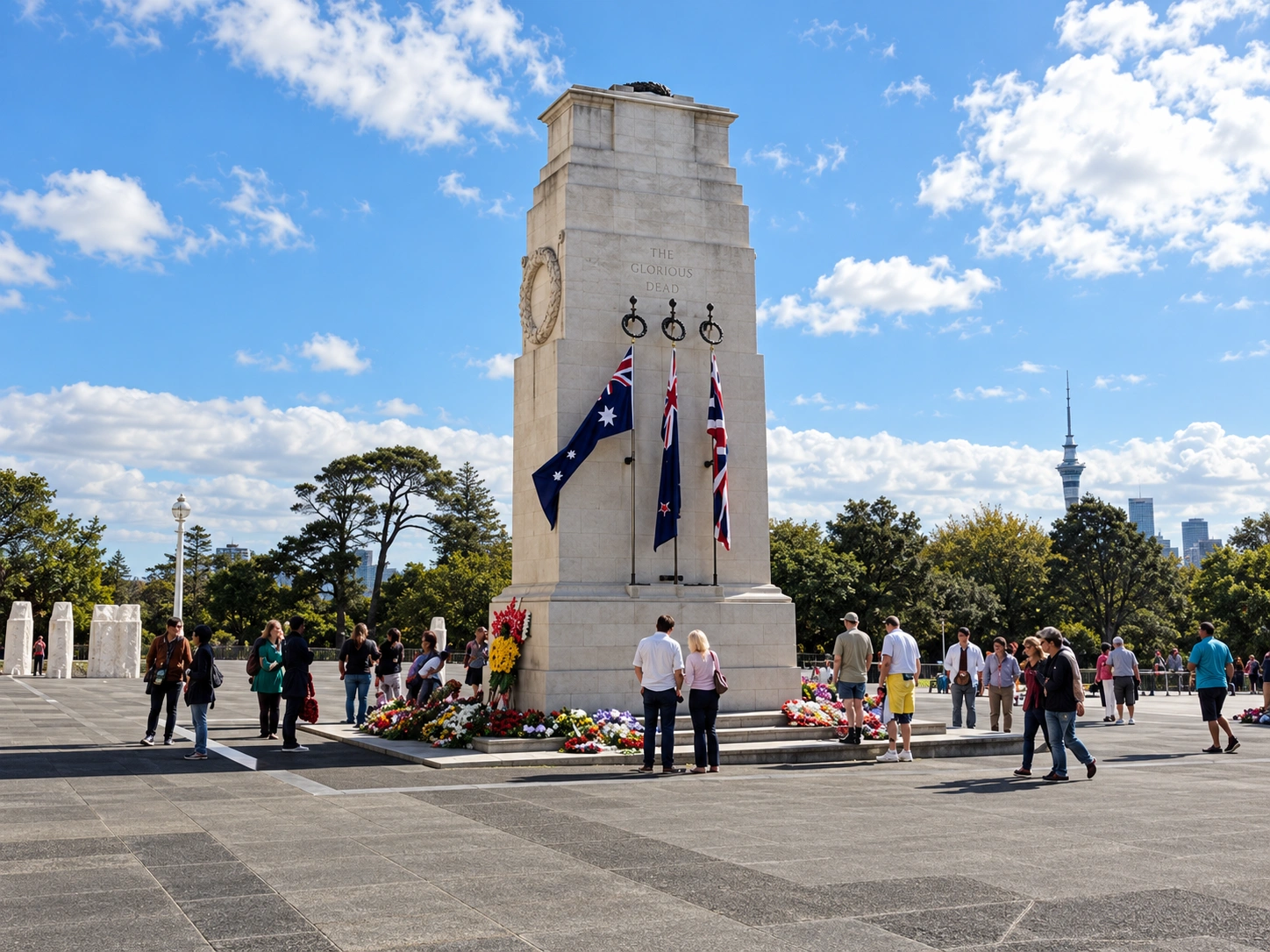
Place name
Anzac Cove — shoreline, scale, and Turkish recognition
Anzac Cove is the small Aegean inlet where ANZAC troops came ashore on 25 April 1915. The beach arc itself is only about 600 metres long — far smaller than many visitors imagine from wartime photographs. Steep scrub-covered ridges rise almost immediately inland; that geography shaped the fighting from the first hours.
On 25 April 1985, the Turkish government formally recognised the English name Anzac Cove (Turkish: Anzak Koyu) as part of commemorative diplomacy marking seventy years since the landings. The cove remains a place of quiet reflection year-round. The large Anzac Day Dawn Service, however, is organised at the nearby ACS on North Beach, not by packing the entire 600-metre strand with seating and stages.
Nearby cemeteries, tracks, and memorials — including approaches toward Lone Pine, Quinn’s Post, The Nek, and the ridges above — form a continuous historic landscape. Treat every cemetery as consecrated ground: do not sit or lie on headstones, and keep voices low even outside formal ceremony hours.
Host nation
Anzac Day in Türkiye — cooperation, not a foreign enclave
Gallipoli (Turkish: Gelibolu) is Turkish territory. Anzac Day ceremonies take place with the consent and active cooperation of the Republic of Türkiye — typically involving Turkish officials, security, and local communities alongside Australian and New Zealand defence and veterans’ agencies.
For Turks, the peninsula also embodies the defence of the Dardanelles in 1915 and the emergence of leaders who later shaped the Republic. Visitors often encounter both ANZAC memorials and Turkish martyrdom sites (şehitlik) within a short drive. Approaching the day as a shared commemorative space — not a transplanted national holiday detached from the host country — is part of good etiquette.
Outside Anzac Day week, the peninsula is still open for battlefield touring, museum visits in and around Çanakkale, and quieter cemetery walks. Peak crowd pressure, overnight camping rules, and airport-style security are specific to the official commemorative window; ordinary visits are usually simpler, though you should still follow local site guidance and cemetery respect rules.
1915 campaign
The Gallipoli Campaign — strategy, landings, stalemate, evacuation
Anzac Day remembers a landing; the Gallipoli Campaign (February 1915–January 1916) was a much longer Allied attempt to force the Dardanelles, knock the Ottoman Empire out of the war’s eastern diplomacy, and open a warm-water supply route toward the Russian Black Sea coast and Constantinople (Istanbul). It ended in Ottoman defensive success and Allied withdrawal.
Naval phase — February to March 1915
Allied warships tried to silence the forts and sweep the minefields controlling the strait. The climax came on 18 March 1915, when several capital ships were sunk or crippled after striking mines. That naval failure pushed planners toward a combined land operation on the Gallipoli Peninsula.
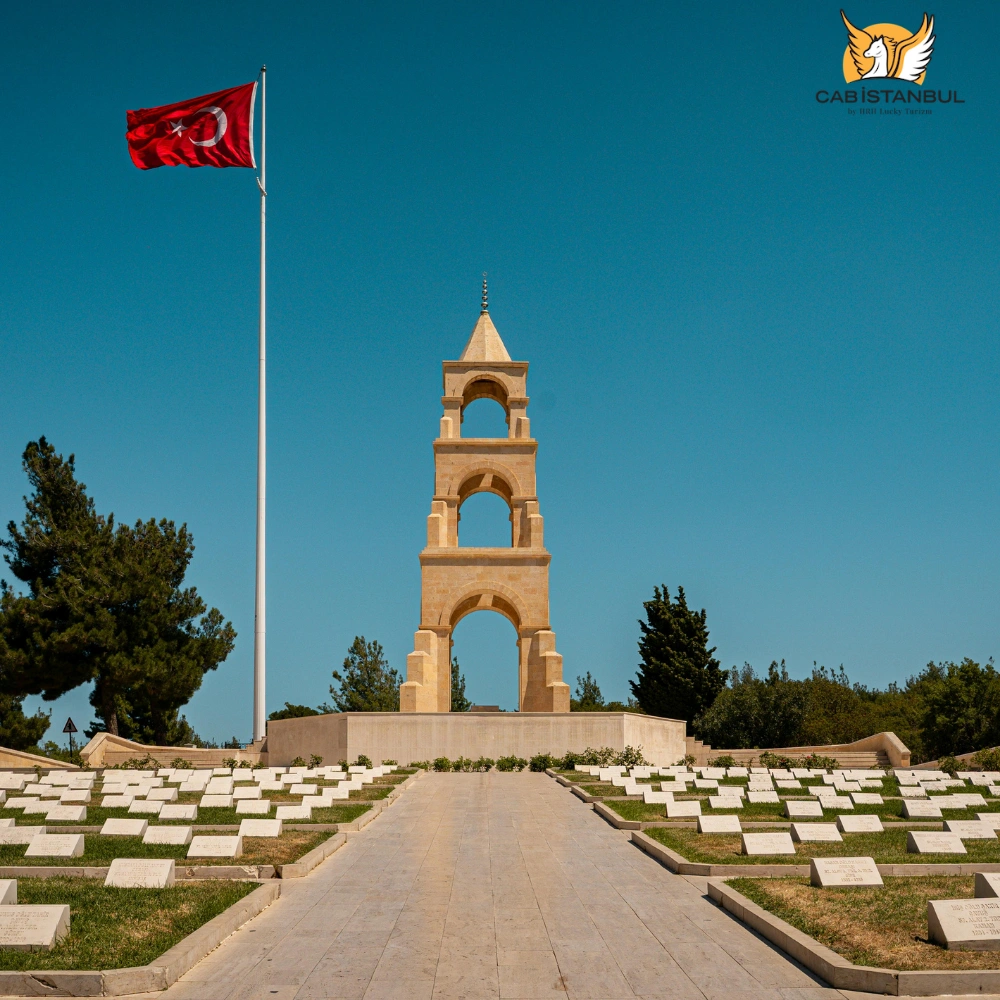
25 April 1915 — the landings
Before dawn on 25 April, ANZAC troops landed on the western Aegean shore at what became Anzac Cove, while British (and later French) forces landed at Cape Helles on the southern tip. The ANZAC lodgement clung to steep ground under intense Ottoman fire. Holding a beachhead proved possible; breaking inland to the high ground that commanded the peninsula did not.
Ottoman defence and Mustafa Kemal
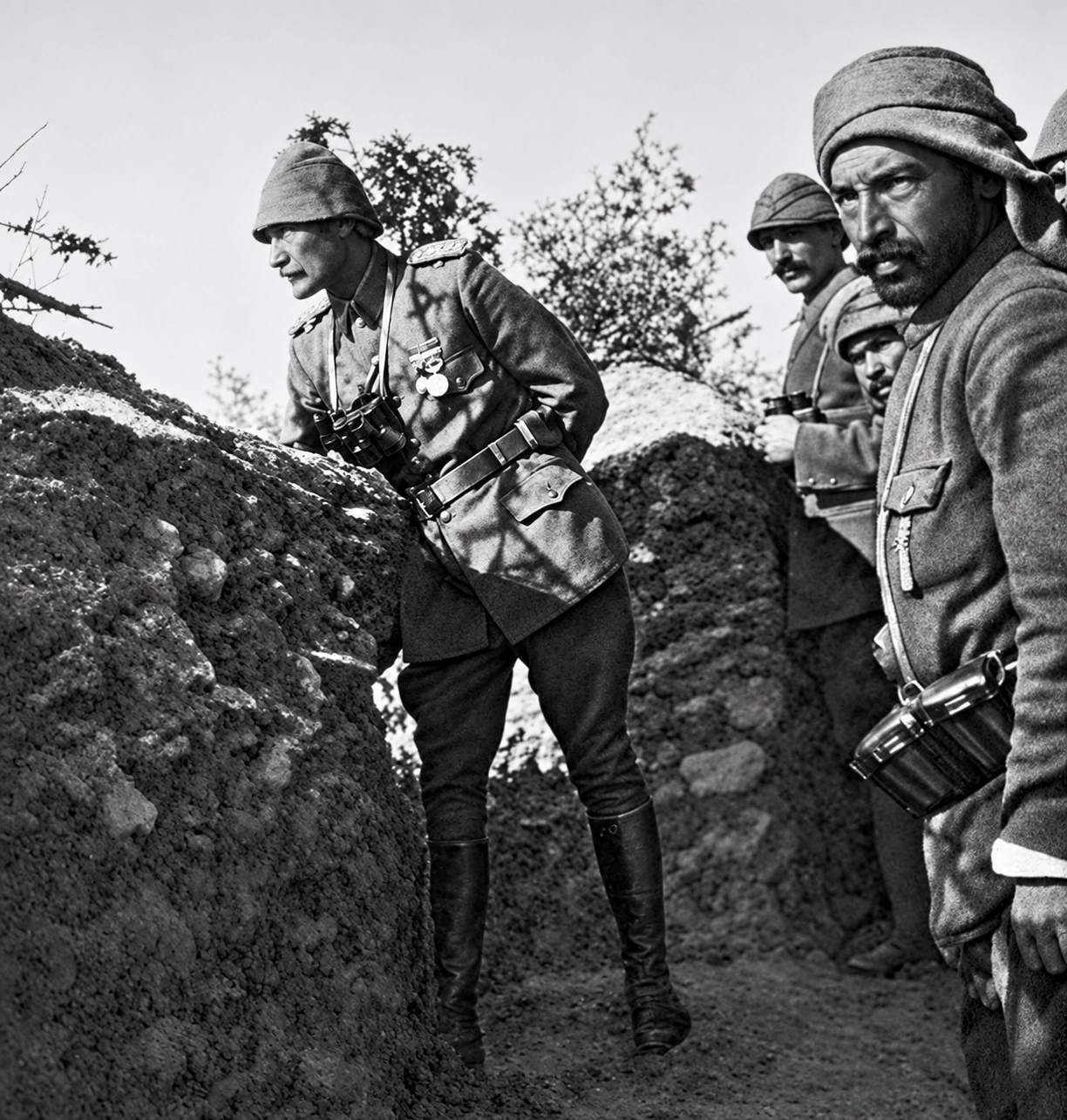
Ottoman forces reacted quickly along the ridges. Among the officers who organised critical early counter-moves was Mustafa Kemal — later Atatürk, founder of the Turkish Republic. Popular memory rightly emphasises his role in stiffening defence on the Anzac front; precise ranks and sector commands shifted through the campaign, so it is fairer to speak of decisive local leadership within a broader Ottoman command system than to compress the entire defence into a single biography.
Helles, Suvla, and the August battles
Through spring and summer the Allies tried to expand from Helles and Anzac. In August 1915 a major offensive combined attacks from the Anzac sector with a new landing at Suvla Bay to the north. Famous and costly actions of that period include:
- Lone Pine — intense fighting for a key Anzac-sector position, later the site of the Australian memorial and cemetery.
- Chunuk Bair — a high ridge briefly contested; central to New Zealand remembrance on the peninsula.
- The Nek — a narrow saddle where repeated frontal rushes became a byword for futile sacrifice in Australian memory.
None of these blows produced the breakthrough planners needed. The front settled into trench stalemate: heat, flies, disease, sniping, mining, and local raids — a Mediterranean echo of Western Front attrition on a narrower, steeper battlefield.
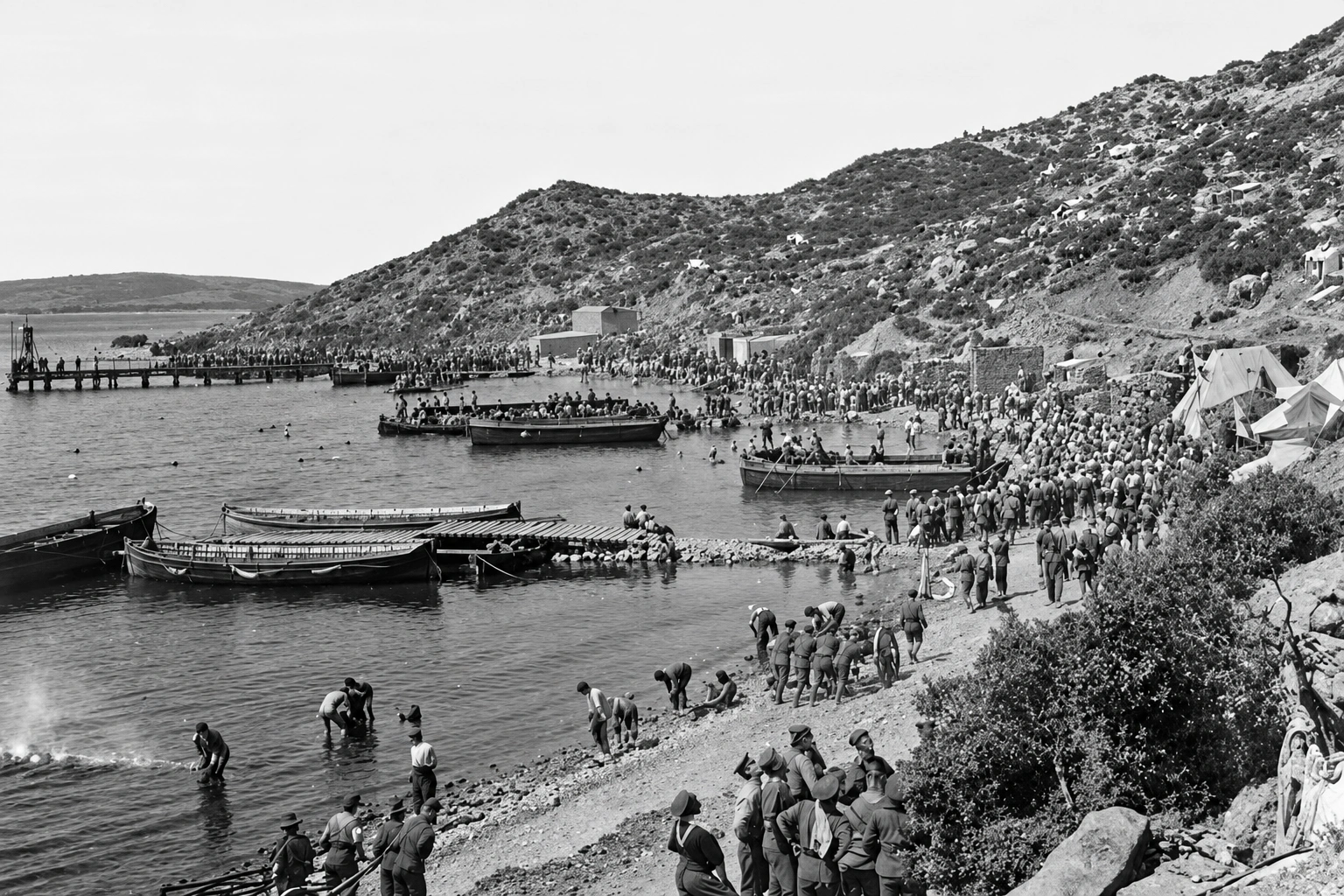
Historical atmosphere only — casualty figures and site rules still require official and scholarly sources.
Evacuation — December 1915 to January 1916
By late 1915 the strategic case had collapsed. The Anzac and Suvla sectors were evacuated in December 1915; the Helles bridgehead followed in January 1916. The withdrawals were carefully staged and, relative to the fighting that preceded them, comparatively successful in limiting further loss — a bitter end to a failed campaign.
Casualties and national legacy
Human cost was severe on all sides. Round figures often cited in public histories place total casualties (killed, wounded, missing, and sick, depending on counting method) on a scale of roughly a quarter of a million for each of the main opposing coalitions — with exact totals varying by archive and definition. Australian deaths at Gallipoli are commonly given around 8,700; New Zealand deaths around 2,700. Ottoman losses were also very heavy. Treat any single number as approximate.
For Australia and New Zealand, Gallipoli became a founding narrative of national identity forged in sacrifice far from home. For Türkiye, the defence of Çanakkale stands among the formative military and moral stories of the late Ottoman war years and the Republic that followed. Modern commemorations try — imperfectly but sincerely — to hold those memories together without erasing any of them.
2027 status
Anzac Day Gallipoli 2027 — program and registration (as of September 2026)
Status check (8 September 2026): the official 2027 Gallipoli Anzac Day program has not been published, and registration is not open yet. Do not rely on last year’s clock times as confirmed 2027 times.
In recent years, attendance at the official Australian and New Zealand commemorative services has required a free attendance pass obtained through the official commemorations portal (historically commemorations.teg.com.au, managed in cooperation with Australia’s Department of Veterans’ Affairs and New Zealand partners). The pass itself has been free; registration has still been mandatory when the portal is open. Expect the same pattern for 2027 unless authorities announce otherwise — but wait for the live 2027 pages before booking irreversible travel around a guessed timetable.
When registration opens, places can fill quickly. Watch the DVA Gallipoli commemorations pages and the TEG commemorations site rather than social media rumours. Commercial tour packages are not a substitute for the official pass if you intend to enter the secured commemorative zone on the day.
2026 example timetable (labelled — not 2027)
For orientation only, the 2026 pattern included roughly:
- Site access opening on the evening of 24 April (around 22:30 in the published 2026 guidance).
- Dawn Service at the ACS around 05:30 on 25 April.
- Lone Pine Australian service around 10:00.
- Chunuk Bair New Zealand service around 11:30.
Attendees usually chose either Lone Pine or Chunuk Bair after dawn — walking times and crowd control make doing both impractical for most people. Treat every figure above as a 2026 example, not a promise for 2027.
Practical guide
Overnight wait, weather, walking, security, and etiquette
Anzac Day at Gallipoli is physically demanding. Many people arrive the evening before, pass security, and wait through a cold, windy night on open ground with limited sleep.
- Overnight exposure: expect chill Aegean wind even when Istanbul felt mild. Layered clothing, a windproof shell, warm hat, and gloves matter more than fashion.
- Walking: recent official guidance has warned of walking distances of up to about 8 km within the commemorative arrangements, depending on drop-off points and which later service you attend. Wear broken-in shoes.
- Security / LAG: screening has followed an airport-style model. Liquids, aerosols, and gels are typically limited to 100 ml containers. Leave large drinks, camping stoves, and prohibited items behind.
- What to bring: passport or ID as required for your pass, printed or digital attendance details, warm layers, light waterproof, small torch, basic snacks allowed under that year’s rules, phone power bank, and a compact sit-mat if chairs are banned.
- Chairs: recent DVA Gallipoli guidance has not permitted chairs at the ACS. Confirm the current year’s list when published.
- Cemetery etiquette: never lie on, sit on, or climb headstones or memorial plinths. Keep flags and photos respectful; follow marshals’ instructions without argument.
- Health: if overnight cold or long walks are risky for you, consider a quieter non-Anzac-Day visit to the same sites instead of forcing the commemorative overnight.
Rules can tighten or shift year to year. When the 2027 briefing pack appears, read it end to end — bag size, banned items, bus plans, and medical support notes usually sit there, not in older blog posts.
Getting there
Istanbul to Gallipoli — distance, bridge, ferry, and private car
From central Istanbul to the Eceabat / Gallipoli commemorative approaches is roughly 300–310 km. By road, plan on about 5–6+ hours one way depending on traffic, rest stops, ferry queues if you use a boat crossing, and whether you take the modern motorway corridor.
Two broad routing ideas:
- 1915 Çanakkale Bridge corridor: continuous road crossing of the Dardanelles on the Malkara–Çanakkale motorway system — useful when timing matters and HGS is ready. See our guide to the 1915 Çanakkale Bridge for crossing context and toll notes.
- Ferry options: traditional Dardanelles ferries (for example Gelibolu–Lapseki and related services) still suit travellers who prefer a water crossing or are combining Asian-side Çanakkale sightseeing with the peninsula.
For Anzac Day itself, private timing often matters more than sightseeing flexibility: overnight arrival windows, security queues, and post-ceremony exhaustion all favour a driver who can stage pickups around the official transport plan. Cab Istanbul can quote a private intercity car-with-driver run toward Gallipoli / Çanakkale, arrange city car with driver in Istanbul for staging days, or begin with an Istanbul Airport transfer before a southbound leg. Request a current quote via online reservation — we do not publish a fixed TL/km Anzac fare here, because road, wait, and overnight factors change the job.
Cab Istanbul does not issue DVA attendance passes and does not replace official commemorative transport rules inside the secured zone.
Memory & reconciliation
Atatürk, “Johnnies and Mehmets,” and a careful reading
Visitors often encounter English memorial wording that addresses the mothers of fallen soldiers — the familiar lines about “Johnnies and Mehmets” resting side by side in peace. That text is deeply woven into popular Gallipoli reconciliation culture and appears on memorials visited by millions.
Scholarly debate, however, has long questioned whether the widely circulated English wording is an undisputed verbatim 1934 statement by Mustafa Kemal Atatürk. Treat the popular memorial text as commemorative wording with contested attribution, not as a courtroom-proof transcript of a single speech. The broader reconciliation tradition — Turkish hospitality to ANZAC pilgrims, mutual respect at cemeteries, and shared silence at dawn — does not depend on settling that textual dispute in a travel article.
FAQ
Anzac Day Gallipoli — frequently asked questions
What is Anzac Day?
Anzac Day is 25 April, marking the 1915 Gallipoli landings. ANZAC means Australian and New Zealand Army Corps. In Australia and New Zealand it is a national remembrance day for all who served, not only Gallipoli veterans.
Is Anzac Day only about Gallipoli?
The date comes from Gallipoli, but the day’s meaning in AU/NZ now covers later wars and peacekeeping as well. On the peninsula, ceremonies still focus on the 1915 campaign landscape.
Where is the Dawn Service held?
At the Anzac Commemorative Site (ACS) on North Beach, near Anzac Cove — not on the entire 600-metre cove beach itself.
How long is Anzac Cove?
About 600 metres of shoreline. The Turkish government officially recognised the name Anzac Cove on 25 April 1985.
What happened on 18 March 1915?
A major Allied naval attempt to force the Dardanelles failed after ships struck mines — a turning point that led toward the April landings.
What were Lone Pine, Chunuk Bair, and The Nek?
Key August 1915 battle sites in the Anzac sector: Lone Pine (strong Australian remembrance), Chunuk Bair (central to New Zealand memory), and The Nek (remembered for costly frontal assaults). They did not break the Ottoman line.
When was Gallipoli evacuated?
Anzac and Suvla in December 1915; Cape Helles in January 1916.
Is registration open for Anzac Day Gallipoli 2027?
No — not as of 8 September 2026. The 2027 program is also unpublished. Watch DVA and commemorations.teg.com.au for the official opening.
Do I have to pay for an attendance pass?
In recent years the official attendance pass has been free, but registration is still required when the portal opens. Confirm on the live 2027 pages.
What time is the 2027 Dawn Service?
Not announced yet. As a labelled 2026 example only, dawn was around 05:30, Lone Pine around 10:00, and Chunuk Bair around 11:30.
Can I attend both Lone Pine and Chunuk Bair?
Usually not in practice. Recent patterns expect Dawn Service plus one later national ceremony.
How cold and difficult is the overnight wait?
It can be windy and cold, with limited sleep and significant walking (guidance has cited up to about 8 km). Prepare like an outdoor overnight, not a hotel balcony event.
Are chairs allowed at the ACS?
Recent DVA guidance has banned chairs at the ACS. Recheck the 2027 rules when published.
What is the LAG 100 ml rule?
Security screening has limited liquids, aerosols, and gels to 100 ml containers — similar to airport rules. Follow that year’s prohibited-items list exactly.
How far is Gallipoli from Istanbul?
About 300–310 km to the peninsula approaches; often 5–6+ hours by road depending on traffic, ferry queues, and route.
Bridge or ferry?
Use the 1915 Çanakkale Bridge corridor for continuous motorway timing; use a Dardanelles ferry when you want a water crossing or different sightseeing flow.
Can Cab Istanbul take me to Gallipoli for Anzac Day?
Yes — request a private intercity quote. We do not invent a fixed public fare here. Start via intercity car-with-driver or reservation. You still need your own official attendance pass.
Did Atatürk write the “Johnnies and Mehmets” memorial lines?
Those popular English lines appear on memorials and in reconciliation storytelling, but their attribution as undisputed 1934 Atatürk verbatim wording is contested in scholarship. Appreciate the reconciliation tradition without treating the quote as settled primary-source fact.
Is Gallipoli worth visiting outside Anzac Day?
Yes. Cemeteries, ridges, and museums are often quieter and easier to explore without overnight security procedures — still with full cemetery respect.
Is Anzac Day a Turkish public holiday?
Anzac Day is an Australian and New Zealand national commemorative day. In Türkiye, 25 April is significant for Gallipoli remembrance and hosting ceremonies, while Turkish national focus on the campaign also centres strongly on the 18 March naval victory anniversary.